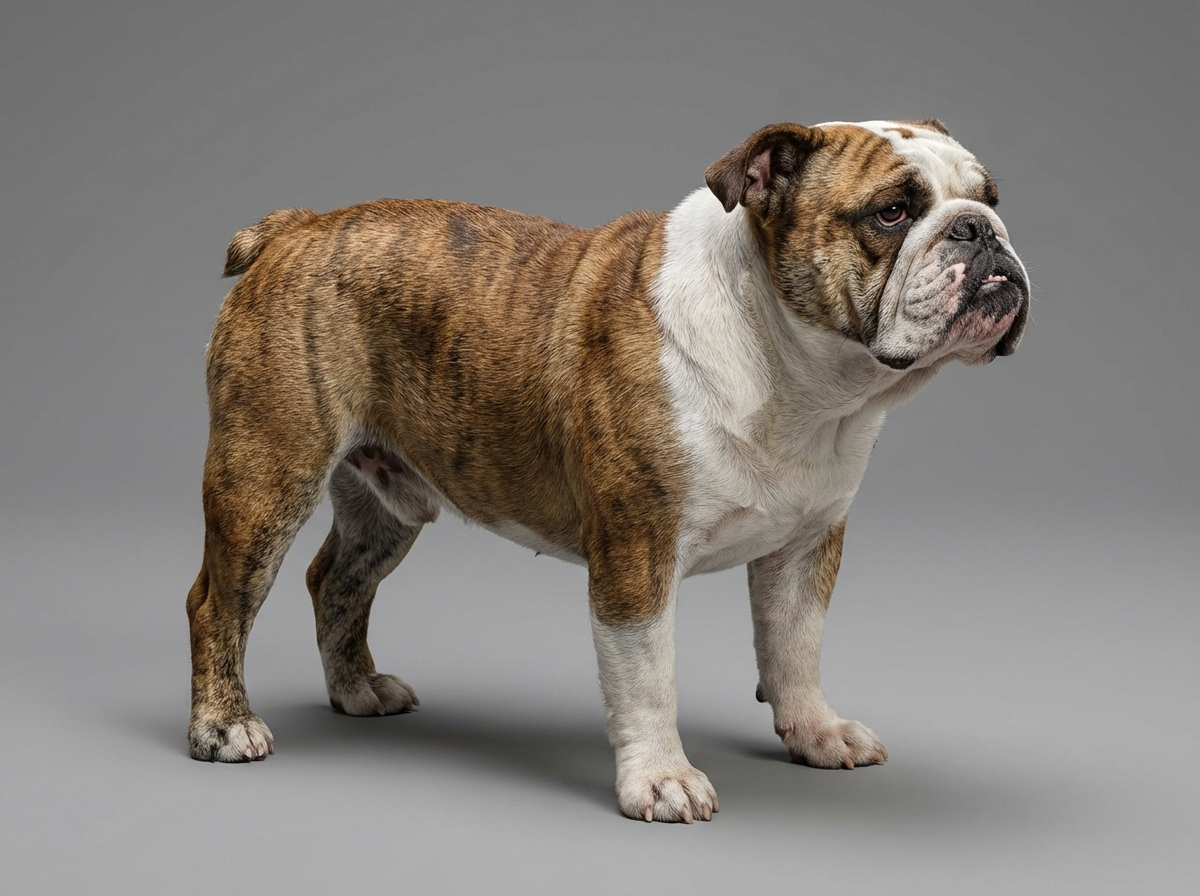
Health
What quick tips can I follow for Bulldog (English) kidney disease?
Ensure your Bulldog stays hydrated, feed them a kidney-friendly diet, and maintain regular vet check-ups to monitor their progress.

Quick answer
What quick tips can I follow for Bulldog (English) kidney disease?
Ensure your Bulldog stays hydrated, feed them a kidney-friendly diet, and maintain regular vet check-ups to monitor their progress.
Bulldog (English) kidney disease is a serious health concern that can affect your dog's quality of life. Understanding it is crucial for any owner.
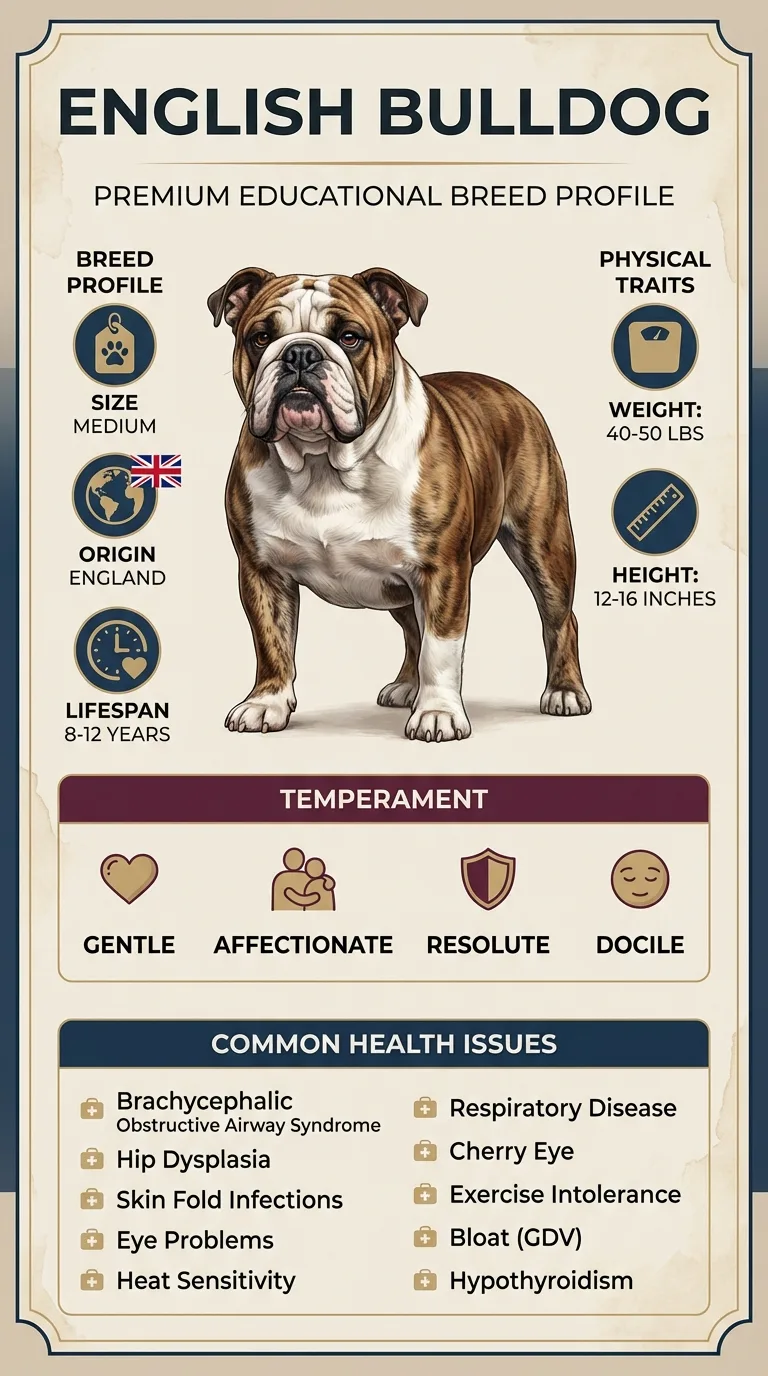
Typical owners affected by this issue include first-time Bulldog parents, busy families, and anyone who may not be aware of the unique health challenges Bulldogs face. These owners often find themselves juggling vet visits and lifestyle adjustments to ensure their furry friend remains healthy.
This guide is not medical advice. If your dog shows pain, sudden behavior change, or worsening symptoms, consult a licensed veterinarian.
Some links may be affiliate links. We may earn a commission at no extra cost to you. We only suggest products we believe are helpful for dog owners.
We research and check what we publish, but we do not warrant that any figure, date, price, or statement is accurate, complete, or current, and we accept no liability for any loss, cost, injury, or other harm arising from the use of this site. Use it as one reference among several. You remain responsible for your own decisions and for your dog's care - confirm anything that matters with a licensed veterinarian or another qualified professional before you act on it. Full disclaimer.
Check this first
Recognizing when Bulldog (English) kidney disease becomes an emergency is crucial for your pet's health. If you notice severe symptoms, it's time to call your vet immediately. These red flags include vomiting, severe lethargy, loss of appetite, or difficulty breathing.
If your Bulldog is showing any of these signs, don't wait—seek professional help right away.
On the other hand, there are cases where you can monitor your Bulldog's kidney health with a watch-and-wait approach. Mild symptoms like slight fatigue or occasional vomiting may not indicate a crisis. You can manage these situations at home, but it's essential to establish a monitoring plan to track any changes in your pet's condition.
Always consult your veterinarian for guidance. They can help you determine if at-home monitoring is appropriate or if immediate action is necessary. Keeping an eye on your Bulldog's water intake and urination frequency can also provide valuable insights into their kidney health.
If any of these apply, call your vet or an emergency clinic now. The rest of this page is for the cases that are not an emergency.
Bulldog (English) kidney disease is a serious and progressive health issue that can affect your dog's quality of life. Symptoms often include increased thirst, frequent urination, lethargy, and in some cases, vomiting or loss of appetite. If your Bulldog starts showing these signs, it’s crucial to seek veterinary advice promptly.
Kidney disease is quite common in Bulldogs, especially as they age. Many Bulldogs may experience some level of kidney issues by the time they reach their senior years, making regular vet check-ups essential for early detection.
Bulldogs (English) are prone to certain genetic issues that can lead to kidney disease. Their overall health is often influenced by their unique anatomy, such as their brachycephalic structure, which can cause respiratory and circulatory problems. These factors can contribute to stress on their kidneys over time.
Environmental factors like poor diet, lack of hydration, and exposure to toxins can also trigger kidney disease in Bulldogs. Stressful living conditions, such as being left alone for long periods, can exacerbate their health issues. Additionally, age is a significant factor, as older Bulldogs are at higher risk for developing kidney problems.
If you notice symptoms like increased thirst, frequent urination, weight loss, or vomiting, consult your vet. They can provide a proper diagnosis and treatment plan tailored to your Bulldog's needs. Regular check-ups are crucial for early detection and management of kidney disease.
Understanding what not to do is crucial when managing Bulldog (English) kidney disease. Here are common mistakes that can hinder your dog's recovery or worsen their condition.
Start here: English Bulldog Most Common Genetic Disorders: Screening
See all Bulldog health problems, which breeds are prone to kidney disease, or the full Bulldog breed guide for temperament, exercise needs and ownership costs.
Managing Bulldog (English) kidney disease is a long-term commitment. You may start seeing improvements in 2 to 3 months with consistent care and treatment.
Success looks like maintaining your Bulldog's quality of life, managing symptoms effectively, and extending their lifespan through proper diet and veterinary care.
Jessica, a busy nurse in Atlanta, had always loved her Bulldog, Oliver. When he was diagnosed with kidney disease, she struggled to understand the necessary changes in his diet and care. After consulting with a vet, she started feeding him a specialized renal diet and made sure he stayed hydrated. It took some time, but Oliver’s energy levels improved, and he was more playful than ever. Jessica learned to monitor his symptoms and felt empowered by her new routine with him.
Key takeaway: With the right support and resources, you can effectively manage Bulldog (English) kidney disease and improve your dog's quality of life.
Bulldogs can develop kidney disease due to a variety of factors, including genetics, age, and diet. Regular vet check-ups can help catch early signs. It's essential to monitor their health closely.
Preventing further progression of Bulldog (English) kidney disease involves maintaining a balanced diet low in protein and phosphorus. Regular hydration and vet visits for blood tests are also crucial for monitoring kidney function.
Common symptoms include increased thirst, frequent urination, weight loss, and lethargy. If you notice these signs, consult your vet immediately for a thorough evaluation.
Switch to a kidney-friendly diet that is lower in protein and phosphorus. Your vet can recommend specific commercial diets or homemade options suitable for managing kidney health.
While training won't cure kidney disease, it can help manage your Bulldog's behavior and stress levels. Keeping your dog calm and engaged can support their overall well-being during treatment.
The prognosis varies depending on the stage of the disease. With proper management, Bulldogs can live comfortably for months to years, but early detection is key for the best outcomes.
Regular vet visits are essential, typically every 3-6 months, for monitoring kidney function and adjusting treatment plans. Your vet will advise on the best schedule based on your Bulldog's condition.
Early signs of Bulldog (English) kidney disease can include increased thirst, frequent urination, and a decrease in appetite. You may also notice weight loss or lethargy. Regular vet check-ups are essential for early detection.
Yes, diet plays a crucial role in managing Bulldog (English) kidney disease. A veterinarian may recommend a special diet low in protein and phosphorus to help reduce the workload on the kidneys. It's important to consult your vet before making any dietary changes.
Signs that your Bulldog (English) may be in pain from kidney disease include changes in behavior such as hiding, decreased activity, or whining. They may also show signs of discomfort during urination. If you notice these signs, contact your veterinarian for advice.
Yes, Bulldog (English) kidney disease can have a hereditary component. It's important to choose a reputable breeder who screens for genetic conditions. Regular health screenings can help catch potential issues early.
If your Bulldog (English) is diagnosed with kidney disease, follow your vet's treatment plan closely. This may include medication, dietary changes, and regular check-ups. Keeping an eye on their symptoms and adjusting care as needed is crucial for their health.
Ensure your Bulldog stays hydrated, feed them a kidney-friendly diet, and maintain regular vet check-ups to monitor their progress.
Create a calm environment, limit strenuous activities, and provide cozy resting areas to help your Bulldog feel safe and relaxed.
Treatment costs can range from $150 to $350 monthly, depending on the severity of the disease and required medications.
Yes, Bulldogs are prone to various health issues, including kidney disease. Regular veterinary care is essential to catch problems early.
Consider calming aids like anxiety wraps or pheromone diffusers to help reduce stress during treatment.
A one-page prep sheet for this condition: the signs, the questions to ask, what to get priced. Unlocks here.
You get: Vet visit prep sheet
No spam. One-click unsubscribe. See our privacy policy.
Preview page 1 before you decide.