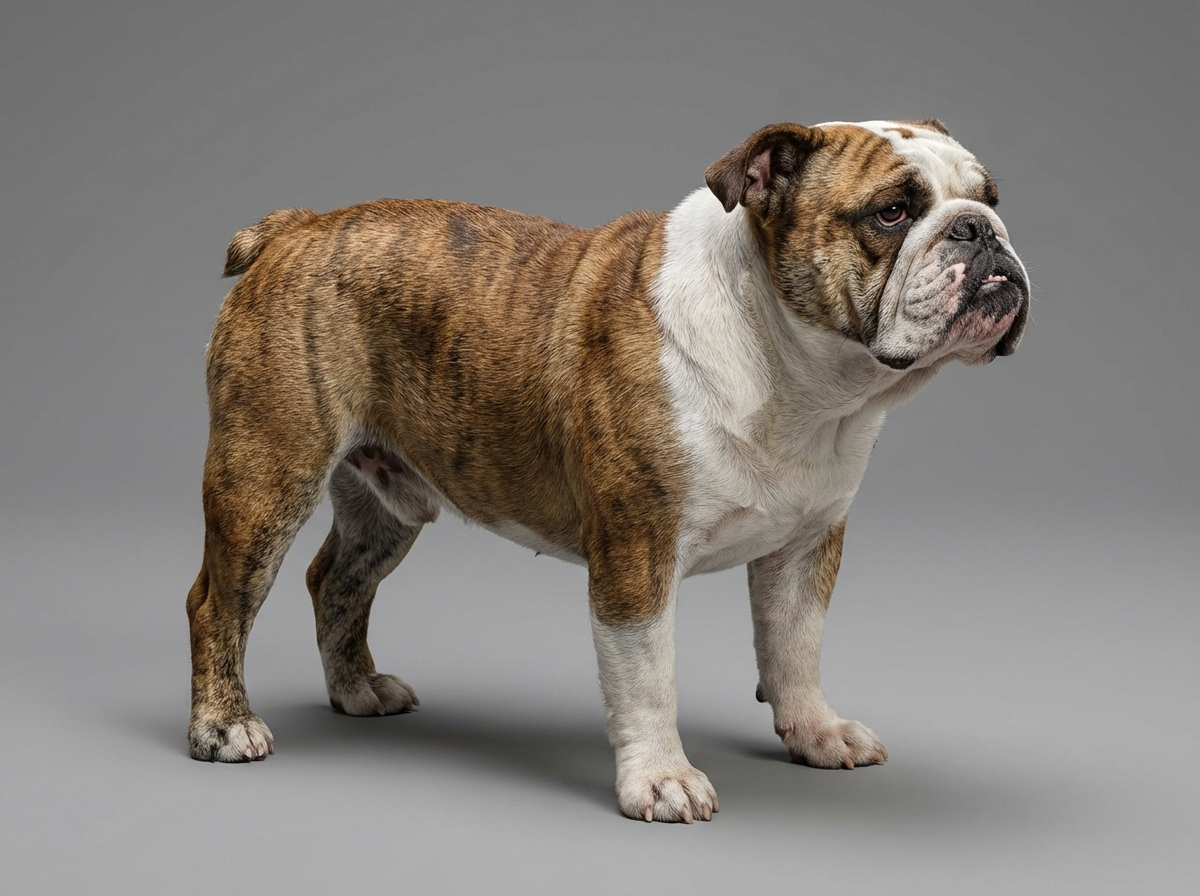
DogBreedCompass
← Back to breed profile

Understanding Bulldog (English) Intervertebral Disc Disease (IVDD)

Bulldog (English) intervertebral disc disease (IVDD) is a serious back condition that can affect your dog's mobility and quality of life.

Owners of Bulldogs often struggle with IVDD, especially those who live in urban settings where their dogs may not get enough exercise. First-time Bulldog owners may find it challenging to recognize the signs of this condition and how to address it.

Important reminder

This guide is not medical advice. If your dog shows pain, sudden behavior change, or worsening symptoms, consult a licensed veterinarian.

Some links may be affiliate links. We may earn a commission at no extra cost to you. We only suggest products we believe are helpful for dog owners.

What this problem looks like

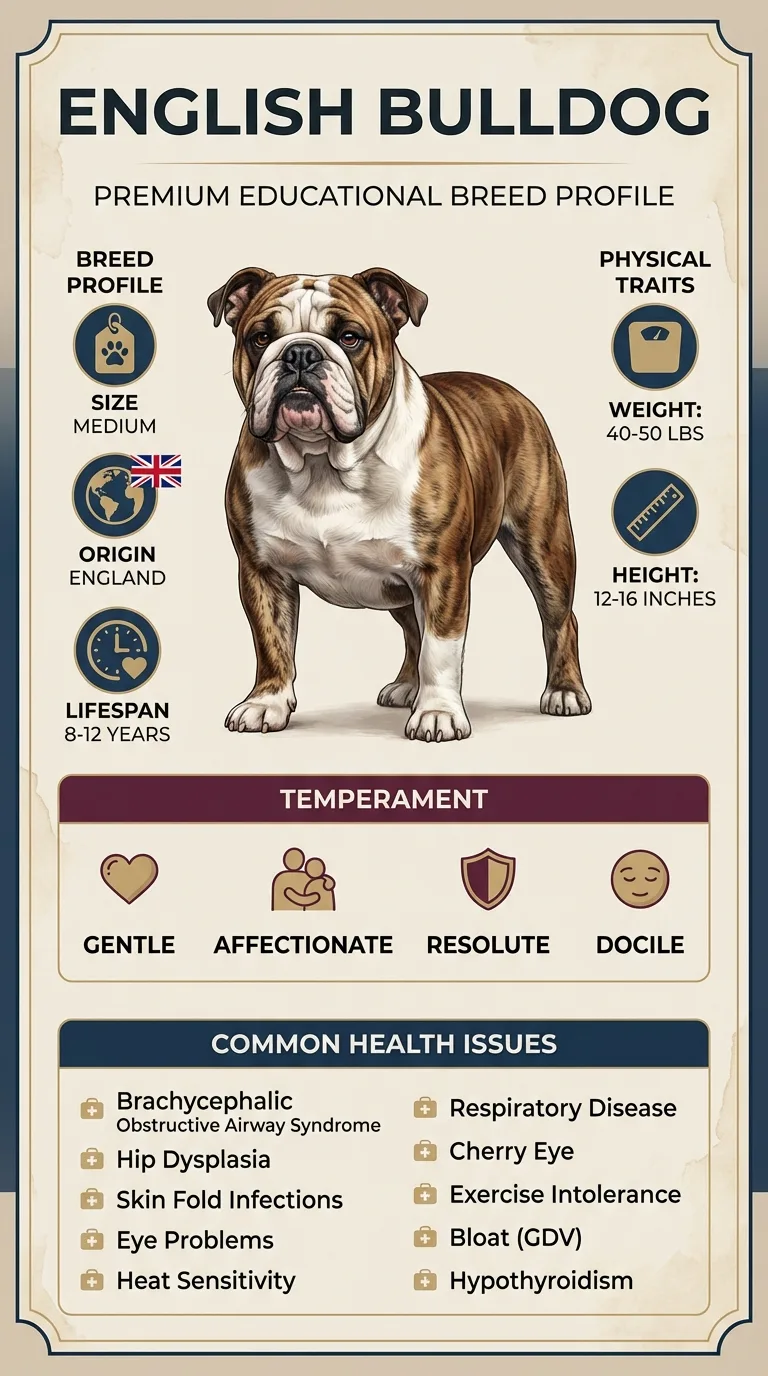
Bulldog (English) intervertebral disc disease (IVDD) is a serious condition that affects the spine. Day-to-day, it can manifest as pain, difficulty moving, or even paralysis in severe cases. Bulldogs are prone to this issue due to their unique body structure, which makes them more susceptible to spinal problems.

Common triggers

  • Obesity, which puts extra pressure on the spine
  • Injury from rough play or jumping
  • Age-related wear and tear on the spine
  • Genetic predisposition in Bulldogs

Intervertebral disc disease is relatively common in Bulldogs, especially as they age. Many Bulldogs will experience some form of back issue during their lifetime, making awareness and prevention crucial for owners.

Why this happens

Breed factors

Bulldogs are prone to intervertebral disc disease (IVDD) due to their unique body structure. Their short legs and stocky build can put extra strain on their spine. Additionally, their genetics may predispose them to spinal issues.

Environment factors

Environmental factors can also contribute to IVDD in Bulldogs. For instance, obesity can increase pressure on their spine. Lack of exercise may weaken their muscles, making it harder for their body to support their back.

What you can try

At-home strategies

  • Maintain a healthy weight for your Bulldog by providing a balanced diet and regular exercise. This helps reduce strain on their spine.
  • Create a safe environment by minimizing jumping and climbing, which can stress their back. Use ramps or pet stairs if needed.
  • Incorporate gentle stretching and low-impact activities into their routine. This can help strengthen their back muscles while being easy on their joints.

When to consider a trainer

If your Bulldog displays signs of discomfort or has difficulty moving, consider consulting a professional trainer. They can recommend specific exercises to support your dog's spine and overall health.

When to talk to your vet

If your Bulldog shows persistent pain, weakness in their legs, or difficulty walking, contact your vet immediately. They can assess the severity of the condition and recommend appropriate treatments, such as medication or surgery.

Realistic expectations

Recovery from Bulldog (English) intervertebral disc disease (IVDD) can take several weeks to months, depending on severity and treatment. Consistent care and follow-up with your vet are essential.

Success means your Bulldog regains mobility and comfort, showing less pain and the ability to resume daily activities. You'll notice improved movement and a happier demeanor.

Mistakes that make this worse

Avoiding these common mistakes can help manage your Bulldog's intervertebral disc disease (IVDD) more effectively.

  • Ignoring early signs of discomfort: Many owners overlook subtle signs of pain or discomfort. It's important to pay attention to changes in behavior, like reluctance to jump or play. Not addressing these signs early can lead to more serious issues.
  • Overexerting your Bulldog: Allowing your Bulldog to engage in high-impact activities can worsen IVDD. Instead, provide gentle exercise like short walks or low-impact play to keep them healthy without straining their back.
  • Neglecting weight management: Bulldogs are prone to obesity, which increases stress on their spine. Monitor their diet and ensure they maintain a healthy weight to help alleviate pressure on their discs.
  • Skipping vet check-ups: Some owners may avoid regular vet visits, thinking their Bulldog seems fine. Regular check-ups are crucial for early detection of health issues, including IVDD.
  • Using improper lifting techniques: Many owners lift their Bulldogs without proper support, which can exacerbate back problems. Always lift your Bulldog by supporting their back and hindquarters to avoid injury.
  • Failing to provide a comfortable resting area: Not having a soft, supportive bed can lead to further discomfort for your Bulldog. Ensure they have a cushioned space to rest and recover.
  • Ignoring prescribed treatments: Some owners may not follow through with medications or therapies prescribed by their veterinarian. Adhering to these recommendations is vital for managing IVDD effectively.

When Bulldog (English) Intervertebral Disc Disease (IVDD) is an Emergency

Intervertebral Disc Disease (IVDD) can be a serious condition for Bulldogs. It's crucial to know when to seek immediate veterinary help versus when to monitor your dog's condition at home. Red-flag signs include sudden paralysis, inability to walk, significant pain, or loss of bladder control.

If your Bulldog shows any of these symptoms, call your vet right away.

On the other hand, if your Bulldog is experiencing mild symptoms like slight stiffness, occasional yelping when jumping, or a decreased interest in play, you can observe and create a management plan. Ensure your dog gets plenty of rest, and limit activities that could strain their back. Keep an eye on their behavior and consult your vet if things don't improve within a few days.

Recognizing the difference between urgent and manageable cases can save your Bulldog from unnecessary pain and stress. Always trust your instincts; if you feel something is off, it's better to err on the side of caution and seek professional advice.

A Journey to Recovery: Max the Bulldog

Max, a three-year-old English Bulldog, started showing signs of discomfort and difficulty moving. After a vet visit, he was diagnosed with intervertebral disc disease (IVDD). His owner, Sarah, was overwhelmed but committed to following the vet's treatment plan, which included medication, physical therapy, and strict rest. Over the next few months, Max gradually improved and was back to his playful self, enjoying walks and playtime.

Key takeaway: Patience and consistent care are crucial when managing Bulldog (English) intervertebral disc disease (IVDD). With the right approach, recovery is possible.

Frequently asked questions

Why does my Bulldog (English) have intervertebral disc disease (IVDD)?

Bulldogs are prone to intervertebral disc disease (IVDD) due to their unique body structure. Their short legs and heavy bodies can put extra strain on their spines. Genetics and lack of exercise can also contribute to this condition. This answer relates to Bulldog (English) intervertebral disc disease (ivdd).

How can I stop my Bulldog (English) from developing IVDD?

To help prevent intervertebral disc disease in your Bulldog, maintain a healthy weight and ensure regular, low-impact exercise. Avoid letting them jump from heights, as this can stress their spine. Additionally, consider discussing preventive care with your vet.

What are the symptoms of IVDD in Bulldogs?

Symptoms of IVDD in Bulldogs can include difficulty walking, weakness in the legs, or even paralysis. You might notice your dog hesitating to jump or play. If you observe any of these signs, consult your veterinarian immediately.

What treatment options are available for Bulldogs with IVDD?

Treatment for Bulldogs with IVDD can range from rest and medication to surgery, depending on the severity. Anti-inflammatory medications can help manage pain, while surgery may be necessary for severe cases. Always consult your vet for the best course of action.

Can IVDD be managed through training?

Training can play a role in managing IVDD by promoting gentle exercises that strengthen your dog's muscles without stressing their spine. Techniques like controlled walking and swimming can be beneficial. Always follow your vet's guidance for specific training plans.

Is surgery always necessary for Bulldogs with IVDD?

Not all Bulldogs with IVDD require surgery. Many cases can be managed with medication and lifestyle changes. However, if your dog shows severe symptoms, surgical options may be discussed with your vet.

What are the signs that my Bulldog (English) might have intervertebral disc disease (IVDD)?

Common signs of intervertebral disc disease in Bulldogs include difficulty walking, reluctance to move, yelping when touched, or abnormal posture. If you notice any of these symptoms, it's important to consult your veterinarian for a thorough evaluation.

Can intervertebral disc disease (IVDD) occur in older Bulldogs?

Yes, older Bulldogs are more susceptible to intervertebral disc disease due to age-related degeneration of the spine. Regular vet check-ups can help monitor their spinal health and catch any issues early.

Is there a way to prevent intervertebral disc disease (IVDD) in Bulldogs?

While you can't completely prevent intervertebral disc disease, you can reduce the risk by maintaining a healthy weight, avoiding excessive jumping or rough play, and ensuring proper exercise. Consult your vet for tailored advice on keeping your Bulldog safe.

How is intervertebral disc disease (IVDD) in Bulldogs treated?

Treatment for intervertebral disc disease may include medications for pain relief, anti-inflammatories, and sometimes surgery in severe cases. Your veterinarian will recommend the best treatment plan based on your Bulldog's specific condition.

When should I seek emergency care for my Bulldog (English) with IVDD?

If your Bulldog experiences sudden paralysis, severe pain, or loss of bladder control, you should seek emergency veterinary care immediately. These symptoms may indicate a serious condition requiring prompt intervention.

Quick answers

View more answers
Behavior

What are quick tips for managing Bulldog (English) intervertebral disc disease (IVDD)?

Keep your Bulldog at a healthy weight and avoid high-impact activities. Regular, low-impact exercise can help strengthen their back. Consult your vet for tailored advice.

Living

How can I help my Bulldog (English) with IVDD feel more comfortable?

Provide a soft, supportive bed to ease pressure on their spine. Limit movements that could strain their back and create a calm environment to reduce stress.

Health

What should I watch for in my Bulldog (English) with IVDD?

Look for changes in mobility, such as difficulty walking or reluctance to jump. Watch for signs of pain or discomfort, and consult your vet if you notice any concerning symptoms.

Related DogBreedCompass guides

  • Bulldog (English) separation anxiety guideLearn how to manage your Bulldog's anxiety effectively.
  • Bulldog (English) behavior problemsUnderstand common behavior issues faced by Bulldogs and how to address them.
  • Bulldog (English) cost breakdownExplore the specific costs associated with owning a Bulldog.
  • Bulldog (English) intervertebral disc disease (ivdd) trainingFind effective training methods to help prevent IVDD in Bulldogs.
  • Common health problems in BulldogsDiscover the top health issues that can affect your Bulldog.

Related guides