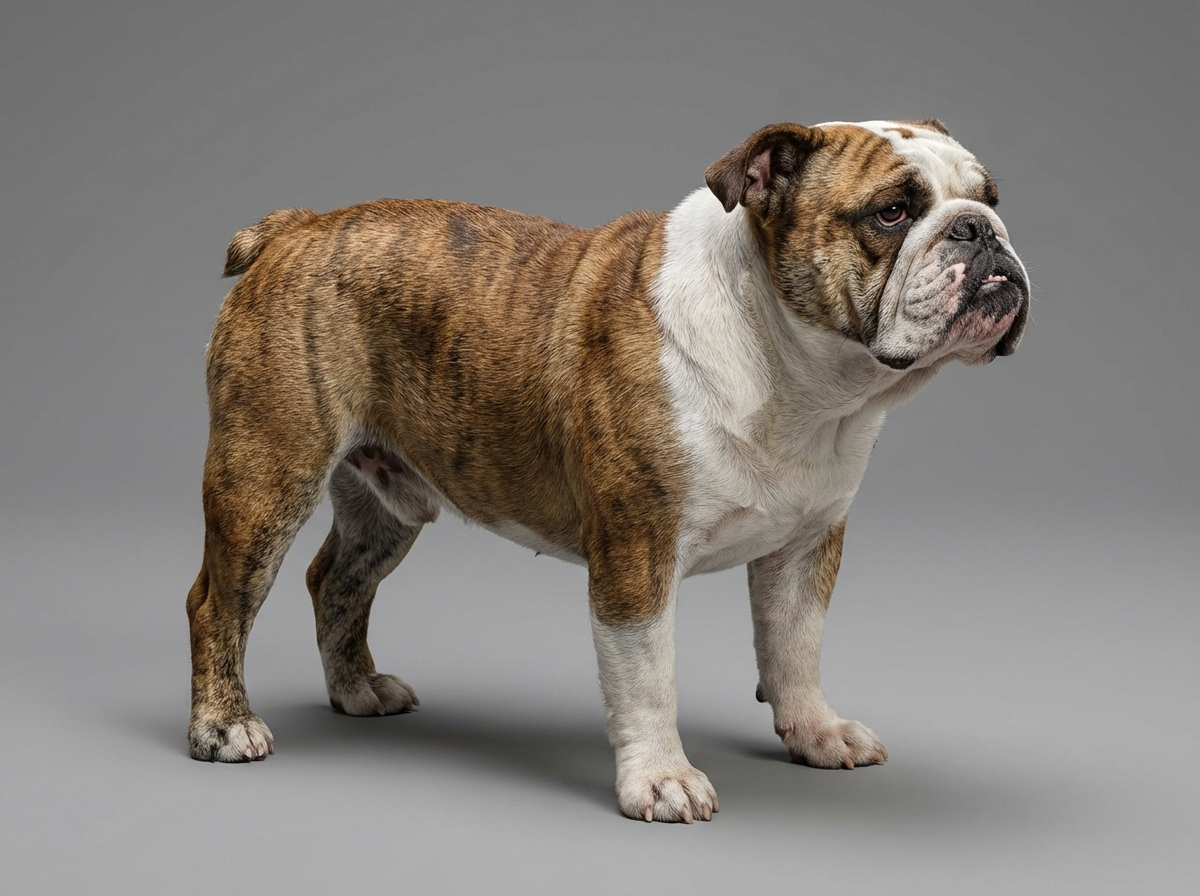
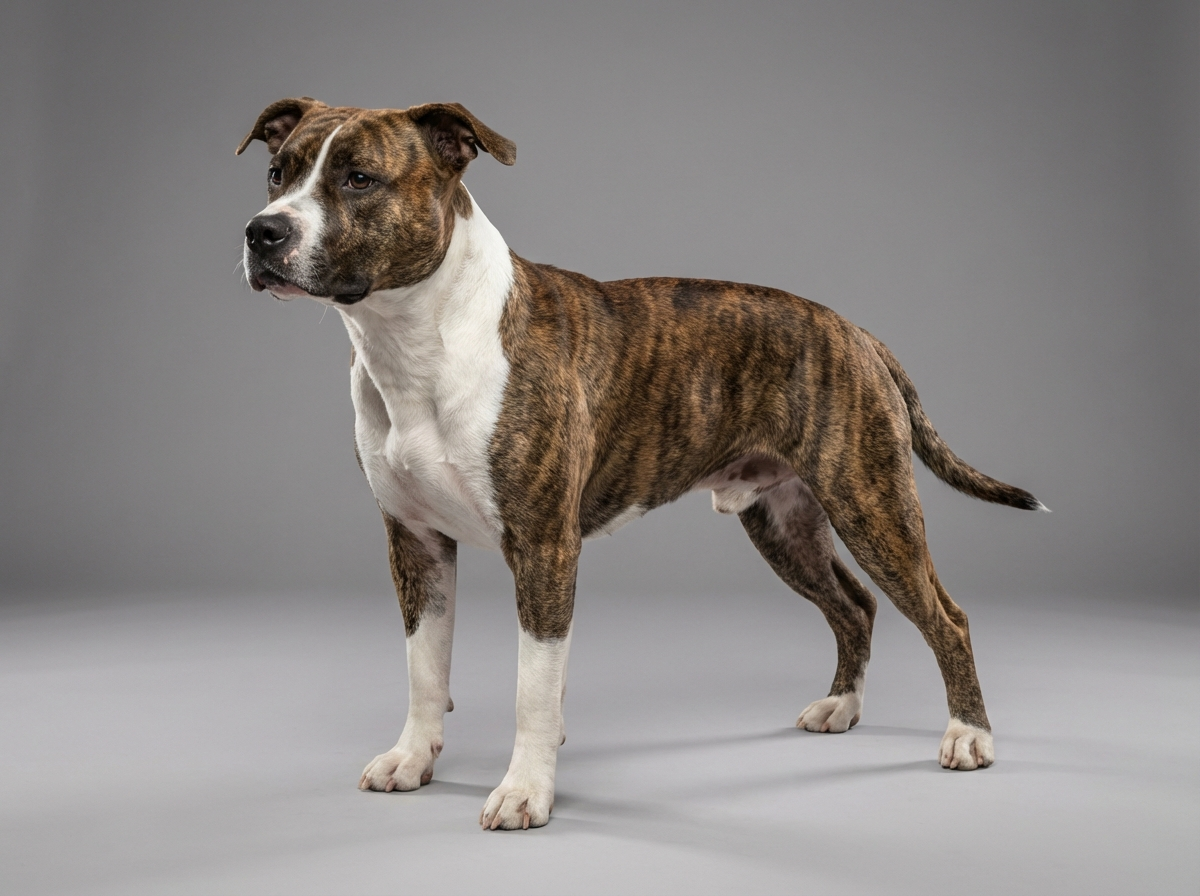
Behavior
What are Bulldog (English) hip dysplasia prevalence quick tips?
Keep your Bulldog at a healthy weight and engage in low-impact exercise to reduce stress on their joints.

Quick answer
What are Bulldog (English) hip dysplasia prevalence quick tips?
Keep your Bulldog at a healthy weight and engage in low-impact exercise to reduce stress on their joints.
Hip dysplasia is a common issue for Bulldogs, and it can affect their mobility and quality of life. Understanding this condition is crucial for responsible ownership. (Bulldog (English) hip dysplasia prevalence)
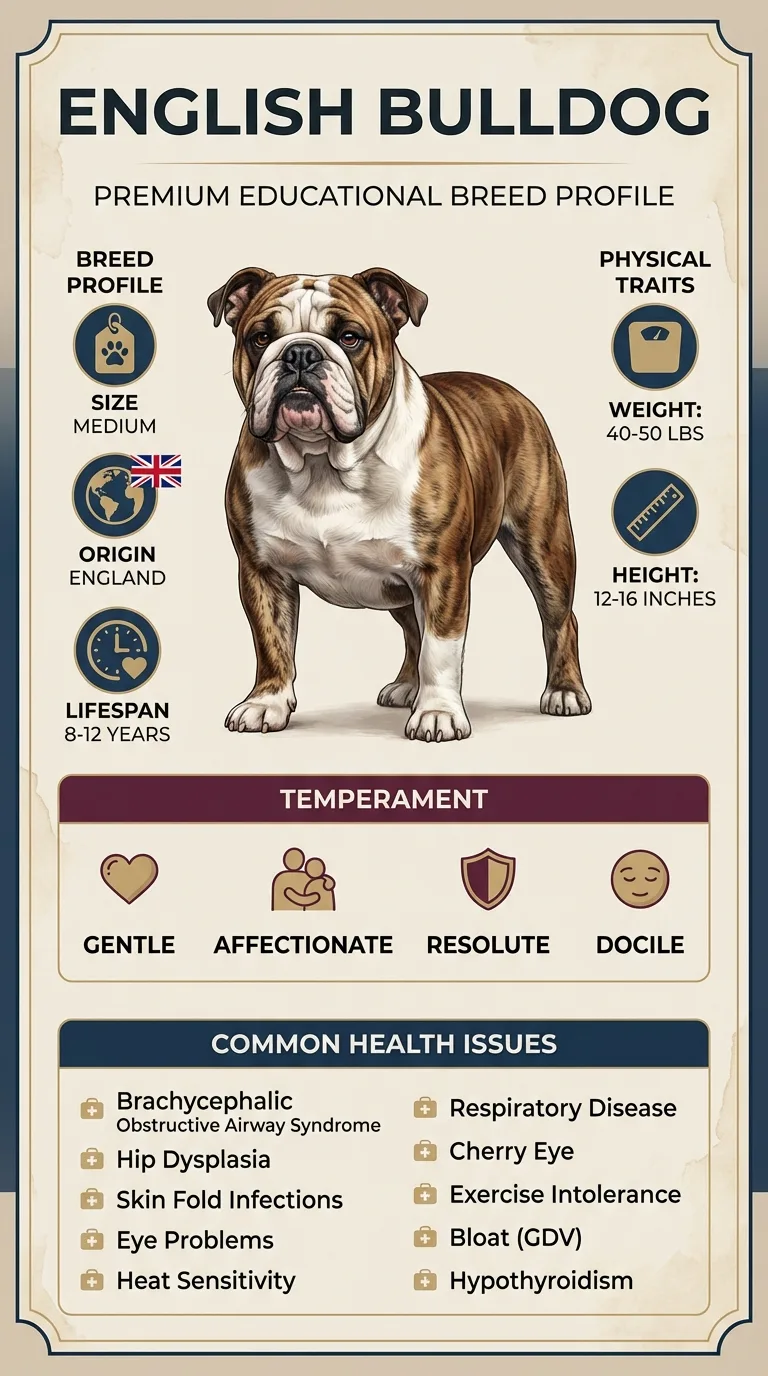
Owners of Bulldogs, particularly first-time pet parents and families, often struggle with managing this health concern. Many might not be aware of the prevalence of hip dysplasia or how to address it effectively.
This guide is not medical advice. If your dog shows pain, sudden behavior change, or worsening symptoms, consult a licensed veterinarian.
Some links may be affiliate links. We may earn a commission at no extra cost to you. We only suggest products we believe are helpful for dog owners.
We research and check what we publish, but we do not warrant that any figure, date, price, or statement is accurate, complete, or current, and we accept no liability for any loss, cost, injury, or other harm arising from the use of this site. Use it as one reference among several. You remain responsible for your own decisions and for your dog's care - confirm anything that matters with a licensed veterinarian or another qualified professional before you act on it. Full disclaimer.
Check this first
Knowing when Bulldog (English) hip dysplasia is an emergency can save your dog's life. Look out for specific signs that indicate immediate veterinary attention is needed. If your Bulldog shows sudden difficulty in walking, severe pain, or refuses to put weight on a leg, call your vet right away.
These symptoms can signal a serious issue that requires prompt treatment.
In contrast, if your Bulldog experiences mild limping, occasional stiffness, or seems less active than usual, monitor these symptoms closely. You might want to implement a plan that includes rest and gentle exercise. Regular check-ups can help assess any changes in your dog's condition over time.
Keeping a close eye on their behavior can help you decide when to seek further help.
Always trust your instincts as a pet owner. If something feels off with your Bulldog, don’t hesitate to contact your vet for advice. Your vet can guide you through the symptoms and help you determine the best course of action.
If any of these apply, call your vet or an emergency clinic now. The rest of this page is for the cases that are not an emergency.
Bulldog (English) hip dysplasia prevalence is a common concern for owners. This condition occurs when the hip joint doesn't fit properly into the hip socket, leading to arthritis and pain. Daily life for Bulldogs with hip dysplasia can involve difficulty in rising, walking, or climbing stairs, often resulting in a decrease in their activity levels.
Hip dysplasia is relatively common in Bulldogs, especially given their genetic predisposition. It's estimated that around 20-30% of Bulldogs may experience this condition to varying degrees, making it crucial for potential owners to be aware of its signs and management.
Bulldogs (English) are prone to hip dysplasia due to their genetic makeup. This breed has a stocky build and a unique skeletal structure, which can lead to misalignment in the hip joints. This condition is often inherited, making it more prevalent in Bulldogs than in other breeds.
The environment can also contribute to hip dysplasia. Factors such as excessive weight, lack of exercise, and poor nutrition can worsen the condition. Additionally, if puppies are allowed to engage in high-impact activities before their bodies are fully developed, it can increase the risk of hip problems.
If you notice signs of discomfort, such as limping or reluctance to move, it's essential to talk to your vet. They can assess the severity of hip dysplasia and recommend treatments or pain management strategies.
Several common behaviors can inadvertently worsen Bulldog (English) hip dysplasia prevalence. Here are some mistakes to avoid along with safer alternatives.
Start here: English Bulldog Most Common Genetic Disorders: Screening
See all Bulldog health problems, which breeds are prone to hip dysplasia prevalence, or the full Bulldog breed guide for temperament, exercise needs and ownership costs.
Addressing Bulldog (English) hip dysplasia prevalence can take several months of consistent effort, including care and vet visits.
Success looks like improved mobility and comfort for your Bulldog, along with a better understanding of their health needs and effective management strategies.
Emily adopted Max, her English Bulldog, thinking he would be a perfect fit for her small apartment. Soon, she noticed he struggled to get up after lying down and seemed reluctant to play. After a vet visit confirmed that Max had hip dysplasia, Emily felt overwhelmed. She started researching how to manage his condition and found a vet-recommended exercise plan. With regular low-impact activities and weight management, Max gradually showed improvement. Emily also learned how to recognize signs of discomfort, allowing her to better support him.
Key takeaway: Understanding and managing Bulldog (English) hip dysplasia prevalence requires commitment and education, but it can significantly enhance your dog's quality of life.
Bulldogs are prone to hip dysplasia due to their genetic makeup and physical structure. This condition can lead to discomfort and mobility issues, often caused by improper joint formation. Regular vet check-ups and attention to any signs of pain can help manage the issue. This answer relates to Bulldog (English) hip dysplasia prevalence.
While you can't completely prevent hip dysplasia, you can reduce the risk by maintaining a healthy weight, providing proper nutrition, and ensuring your Bulldog gets regular, moderate exercise. Avoid high-impact activities, especially in puppies, to protect their developing joints.
Common symptoms include limping, difficulty getting up, and reluctance to exercise. You may also notice your Bulldog struggling with stairs or showing signs of pain when touched around the hips. If you see these signs, consult your vet.
Treatment options vary from weight management and physical therapy to medications for pain relief. In severe cases, surgical options like hip replacement may be recommended. Always discuss with your vet to find the best plan for your Bulldog.
Training can help by promoting gentle exercise and maintaining your Bulldog’s weight. Focus on low-impact activities that don't strain their joints. A professional trainer familiar with Bulldogs can guide you on appropriate exercises.
Hip dysplasia is quite common in Bulldogs, affecting a significant percentage of the breed. Responsible breeding practices can help reduce these numbers, so consider adopting from reputable breeders who screen for this condition.
Signs of hip dysplasia in Bulldogs include difficulty getting up, reluctance to jump or run, and a noticeable decrease in activity. You might also notice a swaying gait or the dog favoring one leg over the other. If you see these signs, it’s a good idea to consult your vet.
While you might suspect hip dysplasia based on your Bulldog's behavior, a proper diagnosis can only be made by a veterinarian. They will typically perform a physical examination and may recommend X-rays to assess the hip joints. Skipping a professional evaluation could lead to incorrect self-diagnosis.
For older Bulldogs with hip dysplasia, weight management is crucial. Keeping them at a healthy weight reduces stress on their joints. Additionally, consider low-impact exercises and joint supplements, but always check with your vet before starting any new treatments.
Yes, some bloodlines of Bulldogs may have a higher prevalence of hip dysplasia due to genetic factors. If you're considering adopting a Bulldog, it's wise to ask the breeder about the health history of the puppy's parents and any screening they’ve done for hip issues.
Keep your Bulldog at a healthy weight and engage in low-impact exercise to reduce stress on their joints.
Bulldogs should have regular vet visits at least once a year to monitor their hip health and overall well-being.
Not always. Many Bulldogs manage with weight control and medication, but severe cases may require surgery.
Yes, training focused on gentle exercises can help strengthen muscles around the joints without causing strain.
Look for limping, decreased activity, and difficulty rising or climbing stairs as common signs of hip dysplasia.
A one-page prep sheet for this condition: the signs, the questions to ask, what to get priced. Unlocks here.
You get: Vet visit prep sheet
No spam. One-click unsubscribe. See our privacy policy.
Preview page 1 before you decide.