Health
What are Bulldog (English) genetic load quick tips?
Focus on regular vet check-ups, maintain a healthy weight, and provide a balanced diet to manage your Bulldog's genetic load.

Quick answer
What are Bulldog (English) genetic load quick tips?
Focus on regular vet check-ups, maintain a healthy weight, and provide a balanced diet to manage your Bulldog's genetic load.
The Bulldog (English) genetic load refers to a high concentration of harmful genetic variants that can affect your dog's health.
Typical owners who struggle with this issue include first-time Bulldog (English) owners and those who may not be aware of the breed's genetic predispositions. Families looking for a gentle companion may be surprised by the health challenges that come with this beloved breed.
This guide is not medical advice. If your dog shows pain, sudden behavior change, or worsening symptoms, consult a licensed veterinarian.
Some links may be affiliate links. We may earn a commission at no extra cost to you. We only suggest products we believe are helpful for dog owners.
We research and check what we publish, but we do not warrant that any figure, date, price, or statement is accurate, complete, or current, and we accept no liability for any loss, cost, injury, or other harm arising from the use of this site. Use it as one reference among several. You remain responsible for your own decisions and for your dog's care - confirm anything that matters with a licensed veterinarian or another qualified professional before you act on it. Full disclaimer.
Check this first
You should seek immediate veterinary assistance if you notice any of these red-flag signs: - Severe breathing difficulties, such as gasping or wheezing. - Sudden lethargy or unresponsiveness, especially if it's unusual for your Bulldog. - Signs of extreme pain, such as whining, panting, or reluctance to move.
- Vomiting or diarrhea that persists for more than a few hours. - Any severe swelling of the abdomen, which could indicate bloat.
These symptoms require prompt action to prevent serious health complications. On the other hand, if your Bulldog shows mild signs of discomfort, you might be able to monitor the situation: - Occasional coughing or sneezing that isn’t persistent. - Slight changes in appetite or energy level that last only a day.
- Minor skin irritations or infections, which can usually be treated with at-home care.
If you notice any mild symptoms, keep a close eye on your Bulldog. Document any changes and consult your vet if they worsen or don’t improve. Remember, it’s always better to err on the side of caution.
If in doubt, don’t hesitate to reach out to your veterinarian for advice.
If any of these apply, call your vet or an emergency clinic now. The rest of this page is for the cases that are not an emergency.
The Bulldog (English) genetic load refers to the presence of harmful genetic variants that can lead to various health issues. Day-to-day, this might manifest as frequent vet visits, breathing difficulties, or skin problems. Owners may notice their Bulldogs struggling with exercise or experiencing unusual lethargy.
Unfortunately, genetic load is quite common in Bulldogs (English). This breed has one of the highest concentrations of harmful genetic variants, which can result in serious health concerns throughout their lives.
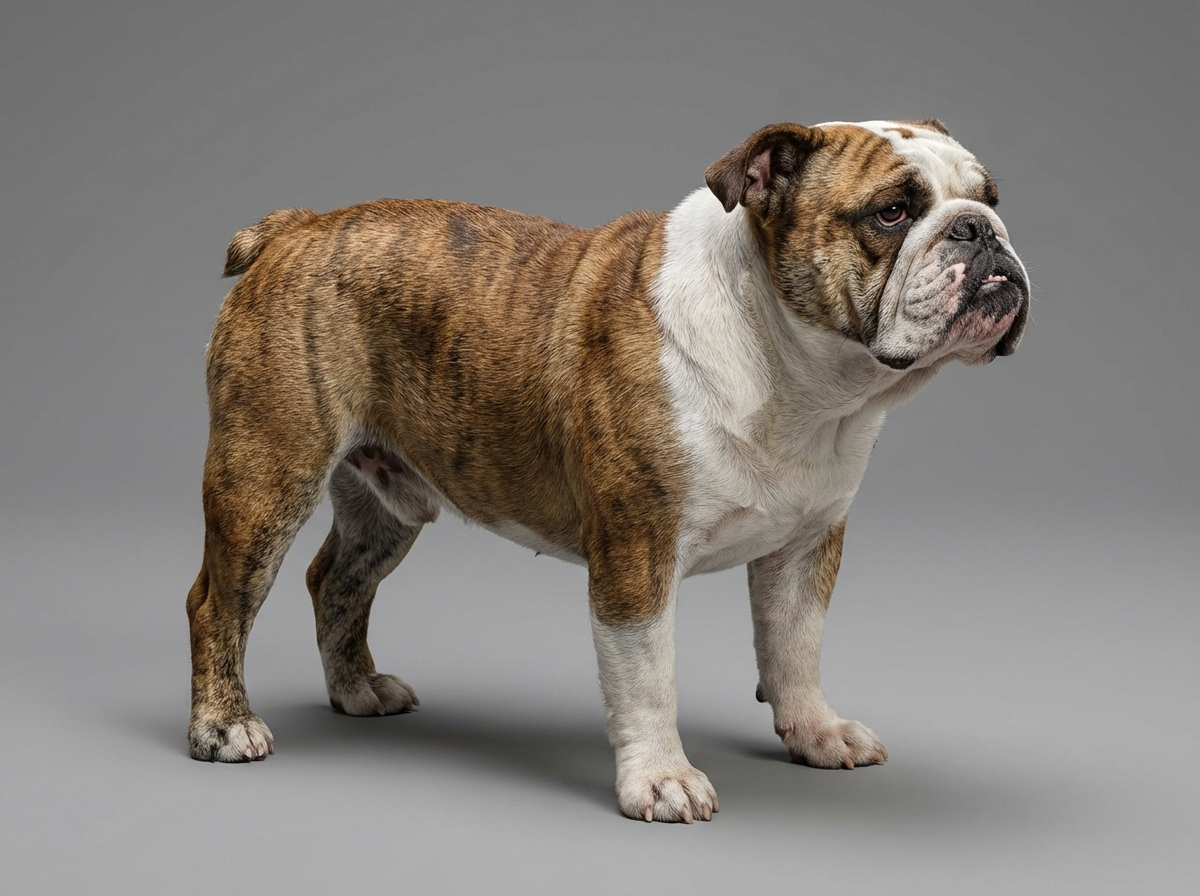
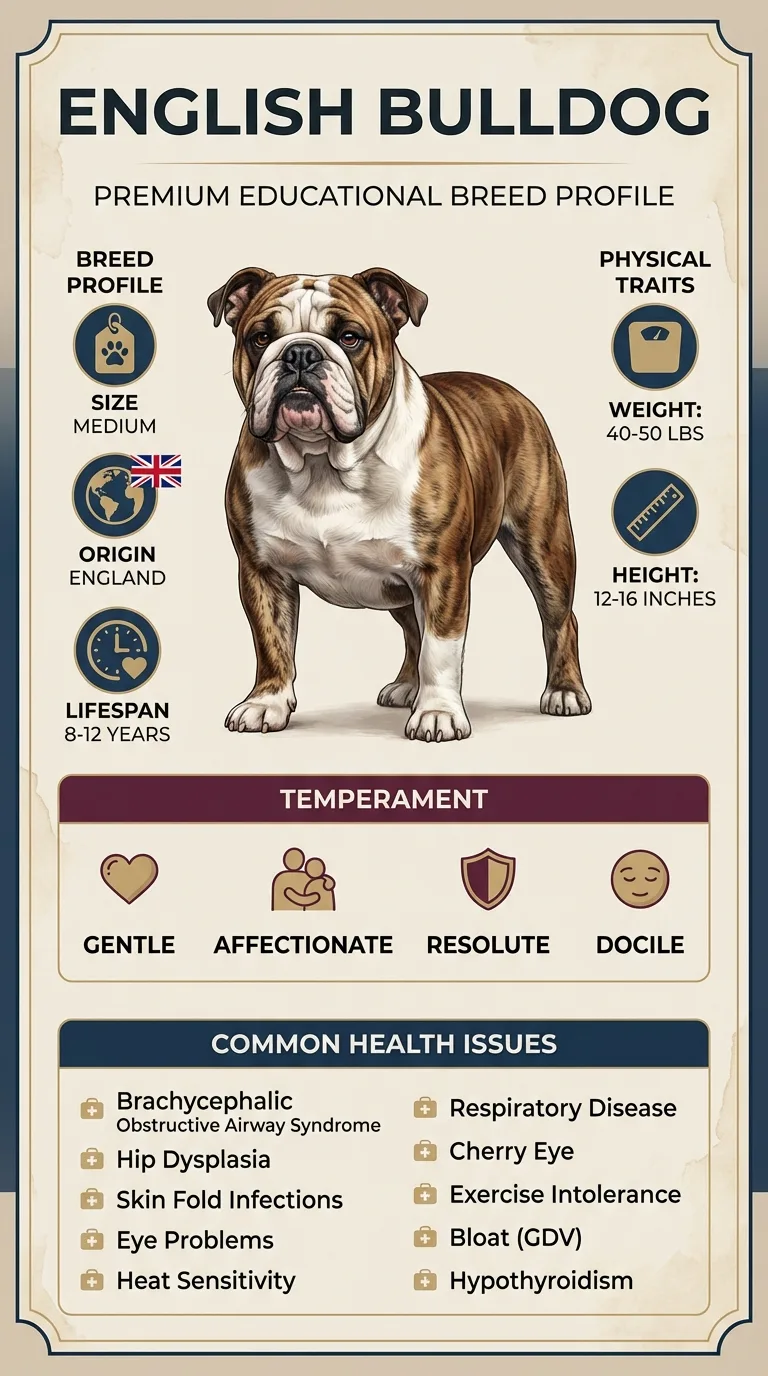
The Bulldog (English) is prone to a range of genetic health issues due to its unique physical traits. These include a short nose, heavy build, and skin folds, which can lead to conditions like Brachycephalic Obstructive Airway Syndrome and hip dysplasia. These inherited traits can significantly impact their overall health and quality of life.
Environmental factors also play a role in the Bulldog's genetic load. Poor nutrition, lack of exercise, and exposure to extreme temperatures can exacerbate inherited health problems. For instance, Bulldogs are sensitive to heat, which can worsen respiratory issues, making a supportive environment crucial for their health.
Consult your vet if you notice any unusual symptoms, such as persistent coughing, difficulty breathing, or sudden changes in behavior. Regular check-ups are essential for Bulldogs due to their predisposition to health issues.
Avoiding these common mistakes can help manage your Bulldog's genetic load effectively.
Start here: English Bulldog Most Common Genetic Disorders: Screening
See all Bulldog health problems, which breeds are prone to genetic load, or the full Bulldog breed guide for temperament, exercise needs and ownership costs.
You can start seeing improvements in your Bulldog's health within 3 to 6 months of adopting a targeted care routine.
Success means your Bulldog shows fewer health issues related to genetic load, enjoys a higher quality of life, and has more energy and playfulness.
When Sarah adopted her English Bulldog, Max, she quickly noticed he was often lethargic and had difficulty breathing. After researching, she learned about the genetic load issues common in Bulldogs. Determined to help Max, Sarah worked with a vet to create a tailored care plan, focusing on diet, regular vet check-ups, and gentle exercise. Over several months, Max's energy improved, and he became more playful and active, with fewer health issues. Sarah felt relieved and grateful to see her dog thriving.
Key takeaway: With informed care and dedication, Bulldogs can overcome the challenges of genetic load and lead happier, healthier lives.
Bulldogs (English) have a high genetic load due to selective breeding practices that prioritize appearance over health. This can lead to inherited health issues related to their unique physical traits. Understanding this can help you make informed decisions about their care and management.
To manage your Bulldog's genetic load, regular vet check-ups are essential. Focus on preventive care, like maintaining a healthy weight and monitoring for common health issues like hip dysplasia and breathing problems. Early intervention can make a significant difference in their quality of life.
Common health issues linked to the Bulldog's genetic load include brachycephalic obstructive airway syndrome, hip dysplasia, and skin fold infections. Being aware of these can help you identify symptoms early and seek veterinary assistance promptly.
Yes, training can play a vital role in managing behavior problems related to genetic load. Positive reinforcement techniques can help your Bulldog develop better coping mechanisms and reduce anxiety, especially in stressful situations.
Implementing regular exercise, a balanced diet, and maintaining a comfortable living environment can help reduce health risks. Avoiding extreme temperatures is crucial, as Bulldogs are heat-sensitive. Regular vet visits for health screenings are also recommended.
A high-quality diet with balanced nutrients can support your Bulldog's overall health. Consult with your veterinarian to find a diet tailored to any specific health issues your Bulldog may have. This can help mitigate some impacts of their genetic load.
If you notice any health issues or behavioral changes in your Bulldog (English), consult a vet. They can perform tests to identify specific genetic conditions and suggest appropriate management strategies.
Training can help mitigate some behavioral issues associated with genetic load. Positive reinforcement techniques and consistent routines often work well for Bulldogs (English) to foster good behavior and reduce anxiety.
Yes, older Bulldogs (English) may exhibit more pronounced symptoms of genetic load as they age. Regular vet check-ups become even more crucial to monitor their health and address any emerging issues.
Warning signs of genetic load in Bulldogs (English) include breathing difficulties, skin infections, and reduced energy levels. Observing these symptoms early can lead to timely interventions.
Improving your Bulldog's (English) quality of life may involve a balanced diet, regular vet visits, and tailored exercise routines. Engaging them mentally and physically can also help mitigate some of the challenges associated with genetic load.
Focus on regular vet check-ups, maintain a healthy weight, and provide a balanced diet to manage your Bulldog's genetic load.
Look for signs like difficulty breathing, lethargy, or unusual behavior, and consult your vet if you notice anything concerning.
Positive reinforcement training is effective for Bulldogs, helping them learn commands and manage anxiety related to their genetic load.
Managing health issues related to Bulldog (English) genetic load can cost between $150 and $350 monthly, depending on the severity of the problems.
Yes, Bulldogs are generally well-suited for apartment living due to their moderate exercise needs and friendly temperament.
A one-page prep sheet for this condition: the signs, the questions to ask, what to get priced. Unlocks here.
You get: Vet visit prep sheet
No spam. One-click unsubscribe. See our privacy policy.
Preview page 1 before you decide.