DogBreedCompass
← Back to breed profile

Understanding Bulldog (English) Gastrointestinal Disorders

Bulldogs are prone to gastrointestinal disorders, which can significantly impact their health and happiness. These issues can lead to discomfort and serious health risks if not addressed. (Bulldog (English) gastrointestinal disorders)

Typical owners who face these problems often include first-time Bulldog parents or busy families who may overlook subtle signs of distress. They might notice their Bulldogs experiencing digestive issues that can affect their energy and overall well-being.

Important reminder

This guide is not medical advice. If your dog shows pain, sudden behavior change, or worsening symptoms, consult a licensed veterinarian.

Some links may be affiliate links. We may earn a commission at no extra cost to you. We only suggest products we believe are helpful for dog owners.

What this problem looks like

Bulldogs (English) often face gastrointestinal disorders, which can be a daily struggle for them and their owners. Symptoms like vomiting, diarrhea, and lethargy can occur, often leading to stress and confusion. Since Bulldogs have a unique body structure, they can be particularly sensitive to dietary changes and overfeeding, making it crucial to monitor their food intake closely.

Common triggers

  • Dietary changes or low-quality food
  • Overeating or eating too quickly
  • Stress or changes in routine
  • Certain medications or health conditions

Gastrointestinal disorders are relatively common in Bulldogs, affecting many of them during their lifetime. These issues can vary in severity, making it essential for owners to be vigilant and proactive in managing their dog's health.

Why this happens

Breed factors

Bulldogs (English) are prone to certain gastrointestinal disorders due to their unique anatomy and breed characteristics. Their flat faces can lead to breathing issues, which may affect their eating habits and digestion. Additionally, Bulldogs have higher instances of conditions like acid reflux and inflammatory bowel disease because of their genetic predisposition.

Environment factors

Environmental factors also play a significant role in gastrointestinal disorders. Stressful situations, dietary changes, or low-quality food can trigger digestive issues in Bulldogs. Furthermore, their sensitivity to heat can lead to decreased appetite and hydration, impacting their gastrointestinal health.

What you can try

At-home strategies

  • Ensure a consistent feeding schedule with high-quality dog food that suits your Bulldog's needs.
  • Introduce new foods gradually to avoid upsetting their stomach.
  • Monitor your Bulldog's weight and adjust portions accordingly to prevent obesity, which can exacerbate gastrointestinal issues.
  • Provide a calm environment during mealtimes to reduce stress.
  • Consider adding probiotics to their diet to support digestive health.

When to consider a trainer

If your Bulldog shows signs of anxiety or stress-related gastrointestinal issues, consulting a trainer can help address behavioral problems. A trainer can guide you through techniques to create a more relaxed feeding environment.

When to talk to your vet

If your Bulldog experiences persistent vomiting, diarrhea, or weight loss, it's time to consult a vet. These symptoms could indicate a more serious condition that requires medical intervention. Regular check-ups can also help monitor any underlying issues.

Realistic expectations

You may start seeing improvements within a few weeks of implementing changes, but it can take several months to fully manage Bulldog (English) gastrointestinal disorders.

Success means your Bulldog experiences fewer digestive upset episodes, improved appetite, and overall better gut health.

Mistakes that make this worse

Avoiding these common mistakes can help manage your Bulldog's gastrointestinal disorders more effectively.

  • Ignoring symptoms
  • Feeding inappropriate foods
  • Overfeeding
  • Inconsistent feeding schedule
  • Neglecting hydration
  • Skipping vet visits

When Bulldog (English) Gastrointestinal Disorders Are an Emergency

Recognizing when your Bulldog's gastrointestinal disorders are an emergency can save their life. If you notice any of the following red-flag signs, call your vet immediately:

- Severe vomiting or diarrhea lasting more than 24 hours. - Blood in vomit or stool. - Signs of lethargy or weakness.

- Distended abdomen or signs of pain when touched. - Rapid breathing or difficulty breathing.

These symptoms can indicate serious conditions like bloat or intestinal obstruction, which require urgent veterinary care. However, not all gastrointestinal issues require immediate attention. Mild cases can often be managed at home with careful observation and planning.

If your Bulldog has occasional mild vomiting or diarrhea but is still eating, drinking, and playing normally, you might not need to rush to the vet. In these cases, monitor their behavior closely and consider these steps:

- Keep them hydrated with plenty of fresh water. - Provide a bland diet of boiled chicken and rice for a couple of days. - Gradually reintroduce their regular food once their symptoms improve.

It's crucial to create a plan with your vet for managing mild gastrointestinal disorders. Regular check-ups can help prevent severe issues. Remember, when in doubt, it's always better to err on the side of caution and consult your vet.

Emily and Max's Journey to Digestive Health

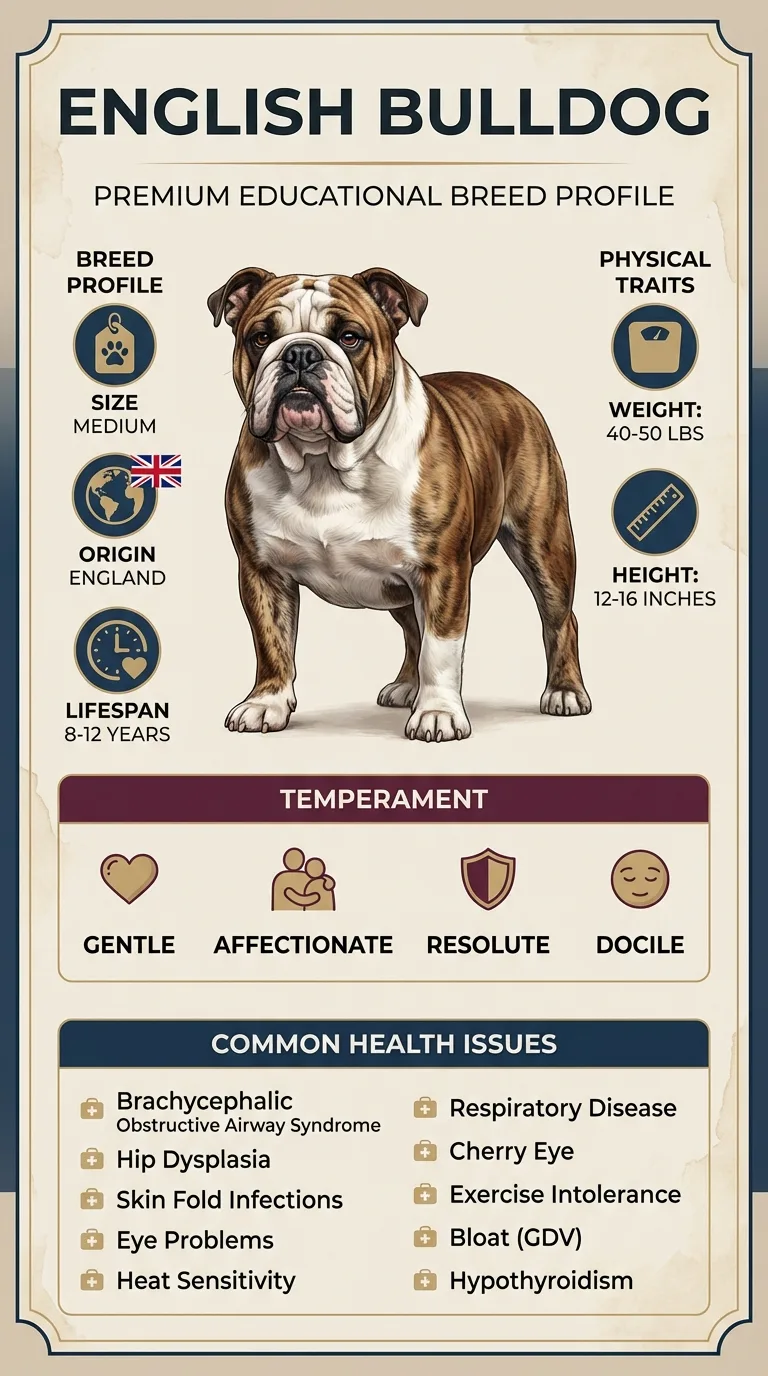
Emily, a busy nurse in Seattle, adopted Max, her English Bulldog, who constantly suffered from gastrointestinal issues. After multiple vet visits, she learned Max had inflammatory bowel disease, which required a specialized diet and consistent feeding schedule. With patience and commitment, Emily adjusted Max's meals, introduced probiotics, and kept a close eye on his symptoms. Over the course of three months, she noticed a significant reduction in his digestive problems, and Max became much livelier and happier.

Key takeaway: With the right diet and consistent care, you can effectively manage Bulldog (English) gastrointestinal disorders and improve your dog's quality of life.

Frequently asked questions

Why does my Bulldog (English) have gastrointestinal disorders?

Bulldogs (English) can suffer from gastrointestinal disorders due to their unique anatomy and health predispositions. Common causes include food intolerance, allergies, or underlying health issues like inflammatory bowel disease. Regular vet check-ups can help identify the specific cause.

How can I stop my Bulldog (English) gastrointestinal disorders?

To address gastrointestinal disorders in Bulldogs (English), start by consulting your vet for a proper diagnosis. A diet change to easily digestible food may help, along with medications if needed. Keeping their feeding schedule consistent and avoiding table scraps can also prevent flare-ups.

What are the signs of gastrointestinal disorders in Bulldogs (English)?

Signs may include vomiting, diarrhea, weight loss, or a change in appetite. You might also notice excessive gas or bloating. If you observe these symptoms consistently, it's important to seek veterinary advice.

Is there a specific diet for Bulldogs (English) with gastrointestinal issues?

Yes, a diet low in fat and high in fiber can be beneficial for Bulldogs (English) with gastrointestinal disorders. Your vet may recommend specific prescription diets or limited ingredient foods tailored to sensitive stomachs. Always transition to new food gradually to avoid upset.

Can stress cause gastrointestinal disorders in Bulldogs (English)?

Absolutely! Stress can exacerbate gastrointestinal issues in Bulldogs (English). Changes in routine, loud noises, or separation anxiety can lead to digestive upset, so it's vital to create a calm environment for your dog.

What are common signs of gastrointestinal disorders in Bulldogs?

Common signs of gastrointestinal disorders in Bulldogs include vomiting, diarrhea, bloating, and loss of appetite. You may also notice your Bulldog straining to defecate or showing signs of discomfort after eating. If you observe any of these symptoms, it's essential to monitor your dog's behavior closely.

Can diet changes help with my Bulldog's gastrointestinal disorders?

Yes, diet changes can often help manage gastrointestinal disorders in Bulldogs. Switching to a high-quality, easily digestible food may reduce symptoms. Always consult your vet before making significant dietary changes to ensure it's suitable for your Bulldog's specific condition.

When should I take my Bulldog to the vet for gastrointestinal issues?

You should take your Bulldog to the vet if gastrointestinal symptoms persist for more than 24 hours, if your dog appears lethargic, or if you notice any blood in vomit or stool. Timely veterinary care is crucial to address potential underlying health issues.

Are Bulldogs more prone to certain gastrointestinal disorders?

Yes, Bulldogs are more prone to specific gastrointestinal disorders, such as inflammatory bowel disease and bloat. Their unique anatomy and breed characteristics can contribute to these issues. Regular check-ups with a vet can help monitor their health and catch any problems early.

Can stress cause gastrointestinal disorders in Bulldogs?

Absolutely, stress can lead to gastrointestinal disorders in Bulldogs. Changes in routine, new environments, or separation anxiety can trigger digestive issues. Ensuring a stable and comforting environment for your Bulldog can help reduce stress-related gastrointestinal problems.

Quick answers

View more answers
Behavior

What are quick tips for Bulldog (English) gastrointestinal disorders?

Ensure a consistent feeding schedule and avoid sudden diet changes. Gradually introduce any new food and monitor for allergies or intolerances. Regular vet check-ups are essential for early detection.

Health

How can I manage my Bulldog (English) during gastrointestinal flare-ups?

During flare-ups, keep your Bulldog (English) hydrated and offer bland foods like boiled chicken and rice. Avoid treats that could upset their stomach further.

Health

What should I do if my Bulldog (English) vomits frequently?

If your Bulldog (English) vomits more than once or shows other symptoms, consult your vet immediately. Frequent vomiting can lead to dehydration and indicates a serious issue.

Related DogBreedCompass guides

  • Bulldog (English) behavior problemsLearn more about common health issues that Bulldogs face.
  • Bulldog (English) cost breakdownUnderstand the costs associated with owning a Bulldog.
  • how to stop Bulldog (English) gastrointestinal disordersGet tips on how to stop Bulldog (English) gastrointestinal disorders.
  • Bulldog (English) separation anxiety guideFind out how to help Bulldogs with separation anxiety.
  • Bulldog (English) gastrointestinal disorders trainingExplore the impact of gastrointestinal disorders on Bulldogs.

Related guides