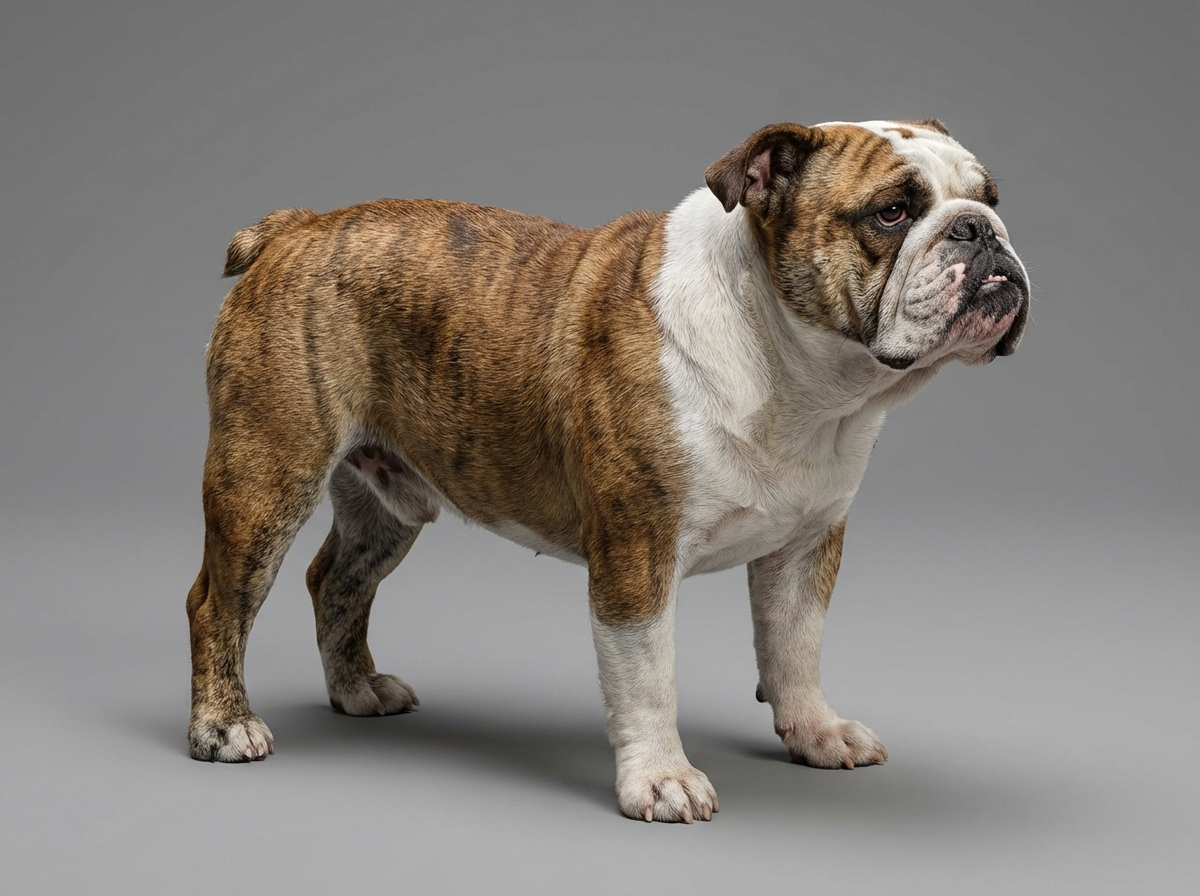
Behavior
What are Bulldog (English) degenerative myelopathy (DM) quick tips?
Focus on low-impact exercise, monitor their weight, and consider physical therapy to maintain mobility. Consult your vet for a tailored care plan.

Quick answer
What are Bulldog (English) degenerative myelopathy (DM) quick tips?
Focus on low-impact exercise, monitor their weight, and consider physical therapy to maintain mobility. Consult your vet for a tailored care plan.
Bulldog (English) degenerative myelopathy (DM) is a serious condition that affects your dog's mobility and quality of life. Understanding this progressive spinal cord disease is crucial for Bulldog owners.
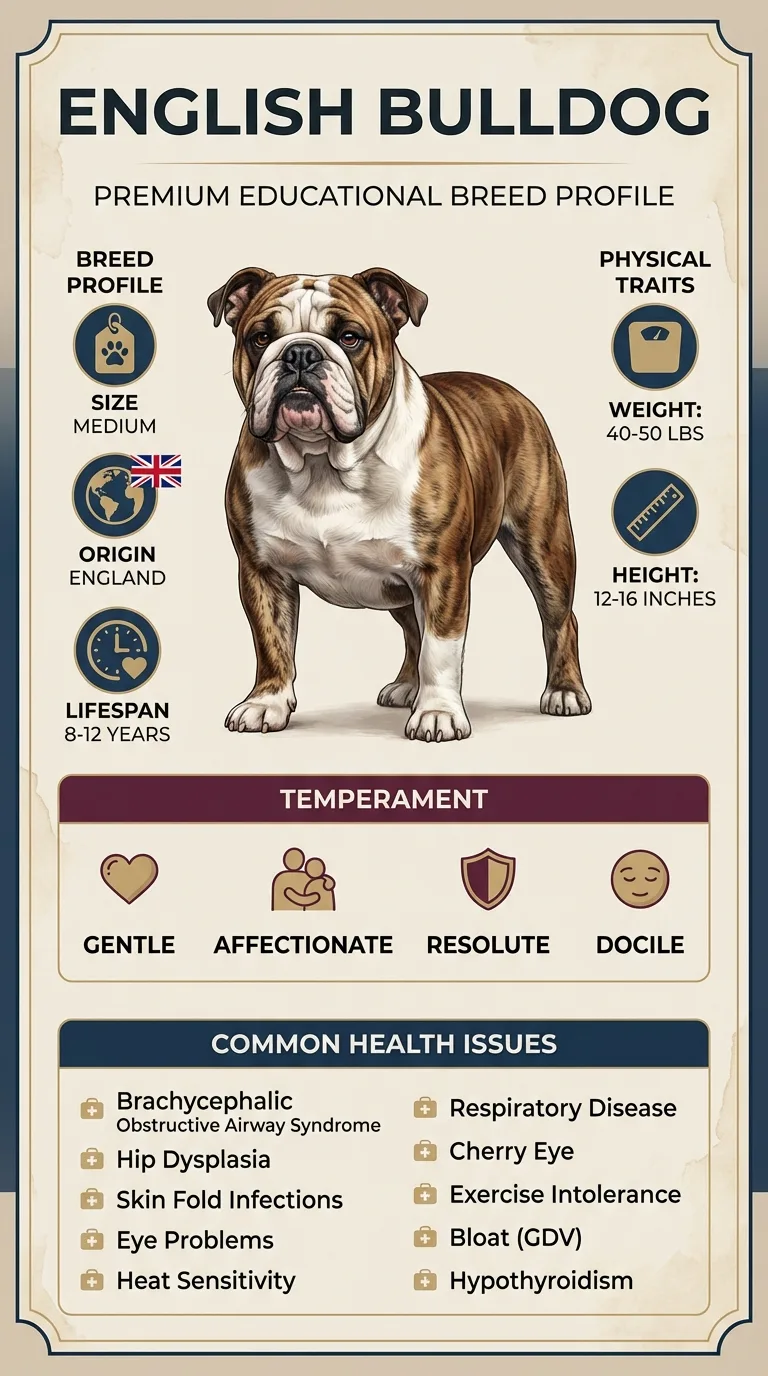
Owners of Bulldogs experiencing symptoms of DM often feel anxious and overwhelmed. This includes families who are dedicated to their dog's well-being but may not know how to handle the progression of this disease. It's especially challenging for first-time dog owners or those without experience in managing chronic health issues.
This guide is not medical advice. If your dog shows pain, sudden behavior change, or worsening symptoms, consult a licensed veterinarian.
Some links may be affiliate links. We may earn a commission at no extra cost to you. We only suggest products we believe are helpful for dog owners.
We research and check what we publish, but we do not warrant that any figure, date, price, or statement is accurate, complete, or current, and we accept no liability for any loss, cost, injury, or other harm arising from the use of this site. Use it as one reference among several. You remain responsible for your own decisions and for your dog's care - confirm anything that matters with a licensed veterinarian or another qualified professional before you act on it. Full disclaimer.
Check this first
Degenerative myelopathy (DM) can escalate quickly, making it crucial to recognize emergency signs. If your Bulldog shows sudden inability to walk, severe weakness in the hind legs, or loss of bladder control, you must call your vet immediately. Other red flags include severe pain, notable behavioral changes, or if they seem unable to stand.
If any of these apply, call your vet or an emergency clinic now. The rest of this page is for the cases that are not an emergency.
Bulldog (English) degenerative myelopathy (DM) is a progressive spinal cord disease that primarily affects older dogs. Day-to-day, you might notice your Bulldog struggling with coordination or having difficulty standing up. This can lead to falls, dragging of the back legs, and a noticeable decline in physical activity, impacting their overall quality of life.
Degenerative myelopathy is relatively common in Bulldogs, especially as they age. Approximately 10-15% of Bulldogs may be affected by this condition during their lifetime, making it a significant health concern for owners.
Bulldogs are prone to degenerative myelopathy (DM) due to their genetic predisposition. This condition affects the spinal cord and is more common in medium-sized breeds like Bulldogs. Additionally, Bulldogs have a shorter lifespan which can contribute to the onset of DM at an earlier age.
Environmental factors can also play a role in the development of DM. Lack of exercise or obesity can exacerbate mobility issues. A stressful environment or poor nutrition may lead to additional health complications that can worsen this condition.
If you suspect your Bulldog has degenerative myelopathy or notice significant mobility decline, it’s crucial to speak with a veterinarian. They can provide a proper diagnosis and suggest possible treatments or management strategies.
Here are some common mistakes Bulldog owners make that can worsen degenerative myelopathy (DM). Avoiding these can help support your dog's health and comfort.
Start here: English Bulldog Most Common Genetic Disorders: Screening
See all Bulldog health problems, which breeds are prone to degenerative myelopathy dm, or the full Bulldog breed guide for temperament, exercise needs and ownership costs.
Managing Bulldog (English) degenerative myelopathy (DM) can take time. Expect gradual changes over several months as your dog adapts to new routines and therapies.
Success means maintaining your dog's quality of life. This can include improved mobility through physical therapy and using assistive devices like harnesses or wheelchairs.
Lily, a first-time dog owner, was heartbroken when Max, her English Bulldog, was diagnosed with degenerative myelopathy (DM). At first, she felt overwhelmed and unsure how to help him. After doing research and reaching out to a vet, she started a routine with physical therapy exercises and invested in a supportive harness. Over time, she noticed Max adapting and still enjoying his daily walks, albeit at a slower pace. The bond between them grew stronger as they navigated this challenge together.
Key takeaway: With patience and the right support, you can help your Bulldog manage degenerative myelopathy (DM) while still enjoying life.
Degenerative myelopathy (DM) is a progressive spinal cord disease often seen in Bulldogs due to genetic factors. It typically affects older dogs and is linked to a mutation in the SOD1 gene. If your Bulldog shows symptoms like weakness in the hind legs, consult your vet for a proper diagnosis.
While there is no cure for DM, you can help your Bulldog maintain mobility and comfort. Regular low-impact exercises, physical therapy, and using assistive devices like harnesses can make a difference. Always consult your vet for tailored advice.
Degenerative myelopathy (DM) itself is not considered painful, but the loss of mobility can lead to secondary issues like pressure sores or joint pain. Watching for signs of discomfort and providing supportive care is essential.
Early signs of DM may include wobbly back legs, difficulty getting up, or dragging paws. You might also notice changes in your Bulldog's gait. If you observe these symptoms, seek veterinary advice as soon as possible.
Unfortunately, there is no way to stop the progression of degenerative myelopathy (DM). However, managing your Bulldog's overall health through a balanced diet, maintaining a healthy weight, and promoting gentle exercise can help slow down the progression.
Early signs of Bulldogs (English) with degenerative myelopathy (DM) can include a change in gait, such as dragging their back feet or difficulty standing up. You may also notice a decrease in coordination or an unusual wobbling when they walk. If you observe these symptoms, it's important to consult your vet for a proper assessment.
While degenerative myelopathy (DM) can't be cured, it can be managed through supportive care in older Bulldogs. This may include physical therapy, assistive devices like harnesses, and modifications to their living space to enhance their mobility. Regular vet check-ups are crucial to monitor their condition.
Degenerative myelopathy (DM) can significantly impact a Bulldog's quality of life as it progresses. As mobility decreases, Bulldogs may require assistance with daily activities. Owners can help maintain their quality of life through adaptations, like providing a comfortable resting area and ensuring they still enjoy social interactions.
If your Bulldog shows signs of degenerative myelopathy (DM), the first step is to consult your veterinarian. They can confirm the diagnosis and recommend a care plan tailored to your dog's needs. It's essential to stay informed about the condition and explore options to support your Bulldog's well-being.
Yes, there is a genetic test available for degenerative myelopathy (DM) in Bulldogs (English). This test can identify carriers of the gene associated with the disease. If you're considering breeding, genetic testing can help you make informed decisions to reduce the risk of passing the condition to future puppies.
Focus on low-impact exercise, monitor their weight, and consider physical therapy to maintain mobility. Consult your vet for a tailored care plan.
Use supportive harnesses for walking, create a comfortable resting area, and maintain regular vet check-ups for health monitoring.
Monthly costs can range from $150 to $350, considering vet visits, medications, and supportive care needs.
Yes, they can still enjoy walks but keep them short and manageable. Use assistive devices if necessary to help them along.
Schedule a vet appointment as soon as possible to discuss symptoms and explore management options. Early intervention can help.
A one-page prep sheet for this condition: the signs, the questions to ask, what to get priced. Unlocks here.
You get: Vet visit prep sheet
No spam. One-click unsubscribe. See our privacy policy.
Preview page 1 before you decide.