Behavior
What are quick tips for managing wobbler syndrome?
Keep your Brussels Griffon at a healthy weight and limit high-impact activities. Regular vet check-ups are essential for managing their condition.

Quick answer
What are quick tips for managing wobbler syndrome?
Keep your Brussels Griffon at a healthy weight and limit high-impact activities. Regular vet check-ups are essential for managing their condition.
Brussels Griffon wobbler syndrome can significantly affect your dog's mobility and comfort. This neurological issue leads to wobbling and instability, which can be distressing for both you and your pup.
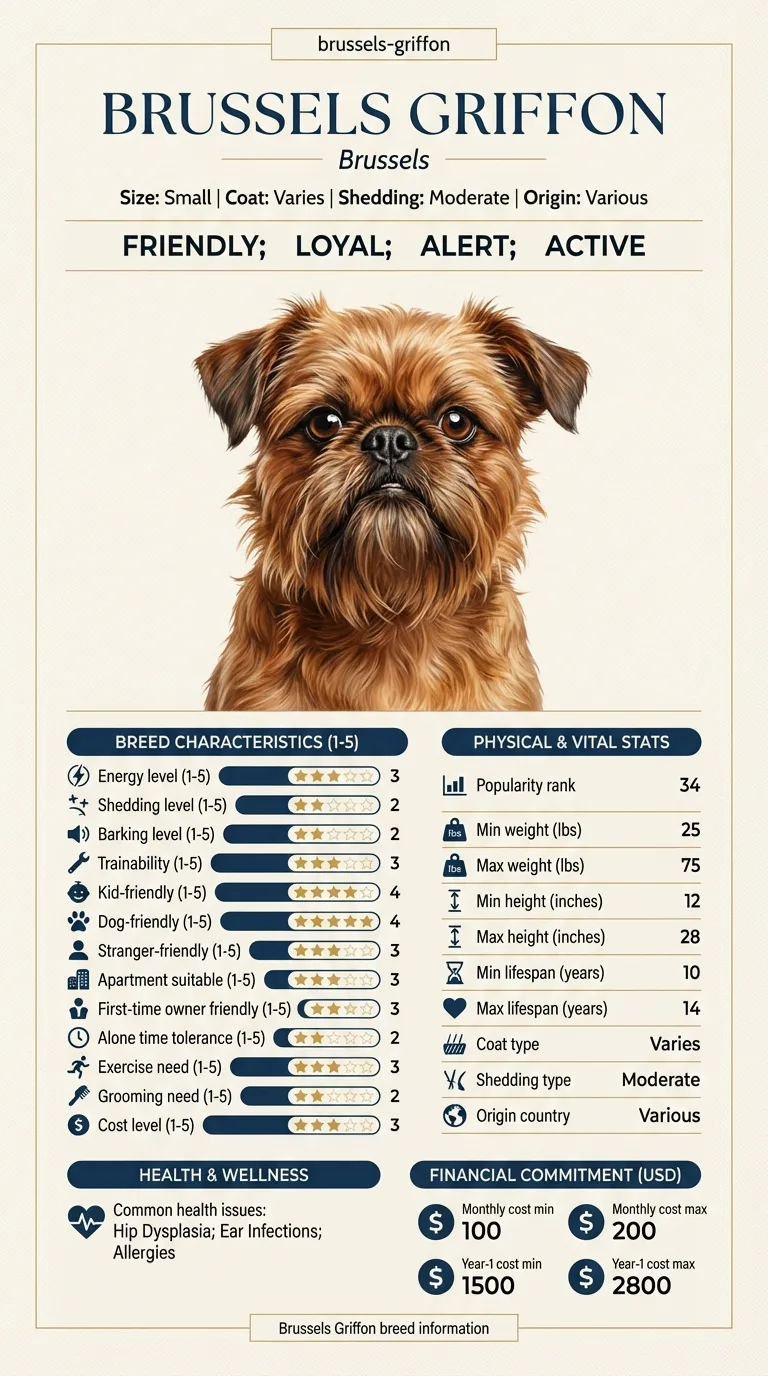
Typically, owners of Brussels Griffons who notice unusual wobbling or weakness in their pets struggle with this issue. First-time dog owners may find it particularly challenging, as they might not recognize the warning signs or know how to address them effectively.
This guide is not medical advice. If your dog shows pain, sudden behavior change, or worsening symptoms, consult a licensed veterinarian.
Some links may be affiliate links. We may earn a commission at no extra cost to you. We only suggest products we believe are helpful for dog owners.
We research and check what we publish, but we do not warrant that any figure, date, price, or statement is accurate, complete, or current, and we accept no liability for any loss, cost, injury, or other harm arising from the use of this site. Use it as one reference among several. You remain responsible for your own decisions and for your dog's care - confirm anything that matters with a licensed veterinarian or another qualified professional before you act on it. Full disclaimer.
Check this first
Knowing when Brussels Griffon wobbler syndrome is an emergency can make all the difference for your pup. If your dog is experiencing severe symptoms, it's crucial to act quickly. Look out for the following red-flag signs that mean you should call your vet immediately:
- Severe staggering or inability to walk: If your dog can't stand up or falls over frequently, this is a serious concern. - Sudden weakness in the legs: Weakness that comes on suddenly can indicate a severe issue. - Loss of coordination: If your dog seems confused or has trouble controlling its movements, this requires urgent attention. - Pain or discomfort: If your dog is vocalizing in pain or showing signs of discomfort, you should seek help right away. - Lethargy or unresponsiveness: If your pup is unusually tired or doesn’t respond to you, it’s time to call your vet.
For less severe cases, you can monitor your dog's condition. Here are some symptoms that can often be managed with a plan:
- Mild wobbling: If your dog occasionally wobbles but can walk and play normally, keep an eye on it. - Occasional stiffness: If it seems stiff after exercise but improves with rest, you may not need immediate help. - Light tremors: If the tremors are infrequent and your dog is otherwise active and happy, you can monitor the situation. - Gradual decline in activity: If your dog is slowing down over time but still enjoys walks or play, consider a vet visit to discuss symptoms.
In these mild cases, regular check-ins with your vet can help determine the best management plan for your Brussels. Always prioritize your dog's well-being, and when in doubt, don’t hesitate to reach out to your veterinarian for guidance.
If any of these apply, call your vet or an emergency clinic now. The rest of this page is for the cases that are not an emergency.
Brussels Griffon wobbler syndrome is a serious condition affecting their mobility. It causes symptoms like a wobbly gait, difficulty walking, and neck pain. Owners may notice their dog having trouble jumping or playing, leading to frustration for both pet and owner.
Wobbler syndrome is moderately common in Brussels Griffons. Many owners report seeing symptoms, especially in older dogs. It's crucial to monitor your pet for any signs of difficulty moving.
Brussels Griffons may inherit wobbler syndrome due to their small size and genetic predisposition. Their neck structure can make them more prone to cervical vertebral instability. This breed's playful and active nature sometimes leads to injuries that can exacerbate the condition.
Environmental factors like lack of proper exercise or unsafe play areas can contribute to wobbler syndrome. If your Brussels Griffon engages in rough play or jumps from heights, it can worsen the instability. Additionally, obesity can place extra stress on their neck, increasing the risk of this syndrome.
If you notice persistent wobbling, difficulty walking, or signs of pain, consult your vet immediately. They can provide a proper diagnosis and suggest treatment options, which may include medication or changes in activity.
Avoiding certain mistakes can help alleviate the symptoms of Brussels Griffon wobbler syndrome. Here are some common pitfalls to watch out for.
Start here: Brussels Griffon Most Common Genetic Disorders: Screening
See all Brussels Griffon health problems, which breeds are prone to wobbler syndrome, or the full Brussels Griffon breed guide for temperament, exercise needs and ownership costs.
You can expect to see improvements in your Brussels Griffon's symptoms within 2 to 6 months of consistent care and follow-up with your vet.
Success means your dog shows reduced wobbling and improved mobility, allowing them to move more comfortably and confidently in their environment.
Sarah, a busy teacher in a small town, noticed her Brussels Griffon, Max, started wobbling and struggling to walk properly. Concerned, she consulted her vet and learned that Max had wobbler syndrome. With a tailored training plan that included physical therapy and gradual exercise, Sarah committed to daily sessions. Over time, Max became more stable on his feet, and Sarah found joy in their newfound walks together, feeling relieved to see him happier and more active.
Key takeaway: With dedication and the right support, you can significantly improve your Brussels Griffon's quality of life despite wobbler syndrome.
Brussels Griffon wobbler syndrome is a condition where cervical vertebral instability affects the dog's ability to walk steadily. It can lead to wobbling, weakness in the limbs, and sometimes pain. Early diagnosis and treatment are crucial for managing symptoms.
To manage Brussels Griffon wobbler syndrome, focus on gentle exercise and weight management. Avoid activities that put strain on their neck, like jumping or running on hard surfaces. Regular veterinary check-ups are essential for monitoring their condition.
Treatment options for Brussels Griffon wobbler syndrome may include medication for pain relief, physical therapy, or surgery in severe cases. Your vet will guide you to the best approach based on your dog's specific situation.
Brussels Griffon wobbler syndrome training should focus on building stability and strength. Simple commands and low-impact activities can help improve coordination. Always follow your vet's recommendations on exercise and training techniques.
Yes, wobbler syndrome can have a hereditary component. If you're considering breeding your Brussels Griffon, consult with a veterinarian to discuss the risks and genetic testing options.
Making sure your Brussels Griffon has a comfortable living space, regular vet visits, and a balanced diet can help manage wobbler syndrome. Also, providing a safe environment free of hazards will help prevent further injury.
Common signs of Brussels Griffon wobbler syndrome include unsteady walking, difficulty maintaining balance, and a noticeable wobble in their gait. You might also see weakness in their front legs or changes in their behavior that suggest discomfort.
Yes, wobbler syndrome tends to be more prevalent in older Brussels Griffons, as their vertebrae may degenerate over time. However, younger dogs can also be affected, especially if they have a genetic predisposition.
To help your Brussels Griffon, create a safe environment with non-slip surfaces and avoid stairs. Regular, gentle exercise can also maintain their strength, but consult your vet for tailored activities.
If your Brussels Griffon shows signs of wobbling or unsteady movement, it's important to see a vet promptly. Early diagnosis can help manage the condition and prevent further complications.
While training won't cure wobbler syndrome, it can help your dog learn to navigate their environment better. Focus on positive reinforcement techniques to encourage safe movement and build their confidence.
Keep your Brussels Griffon at a healthy weight and limit high-impact activities. Regular vet check-ups are essential for managing their condition.
Treatment for Brussels Griffon wobbler syndrome can range from $500 to $7,000 depending on the severity and type of treatment needed.
Yes, physical therapy can strengthen muscles and improve coordination in dogs with wobbler syndrome. Consult your vet for a tailored plan.
If your Brussels Griffon is wobbling or showing weakness, contact your veterinarian immediately for a thorough examination.
Surgery may be necessary for severe cases of Brussels Griffon wobbler syndrome. Your vet will help you understand your options based on your dog's condition.
A one-page prep sheet for this condition: the signs, the questions to ask, what to get priced. Unlocks here.
You get: Vet visit prep sheet
No spam. One-click unsubscribe. See our privacy policy.
Preview page 1 before you decide.