DogBreedCompass
← Back to breed profile

Brussels Griffon Cruciate Ligament Injuries: What You Need to Know

Brussels Griffon cruciate ligament injuries can be a serious concern for owners. These knee ligament ruptures can lead to pain and mobility issues for your dog.

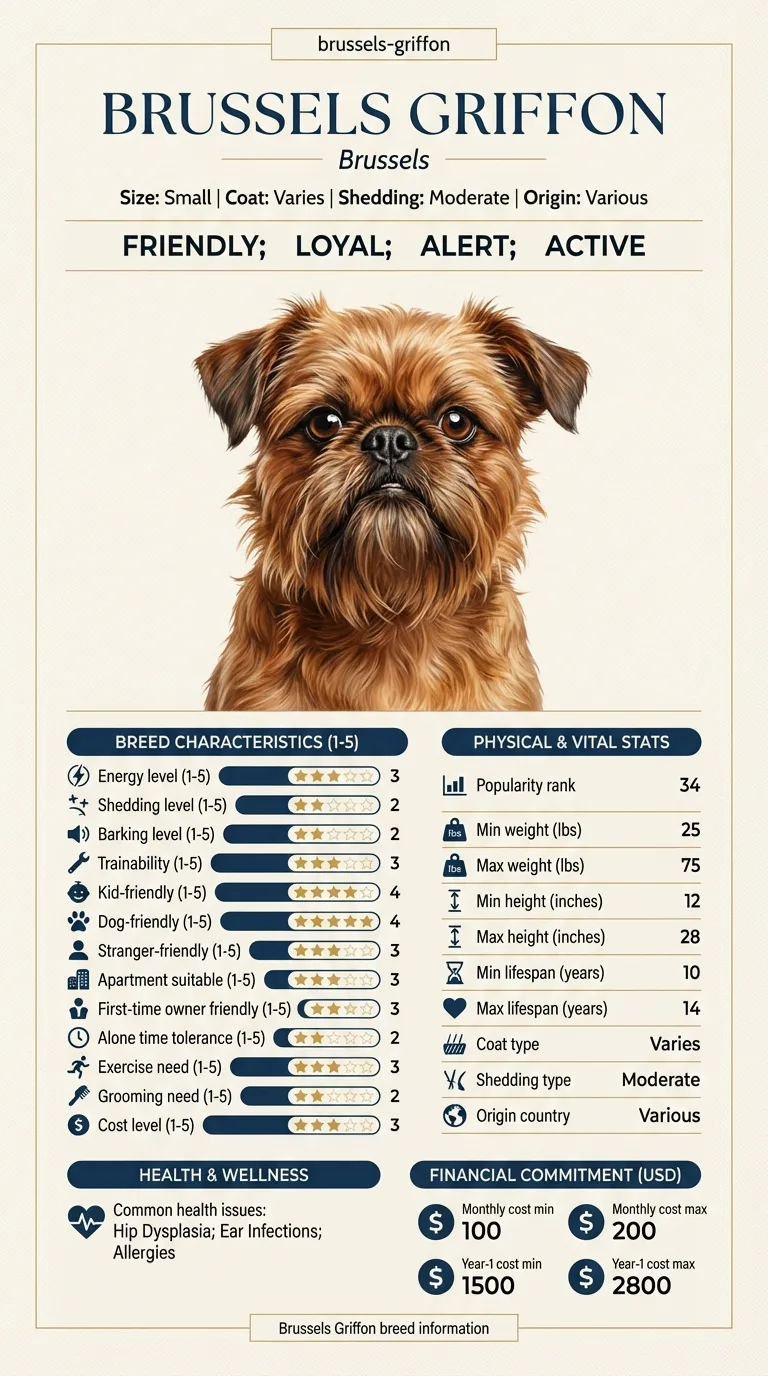
Brussels Griffon Cruciate Ligament Injuries: What You Need to Know infographic

This issue often affects owners of active Brussels Griffons, especially those who engage in high-energy play or live in environments that require frequent jumping or running.

Important reminder

This guide is not medical advice. If your dog shows pain, sudden behavior change, or worsening symptoms, consult a licensed veterinarian.

Some links may be affiliate links. We may earn a commission at no extra cost to you. We only suggest products we believe are helpful for dog owners.

What this problem looks like

Brussels Griffon cruciate ligament injuries are common issues that can affect your pup's mobility and overall health. These injuries typically manifest as limping, difficulty in walking, or reluctance to play. If you notice your Brussels struggling to stand or favoring one leg, it could be a sign of a cruciate ligament injury.

Common triggers

  • Overweight: Excess weight puts extra stress on the knees.
  • High-impact activities: Jumping or sudden stops can strain ligaments.
  • Aging: Older dogs may have weaker ligaments, making them more prone to injuries.
  • Poorly managed exercise: Inadequate warm-up or cool-down during playtime.

Cruciate ligament injuries are relatively common in Brussels Griffons, especially in those with a higher energy level. Many owners report these injuries, particularly in overweight or older dogs, making awareness and preventive measures crucial.

Why this happens

Breed factors

Brussels Griffons, being a small breed, can be prone to cruciate ligament injuries due to their body structure. Their relatively short legs and compact build make them more susceptible to knee issues. Additionally, their energetic nature means they may engage in activities that put stress on their joints.

Environment factors

Environmental factors can also contribute to cruciate ligament injuries. Slippery floors, uneven surfaces, and lack of proper exercise can increase the risk. Additionally, if a Brussels Griffon is overweight, it puts extra pressure on their knees, making injuries more likely.

What you can try

At-home strategies

  • Ensure your home has non-slip flooring or use rugs to prevent slips.
  • Limit high-impact activities like jumping or running on hard surfaces.
  • Maintain a healthy weight through a balanced diet and regular exercise tailored to their energy level.
  • Incorporate gentle stretching and flexibility exercises to strengthen their leg muscles.

When to consider a trainer

If your Brussels Griffon shows signs of instability or difficulty moving, consider hiring a professional trainer. They can help design a safe exercise plan and teach commands that minimize stress on your dog's knees. A trainer can also provide tips for managing energy levels, especially in active pups.

When to talk to your vet

If your Brussels Griffon has persistent limping, swelling, or pain in their legs, it's crucial to consult your vet. They can assess the injury and recommend appropriate treatments, which may include physical therapy or surgery. Early intervention can prevent further damage and improve your dog's quality of life.

Realistic expectations

Recovery from Brussels Griffon cruciate ligament injuries can take anywhere from a few weeks to several months, depending on the severity of the injury and the treatment approach. Regular follow-ups with your vet will help ensure progress and adjust the plan as needed.

Success means your Brussels Griffon is able to resume normal activities, like walking and playing, without pain or limping. You'll notice increased mobility and an overall improvement in their quality of life.

Mistakes that make this worse

Many owners unintentionally make Brussels Griffon cruciate ligament injuries worse. Here are some common mistakes and safer alternatives to help your dog recover better.

  • Ignoring weight management: Excess weight puts more strain on your dog's knees, worsening injuries. Focus on a balanced diet and regular, gentle exercise to help maintain a healthy weight.
  • Overexertion during recovery: Pushing your Brussels too hard during recovery can lead to setbacks. Instead, stick to short, controlled walks and gradually increase activity as advised by your vet.
  • Skipping physical therapy: Some owners assume rest alone will heal the injury. Incorporating vet-recommended physical therapy can significantly improve recovery and strength.
  • Neglecting to follow vet advice: Disregarding your veterinarian's guidelines can hinder healing. Always follow their recommendations regarding activity levels and medications.
  • Not providing a safe environment: Allowing your dog to jump or run freely can exacerbate injuries. Set up a safe space where they can move without risk of further damage.
  • Inconsistent training: Not consistently reinforcing commands to avoid jumping or running can confuse your dog. Use positive reinforcement to encourage calm behavior.
  • Delaying veterinary care: Waiting too long to consult a vet can worsen the injury. If you notice signs of pain or limping, seek professional help promptly.

When Brussels Griffon Cruciate Ligament Injuries Are an Emergency

It's crucial to know when Brussels Griffon cruciate ligament injuries require immediate veterinary attention. Some signs indicate a serious problem, while others can be monitored at home.

Call your vet immediately if you notice: - Severe limping or inability to bear weight on the affected leg. - Swelling around the knee joint or noticeable pain when touched. - Signs of distress such as excessive whining, refusal to eat, or inability to settle down. These symptoms often indicate a rupture or more severe injury that needs urgent care.

On the other hand, if your Brussels Griffon shows mild limping but is still able to walk, you can likely monitor the situation. Keep an eye on their activity level and watch for changes in behavior. If they seem to improve with rest and limit activity, you might not need immediate intervention. However, if the mild symptoms persist for more than a few days, it’s a good idea to consult your vet to rule out any serious injuries. Remember, early intervention can prevent long-term issues, so trust your instincts if something seems off with your pup.

Brussels Griffon Cruciate Ligament Injuries: What You Need to Know - When Brussels Griffon Cruciate Ligament Injuries Are an Emergency

A Journey to Recovery: Max the Brussels Griffon

Max, a three-year-old Brussels Griffon, loved to play fetch in the park. One day, after a particularly energetic run, he started limping and whimpering. After a vet visit, his owner, Sarah, learned that Max had a cruciate ligament injury. Determined to help him heal, Sarah followed a strict regimen of rest, physiotherapy, and gradual reintroduction to exercise. Over the next few months, with patience and care, Max regained his strength and was soon back to chasing his favorite ball in the park, his joyful spirit shining through once again.

Key takeaway: With the right care and a solid recovery plan, Brussels Griffons can overcome cruciate ligament injuries and return to their playful selves.

Frequently asked questions

Why does my Brussels Griffon have cruciate ligament injuries?

Brussels Griffons can be prone to cruciate ligament injuries due to their small size and active nature. Factors like obesity, improper exercise, or sudden movements can increase the risk. It's crucial to monitor their weight and provide safe, controlled playtime.

How can I stop Brussels Griffon cruciate ligament injuries?

To reduce the risk of cruciate ligament injuries, keep your Brussels Griffon at a healthy weight and avoid high-impact activities. Regular, low-impact exercise like walking is beneficial. Additionally, consider consulting a vet for a tailored exercise plan.

What are the signs of cruciate ligament injuries in Brussels Griffons?

Signs of cruciate ligament injuries include limping, difficulty jumping, and reluctance to play. You may also notice swelling around the knee. If you see these symptoms, consult a veterinarian for an evaluation.

Are cruciate ligament injuries common in Brussels Griffons?

Yes, cruciate ligament injuries are relatively common in Brussels Griffons, especially as they age. Their small size makes them more susceptible to joint issues. Regular vet check-ups can help catch potential problems early.

What treatments are available for cruciate ligament injuries?

Treatment options vary from rest and physical therapy to surgery, depending on the severity of the injury. Your vet will recommend the best course of action based on your dog's specific condition. Follow-up care is essential for recovery.

Can training help prevent cruciate ligament injuries?

Yes, proper training can help prevent cruciate ligament injuries. Focus on strengthening exercises and avoiding sudden, high-energy activities. Consistent training can also improve their coordination and reduce injury risk.

What are the signs of a cruciate ligament injury in my Brussels Griffon?

Common signs of a cruciate ligament injury include limping, difficulty standing up, and reluctance to jump or run. You might also notice swelling around the knee joint or hear a popping sound when your dog moves.

How can I prevent cruciate ligament injuries in my Brussels Griffon?

To help prevent Brussels Griffon cruciate ligament injuries, ensure your dog maintains a healthy weight and gets regular, moderate exercise. Avoid overly strenuous activities, especially on hard surfaces, and consider using joint supplements after consulting your vet.

Is surgery necessary for cruciate ligament injuries in Brussels Griffons?

Surgery is often recommended for severe cruciate ligament injuries, especially if your dog is in pain or unable to use the affected leg. However, some mild cases may be managed with rest and physical therapy, so it's best to consult with your veterinarian for the right approach.

Are older Brussels Griffons more prone to cruciate ligament injuries?

Yes, older Brussels Griffons may be more prone to cruciate ligament injuries due to age-related joint wear and tear. It's important to monitor their activity levels and provide joint support as they age, which may help reduce the risk of injuries.

Why does my Brussels Griffon have cruciate ligament injuries?

Brussels Griffon cruciate ligament injuries can be caused by various factors, including genetics, obesity, and physical activity. Understanding your dog's lifestyle and health can help you identify risk factors and take preventive measures.

Quick answers

View more answers
Behavior

What are quick tips for Brussels Griffon cruciate ligament injuries?

To prevent injuries, maintain a healthy weight and provide regular, controlled exercise. Avoid jumping from high surfaces and sudden movements. Regular vet check-ups are also vital.

Costs

How much do Brussels Griffon cruciate ligament injuries cost to treat?

Treating cruciate ligament injuries can cost anywhere from $1,500 to $3,000, depending on the treatment plan. Surgery often incurs the highest costs.

Health

What should I do if my Brussels Griffon is limping?

If your Brussels Griffon is limping, limit their activity and consult your vet for an evaluation. Early intervention can lead to better outcomes.

Related DogBreedCompass guides

  • Brussels Griffon behavior problemsUnderstanding the common behavior issues in Brussels Griffons can help prevent injuries.
  • Brussels Griffon separation anxiety guideIf your Brussels Griffon is experiencing cruciate ligament injuries, knowing how to manage separation anxiety can be crucial.
  • Brussels Griffon cost breakdownLearning about the costs associated with owning a Brussels Griffon can help budget for potential health issues.
  • Brussels Griffon cruciate ligament injuries trainingExplore training techniques specifically designed to prevent injuries in Brussels Griffons.
  • Brussels Griffon health issues overviewUnderstanding the general health issues Brussels Griffons face can help in early detection and prevention.

Related guides