Behavior
What are quick tips for managing Boxer progressive retinal atrophy (pra-rcd3)?
Maintain a consistent environment and use verbal cues to guide your dog. Avoid moving furniture frequently to help them navigate safely.
Boxer progressive retinal atrophy (PRA-RCD3) leads to vision loss in dogs, which can be distressing for both the dog and their owner.
Owners of Boxers, especially those who are first-time dog parents or who have busy lifestyles, often struggle with this diagnosis. They may find it challenging to adapt to their dog's changing needs and ensure their safety as their vision declines.
This guide is not medical advice. If your dog shows pain, sudden behavior change, or worsening symptoms, consult a licensed veterinarian.
Some links may be affiliate links. We may earn a commission at no extra cost to you. We only suggest products we believe are helpful for dog owners.
Boxer progressive retinal atrophy (pra-rcd3) is a genetic condition that leads to gradual vision loss in Boxers. This problem often manifests as your dog bumping into furniture, hesitating to navigate stairs, or showing hesitation in new environments. Owners might notice their Boxers becoming more anxious or withdrawn as their eyesight deteriorates.
This condition is relatively common in Boxers, affecting an estimated 10-15% of the breed. It's especially seen in older dogs, so being vigilant about their vision as they age is crucial.
Boxers are prone to genetic conditions like Progressive Retinal Atrophy (PRA-rcd3). This hereditary disease leads to gradual vision loss, primarily affecting their ability to see in low light. If your Boxer has a family history of eye problems, they may be at higher risk.
The environment can also play a role in how your Boxer copes with PRA-rcd3. Stressful situations, like loud noises or unfamiliar places, can exacerbate anxiety for dogs with reduced vision. Additionally, a lack of mental stimulation can lead to behavioral issues.
If your Boxer shows signs of severe anxiety or changes in behavior due to vision loss, consider seeking help from a professional trainer. They can provide tailored strategies to help your dog adapt to their condition.
Talk to your vet if you notice rapid changes in your Boxer’s vision or if they seem to struggle with everyday activities. A vet can assess the severity of PRA-rcd3 and discuss potential treatments, including supplements or specialized diets.
You can expect to see signs of Boxer progressive retinal atrophy (pra-rcd3) develop gradually over several months to years. Early intervention can help manage the condition effectively.
Success means your Boxer maintains a good quality of life, adapts to vision changes, and continues to enjoy regular activities like play and walks with minimal frustration.
Avoiding these common mistakes can help manage your Boxer's progressive retinal atrophy (PRA-rcd3) more effectively.
Call your vet immediately if you notice any of these red-flag signs: - Sudden vision loss or disorientation - Inability to navigate familiar spaces - Persistent squinting or pawing at the eyes These symptoms indicate a more severe progression of PRA or potential complications that require urgent intervention.
In contrast, if your Boxer is showing mild symptoms, such as slight difficulty seeing in low light or occasional bumping into objects, you can monitor them at home. Keep a close watch on their behavior. - Create a safe environment to prevent accidents. - Schedule regular vet check-ups to track the condition's progression.
If you are unsure, it’s always best to err on the side of caution. Consult your veterinarian to discuss your observations and decide on the best course of action.
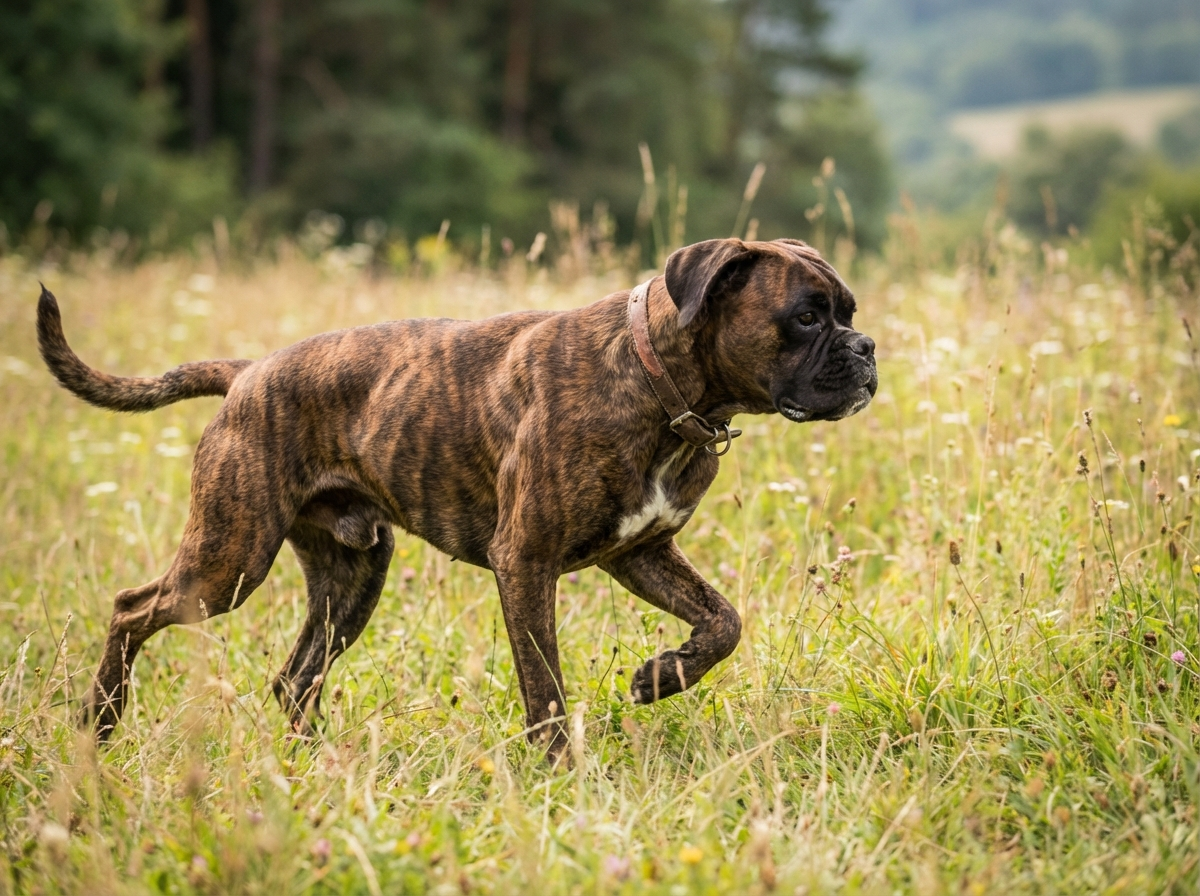
When Sarah adopted Max, her energetic Boxer, she noticed he was starting to bump into furniture more often. After a vet visit, she learned that Max had progressive retinal atrophy (pra-rcd3). Though it was tough to see her dog struggle, Sarah quickly researched how to accommodate his needs. She rearranged the living room for better navigation and used verbal cues to guide him during walks. Over time, Max adapted well, and their bond grew stronger as they learned to communicate more effectively.
Key takeaway: Being proactive and making simple adjustments can significantly improve your dog's quality of life when facing vision challenges like Boxer progressive retinal atrophy (pra-rcd3).
Boxer progressive retinal atrophy (pra-rcd3) is a genetic condition that affects a dog's vision. It usually occurs due to inherited factors, and as the disease progresses, it can lead to significant vision loss. If your Boxer shows symptoms like night blindness or difficulty navigating, consult a veterinarian for guidance.
While there is no cure for Boxer progressive retinal atrophy (pra-rcd3), you can help your dog adapt. Keep their environment consistent and free of obstacles to prevent accidents. Training them to respond to verbal cues can also enhance their confidence.
Common symptoms include difficulty seeing in low light, bumping into objects, and reluctance to move in unfamiliar areas. You may notice your Boxer is more hesitant during walks or prefers familiar routes. Watch for these signs and consult your vet for further evaluation.
No, progressive retinal atrophy (pra-rcd3) is not painful but can be distressing as it affects your dog's vision. While they may struggle with navigation, they typically adapt well to their surroundings with time. Providing a stable environment can help ease any anxiety.
Yes, it can impact their quality of life, especially if they become fearful of unfamiliar areas. However, with proper training and adjustments at home, many Boxers live happy, fulfilling lives despite the condition. Your support is crucial in helping them adjust.
Training should focus on positive reinforcement and verbal commands. Teach your Boxer to respond to cues that can guide them safely around obstacles. Consistency and patience are key to helping them navigate their environment confidently.
Early signs of Boxer progressive retinal atrophy (pra-rcd3) include night blindness, difficulty navigating in dim lighting, and bumping into objects. As the condition progresses, you may notice your dog hesitating before jumping or climbing stairs.
Progressive retinal atrophy (pra-rcd3) in Boxers typically starts with night vision loss and can lead to total blindness over time. The rate of progression varies by dog, but most will experience significant vision changes within a few years.
Currently, there is no cure for Boxer progressive retinal atrophy (pra-rcd3), but symptoms can be managed. Providing a consistent environment and using commands to guide your dog can help them adapt to their vision loss.
If you notice signs of vision loss, such as difficulty seeing in low light or navigating familiar areas, it's essential to consult a veterinarian. Early diagnosis can help you understand your options for managing the condition.
Yes, progressive retinal atrophy (pra-rcd3) is a hereditary condition in Boxers. If you have concerns about your dog's lineage, ask your breeder for health clearances and consider genetic testing.
Maintain a consistent environment and use verbal cues to guide your dog. Avoid moving furniture frequently to help them navigate safely.
Remove clutter and obstacles from common paths and keep their sleeping area familiar. Ensure that stairs are well-marked to avoid accidents.
The condition is progressive, meaning vision will decline over time, but many Boxers adjust well and maintain a good quality of life.
Currently, there is no treatment to reverse the condition, but supportive care can help your Boxer adapt to vision loss.