DogBreedCompass
← Back to breed profile

Understanding Boxer Gastrointestinal Disorders

Boxer gastrointestinal disorders can be a serious concern for many dog owners. These issues, which include conditions like inflammatory bowel disease and acid reflux, can lead to discomfort and health complications for your furry friend.

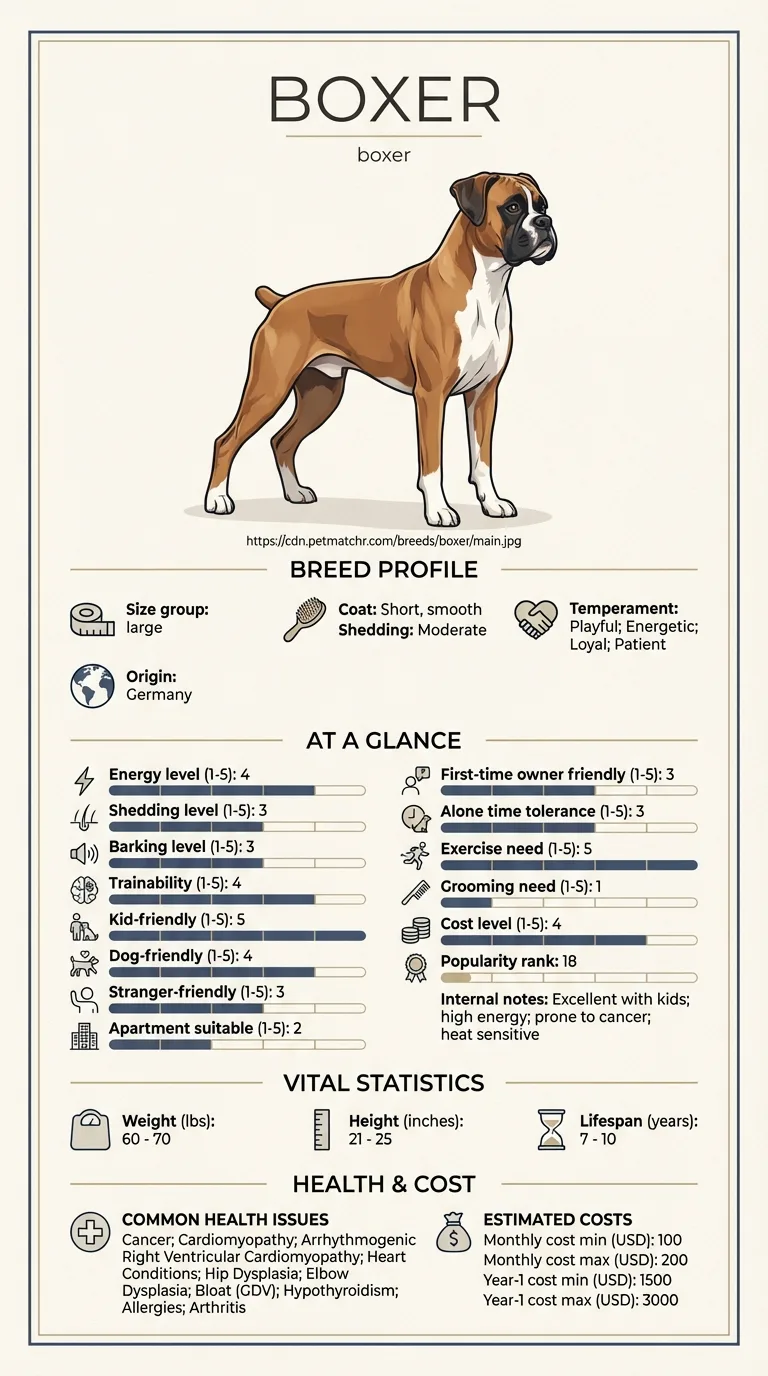
Understanding Boxer Gastrointestinal Disorders infographic

Owners of Boxers, especially first-time pet parents, often face challenges when dealing with gastrointestinal issues. Busy families and individuals may find it difficult to identify symptoms, leading to stress about their dog's health.

Important reminder

This guide is not medical advice. If your dog shows pain, sudden behavior change, or worsening symptoms, consult a licensed veterinarian.

Some links may be affiliate links. We may earn a commission at no extra cost to you. We only suggest products we believe are helpful for dog owners.

What this problem looks like

Boxer gastrointestinal disorders can significantly affect your dog's daily life. Common issues include inflammatory bowel disease, acid reflux, and even hiatal hernias. These disorders often lead to symptoms like vomiting, diarrhea, and discomfort after eating, which can be distressing for both you and your pet.

Common triggers

  • Diet changes or poor-quality food
  • Stress from environmental changes
  • Rapid eating habits
  • Food allergies

Gastrointestinal disorders are fairly common in Boxers due to their sensitive digestive systems. Many owners report experiencing these issues at some point, making it crucial to recognize symptoms early for effective management.

Why this happens

Breed factors

Boxers are prone to specific gastrointestinal disorders like bloat, inflammatory bowel disease, and pyloric stenosis. Their unique physiology, including a deep chest, makes them more susceptible to these issues. Additionally, their energetic nature can lead to overeating or eating too quickly, which can exacerbate gastrointestinal problems.

Environment factors

Environmental factors such as diet, stress, and feeding routines can significantly impact your Boxer's gastrointestinal health. Sudden changes in food, low-quality ingredients, or food intolerances can trigger digestive issues. Stressful situations, like moving to a new home or loud noises, may also contribute to gastrointestinal disorders.

What you can try

At-home strategies

  • Establish a consistent feeding schedule. Feed your Boxer smaller meals several times a day instead of one large meal to reduce the risk of bloat.
  • Choose high-quality dog food that meets your Boxer's specific dietary needs. Check for any food allergies or intolerances by gradually introducing new foods.
  • Encourage slow eating by using puzzle bowls or slow-feed dishes. This can help prevent them from gulping down their food too quickly.
  • Monitor your Boxer's water intake and keep fresh water available. Dehydration can worsen gastrointestinal issues.
  • Keep a close eye on your Boxer's behavior and stool consistency. Note any changes and address them quickly.

When to consider a trainer

If your Boxer shows signs of anxiety during feeding or has developed bad eating habits, consider consulting a dog trainer. A trainer can help with behavior modification and teach techniques to reduce stress during meals.

When to talk to your vet

If your Boxer experiences persistent vomiting, diarrhea, or signs of pain, it's essential to consult a veterinarian. These symptoms could indicate a more serious gastrointestinal disorder that requires medical attention.

Realistic expectations

You can expect to see improvements in your Boxer’s gastrointestinal issues within 4 to 8 weeks of implementing changes. Consistency is key, so stick to the plan.

Success means your Boxer has fewer digestive upsets, improved appetite, and normal stool consistency. Your dog will also have more energy and overall improved health.

Mistakes that make this worse

Here are some common mistakes that can worsen your Boxer's gastrointestinal disorders and safer alternatives to help you manage the situation.

  • Ignoring symptoms: Many owners overlook signs like vomiting or diarrhea, thinking they will resolve on their own. Instead, keep a close eye on any changes in your Boxer's behavior or eating habits and consult your vet promptly.
  • Switching diets too quickly: Abrupt changes in your Boxer's diet can upset their stomach further. Gradually introduce any new food over a week to help their digestive system adjust.
  • Feeding table scraps: Giving your Boxer human food might seem harmless but can trigger gastrointestinal issues. Stick to a balanced dog diet recommended by your vet to avoid complications.
  • Neglecting hydration: Dehydration can worsen gastrointestinal problems. Ensure your Boxer has constant access to fresh water, especially if they experience diarrhea or vomiting.
  • Skipping regular vet check-ups: Some owners delay vet visits, thinking they can manage the condition at home. Regular check-ups are crucial for monitoring and adjusting treatment plans for gastrointestinal disorders.
  • Overlooking stress factors: Stress can contribute to gastrointestinal issues in Boxers. Provide a calm environment and consider engaging in more exercise or relaxation activities to help soothe their anxiety.
  • Relying solely on home remedies: While some home remedies can be helpful, they shouldn't replace professional advice. Always consult your vet before trying any new treatment methods.

When Boxer Gastrointestinal Disorders Are an Emergency

Understanding when Boxer gastrointestinal disorders require immediate attention is crucial for your dog's health. Some signs indicate that you should call your vet right away, while others can be monitored at home. Knowing the difference can save your pet's life and keep them comfortable.

Red-flag signs that mean you should call your vet immediately include: - Persistent vomiting or diarrhea that lasts more than 24 hours. - Blood in vomit or stool, which could indicate serious issues. - Signs of dehydration, such as lethargy or dry gums. - Severe abdominal pain, shown by whining, restlessness, or refusal to eat. - Bloating, especially if your Boxer has a distended stomach, which could signal bloat (GDV).

On the other hand, mild cases of gastrointestinal disorders can often be watched and managed at home. If your Boxer experiences occasional vomiting or diarrhea without other serious symptoms, you can: - Monitor their food and water intake. - Offer a bland diet, such as boiled chicken and rice, for a few days. - Keep an eye on their energy levels and behavior.

If symptoms worsen or new ones arise, it's important to consult your vet. Keeping track of your dog's health can help in making the right decision. Always err on the side of caution; when in doubt, reach out to your veterinarian for professional advice.

Understanding Boxer Gastrointestinal Disorders - When Boxer Gastrointestinal Disorders Are an Emergency

Sarah and Max: Overcoming Gastrointestinal Troubles

Sarah, a first-time Boxer owner, noticed her dog Max frequently had upset stomachs and irregular bowel movements. After consulting a vet, she learned that Max suffered from gastrointestinal disorders. Following her vet's advice, Sarah switched to a specialized diet, introduced a consistent feeding schedule, and incorporated probiotics. Within weeks, Max's digestive health improved significantly, and he became more active and playful.

Key takeaway: With the right diet and care, you can effectively manage Boxer gastrointestinal disorders and improve your dog's quality of life.

Frequently asked questions

Why does my Boxer have gastrointestinal disorders?

Boxers can experience gastrointestinal disorders due to various reasons, including dietary indiscretion, food allergies, or inherited conditions. Inflammatory bowel disease and conditions like pyloric stenosis are also common in this breed. It's essential to consult your vet for a proper diagnosis and treatment plan. This answer relates to Boxer gastrointestinal disorders.

How can I manage my Boxer's gastrointestinal disorders?

Managing Boxer's gastrointestinal disorders often involves dietary changes. A vet-recommended, easily digestible diet can help. Additionally, smaller, more frequent meals might prevent symptoms from worsening.

What signs indicate my Boxer has gastrointestinal issues?

Signs of gastrointestinal disorders in Boxers include vomiting, diarrhea, loss of appetite, or weight loss. If you notice these symptoms persisting for more than a day, seek veterinary advice. Early intervention can prevent more serious health issues.

Can training help with my Boxer's gastrointestinal disorders?

While training does not directly address gastrointestinal disorders, it can help manage behavioral issues that might exacerbate stress-related problems. A calm environment and consistent routines can be beneficial for your Boxer's overall health.

What should I feed my Boxer with gastrointestinal disorders?

Consider feeding your Boxer a vet-approved, hypoallergenic diet that eliminates common allergens. Gradually introduce new foods to avoid further upset. Always consult your vet before making dietary changes.

What are the common signs of gastrointestinal disorders in Boxers?

Common signs include vomiting, diarrhea, loss of appetite, and weight loss. You might also notice unusual lethargy or signs of discomfort after eating.

When should I take my Boxer to the vet for gastrointestinal issues?

If your Boxer shows persistent vomiting or diarrhea for more than 24 hours, or if they exhibit severe discomfort, it's best to consult your vet. Early intervention can prevent more serious health issues.

Can gastrointestinal disorders in Boxers be caused by diet?

Yes, diet plays a significant role in gastrointestinal health. Low-quality food, sudden changes in diet, or food allergies can lead to gastrointestinal disorders. It's important to choose a balanced diet that suits your Boxer.

Are older Boxers more prone to gastrointestinal disorders?

Older Boxers can be more susceptible to gastrointestinal disorders due to age-related changes in their digestive systems. Regular vet check-ups can help catch these issues early.

How can I help manage my Boxer's gastrointestinal disorders at home?

You can manage mild cases by providing smaller, more frequent meals and ensuring they have access to fresh water. Keeping a consistent diet and avoiding table scraps can also help.

Quick answers

View more answers
Health

What are quick tips for Boxer gastrointestinal disorders?

For Boxer gastrointestinal disorders, provide a balanced, easily digestible diet and monitor their food intake closely. Regular vet check-ups are crucial for managing any ongoing issues.

Living

How often should I feed my Boxer with GI issues?

Feed your Boxer smaller meals 3-4 times a day to reduce gastrointestinal stress. This can help with digestion and nutrient absorption.

Living

What are my Boxer's daily exercise needs?

Boxers need a good amount of exercise—about 60-90 minutes daily. This helps maintain a healthy weight and can aid digestion.

Costs

Are there specific foods my Boxer should avoid?

Yes, avoid foods that are high in fat, spicy, or contain common allergens like wheat and soy. Always check with your vet for personalized dietary advice.

Related DogBreedCompass guides

  • Boxer separation anxiety guideLearn how to manage stress that may cause gastrointestinal issues in Boxers.
  • Boxer behavior problemsExplore common behavior problems in Boxers and their solutions.
  • Boxer cost breakdownUnderstand the costs associated with caring for a Boxer and potential health issues.
  • Boxer gastrointestinal disorders trainingFind effective training techniques to help alleviate gastrointestinal disorders in Boxers.
  • Dog breeds for familiesDiscover the best dog breeds for families, including Boxers, to prevent stress-related issues.

Related guides