Behavior
What are quick tips for Boxer gastric dilatation-volvulus (gdv/bloat)?
Feed smaller meals multiple times a day and avoid heavy exercise before and after meals. Use slow-feed bowls to prevent rapid eating.
Boxer gastric dilatation-volvulus (GDV/bloat) is a serious, potentially life-threatening condition that affects your dog's stomach.
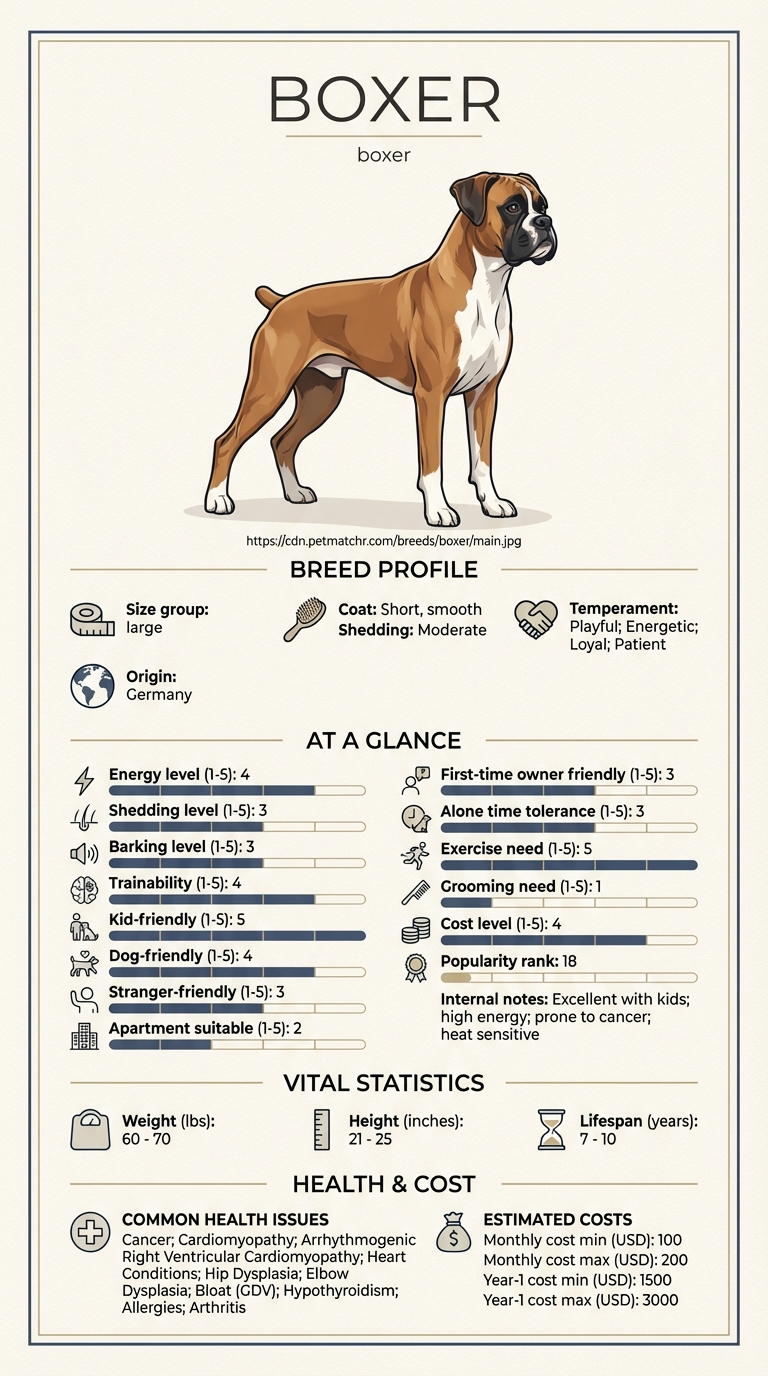
Many Boxer owners face this issue, especially those with high-energy dogs or those who tend to eat quickly. First-time dog owners may find it particularly challenging to recognize the symptoms and understand the urgency of the situation.
This guide is not medical advice. If your dog shows pain, sudden behavior change, or worsening symptoms, consult a licensed veterinarian.
Some links may be affiliate links. We may earn a commission at no extra cost to you. We only suggest products we believe are helpful for dog owners.
Boxer gastric dilatation-volvulus (GDV/bloat) is a serious and potentially life-threatening condition that affects Boxers. This issue occurs when a dog's stomach fills with gas, causing it to expand and potentially twist. Day-to-day, this manifests as signs of discomfort, restlessness, excessive drooling, or attempts to vomit without success, which can be alarming for owners.
GDV is notably common in large breeds like Boxers. It's estimated that around 30% of Boxers may experience bloat in their lifetime, making it a significant concern for owners. Being aware of the signs and triggers can help prevent this serious condition.
Boxers are large, muscular dogs with deep chests. This body structure makes them more prone to gastric dilatation-volvulus (GDV), commonly known as bloat. Their energetic nature can also lead them to gulp air when eating or drinking quickly, increasing the risk.
Stressful environments or rapid diet changes can trigger GDV in Boxers. Additionally, factors like eating large meals, exercising immediately after eating, or being overly excited can contribute to this life-threatening condition.
If your Boxer shows signs of anxiety around food or mealtime, a trainer can help with positive reinforcement techniques. This can calm their eating habits and reduce the risk of bloat.
Contact your vet if your Boxer exhibits symptoms like a swollen abdomen, restlessness, or attempts to vomit without success. These may indicate GDV, which requires immediate medical attention.
If you suspect your Boxer is prone to GDV, monitor them closely for signs and consult your vet. Successful management may take several weeks of training and dietary adjustments.
Success means your Boxer shows no signs of distress after meals, maintains a healthy weight, and responds well to training that reduces anxiety and promotes calm behavior.
Avoiding certain behaviors can help manage Boxer gastric dilatation-volvulus (GDV/Bloat). Here are some common mistakes owners make and safer alternatives.
Boxer gastric dilatation-volvulus (GDV/bloat) is a serious condition that requires immediate veterinary attention in certain situations. It's critical to recognize the signs that indicate an emergency versus cases that can be monitored at home with a plan.
Red flags that mean you should call your vet right away include: persistent bloating of the abdomen, unproductive retching, excessive drooling, signs of pain (like restlessness or whining), or rapid breathing. If your Boxer shows any combination of these symptoms, don’t wait—seek help immediately.
On the other hand, if your Boxer seems slightly uncomfortable but is still eating, drinking, and behaving normally, you might monitor the situation at home. Mild symptoms to watch for include a slightly distended belly that doesn’t seem painful, occasional burping, or mild lethargy. Keep an eye on these signs and have a plan in place to contact your vet if things worsen.
Always err on the side of caution when it comes to your pet's health. Boxers are particularly prone to GDV/bloat, so understanding these signs can be life-saving. If you’re unsure, it’s always best to reach out to your veterinarian for guidance.
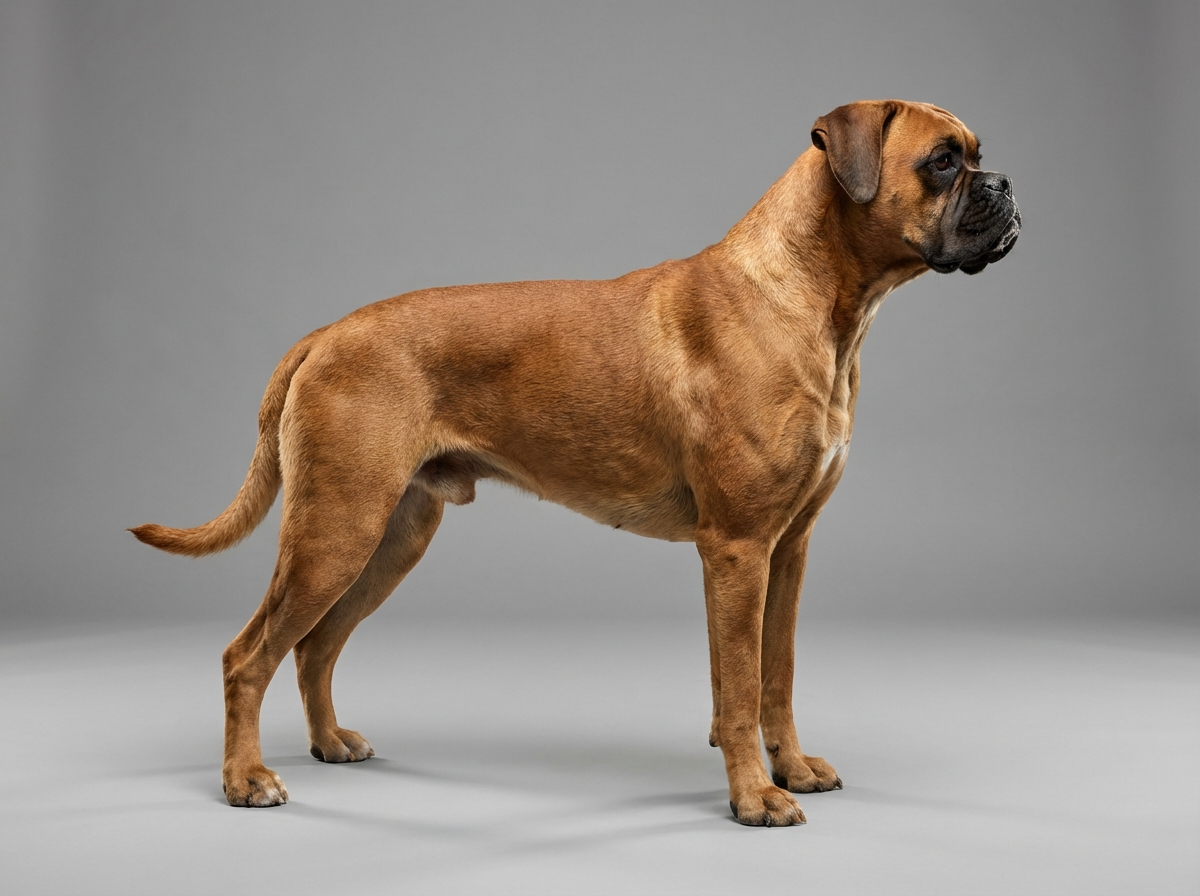
Emily, a first-time Boxer owner, noticed her dog Bella would often appear restless after eating. After a vet visit confirmed a risk of gastric dilatation-volvulus (GDV), Emily learned the importance of feeding Bella smaller, more frequent meals. With patience and consistent training, Bella became more relaxed during meal times, and Emily felt relieved when Bella’s anxiety diminished. Together, they discovered new routines that kept Bella healthy and happy.
Key takeaway: Being proactive about your Boxer's feeding habits and training can significantly reduce the risk of GDV and improve their overall well-being.
Boxers are prone to gastric dilatation-volvulus (GDV) due to their deep chests and rapid eating habits. This condition can occur when the stomach fills with gas and twists, leading to severe complications. Factors like genetics, eating too quickly, and stress can increase the risk. This answer relates to Boxer gastric dilatation-volvulus (gdv/bloat).
To help prevent GDV in your Boxer, feed smaller meals throughout the day instead of one large meal. Use elevated feeding bowls and avoid vigorous exercise before and after meals. Additionally, consider avoiding foods that cause gas.
Common signs of GDV in Boxers include a swollen abdomen, unproductive vomiting, restlessness, and signs of distress. If you notice these symptoms, seek emergency veterinary care immediately. Time is critical in treating GDV.
If your Boxer shows signs of bloat, take them to the vet right away. Do not try to treat it at home, as GDV is a life-threatening emergency. Quick intervention can save your dog's life.
Training your Boxer to eat slowly can significantly reduce the risk of GDV. Use puzzle feeders or slow-feed bowls to encourage them to take their time. This, combined with proper feeding practices, can help keep your dog safe.
Early signs of GDV in Boxers can include restlessness, pacing, and an inability to settle down. You may also notice a distended abdomen and attempts to vomit without producing anything. If you observe these symptoms, it’s crucial to seek veterinary attention immediately.
Yes, older Boxers can develop GDV, especially if they have a history of digestive issues or an inherited tendency. It's essential to monitor their eating habits and avoid feeding them large meals or allowing vigorous exercise right after eating.
To help prevent GDV in your Boxer, consider feeding them smaller, more frequent meals rather than one large meal. Additionally, avoid intense exercise immediately after eating, and consult your vet about the best feeding practices for your dog.
Boxers are more prone to GDV due to their deep-chested body structure, which can create a greater risk for stomach twisting. Genetics and eating habits can also play a significant role. Regular vet check-ups can help manage their risk.
If you suspect your Boxer has GDV, you need to act quickly. Take them to the vet immediately, as this condition can be life-threatening. Do not attempt home remedies or wait to see if symptoms improve.
Feed smaller meals multiple times a day and avoid heavy exercise before and after meals. Use slow-feed bowls to prevent rapid eating.
Boxers with deep chests and those who eat quickly are at higher risk. Regular vet check-ups can help monitor their health.
Choose high-quality, easily digestible dog food and avoid ingredients that cause gas. Consult your vet for dietary recommendations.
Surgery is often required to correct GDV and prevent future occurrences. Discuss the best options with your veterinarian.