Behavior
What are some quick tips for managing Boxer diabetes?
Stick to a strict feeding schedule and provide a consistent diet. Regular exercise is also key to keeping their weight in check.

Quick answer
What are some quick tips for managing Boxer diabetes?
Stick to a strict feeding schedule and provide a consistent diet. Regular exercise is also key to keeping their weight in check.
Boxer diabetes is a serious health condition that affects many dogs, particularly as they age. This endocrine disorder can lead to significant health challenges if not managed properly.
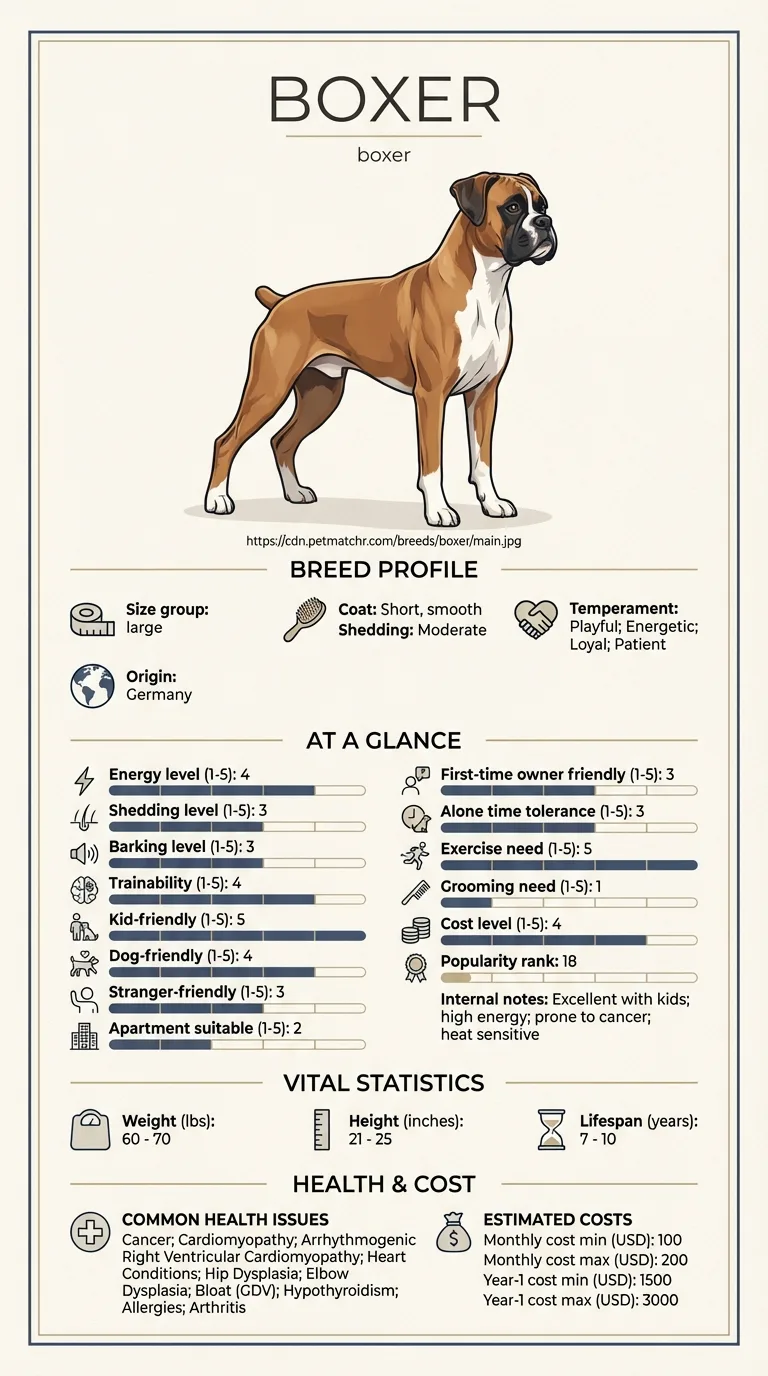
Typically, first-time pet owners or those with senior Boxers may struggle with diabetes management. Many owners are unprepared for the complexities of this condition, leading to confusion and frustration.
This guide is not medical advice. If your dog shows pain, sudden behavior change, or worsening symptoms, consult a licensed veterinarian.
Some links may be affiliate links. We may earn a commission at no extra cost to you. We only suggest products we believe are helpful for dog owners.
We research and check what we publish, but we do not warrant that any figure, date, price, or statement is accurate, complete, or current, and we accept no liability for any loss, cost, injury, or other harm arising from the use of this site. Use it as one reference among several. You remain responsible for your own decisions and for your dog's care - confirm anything that matters with a licensed veterinarian or another qualified professional before you act on it. Full disclaimer.
Check this first
Recognizing when Boxer diabetes becomes an emergency is crucial. If your Boxer shows any signs of serious distress, it’s time to call your vet immediately. Look for symptoms like excessive vomiting, lethargy, rapid breathing, or confusion. These red flags can indicate severe complications that need urgent attention.
On the other hand, if your Boxer is experiencing mild symptoms such as increased thirst or urination, you can monitor the situation closely. Keep track of their eating habits and energy levels. It’s important to have a plan in place, but don’t hesitate to reach out to a vet if these symptoms worsen or persist.
Remember, early intervention can make a significant difference. If your Boxer is diagnosed with diabetes, regular check-ups and a solid management plan will help keep their condition stable. Always trust your instincts; if something feels off, it’s better to check with a professional.
If any of these apply, call your vet or an emergency clinic now. The rest of this page is for the cases that are not an emergency.
Boxer diabetes is an endocrine disorder that can significantly affect your dog's daily life. It often leads to increased thirst and urination, weight loss despite a good appetite, and lethargy. This condition is more common in older Boxers, and it requires careful management to ensure a good quality of life.
Diabetes in Boxers is becoming increasingly recognized, especially in senior dogs. It's estimated that about 1 in 500 dogs may develop this condition, making it a significant concern for Boxer owners.
Boxers can be genetically predisposed to diabetes, especially as they age. Being a large breed, they may also experience metabolic changes that increase their risk of developing this condition. Additionally, weight gain can worsen these risks, making proper diet and exercise crucial.
Environmental factors such as poor diet, lack of exercise, and obesity contribute to the risk of diabetes in Boxers. High-stress levels, particularly in homes with frequent changes or inadequate routine, can also negatively impact their health. Furthermore, certain medications or underlying health issues can increase their likelihood of developing diabetes.
If you notice signs such as increased thirst, frequent urination, or weight loss, it’s crucial to consult your vet. These could be early signs of diabetes. Regular check-ups are also essential for senior Boxers to monitor their health and prevent complications.
Avoid these common pitfalls that can exacerbate Boxer diabetes. Understanding what not to do is just as crucial as knowing the right actions to take.
Start here: Boxer Most Common Genetic Disorders: What to Screen For
See all Boxer health problems, which breeds are prone to diabetes, or the full Boxer breed guide for temperament, exercise needs and ownership costs.
Managing Boxer diabetes typically takes several weeks to stabilize with the right diet and care. Regular vet check-ups are essential for monitoring progress.
Success means maintaining stable blood sugar levels, improving your dog's energy, and preventing complications. Your Boxer will enjoy a better quality of life with consistent care.
When Sarah adopted Max, her playful Boxer, she noticed he was drinking excessive water and losing weight. After a vet visit, he was diagnosed with diabetes. Initially overwhelmed, Sarah learned how to manage his condition through a strict diet and regular insulin shots. With time and dedication, Max's health improved, and Sarah felt empowered knowing she was doing everything possible for her furry friend.
Key takeaway: Understanding Boxer diabetes can be challenging, but with the right care and support, you can help your dog thrive.
Boxers can develop diabetes due to factors like genetics, obesity, or hormonal changes. Senior Boxers are particularly at risk, so keeping an eye on weight and diet is crucial.
Managing Boxer diabetes involves a consistent feeding schedule, a specialized diet, and regular exercise. Consult your vet for a tailored plan that works best for your dog's needs.
Common signs of diabetes in Boxers include excessive thirst, increased urination, and weight loss despite a good appetite. You might also notice lethargy or changes in behavior. If you see these signs, it's important to consult your vet.
Boxers can develop diabetes due to genetic factors, obesity, or hormonal changes. While you can't always prevent it, maintaining a healthy weight and regular exercise can reduce the risk. Regular vet check-ups can also help monitor their health status.
Diabetes can lead to changes in your Boxer's behavior, including lethargy or irritability. Keeping their glucose levels stable can help maintain their energy and mood.
A high-fiber, low-sugar diet is typically recommended for diabetic Boxers. Your vet can help you find the right food that meets their specific health needs.
Initially, you should schedule regular vet visits every few months to monitor your Boxer's condition. Over time, this may decrease to once or twice a year if their diabetes is well managed.
Managing Boxer diabetes involves regular vet check-ups, a consistent diet, and monitoring blood sugar levels. Providing a controlled feeding schedule and ensuring they get regular exercise can also be beneficial. Always follow your vet's specific recommendations for your dog's needs.
Yes, older Boxers can develop diabetes suddenly, especially if they have underlying health issues. Conditions such as pancreatitis or obesity can contribute to the onset of diabetes. Regular vet visits can help catch these issues early.
While diabetes in Boxers cannot be reversed, it can be managed effectively with the right care. This includes diet changes, weight management, and insulin therapy if needed. Early diagnosis is key to better management.
Stick to a strict feeding schedule and provide a consistent diet. Regular exercise is also key to keeping their weight in check.
Regular vet check-ups and monitoring their glucose levels can greatly improve their quality of life. Make sure they stay active and engaged to maintain their spirits.
Look out for excessive thirst, increased urination, or sudden weight loss. These could be signs that their diabetes is not under control.
Yes, managing diabetes can add to monthly expenses, including vet visits and special food. Budgeting $150 to $300 monthly is a reasonable range.
Absolutely! Just be mindful of their energy levels and adjust the training intensity if needed. Positive reinforcement works best.
A one-page prep sheet for this condition: the signs, the questions to ask, what to get priced. Unlocks here.
You get: Vet visit prep sheet
No spam. One-click unsubscribe. See our privacy policy.
See a sample page before you decide.
Early access list
The free prep sheet covers the same-day warning signs, a symptom log and the questions to ask. We are considering a fuller kit that adds a cost worksheet for the usual tests and treatments (US price ranges with their sources) and a plain-English guide to ways of covering the bill. It is not built yet; this list tells us whether it is worth building.
One email, no spam, unsubscribe anytime. Information only, not veterinary advice.