DogBreedCompass
← Back to breed profile

Understanding Boxer Cruciate Ligament Injuries

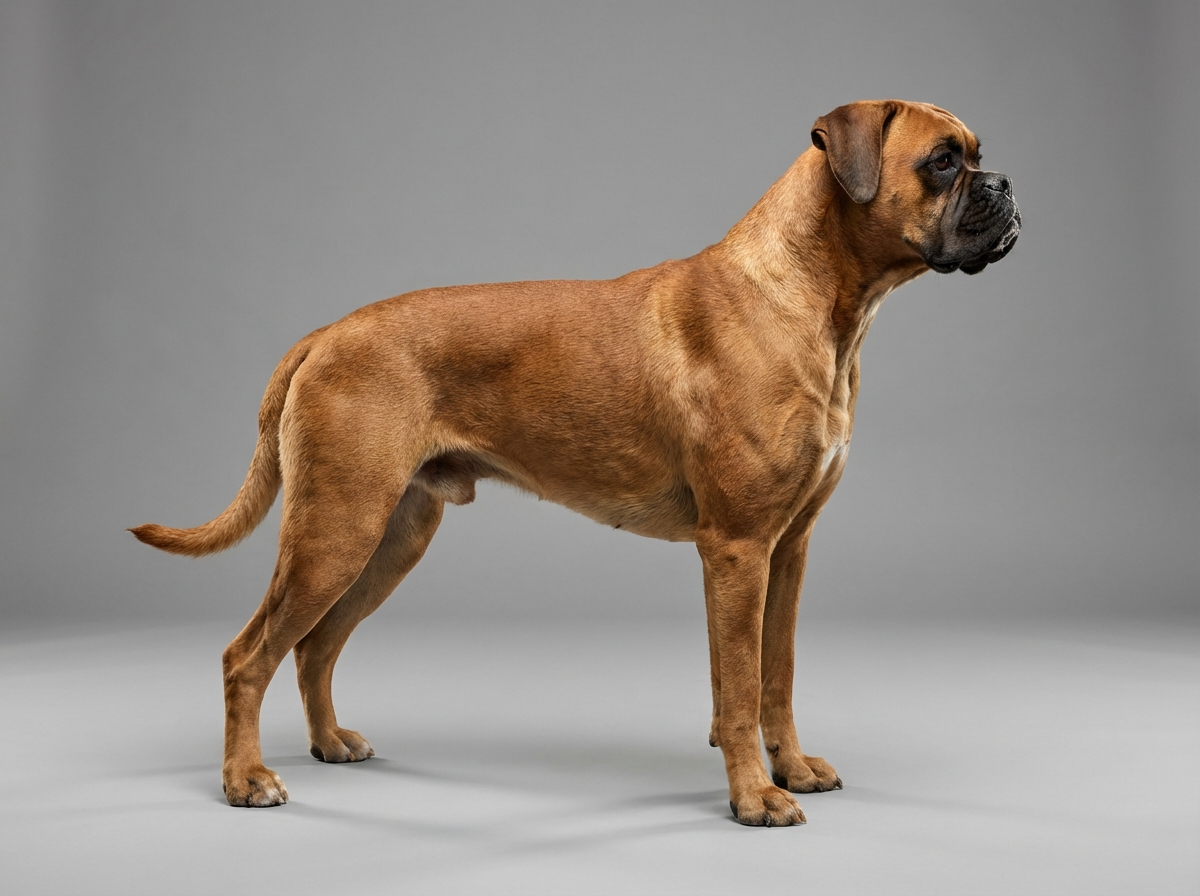
Boxer cruciate ligament injuries can be painful and limit your dog's mobility. These injuries typically involve ruptures in the knee ligaments, affecting their quality of life.

Understanding Boxer Cruciate Ligament Injuries infographic

Many Boxer owners, especially those with active pets, face challenges related to cruciate ligament injuries. This includes families who love outdoor activities or individuals who engage in dog sports.

Important reminder

This guide is not medical advice. If your dog shows pain, sudden behavior change, or worsening symptoms, consult a licensed veterinarian.

Some links may be affiliate links. We may earn a commission at no extra cost to you. We only suggest products we believe are helpful for dog owners.

What this problem looks like

Boxer cruciate ligament injuries are common and can be quite painful for your dog. These injuries usually manifest as limping, difficulty jumping, or reluctance to engage in normal activities. Over time, these injuries can lead to chronic pain and arthritis if not addressed promptly.

Common triggers

  • Excessive jumping or running
  • Sudden changes in direction during play
  • Obesity, which puts extra strain on joints
  • Age-related wear and tear on ligaments

Cruciate ligament injuries are a frequent issue among Boxers due to their active nature and larger size. This breed is known for its high energy, which can sometimes lead to overexertion and injuries.

Why this happens

Breed factors

Boxers, being large and energetic dogs, are prone to cruciate ligament injuries due to their size and activity level. Their playful nature can lead to high-impact activities that stress the knee joints, making them more susceptible to injuries. Additionally, some Boxers may have genetic predispositions that affect their ligament strength.

Environment factors

Environmental factors also play a role in these injuries. Uneven surfaces, slippery floors, and abrupt changes in activity can increase the risk. Lack of proper warm-up before exercise or insufficient conditioning can lead to injuries during play or exercise, especially in active breeds like Boxers.

What you can try

At-home strategies

  • Ensure your Boxer has a safe play area with non-slip surfaces to minimize the risk of falls.
  • Incorporate low-impact exercises, such as swimming or walking on a leash, to build strength without excessive strain on the knees.
  • Provide a balanced diet that supports joint health, including supplements like glucosamine and omega-3 fatty acids.

When to consider a trainer

If your Boxer shows signs of instability or pain during activity, consider consulting a professional trainer. They can help design a tailored exercise program and teach you how to properly condition your dog to prevent injuries.

When to talk to your vet

If you notice limping, difficulty standing, or persistent pain in your Boxer, it's essential to consult a vet. They can evaluate for potential cruciate ligament injuries and recommend treatment options, which may include medication, rest, or even surgery.

Realistic expectations

Expect to see improvement in 6 to 12 weeks with consistent management and training.

A successful outcome means your Boxer can run and play with fewer signs of pain, and you have a solid routine to prevent future injuries.

Mistakes that make this worse

Here are some common mistakes owners make that can worsen Boxer cruciate ligament injuries, along with safer alternatives.

  • Ignoring Signs of Pain: Many owners may overlook signs that their Boxer is in pain. Instead, pay attention to limping or reluctance to exercise and consult a vet promptly.
  • Inadequate Exercise: While Boxers are high-energy dogs, excessive jumping or rough play can strain their ligaments. Opt for controlled walks and low-impact activities to keep them fit without risking injury.
  • Overweight Management: Allowing your Boxer to become overweight increases stress on their joints. Maintain a healthy diet and regular exercise to keep their weight in check.
  • Neglecting Warm-Ups: Jumping straight into play without warming up can lead to injuries. Incorporate gentle stretching or slow-paced activities before vigorous play.
  • Skipping Vet Check-Ups: Some owners may skip regular vet visits, thinking their dog is fine. Regular check-ups help catch potential issues early and keep your Boxer healthy.
  • Self-Diagnosing Issues: Relying on internet searches to diagnose problems can be dangerous. Always consult a veterinarian for accurate assessments and treatment plans.
  • Ignoring Recovery Time: If your Boxer has had a previous injury, pushing them back into exercise too soon can lead to re-injury. Follow your vet's advice on recovery timelines strictly.

When Boxer Cruciate Ligament Injuries Are an Emergency

Recognizing when a Boxer cruciate ligament injury is an emergency is vital for your dog's health. If your Boxer shows severe pain, difficulty walking, or sudden lameness, it's time to call your vet immediately. Look for signs like swelling around the knee or if your dog refuses to put weight on the leg.

In contrast, if your Boxer limps mildly or seems to have a minor sprain, you can monitor them at home. Pay attention to their behavior, and keep them calm and rested. You might also want to limit their activity until you have a better understanding of the situation. If the limping persists for more than a few days, consult your vet.

To summarize, here are key red-flag signs for emergencies versus mild cases:

Understanding Boxer Cruciate Ligament Injuries - When Boxer Cruciate Ligament Injuries Are an Emergency
  • Severe pain or yelping when moving the leg
  • Visible swelling around the knee joint
  • Refusal to bear weight on the affected leg
  • Inability to walk or stand normally
  • Persistent limping lasting more than a few days

Overcoming Cruciate Ligament Injuries: A Boxer's Journey

Lisa, a busy mom from Denver, noticed her Boxer, Max, limping after playing fetch. After a vet visit, she learned Max had a cruciate ligament injury. Initially worried about his active lifestyle, Lisa worked with a vet to set up a rehabilitation plan that included controlled exercise and specific training. Over the next few months, they focused on building his strength and flexibility. Lisa also adjusted their playtime to reduce high-impact activities. With patience and dedication, Max gradually returned to his playful self, enjoying shorter, safer games of fetch without limping.

Key takeaway: With the right approach and support, managing Boxer cruciate ligament injuries is possible, allowing your dog to enjoy a happy, active life again.


Frequently asked questions

Why does my Boxer have cruciate ligament injuries?

Boxers are prone to cruciate ligament injuries due to their size and activity level. High-energy play and sudden movements can stress their knees. Additionally, factors like obesity and lack of conditioning can increase their risk.

How can I stop Boxer cruciate ligament injuries?

To prevent cruciate ligament injuries in Boxers, ensure they maintain a healthy weight and get regular exercise. Gradually increase the intensity of their activities and consider low-impact options like swimming. Consulting a vet for tailored exercise plans can also help.

What are the signs of cruciate ligament injuries in Boxers?

Signs of cruciate ligament injuries include limping, decreased activity levels, and difficulty jumping or climbing stairs. You might also notice swelling around the knee or a change in their gait. If you see these signs, it's crucial to consult a vet.

Can cruciate ligament injuries be treated without surgery?

In some cases, cruciate ligament injuries can be managed with rest, physical therapy, and anti-inflammatory medications. However, severe injuries often require surgical intervention for proper recovery. Always consult your vet for the best treatment options.

What is the recovery time for a Boxer after a cruciate ligament injury?

Recovery time for a Boxer after a cruciate ligament injury can vary, but it typically takes around 4 to 6 months for full recovery. Follow your vet's rehabilitation plan to ensure the best outcomes. Patience and proper care during this time are essential.

What are the common signs of cruciate ligament injuries in Boxers?

Common signs include limping, difficulty getting up, and reluctance to play or exercise. You may also notice swelling around the knee joint. If your Boxer shows these symptoms, consult your vet for a proper diagnosis.

How can I prevent cruciate ligament injuries in my Boxer?

To prevent injuries, ensure your Boxer has a balanced exercise routine that includes both high-energy play and low-impact activities. Avoid excessive jumping or rough play, especially on hard surfaces. Additionally, maintaining a healthy weight can reduce strain on their joints.

Should I consider surgery for my Boxer with a cruciate ligament injury?

Surgery is often recommended for significant ligament tears, especially in active dogs like Boxers. However, your vet will evaluate the severity of the injury and may suggest alternative treatments or rehabilitation. Always discuss the options thoroughly with your vet.

Can older Boxers recover from cruciate ligament injuries?

Yes, older Boxers can recover, but their healing process may be slower. It’s essential to follow a tailored recovery plan, which may include physical therapy and gradual reintroduction to exercise. Consult your vet for the best approach.

Why does my Boxer have cruciate ligament injuries more frequently than other breeds?

Boxers are prone to cruciate ligament injuries due to their size, activity level, and body structure. Their energetic nature and strong muscles can put stress on their knees, making them more susceptible. Regular check-ups and preventive care can help manage this risk.

Quick answers

View more answers
Behavior

What are some quick tips for Boxer cruciate ligament injuries?

To help prevent injuries, keep your Boxer at a healthy weight and provide regular, controlled exercise. Avoid abrupt changes in activity levels and consult a vet for tailored training advice.

Living

How can I support my Boxer after a cruciate ligament injury?

Post-injury, ensure your Boxer has a quiet space to rest and recover. Follow your vet's recommendations for physical therapy and provide mental stimulation through puzzles or training.

Training

Are there any special training techniques for Boxers at risk of injuries?

Yes, focus on low-impact exercises such as swimming or gentle walks. Incorporate balance and strength training to improve their stability and reduce injury risks.

Related DogBreedCompass guides

  • Boxer separation anxiety guideLearn how to manage your Boxer's anxiety when dealing with injuries.
  • Boxer behavior problemsUnderstand the common behavior issues faced by Boxers to help prevent injuries.
  • Boxer cost breakdownExplore the costs associated with caring for a Boxer, including injury treatment.
  • Boxer cruciate ligament injuries trainingGet a detailed overview of training methods that can help reduce the risk of injuries.
  • Common health issues in BoxersDiscover the health issues that can affect Boxers and how to manage them.

Related guides