Behavior
What are quick tips for managing Boxer brachycephalic features?
Keep your Boxer cool, avoid strenuous activities, and ensure they stay hydrated, especially in warm weather.

Quick answer
What are quick tips for managing Boxer brachycephalic features?
Keep your Boxer cool, avoid strenuous activities, and ensure they stay hydrated, especially in warm weather.
Boxers are loved for their playful nature, but their brachycephalic features can lead to breathing difficulties.
This issue typically affects owners who are not familiar with the specific needs of brachycephalic breeds. First-time dog owners and busy families may find it particularly challenging to manage their Boxer's health effectively.
This guide is not medical advice. If your dog shows pain, sudden behavior change, or worsening symptoms, consult a licensed veterinarian.
Some links may be affiliate links. We may earn a commission at no extra cost to you. We only suggest products we believe are helpful for dog owners.
We research and check what we publish, but we do not warrant that any figure, date, price, or statement is accurate, complete, or current, and we accept no liability for any loss, cost, injury, or other harm arising from the use of this site. Use it as one reference among several. You remain responsible for your own decisions and for your dog's care - confirm anything that matters with a licensed veterinarian or another qualified professional before you act on it. Full disclaimer.
Check this first
Understanding when your Boxer’s brachycephalic features become an emergency is crucial. These features can lead to serious breathing issues. Recognizing the signs can save your dog's life and prevent further complications.
Red-Flag Signs (Call Your Vet Now): If your Boxer shows symptoms like severe difficulty breathing, excessive panting, or blue-tinged gums, it’s time to seek immediate help. Other signs include fainting or lethargy, as these indicate a critical lack of oxygen. If your dog is restless and can’t settle down, that’s another concerning sign.
Mild Cases (Monitor and Plan): If your Boxer occasionally snores or seems to breathe heavily during play, these may not be emergencies. You can monitor their breathing when they are calm and ensure they take breaks during exercise. Keep a close eye on their behavior, and consult your vet if you notice any worsening symptoms or if these mild signs persist.
If any of these apply, call your vet or an emergency clinic now. The rest of this page is for the cases that are not an emergency.
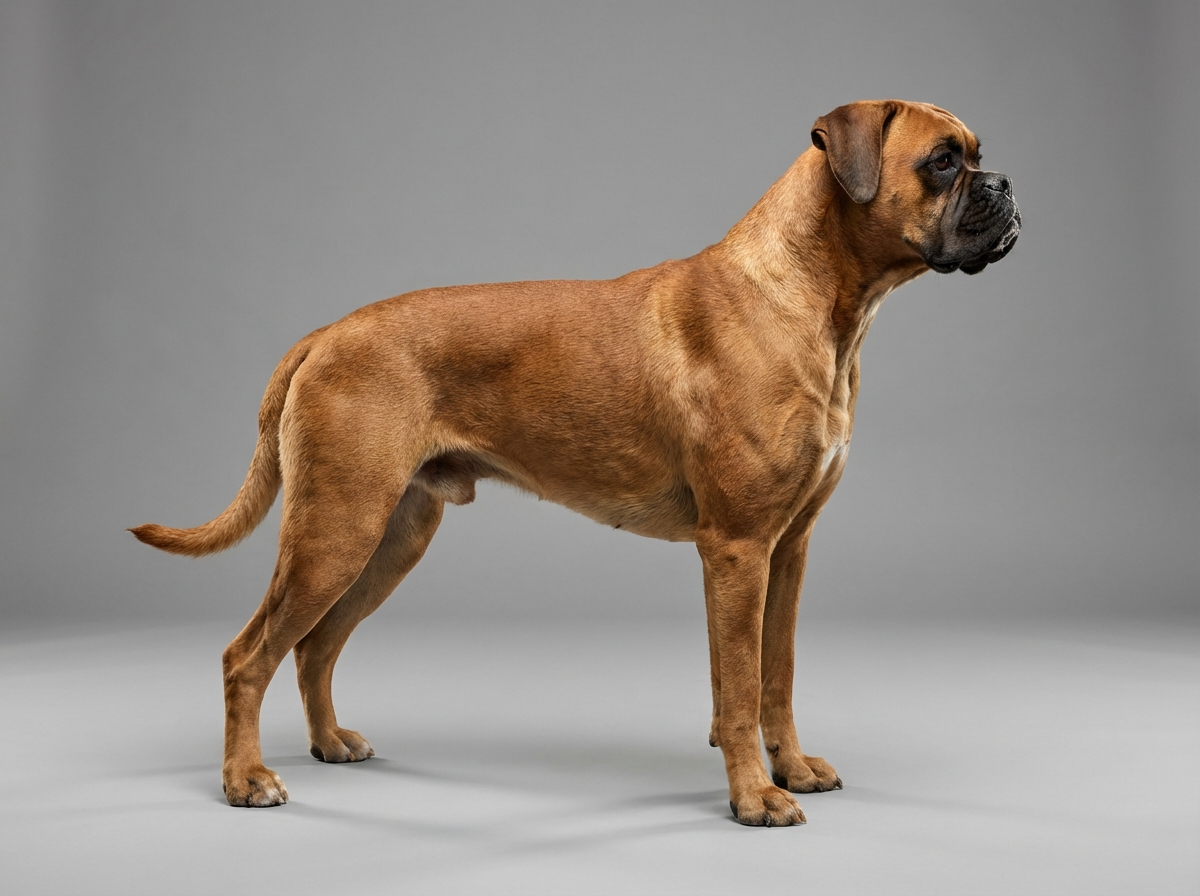
Boxers often exhibit brachycephalic features, which means they have short snouts. This can lead to breathing difficulties, especially during exercise or in hot weather. Owners may notice their Boxer struggling to catch their breath or snoring loudly while resting.
Brachycephalic features are quite common in Boxers due to their physical structure. Many Boxers experience some level of breathing difficulty, particularly as they age or if they become overweight.
Boxers are a brachycephalic breed, meaning their short snouts can lead to breathing difficulties. This feature is often a result of their genetics and purpose as a working breed, which has resulted in a flattened facial structure. As a consequence, they may struggle with airflow, especially during physical activities.
Environmental factors can exacerbate these issues. For example, hot or humid weather can make it harder for Boxers to breathe comfortably. Additionally, if they are not exercised properly, they may develop anxiety, which can lead to further respiratory problems.
If your Boxer experiences severe breathing difficulties, such as wheezing or excessive panting, consult your vet immediately. Regular check-ups are also vital for monitoring their health and addressing potential issues early.
Many Boxer owners unknowingly reinforce their dog's breathing difficulties. Here are some common mistakes to avoid, along with safer alternatives to help your Boxer breathe easier.
Start here: Boxer Most Common Genetic Disorders: What to Screen For
See all Boxer health problems, which breeds are prone to brachycephalic features, or the full Boxer breed guide for temperament, exercise needs and ownership costs.
With consistent care and patience, you can start seeing improvements in your Boxer's breathing and overall behavior within 4 to 6 weeks.
Success means your Boxer will experience fewer breathing difficulties during exercise and can enjoy playtime without excessive panting or distress.
Jessica, a first-time dog owner, adopted Max, a lively Boxer. Initially, she noticed that Max struggled to catch his breath during walks, especially in warmer weather. Concerned about his brachycephalic features, Jessica consulted her vet and started a training regimen focused on breathing exercises and managing his activity levels. After a month of gradual adjustments and patience, Max began showing significant improvement. He could walk longer distances without heavy panting and even enjoyed games of fetch in the yard.
Key takeaway: With the right approach and understanding, owners can help Boxers with brachycephalic features lead healthier, happier lives.
Boxers often have brachycephalic features due to their genetics. These traits can lead to breathing difficulties, especially in hot weather or during exercise. It's important to monitor your Boxer for signs of respiratory distress.
To support a Boxer with brachycephalic features, keep their environment cool and ensure they get regular, but moderate exercise. Avoid strenuous activities and always provide access to water to prevent overheating.
Training your Boxer to respond to commands calmly can help reduce anxiety and encourage controlled breathing. Use positive reinforcement to reward quiet behavior and stay patient as you work through their training.
Watch for signs like excessive panting, coughing, or difficulty breathing. If your Boxer is struggling to breathe, it's crucial to consult a vet immediately for guidance and possible treatment options.
Yes, Boxers with brachycephalic traits may be prone to heat exhaustion, sleep apnea, and other breathing problems. Regular vet check-ups can help catch any issues early.
Managing the environment and lifestyle of your Boxer is key. Ensure they have a cool resting area, limit strenuous exercise, and provide regular vet visits to keep their health in check.
If your Boxer is experiencing breathing issues, it's essential to consult your veterinarian promptly. Signs like excessive panting, coughing, or lethargy can indicate serious health problems, especially in brachycephalic breeds.
Yes, older Boxers may experience worsened brachycephalic features due to age-related changes. Regular check-ups are vital to monitor their respiratory health as they age.
While training cannot change your Boxer's physical traits, it can help them cope with their breathing challenges. Teaching commands to help manage their energy levels and encouraging calm behavior can be beneficial.
Severe cases can present with constant breathing noise, trouble exercising, or signs of distress in hot weather. If you're unsure, a vet can assess their respiratory function and provide guidance on managing their condition.
To care for a Boxer with brachycephalic features, ensure they stay cool, avoid strenuous exercise, and monitor their weight. Keeping their environment stress-free can also help them breathe more easily.
Keep your Boxer cool, avoid strenuous activities, and ensure they stay hydrated, especially in warm weather.
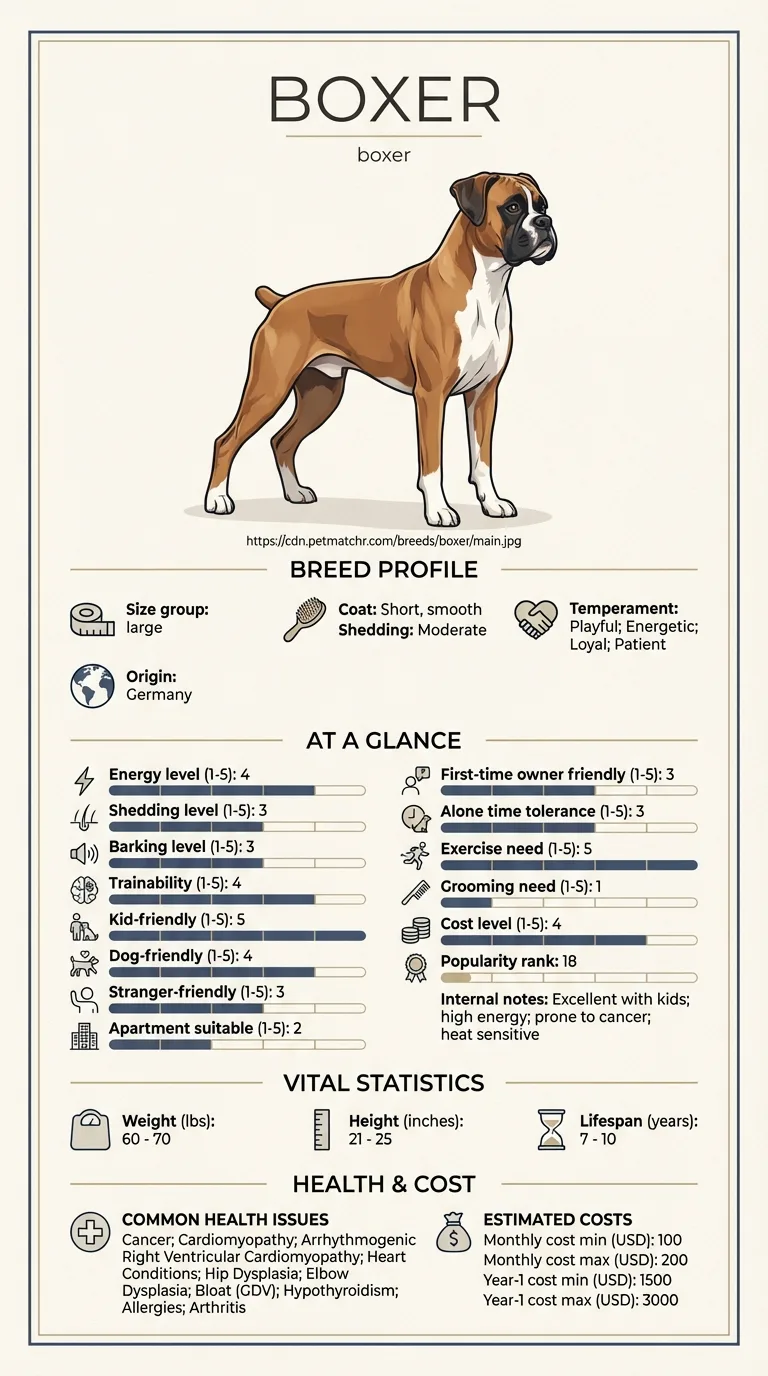
Expect to spend between $100 to $200 per month on care, including vet visits and preventive treatments.
Short, low-impact walks are ideal. Avoid high-energy play that could lead to excessive panting.
Look for relaxed body language, steady breathing, and a willingness to engage in calm activities.
A one-page prep sheet for this condition: the signs, the questions to ask, what to get priced. Unlocks here.
You get: Vet visit prep sheet
No spam. One-click unsubscribe. See our privacy policy.
Preview page 1 before you decide.