Behavior
What are some quick tips for Boxer back/spine issues?
Maintain a healthy weight, provide gentle exercise, and monitor for signs of pain or discomfort. Consult your vet if concerns arise.

Quick answer
What are some quick tips for Boxer back/spine issues?
Maintain a healthy weight, provide gentle exercise, and monitor for signs of pain or discomfort. Consult your vet if concerns arise.
Boxer back/spine issues can be a serious concern for dog owners. These problems often stem from conditions like intervertebral disc disease.
Typically, Boxer owners who are unaware of their dog's susceptibility to back problems face this issue. This includes first-time dog owners or those not familiar with common breed health concerns.
This guide is not medical advice. If your dog shows pain, sudden behavior change, or worsening symptoms, consult a licensed veterinarian.
Some links may be affiliate links. We may earn a commission at no extra cost to you. We only suggest products we believe are helpful for dog owners.
We research and check what we publish, but we do not warrant that any figure, date, price, or statement is accurate, complete, or current, and we accept no liability for any loss, cost, injury, or other harm arising from the use of this site. Use it as one reference among several. You remain responsible for your own decisions and for your dog's care - confirm anything that matters with a licensed veterinarian or another qualified professional before you act on it. Full disclaimer.
Check this first
Recognizing when your Boxer’s back or spine issues become an emergency is crucial. If you notice any of the following red-flag signs, it's time to call your vet immediately. These include sudden inability to walk, extreme pain when touched, or a noticeable change in behavior such as lethargy or aggression. These symptoms can indicate serious conditions like intervertebral disc disease that require immediate attention.
On the other hand, there are milder signs of back or spine issues that can usually be monitored. If your Boxer shows slight discomfort during play, has a mild limp, or seems reluctant to jump, you might not need an emergency visit right away. Instead, you can observe them for a few days while implementing a gentle care plan. Keep track of their activity levels and any changes in their behavior.
If your Boxer’s condition does not worsen and they seem to respond well to rest and limited activity, a vet visit can be scheduled for a later date. However, if you observe any escalation in symptoms or new concerning signs, don’t hesitate to consult your veterinarian. Early intervention is often key to effective treatment and recovery.
If any of these apply, call your vet or an emergency clinic now. The rest of this page is for the cases that are not an emergency.
Boxer back/spine issues are common problems that can affect your dog's mobility and overall quality of life. These issues often manifest as difficulty walking, reluctance to play, or signs of pain when moving. If your Boxer seems less active than usual or avoids jumping, it might be suffering from back or spine problems.
Back and spine issues are fairly common in Boxers, especially as they age. Many owners report these problems developing in their dogs around 6 to 8 years of age, though it can happen earlier due to injury or genetic factors.
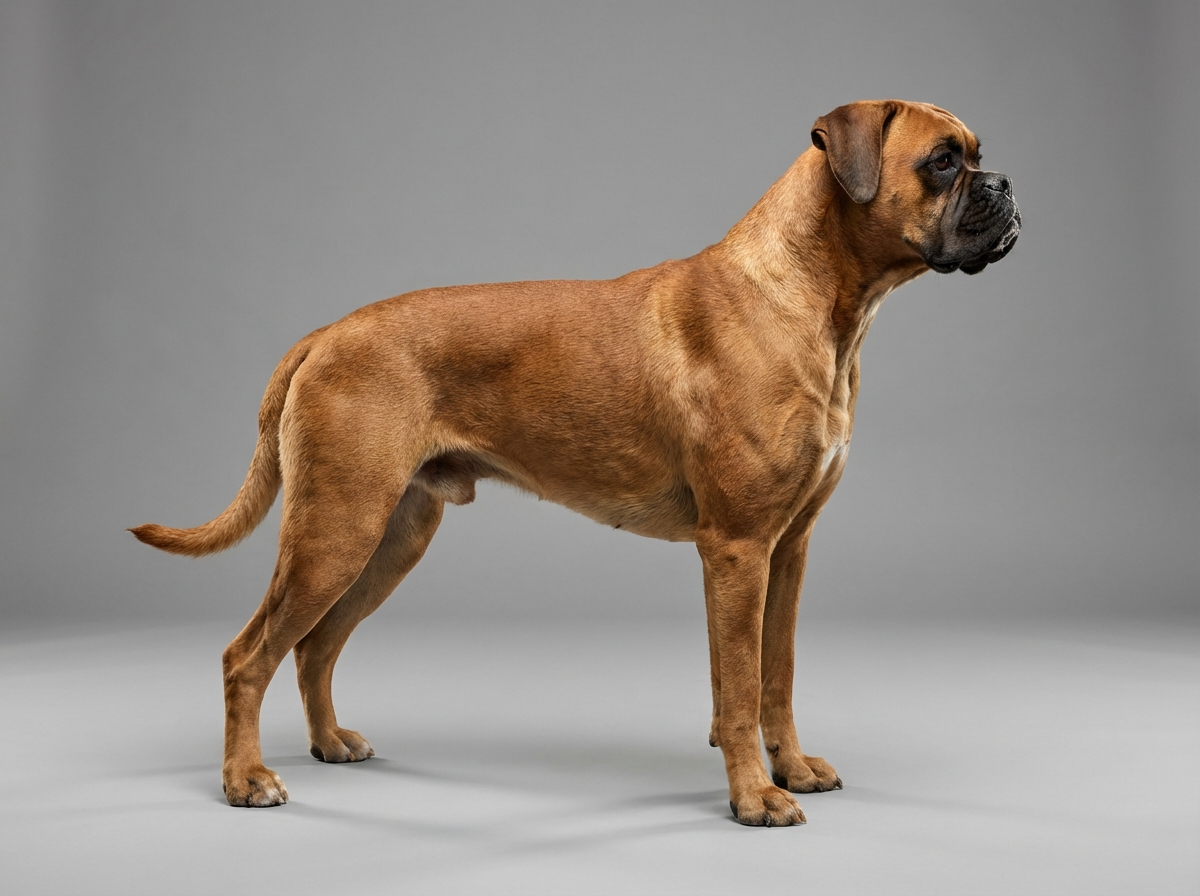
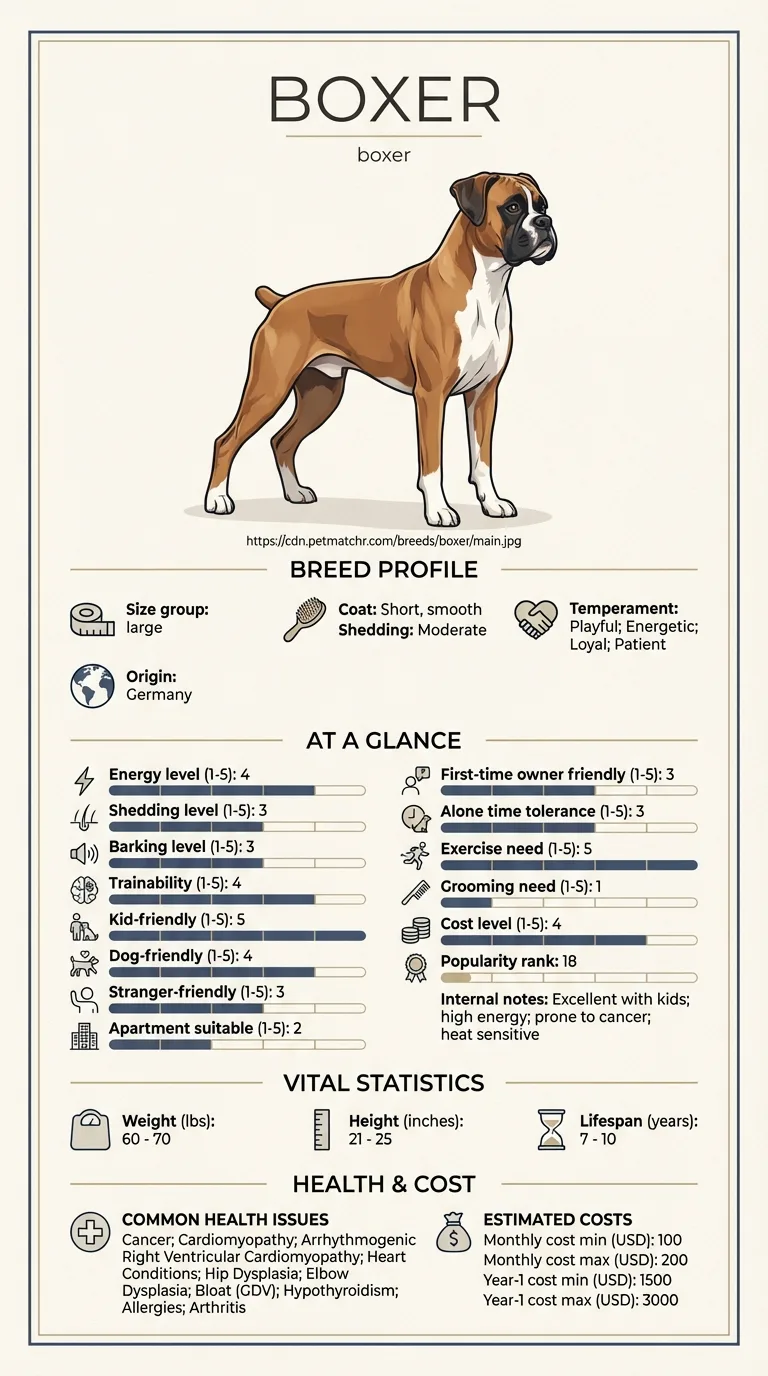
Boxers are a large breed with a muscular build, which can put extra stress on their spine. They are also prone to certain genetic conditions, such as intervertebral disc disease, which can lead to back problems. Their energetic nature often drives them to engage in rough play, increasing the risk of injury.
Factors like inadequate exercise, excessive jumping, or poor training techniques can contribute to back issues. Additionally, an unbalanced diet leading to obesity can put more strain on their spine, making it crucial to manage their weight carefully. Environmental stresses, like slippery floors or inappropriate living spaces, can also exacerbate these problems.
If your Boxer displays persistent signs of pain, such as reluctance to move, whining, or changes in appetite, it’s crucial to consult your vet. They can assess for any underlying health conditions related to back issues. Early intervention can prevent further complications and improve your dog's quality of life.
Avoid these common mistakes to help manage your Boxer’s back and spine issues more effectively.
Start here: Boxer Most Common Genetic Disorders: What to Screen For
See all Boxer health problems, which breeds are prone to backspine issues, or the full Boxer breed guide for temperament, exercise needs and ownership costs.
You can expect to see improvements in your Boxer’s back/spine issues within 3 to 6 months of consistent care and management.
Success looks like your Boxer being able to move more freely, showing reduced pain signs, and enjoying activities like walks without discomfort.
Maggie, a busy nurse from Seattle, noticed her Boxer, Max, was struggling to jump onto the couch and seemed reluctant to play. After a vet visit confirmed he had spine issues, she felt overwhelmed but determined to help him. With a tailored exercise plan and regular vet check-ups, she learned how to manage Max’s condition. Slowly, he regained strength and mobility. Now, he happily joins Maggie on daily walks and plays fetch without hesitation, showcasing his playful spirit again.
Key takeaway: With the right care and support, you can significantly improve your Boxer’s back/spine issues and enhance their quality of life.
Boxers can develop back or spine issues due to genetics, obesity, or injury. Intervertebral disc disease is common in this breed. Regular vet check-ups and maintaining a healthy weight can help prevent these problems.
To reduce the risk of back/spine issues, ensure your Boxer maintains a healthy weight through a balanced diet and regular exercise. Limit high-impact activities and consult your vet for a tailored exercise plan.
Signs of back/spine issues include difficulty jumping, reluctance to move, yelping in pain, or changes in posture. If you notice any of these symptoms, consult your veterinarian promptly.
Yes, training can help strengthen your Boxer's core muscles, which supports the spine. Focus on low-impact exercises and avoid strenuous activities, especially those that involve jumping.
Treatment options include anti-inflammatory medications, physical therapy, and in some cases, surgery. Consult your vet to determine the best course of action for your Boxer's specific condition.
You can manage minor back/spine issues at home by providing a comfortable resting area, ensuring regular gentle exercise, and maintaining a healthy diet. Always consult your vet for guidance.
If your Boxer shows signs of pain, difficulty moving, or changes in behavior, take them to the vet immediately. Early intervention can prevent further complications.
If your Boxer is showing signs of pain, difficulty jumping, or reluctance to move, these could be red flags. Additionally, watch for changes in their posture or if they seem to be more hesitant when walking. Any significant changes in behavior warrant a visit to the vet.
Back and spine issues can develop in Boxers as they age, but they may start to show symptoms as early as 5 years old. Weight, activity level, and genetics also play a role in the onset of these problems. Regular vet check-ups can help catch these issues early.
Yes, maintaining a healthy weight is crucial for preventing back and spine issues in Boxers. Extra weight puts additional strain on their spine. A balanced diet and regular exercise can help keep your Boxer at a healthy weight.
Not necessarily. Many Boxers can benefit from physical therapy, medication, or lifestyle changes to manage back and spine issues. However, severe cases may require surgical intervention. Always consult your vet for the best treatment plan.
You can create a comfortable space by providing soft bedding and avoiding stairs when possible. Gentle exercise, such as short walks, can help maintain mobility. Consult your vet for specific recommendations tailored to your Boxer’s condition.
Maintain a healthy weight, provide gentle exercise, and monitor for signs of pain or discomfort. Consult your vet if concerns arise.
Focus on low-impact exercises like walking and swimming. Avoid activities that strain their back, such as jumping or rough play.
Feed a balanced diet with appropriate portions to prevent obesity. Nutritional guidance from your vet can help tailor their diet.
Joint supplements like glucosamine and omega-3 fatty acids may help. Always consult your vet before adding supplements to your Boxer's diet.
Treatment costs can range from $100 for basic vet visits to several thousand dollars for surgery and recovery. Plan for ongoing care as needed.
A one-page prep sheet for this condition: the signs, the questions to ask, what to get priced. Unlocks here.
You get: Vet visit prep sheet
No spam. One-click unsubscribe. See our privacy policy.
Preview page 1 before you decide.