Understanding Boxer Allergies and How to Help Your Dog
Boxer allergies can cause discomfort and health issues for your furry friend. Identifying and managing these allergies is essential for their well-being.
Many Boxer owners face the challenge of allergies, especially those new to dog ownership or those with busy lifestyles. Families with children may also find it hard to juggle allergy management while keeping their Boxer's energetic nature in check.
Important reminder
This guide is not medical advice. If your dog shows pain, sudden behavior change, or worsening symptoms, consult a licensed veterinarian.
Some links may be affiliate links. We may earn a commission at no extra cost to you. We only suggest products we believe are helpful for dog owners.
What this problem looks like
Boxer allergies can be a frustrating issue for both pets and their owners. Common symptoms include itchy skin, ear infections, and digestive problems. These allergies may stem from food sensitivities or environmental triggers such as pollen or dust mites, making daily life a challenge.
Common triggers
Certain foods (like chicken, beef, or grains)
Pollen from trees and grasses
Dust mites and mold
Fleas or other insects
Allergies are fairly common in Boxers, affecting a significant number of them throughout their lives. Many owners notice signs as early as a few months old, while others may see symptoms develop later on.
Why this happens
Breed factors
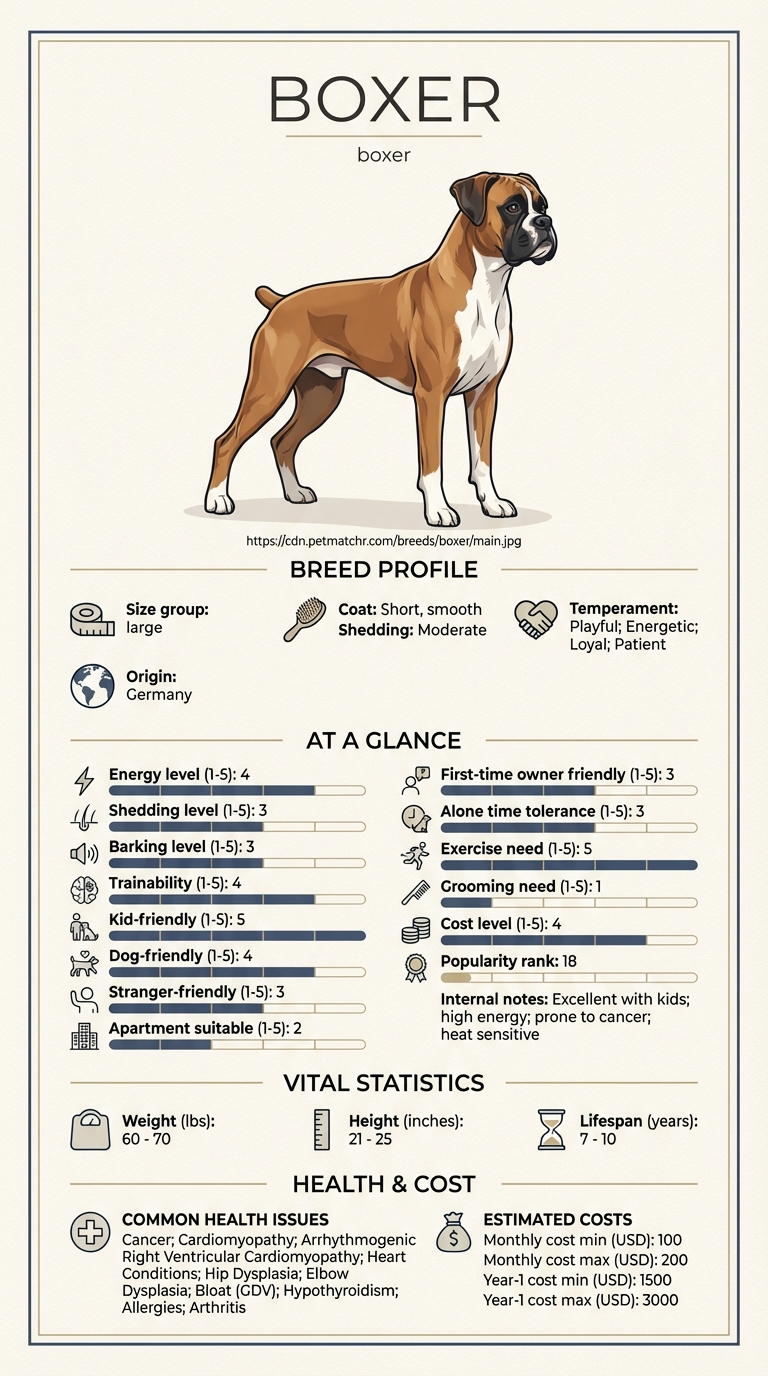
Boxers are known to have a genetic predisposition to allergies. Their short, smooth coats do not provide the same level of protection as longer coats, making their skin more susceptible to irritants. Additionally, the breed's energetic nature can lead to increased exposure to allergens in their environment.
Environment factors
Environmental factors play a significant role in Boxer allergies. Common triggers include pollen, dust mites, mold, and certain foods. Changes in weather or moving to a new location can also increase exposure to different allergens that your Boxer may not have encountered before.
What you can try
At-home strategies
Keep your home clean by vacuuming regularly and using air purifiers to reduce dust and allergens.
Bathtime can help: give your Boxer a bath with hypoallergenic shampoo to soothe irritated skin and remove allergens from their coat.
Maintain a consistent diet and consult your vet to identify any food allergies. Consider an elimination diet to pinpoint specific triggers.
When to consider a trainer
If your Boxer has allergies that lead to anxiety or behavioral issues, a professional trainer can help with coping strategies. They can also guide you on managing your dog's reactions to allergens, especially when out in public or during seasonal changes.
When to talk to your vet
If your Boxer shows persistent symptoms like excessive scratching, ear infections, or gastrointestinal issues, it’s time to consult your vet. They can recommend allergy tests, medications, or specialized diets to help manage your dog's allergies effectively.
Realistic expectations
You may start seeing improvements within a few weeks after making changes to your Boxer’s environment and diet. However, fully managing allergies can take several months.
Success means your Boxer experiences fewer allergic reactions, enjoys more comfortable days, and has a noticeable reduction in scratching or ear infections.
Mistakes that make this worse
Here are some common mistakes that can worsen your Boxer’s allergies. Avoiding these can help improve your dog's comfort and health.
Ignoring Symptoms: Many owners overlook signs of allergies, thinking they'll go away. Instead, monitor your Boxer closely for itching, redness, or ear infections.
Using Harsh Cleaning Products: Cleaning products can trigger allergies. Opt for pet-safe, hypoallergenic cleaners to maintain a safe environment.
Feeding Low-Quality Food: Cheap dog food often contains fillers and allergens. Invest in high-quality, grain-free options to reduce allergic reactions.
Skipping Vet Visits: Some owners try to manage their dog's allergies at home. Regular vet check-ups are essential for effective diagnosis and treatment.
Neglecting Routine Grooming: A dirty coat can worsen allergies. Regular baths with hypoallergenic shampoo can help minimize skin irritations.
Overlooking Environmental Factors: Changes in your home, like new carpets or plants, can cause allergic reactions. Be mindful of your environment and make adjustments as needed.
Self-Medicating: Some owners try to treat allergies with over-the-counter medications. Always consult your vet to find safe and effective treatments.
When Boxer Allergies Are an Emergency
Understanding when your Boxer’s allergies are an emergency is crucial for their health. Certain signs indicate you should call your vet immediately, while others can be monitored at home.
**Emergency Signs:** If your Boxer is experiencing severe swelling, difficulty breathing, or has a sudden onset of vomiting or diarrhea, these are red-flag symptoms. Also, if they are scratching or biting at their skin excessively, leading to open wounds, it’s time to seek veterinary help right away. Allergic reactions can escalate quickly and may require immediate intervention.
**Watch and Wait Signs:** On the other hand, mild symptoms like occasional sneezing, mild itching, or a slight rash can often be monitored at home. Keeping track of your dog’s behavior and noting any patterns can help you identify triggers. If symptoms persist for more than a few days or worsen, it’s best to consult your vet for further advice.
Understanding Boxer Allergies and How to Help Your Dog - When Boxer Allergies Are an Emergency
Finding Relief for Max the Boxer
Sarah, a busy nurse in Seattle, noticed her Boxer, Max, constantly scratching and had recurring ear infections. After consulting her vet, she learned that Max likely had environmental allergies. Sarah started a new diet and implemented a cleaning routine to reduce allergens in her home. Within a month, Max's symptoms improved significantly, allowing him to enjoy walks without discomfort.
Key takeaway: Small adjustments in diet and environment can lead to significant improvements for Boxers with allergies.
Frequently asked questions
Why does my Boxer have allergies?
Boxers can develop allergies due to various factors, including food ingredients, pollen, dust mites, and certain chemicals in their environment. These allergies can lead to symptoms like itching, redness, and skin infections. If you notice persistent symptoms, consult your vet to identify the specific allergens. This answer relates to Boxer allergies.
How can I stop my Boxer from having allergies?
To manage your Boxer's allergies, start by identifying and eliminating potential triggers from their environment. Regular baths with hypoallergenic shampoos can help soothe the skin. Additionally, working with your vet to create a tailored diet may reduce food-related allergies.
What are common signs of allergies in Boxers?
Common signs of allergies in Boxers include excessive scratching, red or inflamed skin, ear infections, and watery eyes. You might also notice hair loss or a bad odor from their skin due to infections. Pay attention to these symptoms and consult with a vet for proper diagnosis.
Can allergies in Boxers be treated with medication?
Yes, allergies in Boxers can often be managed with medication prescribed by your vet. Antihistamines, corticosteroids, or allergy shots may be recommended depending on the severity of your dog's condition. Always follow your vet's guidance when using medication.
Do Boxers have a higher risk of developing allergies?
Boxers are prone to certain health issues, including allergies. Factors such as genetics, environment, and diet can contribute to their likelihood of developing allergies. Regular check-ups can help catch and manage these conditions early.
What are the common signs of allergies in Boxers?
Common signs of allergies in Boxers include excessive scratching, redness on the skin, and ear infections. You might also notice watery eyes or sneezing. If your Boxer shows these symptoms, it's best to consult your vet.
Can allergies in Boxers worsen with age?
Yes, allergies can become more pronounced as Boxers age. Older dogs may develop sensitivities to new allergens or have a weaker immune system. Regular vet check-ups can help manage these changes.
Are there specific foods that tend to trigger allergies in Boxers?
Certain foods like beef, chicken, dairy, and wheat can trigger allergies in Boxers. If you suspect food allergies, try a limited ingredient diet under your vet's guidance. This can help identify problematic ingredients.
When should I take my Boxer to the vet for allergy issues?
If your Boxer experiences persistent symptoms such as itching, swelling, or digestive issues, it's time for a vet visit. Quick intervention can prevent further complications and improve your dog's comfort.
How can I help my Boxer with allergies at home?
You can help your Boxer by keeping their environment clean and free from allergens. Regular baths with hypoallergenic shampoo can soothe their skin. Additionally, providing a balanced diet and consulting your vet for appropriate supplements can also be beneficial.
To help manage Boxer allergies, keep their environment clean and free of allergens. Regular grooming and bathing with hypoallergenic products can alleviate symptoms. Consult your vet for dietary recommendations that may ease food-related allergies.
Health
How often should I bathe my Boxer with allergies?
It's generally recommended to bathe your Boxer every 2-4 weeks if they have allergies. This helps remove allergens from their coat and soothe their skin. Always use a vet-approved hypoallergenic shampoo.
Training
Can I train my Boxer to stop scratching?
While you can't stop allergies through training, you can redirect your Boxer's behavior with commands or distractions when they start scratching. Consistent training can help manage their responses to allergens.
Costs
Should I change my Boxer's diet for allergies?
If your Boxer has allergies, consider consulting your vet about switching to a limited ingredient diet. This can help identify and eliminate food allergens effectively.
Related DogBreedCompass guides
how to stop Boxer allergies – Learn how to manage your Boxer's allergies effectively.
Boxer allergies training – Discover training methods that help with allergy-related behavior.