Behavior
What are quick tips for managing Border Collie luxating patellas?
To manage luxating patellas, keep your dog at a healthy weight and provide low-impact exercises. Regular vet check-ups are also crucial.
Border Collie luxating patellas can be a serious issue for your dog. This condition involves a dislocation of the kneecap, causing pain and mobility problems.

Many first-time Border Collie owners or those unfamiliar with the breed's health issues may struggle with this condition. Active families who love outdoor activities can find it especially challenging if their dog suffers from luxating patellas.
This guide is not medical advice. If your dog shows pain, sudden behavior change, or worsening symptoms, consult a licensed veterinarian.
Some links may be affiliate links. We may earn a commission at no extra cost to you. We only suggest products we believe are helpful for dog owners.
Border Collie luxating patellas, or knee cap dislocation, can cause pain and mobility issues in your dog. This problem often manifests as limping or reluctance to put weight on the affected leg. These dislocations can happen suddenly or may develop gradually, especially in active dogs like Border Collies, who are prone to injuries due to their high energy levels.
Luxating patellas are fairly common in Border Collies, especially among younger dogs and those with a family history of the condition. It's important to monitor your dog's movements and seek veterinary advice if you notice signs of discomfort.
Border Collies are active, high-energy dogs, which can lead to stress on their joints. Their intelligence and agility make them prone to certain genetic issues, including luxating patellas. This breed's physical characteristics, such as their medium size and strong muscles, can also contribute to knee problems if they are not exercised properly.
Improper exercise routines or a lack of physical activity can exacerbate luxating patellas. If your Border Collie is overweight, it puts additional strain on their knees, increasing the chance of dislocation. Additionally, slippery floors or uneven surfaces can lead to injuries that affect the patellas.
If your Border Collie's luxating patellas are causing significant mobility issues or if their behavior changes, consider consulting a professional dog trainer. They can help modify your dog's activity levels and suggest exercises that strengthen the legs without putting too much pressure on the knees.
If you notice persistent limping, difficulty in jumping, or signs of pain, it's time to see a vet. They can assess the severity of the luxating patellas and recommend treatments, which may include medication, physical therapy, or even surgery if necessary.
Improvement can often be seen within 6 to 12 weeks of consistent training and care.
Success means your Border Collie can walk and run without pain, and you notice fewer episodes of knee cap dislocation.
Avoiding certain behaviors can help improve your Border Collie's luxating patellas. Here are common mistakes to steer clear of.
Understanding when luxating patellas in your Border Collie requires immediate veterinary attention is crucial for their well-being. There are red-flag signs that indicate it's time to call your vet right away. These include severe limping, inability to put weight on the affected leg, or any signs of pain when touched. If your dog is crying or shows signs of distress, don’t wait.
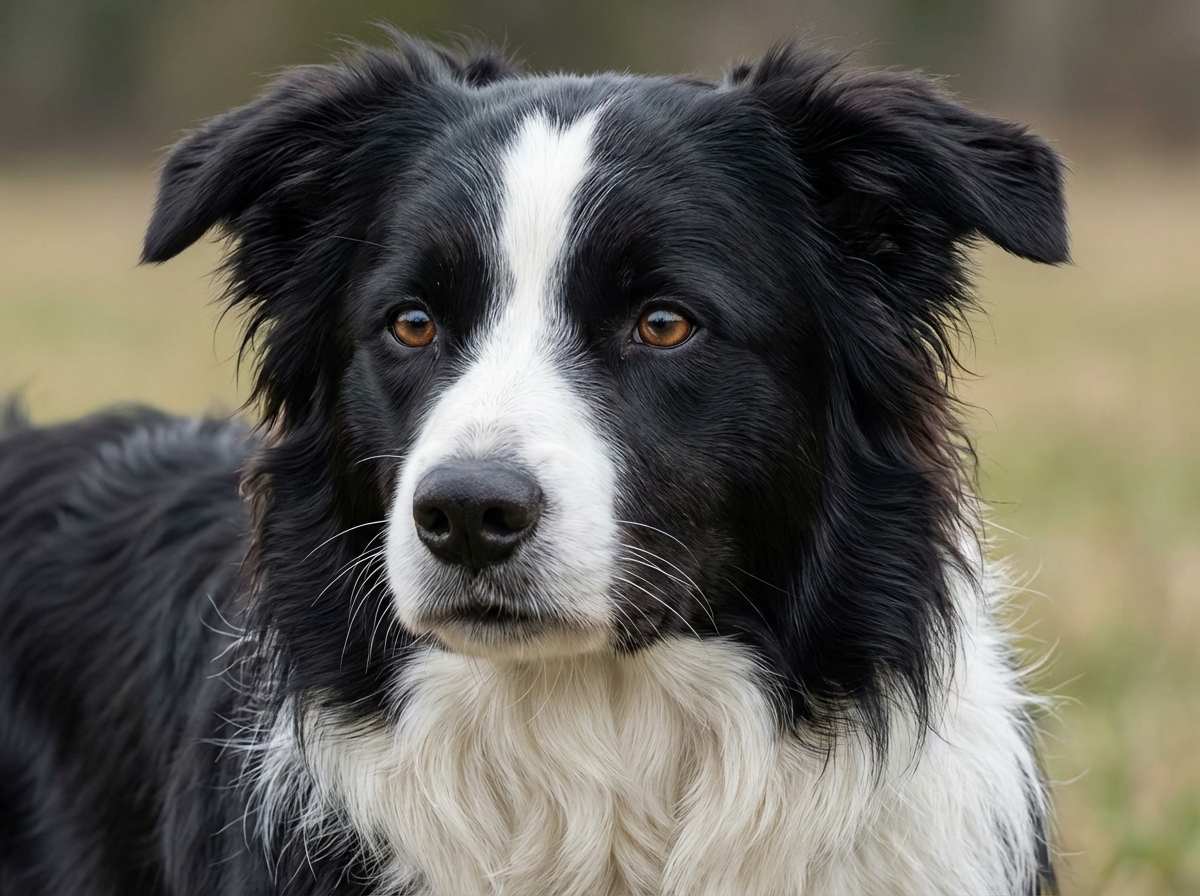
In less severe cases, you may notice occasional limping or your dog holding up a leg for brief moments. If your Border Collie seems fine after resting and can move around normally, you might not need to rush to the vet. However, keep a close eye on their activity. It's smart to have a plan in place, such as limiting exercise and using joint supplements, to manage the condition proactively.
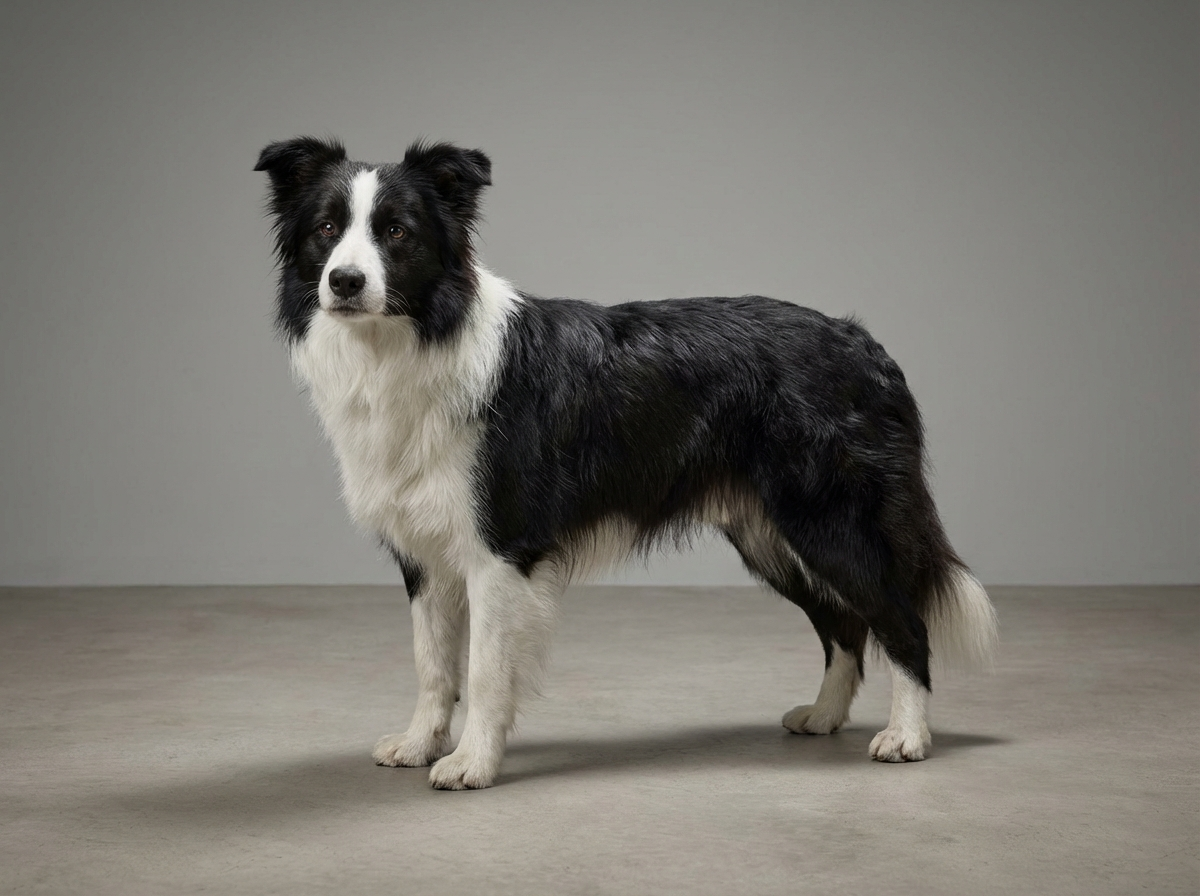
Emily, a busy teacher, adopted Max, a lively Border Collie. After a few months, she noticed Max often limping and struggling to jump. A vet diagnosed him with luxating patellas. Determined to help Max, Emily started a tailored training program focusing on strengthening his leg muscles. She also ensured he had a healthy weight and regular check-ups. After several weeks of dedication, Max began moving more comfortably and returned to his playful self, showing Emily that patience and proper care truly pay off.
Key takeaway: With consistent training and care, you can help manage luxating patellas in your Border Collie, improving their quality of life.
Luxating patellas occur when a dog's kneecap dislocates from its normal position. This can lead to pain and difficulty walking, especially in active breeds like Border Collies.
Genetics, injury, or developmental issues can cause luxating patellas in Border Collies. Certain breeds are more prone to this condition due to their bone structure and muscle development.
Look for signs like limping, difficulty jumping, or sudden yelping when moving. If you notice these symptoms, it's essential to consult a vet for a proper diagnosis.
To manage luxating patellas, ensure your dog maintains a healthy weight and engages in low-impact exercises. Additionally, consult your vet about possible surgical options if the condition is severe.
Training alone won't fix luxating patellas, but it can help strengthen the muscles around the knee. Incorporating gentle physical therapy and exercises can also assist in managing the condition.
Treatment options include physical therapy, weight management, and sometimes surgery. Your vet can recommend the best approach based on the severity of your Border Collie's condition.
Yes, some individual Border Collies may be genetically predisposed to luxating patellas. It's important to monitor their movement and discuss any concerns with your vet.
Common signs include limping, difficulty in walking, or a tendency to hold one leg up. You might also notice your dog suddenly skipping or hopping while running.
While not all cases can be prevented, maintaining a healthy weight and providing regular exercise can help reduce strain on your dog's knees. Early training can also promote proper movement.
A veterinarian will perform a physical examination and may recommend X-rays to check for knee cap dislocation. Observing your dog's movement can also provide important clues.
Treatment can range from weight management and physical therapy to surgical options in severe cases. Your vet will help determine the best approach based on your dog's specific situation.
Yes, luxating patellas can be hereditary, especially in breeds like Border Collies. It's important to choose a reputable breeder who screens for this condition to minimize risks.
To manage luxating patellas, keep your dog at a healthy weight and provide low-impact exercises. Regular vet check-ups are also crucial.
Yes, many cases can be managed through weight control, physical therapy, and supportive care, though severe cases may require surgery.
Gently support the leg and restrict activity until you can consult your vet. Avoid letting your dog jump or run until assessed.


