DogBreedCompass
← Back to breed profile

Border Collie Hip Dysplasia: Causes and Management

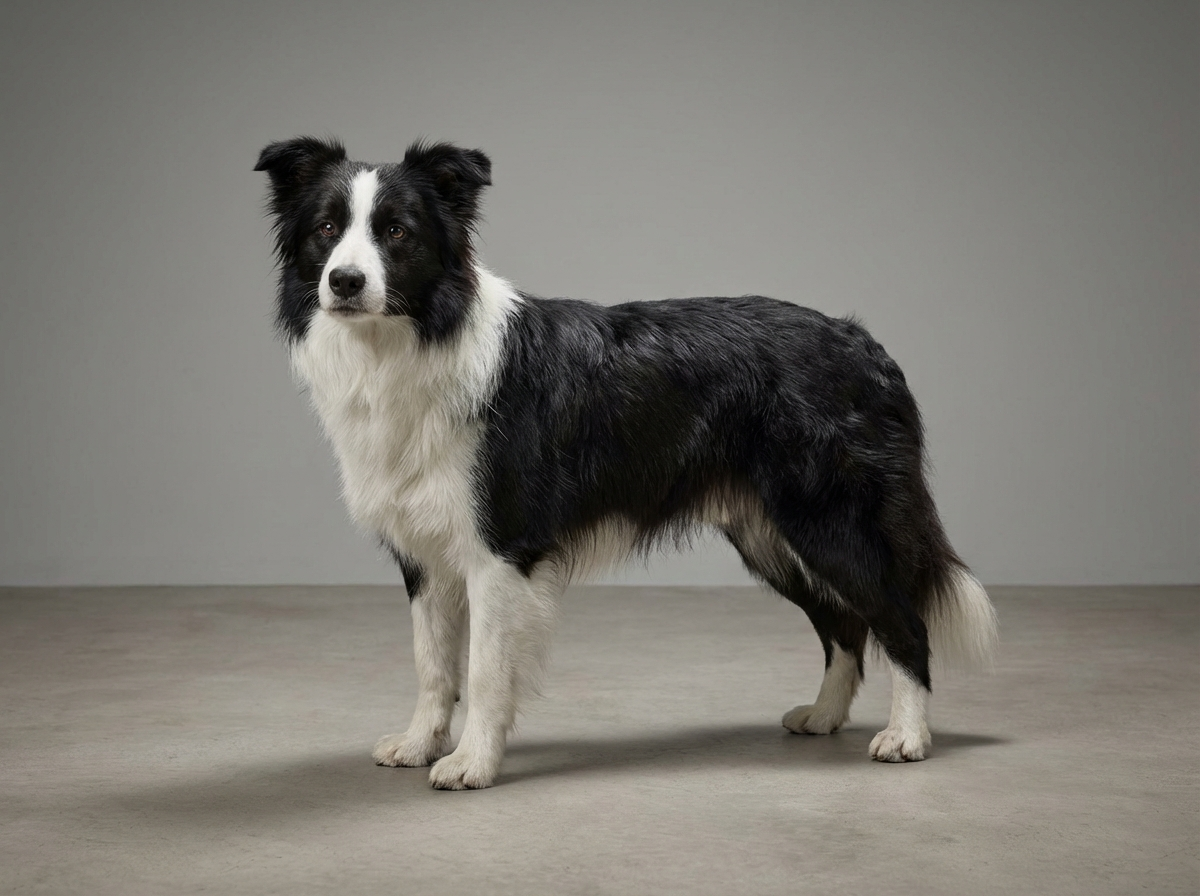
Border Collie hip dysplasia is a serious condition affecting many dogs, leading to joint pain and mobility issues.

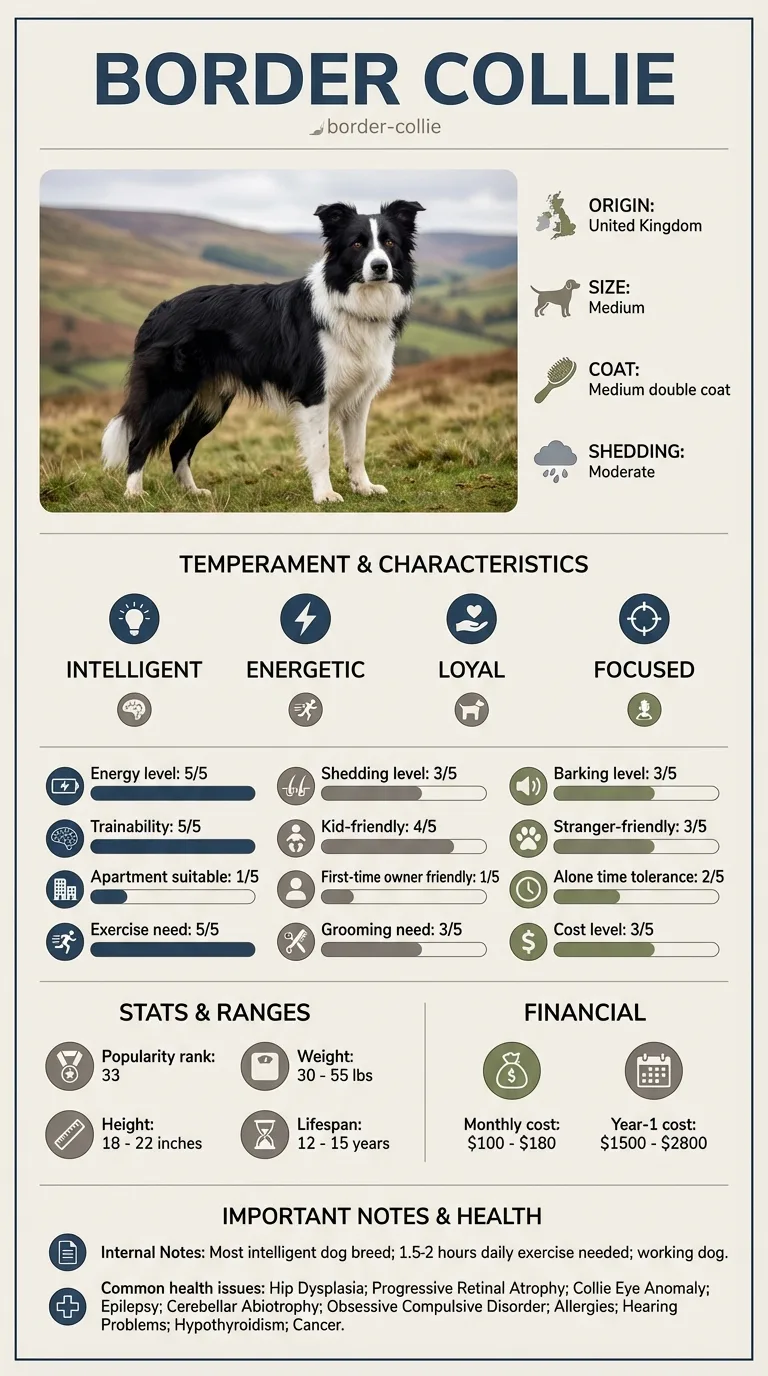
Border Collie Hip Dysplasia: Causes and Management infographic

Typically, owners of Border Collies, especially those who lead active lifestyles or have older dogs, face this challenge. Many first-time owners may not recognize the signs until their dog shows symptoms.

Important reminder

This guide is not medical advice. If your dog shows pain, sudden behavior change, or worsening symptoms, consult a licensed veterinarian.

Some links may be affiliate links. We may earn a commission at no extra cost to you. We only suggest products we believe are helpful for dog owners.

What this problem looks like

Border Collie hip dysplasia is a common health issue that affects many dogs of this breed. It occurs when the hip joints are malformed, leading to arthritis and mobility problems. You might notice your Border Collie struggling to jump, run, or play like they used to, which can be heartbreaking for any owner.

Common triggers

  • Genetics - Many Border Collies inherit this condition from their parents.
  • Obesity - Excess weight can exacerbate joint issues.
  • Over-exercising - While they need exercise, too much can strain their joints.

Hip dysplasia is quite common in Border Collies, with studies suggesting that around 20-30% of this breed may be affected. This issue highlights the importance of regular vet check-ups and maintaining a healthy weight to help prevent or manage the condition.

Why this happens

Breed factors

Border Collies are prone to hip dysplasia due to their genetic makeup. This breed is known for its energy and agility, which can put extra strain on their joints. As a result, their hip joints may develop abnormally, leading to pain and mobility issues.

Environment factors

Environmental factors can also contribute to hip dysplasia. Overweight conditions from poor diet and lack of exercise can exacerbate joint issues. Additionally, intensive exercise during puppyhood can lead to joint problems later in life.

What you can try

At-home strategies

  • Maintain a healthy weight for your Border Collie. Follow a balanced diet and consult your vet for specific feeding guidelines.
  • Provide low-impact exercises to strengthen muscles without stressing the joints, such as swimming or gentle walks.
  • Create a comfortable resting space with supportive bedding to help reduce joint pain.
  • Incorporate joint supplements, like glucosamine, into their diet after consulting with your vet.

When to consider a trainer

If your Border Collie shows signs of discomfort or difficulty moving, consider consulting a professional trainer. A trainer can provide tailored exercises and training techniques that accommodate their condition and improve mobility.

When to talk to your vet

If you notice persistent limping, difficulty standing, or changes in behavior, it’s essential to talk to a vet. Early intervention can lead to better management of Border Collie hip dysplasia and improve your dog's quality of life.

Realistic expectations

Improving your Border Collie's hip dysplasia can take several months. With consistent training and care, you may start to see positive changes within 3 to 6 months.

Success means your dog shows improved mobility, less discomfort, and can enjoy more activities without pain. You'll notice they're more energetic and able to participate in walks and playtime.

Mistakes that make this worse

Owning a Border Collie with hip dysplasia can be challenging. Unfortunately, some common behaviors can worsen their condition. Here are mistakes to avoid and safer alternatives.

  • Ignoring signs of discomfort: Many owners may overlook signs of pain or difficulty in movement. Instead, pay attention to your dog's body language and seek veterinary advice if you notice anything unusual.
  • Over-exercising: While Border Collies need regular exercise, too much can worsen hip dysplasia. Instead, provide structured, lower-impact activities like swimming or gentle walks to keep them active without straining their hips.
  • Feeding a poor diet: An unhealthy diet can lead to obesity, putting extra strain on your dog's joints. Consult your vet for a balanced diet that supports healthy weight and joint care.
  • Neglecting regular check-ups: Skipping vet visits can delay necessary treatments. Regular check-ups are essential for monitoring your dog's health and adjusting their care plan as needed.
  • Using stairs frequently: Allowing your dog to run up and down stairs can exacerbate their condition. Use ramps or help them navigate stairs carefully to reduce strain on their hips.
  • Not providing joint supplements: Some owners may not consider joint supplements for their dogs. Speak to your vet about whether glucosamine or other supplements could benefit your Border Collie.
  • Avoiding physical therapy: Some may think physical therapy is unnecessary. In reality, it can significantly improve mobility and comfort.

When Border Collie Hip Dysplasia Is an Emergency

Recognizing when Border Collie hip dysplasia becomes an emergency is crucial for your dog’s health. There are clear signs that indicate you should call your vet immediately, while other symptoms may be mild and can be monitored at home.

Emergency signs include severe limping, inability to walk, or signs of extreme pain. If your dog is whining, growling, or snapping when you touch their hips, it's time to seek immediate veterinary care. Additionally, if you notice swelling around the joints or any sudden behavioral changes, do not hesitate to contact your veterinarian.

On the other hand, less severe symptoms can often be managed at home. If your Border Collie shows some limping after exercise but is still able to walk and play, you may not need to rush to the vet. Mild discomfort, occasional stiffness, or slight changes in activity levels can be monitored with a simple plan, such as adjusting exercise routines and incorporating joint supplements. Keep an eye on these symptoms, and consult your vet if they worsen or persist.

Border Collie Hip Dysplasia: Causes and Management - When Border Collie Hip Dysplasia Is an Emergency

Finding Hope with Bella: A Border Collie's Journey

When Sarah adopted Bella, her energetic Border Collie, she quickly noticed something was off. Bella struggled to keep up during walks and often hesitated before jumping. After a vet visit, Sarah learned that Bella had hip dysplasia. Determined to help her new friend, Sarah began a tailored exercise routine and adjusted Bella's diet to include joint supplements. They also practiced gentle training exercises to build strength without putting too much strain on her hips. Over time, Bella's mobility improved, and they could enjoy more outdoor adventures together.

Key takeaway: With patience, appropriate care, and a tailored exercise plan, you can help manage your Border Collie's hip dysplasia and enhance their quality of life.

Frequently asked questions

Why does my Border Collie have hip dysplasia?

Border Collie hip dysplasia is often caused by genetic factors, but it can also be influenced by environmental factors like diet and exercise. If your Border Collie is overweight, it can put extra strain on their hips, worsening the condition. Regular vet check-ups are essential for early detection and management.

How can I stop my Border Collie from developing hip dysplasia?

To help prevent Border Collie hip dysplasia, ensure your dog maintains a healthy weight through proper diet and exercise. Avoid excessive jumping or running on hard surfaces, especially during their growth stages. Regular vet visits can help monitor their hip health.

What are the symptoms of hip dysplasia in Border Collies?

Symptoms of Border Collie hip dysplasia include difficulty getting up, reluctance to exercise, and noticeable limping or stiffness. Watch for changes in their behavior, such as decreased playfulness or difficulty climbing stairs. If you notice these signs, consult your vet.

What treatment options are available for Border Collie hip dysplasia?

Treatment for Border Collie hip dysplasia varies based on severity and may include weight management, physical therapy, and pain medications. In severe cases, surgery may be recommended. Always discuss the best options with your veterinarian.

Can training help a Border Collie with hip dysplasia?

Yes, training can help manage Border Collie hip dysplasia by focusing on low-impact activities that strengthen muscles without stressing the joints. Incorporating gentle training sessions can also keep them engaged and mentally stimulated. Consult a trainer who understands your dog's condition.

Is there a specific diet for Border Collies with hip dysplasia?

A balanced diet with appropriate nutrients can support joint health in Border Collies with hip dysplasia. Look for dog food with omega fatty acids and glucosamine. Always consult your vet before making any dietary changes.

What are the early signs of Border Collie hip dysplasia?

Early signs of Border Collie hip dysplasia include difficulty getting up, reluctance to exercise, and noticeable limping. If your dog shows any signs of discomfort or decreased activity, it's essential to consult a vet.

Can older Border Collies develop hip dysplasia?

Yes, older Border Collies can develop hip dysplasia due to age-related wear and tear on their joints. Regular check-ups can help identify any issues early, allowing for better management.

How can I help my Border Collie with hip dysplasia?

To help your Border Collie with hip dysplasia, consider low-impact exercises, weight management, and joint supplements. Always consult your vet for a tailored care plan.

Is surgery necessary for Border Collie hip dysplasia?

Surgery may be necessary in severe cases of Border Collie hip dysplasia. Your veterinarian will assess your dog's condition and recommend the best course of action, which may include surgical options.

What can I do to prevent Border Collie hip dysplasia?

While genetics play a significant role, you can help prevent Border Collie hip dysplasia by maintaining a healthy weight, providing regular moderate exercise, and ensuring they receive proper nutrition. Early training can also promote good joint health.

Quick answers

View more answers
Behavior

What are some quick tips for Border Collie hip dysplasia?

Monitor your dog's weight and keep them active with low-impact exercises. Regular vet check-ups are crucial for managing their health. Consider joint supplements to support hip health.

Living

How can I help my Border Collie with hip dysplasia feel comfortable?

Provide a soft bed and avoid slippery surfaces at home. Use ramps instead of stairs when possible. Keeping their environment safe can reduce strain on their hips.

Costs

What should I know about the costs of treating Border Collie hip dysplasia?

Treatment costs can vary widely, typically ranging from $1,500 to $4,000 depending on the severity and type of treatment needed. Always budget for ongoing vet visits and medication.

Related DogBreedCompass guides

  • How to stop Border Collie hip dysplasiaLearn about effective strategies to address hip dysplasia in Border Collies.
  • Border Collie hip dysplasia trainingExplore training methods specifically designed for managing Border Collie hip dysplasia.
  • Border Collie behavior problemsUnderstand common behavior issues that may arise with Border Collies.
  • Border Collie separation anxiety guideFind tips for preventing separation anxiety, which can be common in Border Collies.
  • Border Collie cost breakdownGet insights into the overall cost of owning a Border Collie, including health issues.

Related guides