Health
What are Border Collie glaucoma quick tips?
Keep your Border Collie’s environment safe and stress-free, and ensure regular vet check-ups to monitor their eye health.

Quick answer
What are Border Collie glaucoma quick tips?
Keep your Border Collie’s environment safe and stress-free, and ensure regular vet check-ups to monitor their eye health.
Border Collie glaucoma is a serious eye condition that can lead to blindness if not treated. It’s caused by increased pressure in the eye, which can be painful for your dog.
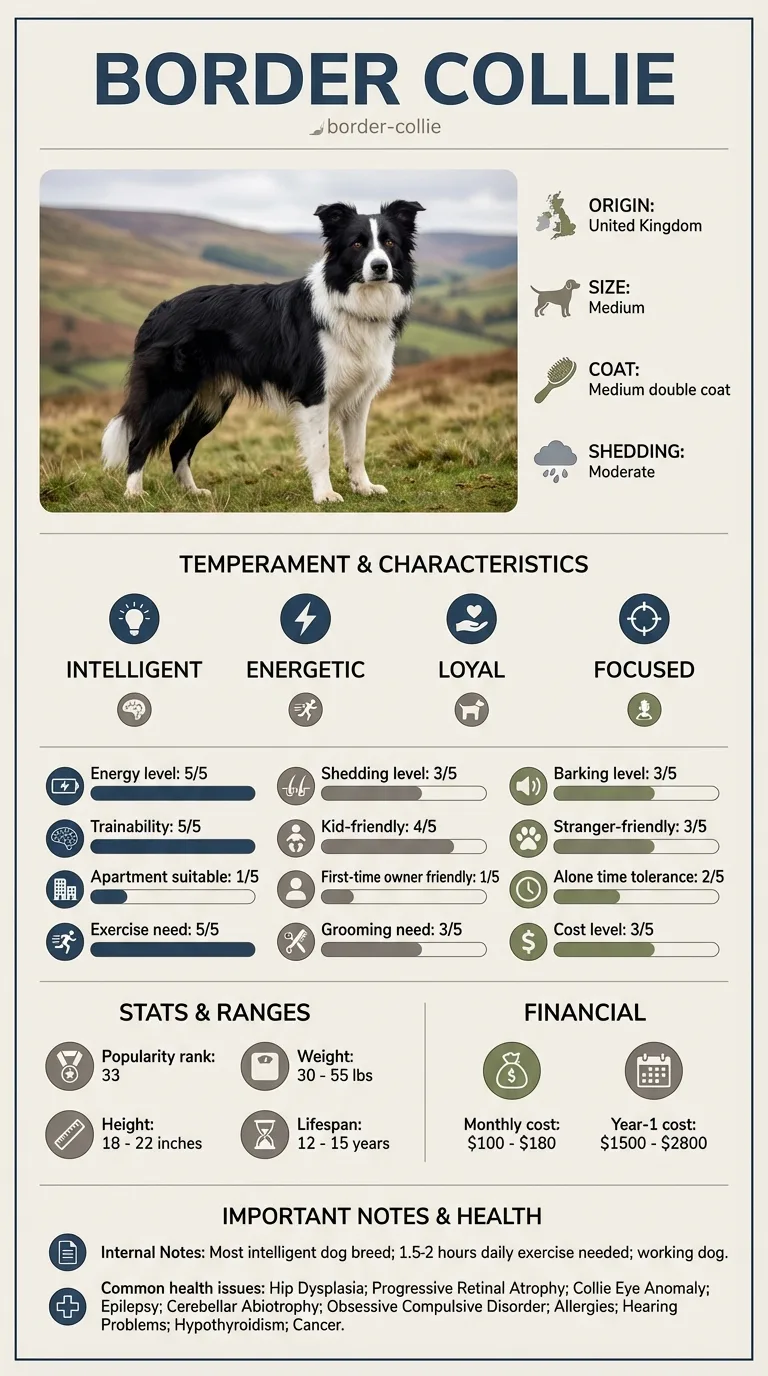
Owners of Border Collies, especially those with older dogs, often face the challenge of noticing subtle signs of eye problems. Busy families or first-time dog owners may struggle to recognize the symptoms early enough to seek help.
This guide is not medical advice. If your dog shows pain, sudden behavior change, or worsening symptoms, consult a licensed veterinarian.
Some links may be affiliate links. We may earn a commission at no extra cost to you. We only suggest products we believe are helpful for dog owners.
We research and check what we publish, but we do not warrant that any figure, date, price, or statement is accurate, complete, or current, and we accept no liability for any loss, cost, injury, or other harm arising from the use of this site. Use it as one reference among several. You remain responsible for your own decisions and for your dog's care - confirm anything that matters with a licensed veterinarian or another qualified professional before you act on it. Full disclaimer.
Check this first
Recognizing when your Border Collie may be experiencing glaucoma is crucial. This eye condition can lead to severe pain and vision loss if not treated promptly. Here are some red-flag signs to watch for that indicate an emergency versus mild cases that can be monitored at home.
If any of these apply, call your vet or an emergency clinic now. The rest of this page is for the cases that are not an emergency.
Border Collie glaucoma is a serious eye condition that affects the pressure inside the eye. This often leads to pain, vision loss, and can even result in blindness if left untreated. It may manifest as excessive squinting, rubbing of the eyes, or cloudy pupils in your Border Collie.
Glaucoma is relatively common in Border Collies, especially as they age. While not every Border Collie will develop this condition, awareness and regular vet check-ups are crucial, particularly for those over the age of 6.
Border Collies are prone to certain genetic conditions, including glaucoma. This breed can have inherited traits that affect eye health, leading to increased pressure within the eye.
Environmental factors like stress, lack of proper nutrition, and inadequate exercise can contribute to the development of glaucoma. A stressful home environment or exposure to allergens may also impact their eye health.
If you notice symptoms like excessive tearing, redness in the eyes, or signs of discomfort, contact your vet immediately. Early intervention is crucial for managing glaucoma effectively.
Understanding common mistakes can help you manage your Border Collie's glaucoma effectively. Here are some behaviors to avoid.
Start here: Border Collie Most Common Genetic Disorders: Screening
See all Border Collie health problems, which breeds are prone to glaucoma, or the full Border Collie breed guide for temperament, exercise needs and ownership costs.
Managing Border Collie glaucoma usually requires ongoing care and may take several weeks to see improvements in comfort and behavior after starting treatment.
Success means your Border Collie experiences reduced discomfort, improved vision, and a more active lifestyle. Regular vet check-ups and consistent medication are key to achieving this.
If your Border Collie shows any of the following symptoms, it's crucial to seek veterinary assistance immediately.

In less severe situations, you may notice mild symptoms like slight discomfort or minor discharge. These cases can often be monitored with a plan. Keep an eye on your dog’s behavior and schedule regular check-ups with your vet to ensure the condition does not worsen.

Jessica, a busy school teacher, noticed her Border Collie, Max, seemed more reluctant to fetch his favorite ball. After a vet visit, she learned he had glaucoma. Jessica felt overwhelmed but followed the vet's instructions diligently. She administered eye drops daily and adjusted their playtime to avoid too much strain on his eyes. Within a few weeks, Max showed signs of improvement. He became more playful and engaged again, helping Jessica feel hopeful about their future together.
Key takeaway: With timely intervention and consistent care, managing Border Collie glaucoma can help restore your dog's quality of life.
Border Collies can develop glaucoma due to various factors, including genetics and underlying health issues. It's crucial to have your vet evaluate your dog's eye health to determine the cause and appropriate treatment.
Treating Border Collie glaucoma often involves medications to reduce eye pressure or surgery in severe cases. Always consult with your veterinarian for the best treatment plan tailored for your dog.
Common symptoms include redness in the eye, excessive tearing, squinting, or a cloudy appearance. If you notice any of these signs, contact your veterinarian promptly for evaluation.
While not all cases can be prevented, regular veterinary check-ups can help monitor eye health. Early intervention can slow the progression of the disease and help maintain your dog's quality of life.
Limit activities that could cause eye injury, and ensure your dog is in a low-stress environment. Regular vet visits and monitoring their behavior will also help manage their condition more effectively.
Early signs of Border Collie glaucoma can include excessive tearing, redness of the eye, and changes in pupil size. If you notice your dog squinting or showing signs of discomfort, it's important to consult a vet as soon as possible.
Yes, older Border Collies are at a higher risk of developing glaucoma. Regular eye check-ups are crucial for older dogs, as early detection can prevent severe vision loss.
Managing Border Collie glaucoma typically involves medication to reduce eye pressure and regular vet visits. Sometimes, surgery might be needed, so discuss treatment options with your vet to find the best plan for your dog.
Training a Border Collie with glaucoma may require adjustments to ensure their safety. Use consistent commands and a gentle approach, allowing them to navigate their environment comfortably while being mindful of their vision limitations.
Keep your Border Collie’s environment safe and stress-free, and ensure regular vet check-ups to monitor their eye health.
Aim for at least twice a year for routine eye exams, especially if your dog is at risk for glaucoma.
Treatment can range from $100 to $500 per month depending on medication or surgery needs. Be prepared for ongoing costs.
Yes, training can help your dog adapt to their condition. Focus on positive reinforcement to make adjustments less stressful.
Look for signs of discomfort, such as pawing at their eyes or changes in activity level. These could indicate issues that need immediate attention.
A one-page prep sheet for this condition: the signs, the questions to ask, what to get priced. Unlocks here.
You get: Vet visit prep sheet
No spam. One-click unsubscribe. See our privacy policy.
Preview page 1 before you decide.