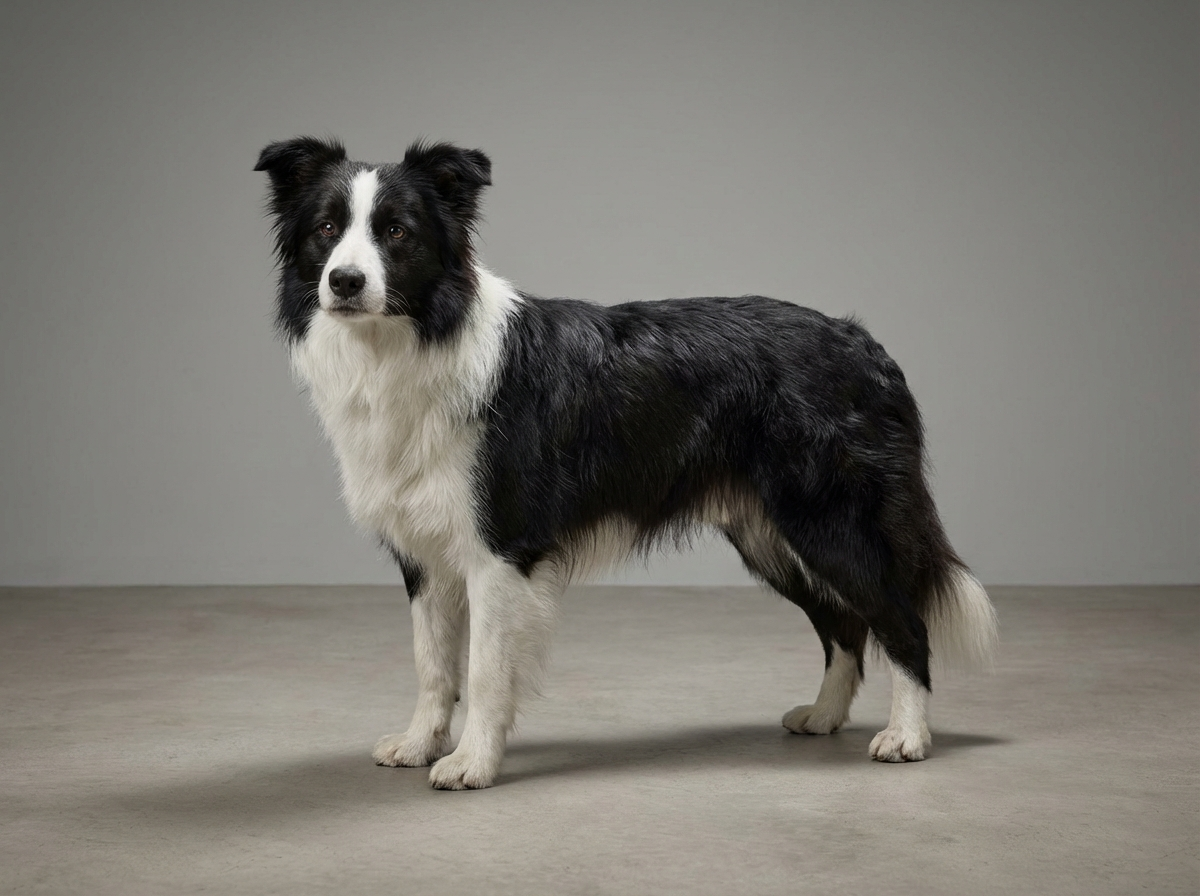
Behavior
What are quick tips for managing Border Collie cddy?
Regular vet check-ups, controlled exercise, and a healthy diet are crucial for managing cddy. Pay attention to your dog's mobility and adjust activities accordingly.

Quick answer
What are quick tips for managing Border Collie cddy?
Regular vet check-ups, controlled exercise, and a healthy diet are crucial for managing cddy. Pay attention to your dog's mobility and adjust activities accordingly.
Border Collie chondrodystrophy (cddy) is a developmental disorder that affects bone growth, leading to potential health issues in your furry friend.
Typically, owners of Border Collies with this condition face challenges in managing their dog's health and behavior. This includes those who may not have prior experience with genetic disorders in pets, as well as busy families who need to balance care with their daily lives.
This guide is not medical advice. If your dog shows pain, sudden behavior change, or worsening symptoms, consult a licensed veterinarian.
Some links may be affiliate links. We may earn a commission at no extra cost to you. We only suggest products we believe are helpful for dog owners.
We research and check what we publish, but we do not warrant that any figure, date, price, or statement is accurate, complete, or current, and we accept no liability for any loss, cost, injury, or other harm arising from the use of this site. Use it as one reference among several. You remain responsible for your own decisions and for your dog's care - confirm anything that matters with a licensed veterinarian or another qualified professional before you act on it. Full disclaimer.
Check this first
Recognizing when Border Collie chondrodystrophy (cddy) is an emergency is crucial for your dog's health. You should contact your vet immediately if you notice any of the following red-flag signs: severe pain, inability to walk, excessive drooling, or sudden changes in behavior such as lethargy or aggression. These symptoms can indicate serious complications that require urgent care.
In less severe cases, you can monitor your Border Collie at home. If your dog shows mild signs of discomfort, such as occasional limping or reduced activity, keep a close eye on them. Create a plan that includes gentle exercise and regular vet check-ups to ensure their condition doesn't worsen. This approach can help manage the condition without immediate medical intervention.
Always trust your instincts. If you're unsure about your dog's symptoms or feel something is off, it's better to err on the side of caution and consult your vet. Being proactive can prevent complications and improve your dog's quality of life.
If any of these apply, call your vet or an emergency clinic now. The rest of this page is for the cases that are not an emergency.
Border Collie chondrodystrophy (cddy) is a developmental disorder that can affect your dog's bone structure. This condition typically leads to shorter limbs and deformities in the spine, which can cause pain and mobility issues. Day-to-day, you may notice your Border Collie having difficulty walking or displaying reluctance to engage in physical activities they once enjoyed.
Chondrodystrophy is relatively common in Border Collies compared to other breeds. While not every Border Collie will develop this condition, it's a concern for many owners. Regular check-ups with a vet can help catch early signs and manage the condition effectively.
Border Collie chondrodystrophy (cddy) is often linked to genetic factors. This breed is known for its intelligence and agility but is also prone to certain hereditary disorders. Chondrodystrophy can lead to abnormal bone development, particularly in the legs and spine, impacting their mobility.
Environmental factors can also play a role in chondrodystrophy. Poor nutrition during crucial growth phases can exacerbate genetic issues. Additionally, lack of proper exercise may lead to weight gain, putting extra stress on their bones and joints.
Consult a veterinarian if you suspect your Border Collie has chondrodystrophy (cddy). They can provide a proper diagnosis and recommend treatments or therapies to manage the condition effectively.
Understanding common mistakes can help you manage your Border Collie's chondrodystrophy (cddy) more effectively. Here are some habits that may unintentionally worsen the condition and safer alternatives to consider.
Start here: Border Collie Most Common Genetic Disorders: Screening
See all Border Collie health problems, which breeds are prone to chondrodystrophy cddy, or the full Border Collie breed guide for temperament, exercise needs and ownership costs.
You can expect to see improvements in your Border Collie's chondrodystrophy (cddy) symptoms within 3 to 6 months of consistent care and follow-up with your vet. Regular vet check-ups are essential during this time.
Success means your Border Collie will have better mobility and comfort. You'll notice a decrease in discomfort, improved exercise tolerance, and a happier demeanor.
When Sarah, a busy nurse from Chicago, adopted Max, her Border Collie, she quickly noticed he struggled with mobility. After a vet visit confirmed Max's diagnosis of chondrodystrophy (cddy), Sarah felt overwhelmed. She got serious about Max's care by incorporating gentle exercises, a balanced diet, and regular vet visits. Over time, Max showed improvement; he began to play and interact more. His joy was infectious, and Sarah realized that patience and consistency made all the difference.
Key takeaway: With the right approach and support, you can help your Border Collie manage chondrodystrophy (cddy) effectively. It’s all about understanding their needs and staying committed to their care.
Chondrodystrophy is often inherited, meaning it's passed down genetically from the parents. If your Border Collie shows symptoms, it's crucial to consult a veterinarian for a diagnosis and to discuss any family history. Early detection and intervention can improve quality of life.
While there is no cure for chondrodystrophy, managing your dog's weight and providing a tailored exercise routine can help maintain mobility. Regular vet check-ups are essential for monitoring the condition and adjusting care as needed. Physical therapy may also be beneficial.
Positive reinforcement training works best for Border Collies, especially those with cddy. Focus on short training sessions that accommodate their physical limitations. Consistency and patience are key, so adjust your training techniques to keep them comfortable.
Yes, many dogs with chondrodystrophy can lead fulfilling lives with proper care and adjustments. Regular vet visits, a balanced diet, and appropriate exercise can keep them happy and healthy. Monitor their activity and comfort levels closely.
Signs of Border Collie chondrodystrophy (cddy) include abnormal bone development, which can lead to deformities in the limbs and spine. You might notice difficulty in movement, stiffness, or unusual postures. If you see these signs, consult your vet for a proper diagnosis.
While diet alone won't cure Border Collie chondrodystrophy (cddy), maintaining a healthy diet can help manage symptoms. A balanced diet rich in nutrients can support overall health and bone strength. Always discuss any dietary changes with your vet.
Yes, chondrodystrophy (cddy) in Border Collies is considered a hereditary condition. This means that it can be passed down from parent dogs to their puppies. Responsible breeding practices can help reduce the occurrence of this disorder.
If your Border Collie shows signs of difficulty moving or has noticeable limb deformities, it's important to see a vet. Early detection can help in managing the condition effectively. Regular vet check-ups are essential for all dogs, especially those with known health issues.
Training can be beneficial for a Border Collie with chondrodystrophy (cddy) by providing mental stimulation and encouraging gentle physical activity. Focus on positive reinforcement techniques and avoid overexertion. Always consult with a professional trainer who understands the condition.
Regular vet check-ups, controlled exercise, and a healthy diet are crucial for managing cddy. Pay attention to your dog's mobility and adjust activities accordingly.
Surgery may be considered in severe cases, but it's best discussed with your vet. They can guide you on whether it's appropriate based on your dog's condition.
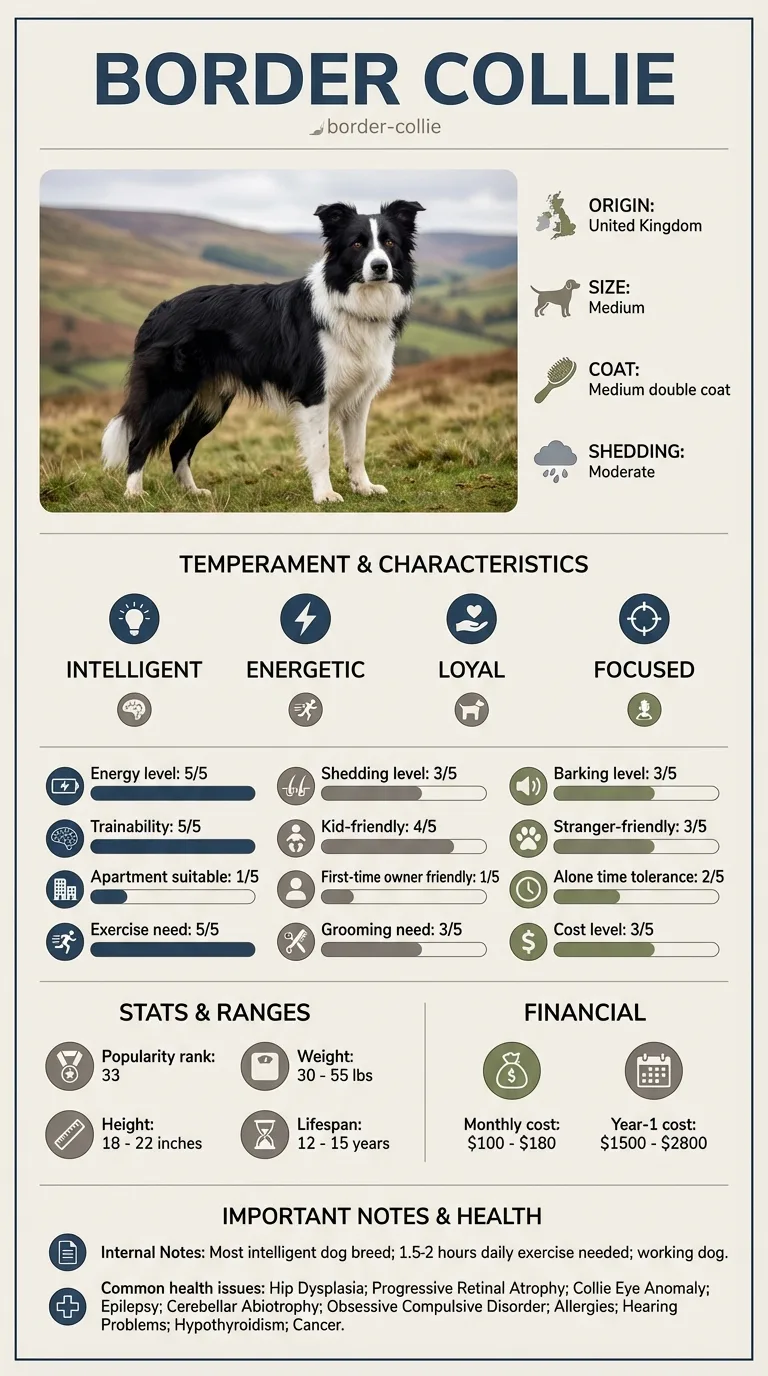
Monthly costs can range from $100 to $180, depending on their specific needs and vet visits. Be prepared for potential additional expenses related to their condition.
Yes, but tailor the training to their abilities. Use positive reinforcement and short sessions to keep them engaged without causing discomfort.
Look for changes in mobility or behavior, such as reluctance to move or play. Early intervention can help manage symptoms effectively.
A one-page prep sheet for this condition: the signs, the questions to ask, what to get priced. Unlocks here.
You get: Vet visit prep sheet
No spam. One-click unsubscribe. See our privacy policy.
Preview page 1 before you decide.