Behavior
What are quick tips for Bloodhound small nostrils (stenotic nares)?
Keep your Bloodhound cool and avoid heavy exercise during hot weather. Regular vet visits can help monitor their condition and catch problems early.

Quick answer
What are quick tips for Bloodhound small nostrils (stenotic nares)?
Keep your Bloodhound cool and avoid heavy exercise during hot weather. Regular vet visits can help monitor their condition and catch problems early.
Bloodhound small nostrils, or stenotic nares, can lead to serious breathing problems. This condition makes it tough for your dog to get enough air, which is essential for their overall health. (Bloodhound small nostrils (stenotic nares))
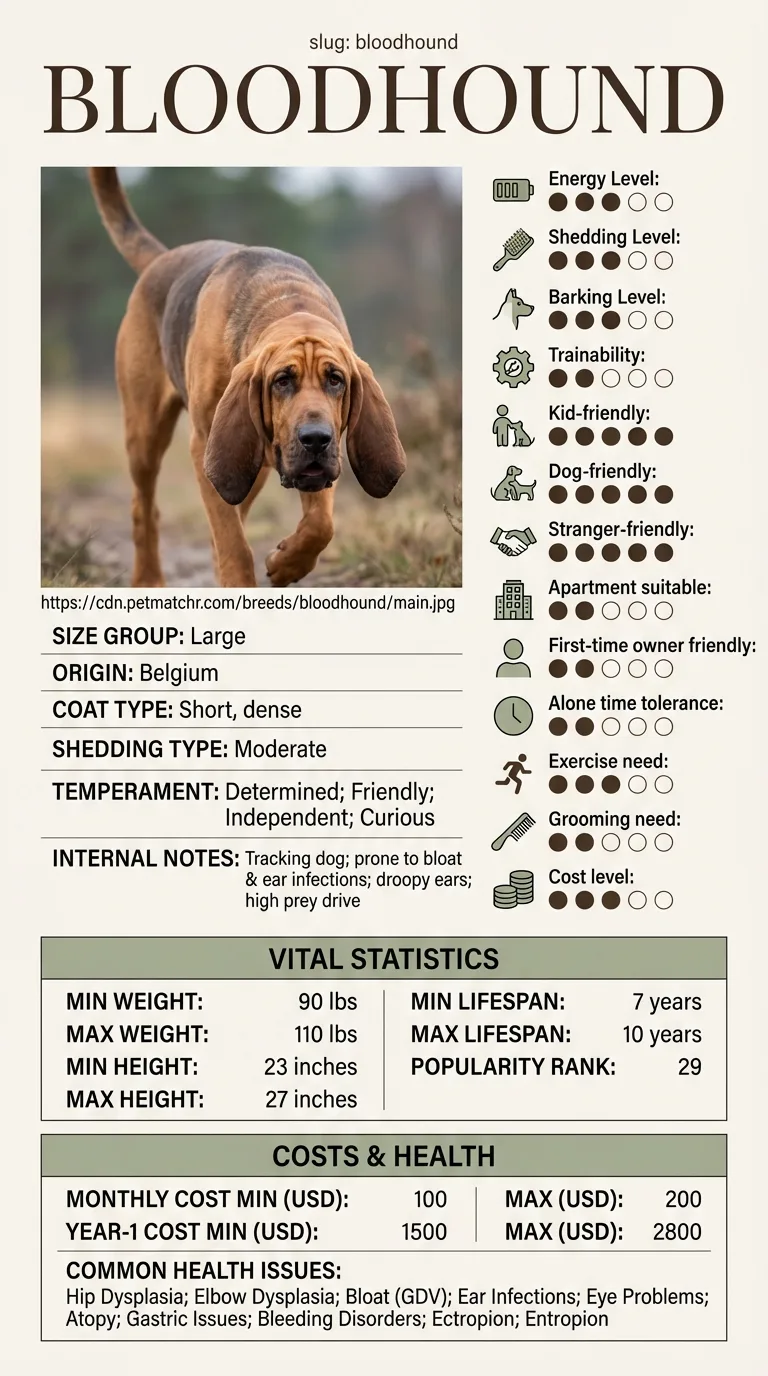
Typically, first-time Bloodhound owners or families who have busy lifestyles may struggle with this issue. If you live in a warmer climate or frequently exercise your Bloodhound, you may notice them panting excessively or having difficulty breathing. Understanding this condition will help you provide better care and support for your beloved pet.
This guide is not medical advice. If your dog shows pain, sudden behavior change, or worsening symptoms, consult a licensed veterinarian.
Some links may be affiliate links. We may earn a commission at no extra cost to you. We only suggest products we believe are helpful for dog owners.
We research and check what we publish, but we do not warrant that any figure, date, price, or statement is accurate, complete, or current, and we accept no liability for any loss, cost, injury, or other harm arising from the use of this site. Use it as one reference among several. You remain responsible for your own decisions and for your dog's care - confirm anything that matters with a licensed veterinarian or another qualified professional before you act on it. Full disclaimer.
Check this first
Small nostrils, or stenotic nares, in Bloodhounds can lead to breathing difficulties. It's crucial to recognize when this condition becomes an emergency. If your Bloodhound shows severe signs, such as struggling for breath, excessive panting, or blue-tinged gums, you should contact your vet immediately. These are red flags that indicate your dog may be in serious trouble and needs urgent care.
On the other hand, mild cases may not require immediate action. If your Bloodhound occasionally seems to have trouble breathing but can still eat, drink, and play normally, you can monitor the situation. Keep a close eye on their behavior and note any changes. If you notice persistent labored breathing or coughing, it’s time to consult your vet.
In summary, the key is to be vigilant. Recognizing when to take action can make all the difference in your Bloodhound's health. If you're ever in doubt, it's better to err on the side of caution and seek professional help. Your furry friend deserves the best care possible.
If any of these apply, call your vet or an emergency clinic now. The rest of this page is for the cases that are not an emergency.
Bloodhound small nostrils, or stenotic nares, is a condition where a dog has narrow nasal passages. This can lead to breathing difficulties, especially during physical activity or in hot weather. Owners may notice their Bloodhound struggling to breathe, snorting, or panting excessively, which can be distressing for both the dog and the owner.
This issue is relatively common among Bloodhounds due to their unique facial structure. Many owners report observing symptoms as early as puppyhood, but it can worsen with age or weight gain. Overall, it's essential for prospective Bloodhound owners to be aware of this condition.
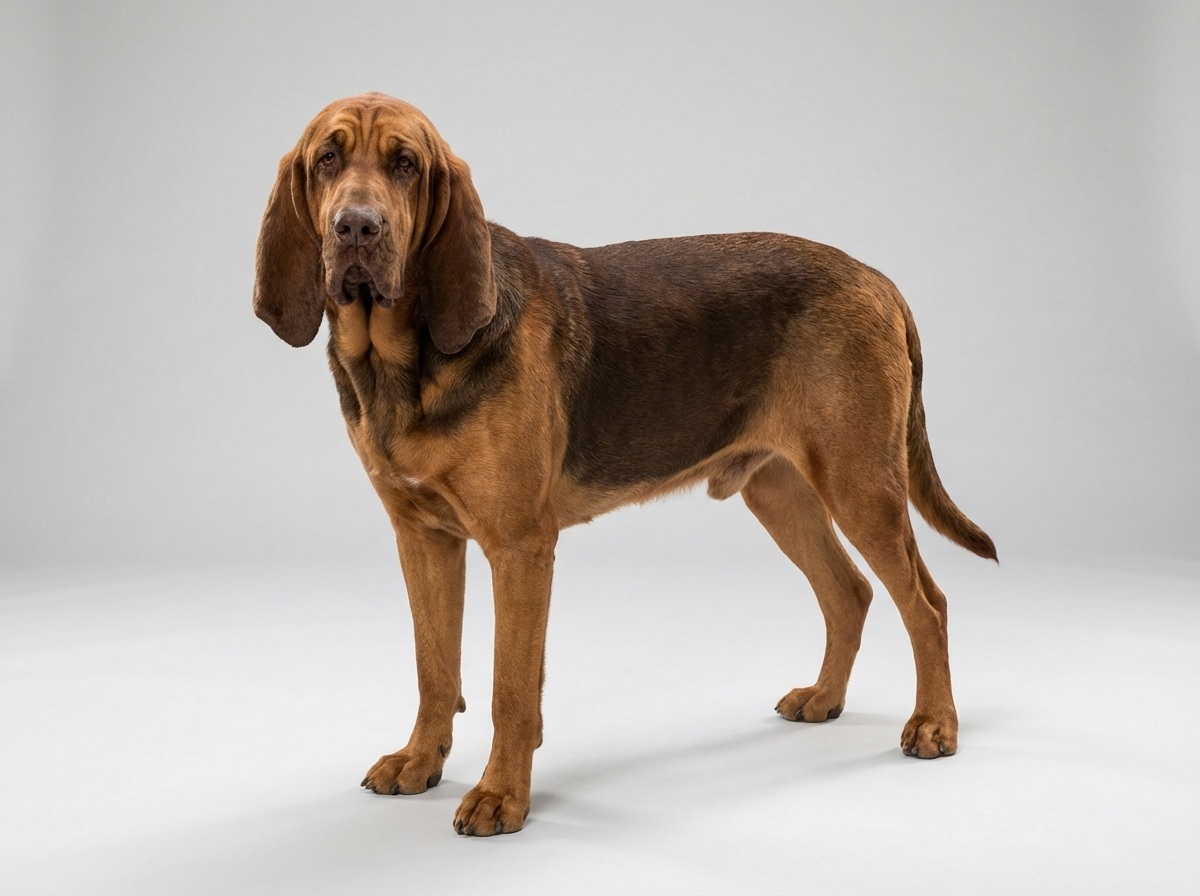
Bloodhounds have a unique facial structure that can lead to small nostrils or stenotic nares. This breed was designed for tracking, which means their noses are important for their work. However, this distinctive feature can also result in breathing difficulties due to the narrowing of their nasal passages.
Environmental factors like obesity, heat, and allergens can worsen the breathing issues associated with small nostrils. A Bloodhound that is overweight may struggle more with airflow. Additionally, exposure to smoke, pollen, or other irritants can exacerbate their breathing problems.
If your Bloodhound is experiencing severe breathing difficulties, such as wheezing or persistent cough, it's essential to talk to a vet. They may recommend treatments or surgical options to address stenotic nares and ensure your dog can breathe comfortably.
Avoiding these common mistakes can help improve your Bloodhound's condition.
Start here: Bloodhound Most Common Genetic Disorders: What to Screen For
See all Bloodhound health problems, which breeds are prone to small nostrils stenotic nares, or the full Bloodhound breed guide for temperament, exercise needs and ownership costs.
You can expect to see improvements within 4 to 8 weeks of consistent care and management techniques.
Success looks like your Bloodhound being able to breathe more easily, showing increased energy and reduced signs of distress when exercising.
Maggie, a first-time dog owner, noticed that her Bloodhound, Duke, often struggled to breathe during walks. Concerned, she learned that his small nostrils were causing stenotic nares, making exercise a challenge. After consulting with her vet, she started a training program focusing on gradual exercise increases and specific commands to help him manage his breathing. With patience and consistency, Duke began to enjoy his walks again and showed more enthusiasm during playtime, marking a significant improvement in his quality of life.
Key takeaway: With dedicated training and proper management, even a Bloodhound with small nostrils can thrive and enjoy outdoor activities.
Bloodhounds often have small nostrils due to their breed's physical structure. This condition can lead to breathing difficulties, especially during exercise or in hot weather. It's essential to monitor your dog's breathing and consult a vet if you notice any issues.
To help your Bloodhound, ensure they have a comfortable environment and avoid strenuous activities in hot weather. Regular vet check-ups can help manage any potential complications from this condition. In severe cases, surgery may be necessary to improve airflow.
Watch for signs like excessive panting, coughing, or difficulty breathing, especially after exercise. If your Bloodhound seems lethargic or has a blue tint to their gums, seek veterinary attention immediately. Early intervention is key.
Training can help manage behaviors associated with breathing difficulties, but it won't change the physical condition of the nostrils. Positive reinforcement techniques can keep your Bloodhound engaged and less stressed, which can help with overall well-being.
Yes, small nostrils can impact a Bloodhound's quality of life, especially if they struggle to breathe. By providing a supportive environment and regular veterinary care, you can help them live comfortably and happily.
If your Bloodhound is struggling to breathe, snoring loudly, or showing signs of distress during exercise, these may indicate worsening stenotic nares. Frequent coughing or gagging can also be a sign. Always consult your vet if you notice these symptoms.
Yes, older Bloodhounds may be more susceptible to complications from small nostrils. Their overall health can decline with age, making breathing issues more pronounced. Regular vet check-ups are crucial for managing their health.
While some owners might consider home remedies, it's essential to consult a vet for proper advice. Simple adjustments, like maintaining a healthy weight and using a harness instead of a collar, can help. Avoiding allergens may also improve their breathing.
Training can assist in managing your Bloodhound's behavior, especially if they become anxious due to breathing difficulties. Positive reinforcement techniques can help them remain calm. However, training alone won't fix the physical issue of stenotic nares.
Surgery may be considered if your Bloodhound's breathing problems significantly impact their quality of life or if they experience severe complications. A veterinarian can assess the situation and recommend the best course of action.
Keep your Bloodhound cool and avoid heavy exercise during hot weather. Regular vet visits can help monitor their condition and catch problems early.
Use positive reinforcement to train your Bloodhound. Focus on tasks that don't require heavy breathing, and be patient with their limitations.
Look for signs of breathing difficulty, like excessive panting or lethargy. If you notice any concerning symptoms, consult your vet right away.
Costs can range from regular vet check-ups to potential surgery, which could be several hundred to thousands of dollars. Budget for ongoing care to ensure your Bloodhound stays healthy.
A one-page prep sheet for this condition: the signs, the questions to ask, what to get priced. Unlocks here.
You get: Vet visit prep sheet
No spam. One-click unsubscribe. See our privacy policy.
Preview page 1 before you decide.