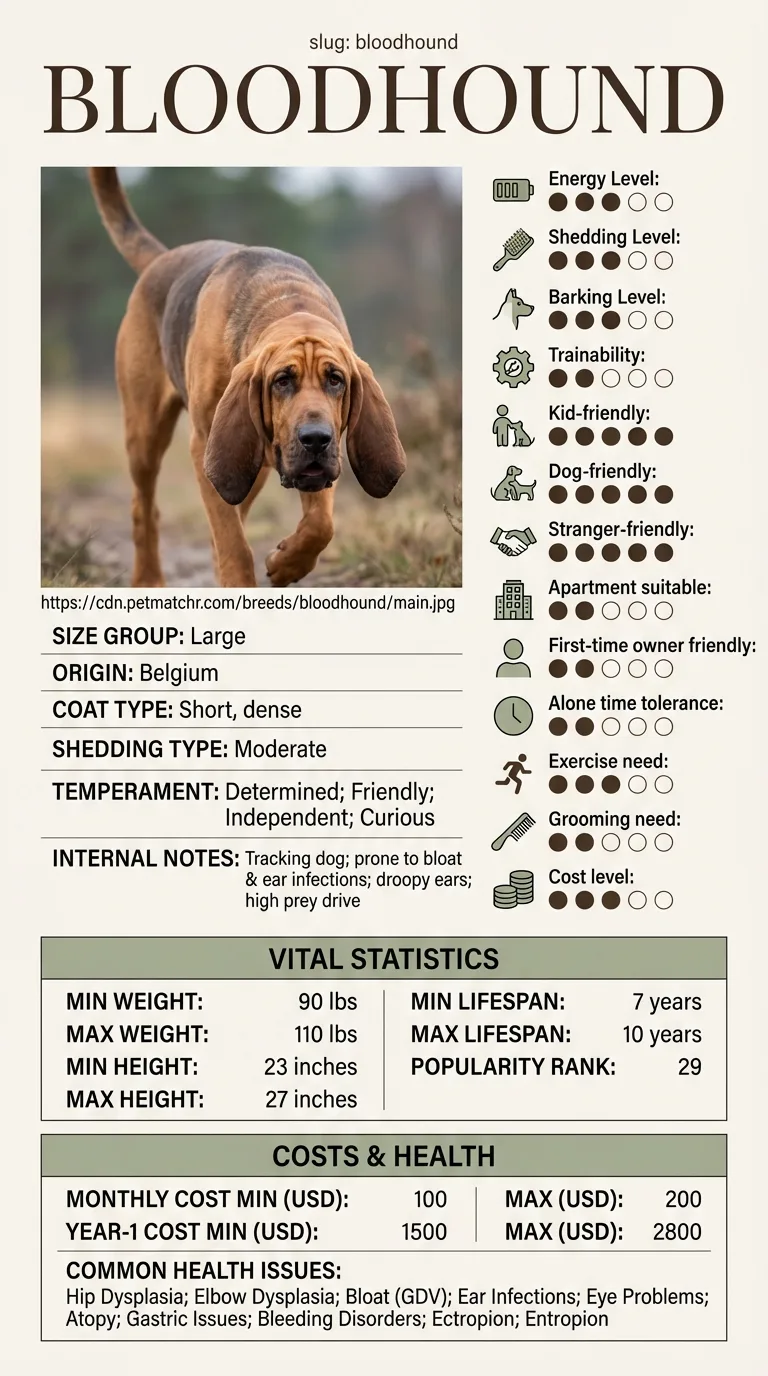
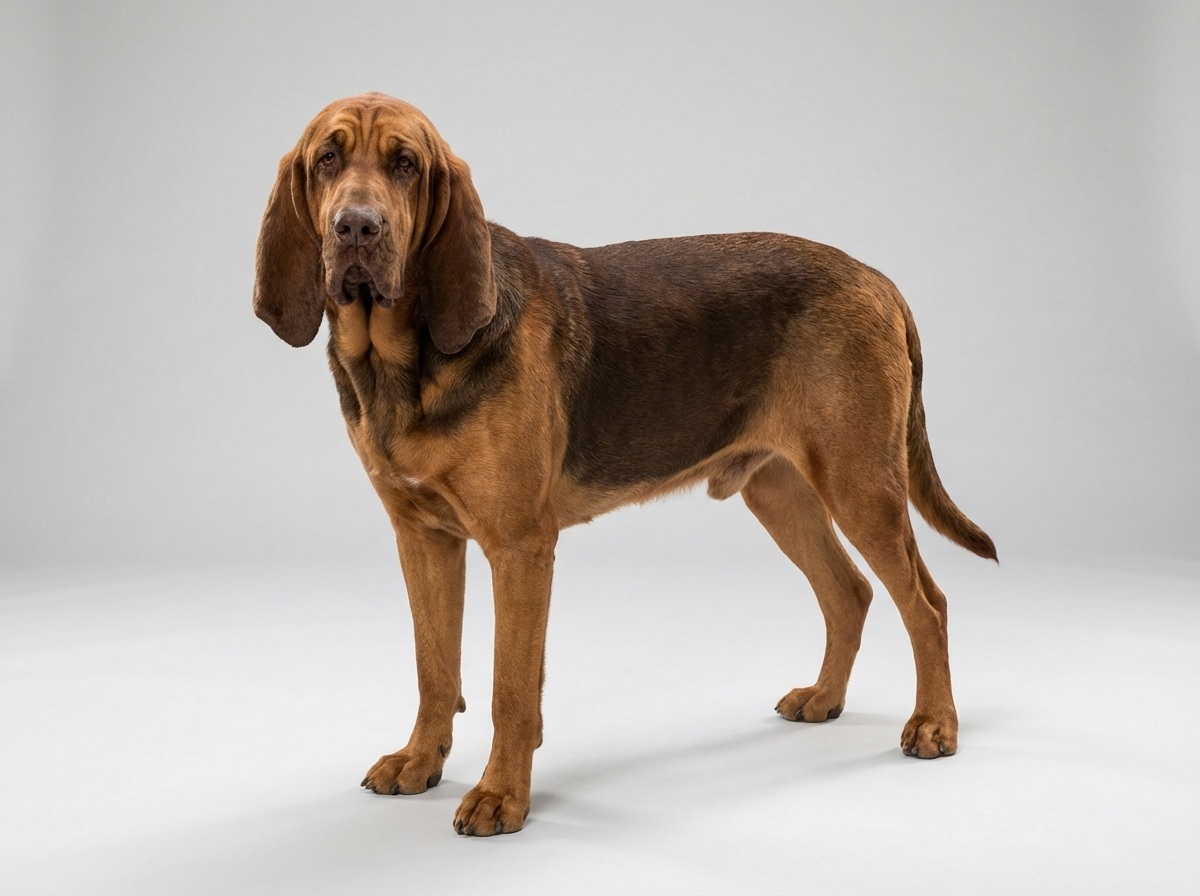
What are quick tips for Bloodhound skin allergies?
Keep your Bloodhound's environment clean and minimize exposure to known allergens. Regularly groom them to reduce shedding and skin irritation. Consult your vet for tailored treatment options.
Bloodhound skin allergies can lead to itching and irritation, affecting your dog's quality of life. It's essential to identify the causes and find effective solutions.

Owners of Bloodhounds, especially first-time dog parents, may struggle with this issue. Those living in allergy-prone areas or with dogs that have sensitive skin may find it particularly challenging.
This guide is not medical advice. If your dog shows pain, sudden behavior change, or worsening symptoms, consult a licensed veterinarian.
Some links may be affiliate links. We may earn a commission at no extra cost to you. We only suggest products we believe are helpful for dog owners.
Bloodhound skin allergies can be a frustrating issue for both the dog and the owner. Daily symptoms often include itching, redness, and irritation, which can lead to secondary infections if not managed properly. These allergies are common due to the breed's sensitive skin and environmental triggers.
Skin allergies are relatively common in Bloodhounds, with many owners reporting issues at some point in their pet's life. The breed's unique skin structure makes them particularly susceptible to environmental irritants.
Bloodhounds are prone to certain genetic factors that can lead to skin allergies. Their unique coat type can trap dirt and moisture, leading to irritation. Additionally, their droopy ears can create a warm, moist environment that invites infections and allergies.
Environmental triggers such as pollen, dust mites, or certain foods can also cause skin allergies in Bloodhounds. Changes in climate or exposure to harsh chemicals in cleaning products may worsen their skin condition. Stress can also lead to increased scratching and skin irritation.
If your Bloodhound's skin allergies lead to excessive scratching or behavioral changes, consider consulting a professional trainer. They can help address anxiety or stress-related behaviors that may be exacerbating the problem.
If at-home strategies don't improve your Bloodhound's condition, it's time to talk to your vet. Persistent symptoms might require allergy testing or prescription medications to manage their skin allergies effectively.
You can expect to see improvement in about 4 to 8 weeks after starting a consistent treatment plan for Bloodhound skin allergies.
Success looks like reduced itching and irritation, clearer skin, and fewer vet visits for secondary infections.
Avoiding common mistakes can help your Bloodhound's skin allergies improve. Here are some behaviors to watch out for:
Recognizing when Bloodhound skin allergies become an emergency is crucial for your dog's health. If your Bloodhound shows signs of severe itching, redness, swelling, or open sores, it’s time to call your vet immediately. Other red flags include excessive licking, difficulty breathing, or swelling of the face or paws. These symptoms may indicate a serious allergic reaction or infection that needs urgent care.
On the other hand, mild cases of skin allergies can often be managed at home. If your Bloodhound is just scratching occasionally without any severe symptoms, you can monitor the situation. Look for things like dry skin, minor irritation, or localized redness. Keeping a record of their behavior can help you decide if a vet visit is necessary later. You might consider basic remedies, such as oatmeal baths or over-the-counter antihistamines, after discussing with your vet.
Always err on the side of caution. If you’re unsure whether your Bloodhound’s condition is serious, it’s better to consult your veterinarian. Quick action can prevent more serious health issues down the line.

When Sarah adopted her Bloodhound, Max, she noticed he was constantly scratching and had red patches on his skin. After a visit to the vet, they discovered that Max had skin allergies, likely due to environmental triggers and his unique coat type. Sarah worked diligently on a treatment plan that included a special diet, regular baths with medicated shampoo, and avoiding allergens. After several weeks of consistent care, Max’s itching subsided significantly, and his skin healed beautifully. Sarah was relieved to see him comfortable and happy again.
Key takeaway: With patience and a solid plan, managing Bloodhound skin allergies is possible, leading to a happier, healthier dog.

Bloodhound skin allergies can be caused by various factors, including environmental allergens like pollen, dust mites, or certain foods. Their sensitive skin may also react to grooming products or fleas. Identifying the triggers often requires a vet's help.
To manage Bloodhound skin allergies, start by consulting your vet to determine the underlying cause. They may recommend a special diet, allergy medications, or topical treatments. Regular bathing with hypoallergenic shampoo can also help soothe irritated skin.
Common symptoms of Bloodhound skin allergies include excessive itching, redness, hot spots, and hair loss. You may also notice your dog frequently licking or biting at their skin. If these symptoms appear, it's important to seek veterinary advice.
While some home remedies can help, such as oatmeal baths or coconut oil applications, it's crucial to consult your vet first. They can advise on safe and effective treatments tailored to your dog's specific needs and conditions.
Yes, some skin allergies in Bloodhounds can be hereditary, particularly atopic dermatitis. If you notice skin allergy issues in your Bloodhound, it may be beneficial to discuss family history with your vet.
A hypoallergenic diet can sometimes alleviate Bloodhound skin allergies. Your vet may recommend limited-ingredient foods or prescription diets to help identify and eliminate allergens from your dog's diet.
Bloodhound skin allergies can be caused by environmental factors, like pollen or dust mites, or food sensitivities. Their sensitive skin may react to certain ingredients in their diet or grooming products. Regular vet check-ups can help identify specific triggers.
If your Bloodhound's skin allergies seem to be getting worse, it's important to consult your veterinarian. They may recommend allergy testing or a change in diet. Early intervention can prevent secondary infections from developing.
Yes, Bloodhound skin allergies can develop at any age, even in older dogs. Changes in their immune system or exposure to new allergens can trigger reactions. If you notice new symptoms, it’s a good idea to speak with your vet.
Some home remedies may help relieve Bloodhound skin allergies, such as oatmeal baths or coconut oil applications. However, it's vital to discuss any home treatment with your veterinarian first to ensure it's safe and effective for your dog.
Preventing Bloodhound skin allergies involves regular grooming, a balanced diet, and minimizing exposure to allergens. You can also consider hypoallergenic products for grooming and cleaning to reduce irritants in their environment.
Keep your Bloodhound's environment clean and minimize exposure to known allergens. Regularly groom them to reduce shedding and skin irritation. Consult your vet for tailored treatment options.
Bathing your Bloodhound every 4-6 weeks can help manage skin allergies, but use a vet-recommended hypoallergenic shampoo to avoid further irritation.
Omega-3 fatty acids can promote skin health and reduce inflammation. Discuss with your vet before adding supplements to ensure they're appropriate for your Bloodhound.
If your Bloodhound's skin condition worsens, contact your vet immediately. They may need to adjust medications or explore alternative treatment options.