DogBreedCompass
← Back to breed profile

Bloodhound Purebred vs. Mixed Breeds: Understanding the Differences

Choosing between a Bloodhound purebred and a mixed breed can be challenging. Each option has its own pros and cons that matter for your family's lifestyle. (Bloodhound purebred vs. mixed breeds)

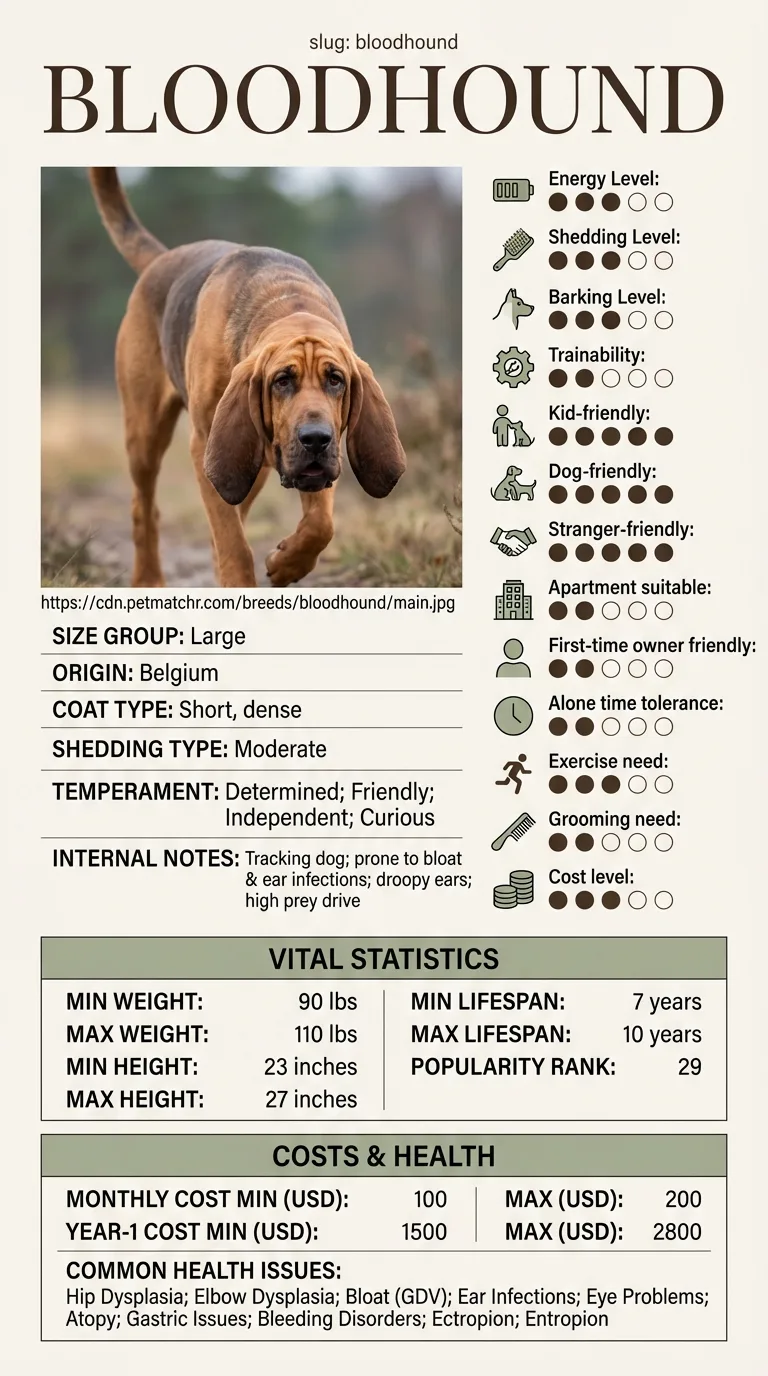
Bloodhound Purebred vs. Mixed Breeds: Understanding the Differences infographic

New dog owners, families with kids, and even seasoned pet parents often struggle with this choice. They want to ensure they pick a dog that fits their home, lifestyle, and budget, while also considering long-term health and behavior.

Important reminder

This guide is not medical advice. If your dog shows pain, sudden behavior change, or worsening symptoms, consult a licensed veterinarian.

Some links may be affiliate links. We may earn a commission at no extra cost to you. We only suggest products we believe are helpful for dog owners.

What this problem looks like

Bloodhound purebred vs. mixed breeds can lead to various challenges for owners. This issue often presents itself through behavioral problems, anxiety, and health concerns. Owners may notice their Bloodhound acting unusually anxious or having difficulty adjusting to new environments.

Common triggers

  • Changes in routine or environment
  • Loud noises or sudden movements
  • Lack of socialization with other dogs or people
  • Separation from their owner

This problem is fairly common among Bloodhounds, especially purebreds. Due to their sensitive nature, they may struggle more than mixed breeds when faced with stressors.

Why this happens

Breed factors

Bloodhounds are known for their strong instincts and determination. Their independent nature can sometimes lead to stubbornness in training. Additionally, purebred Bloodhounds may have inherited specific genetic traits that impact their behavior and health, making them more prone to certain challenges.

Environment factors

The environment plays a significant role in a Bloodhound's behavior. Factors such as lack of socialization, insufficient exercise, or changes in routine can contribute to anxiety or behavioral issues. Living in a busy, noisy area can also heighten a Bloodhound's stress levels and lead to unwanted behaviors.

What you can try

At-home strategies

  • Establish a consistent routine for feeding, walking, and training. This helps your Bloodhound feel secure and reduces anxiety.
  • Provide plenty of physical exercise and mental stimulation. Daily walks and interactive toys can help channel their energy positively.
  • Use positive reinforcement training methods. Reward good behavior with treats or praise to encourage learning and build a strong bond.

When to consider a trainer

If you find that your Bloodhound struggles with basic commands or exhibits challenging behaviors despite your efforts, it may be time to consult a professional trainer. Look for someone experienced with stubborn breeds and positive reinforcement techniques.

When to talk to your vet

If your Bloodhound shows signs of excessive anxiety, such as destructive behavior or persistent barking, consult your vet. They can rule out any underlying health issues and provide recommendations, including behavioral therapies or medication if necessary.

Realistic expectations

You can expect to see improvements within 3 to 6 months of consistent training and socialization.

Success means having a Bloodhound that is well-adjusted, with reduced anxiety and improved behavior around other dogs and people.

Mistakes that make this worse – Bloodhound purebred vs. mixed breeds

Certain behaviors can unintentionally reinforce the differences between Bloodhound purebreds and mixed breeds, making training and adjustment harder. Here are common mistakes to avoid.

  • Ignoring Socialization: Not exposing your Bloodhound to various environments and other dogs can lead to anxiety. Instead, practice gradual introductions to new experiences.
  • Overindulging in Comfort: Giving in to your Bloodhound's demands for comfort during anxious moments can reinforce their anxiety. Gradually encourage independence by using a crate or designated space.
  • Inconsistent Training: Switching training methods can confuse your Bloodhound. Stick to a consistent approach and use positive reinforcement to ensure clear communication.
  • Neglecting Exercise: A lack of physical activity can exacerbate anxiety and behavioral issues. Establish a regular exercise routine to help burn off excess energy.
  • Failing to Understand Temperament: Misinterpreting your Bloodhound's independent nature can lead to frustration. Acknowledge their need for space while maintaining a structured training schedule.
  • Avoiding Professional Help: Dismissing the idea of seeking professional training can hinder progress. Consult with behaviorists or trainers who understand the specific needs of Bloodhounds.
  • Rushing the Process: Expecting quick results can lead to disappointment. Be patient and remember that building trust and training takes time.

When to Call Your Vet for Bloodhound Issues

Knowing when a situation with your Bloodhound is an emergency is crucial. If you notice any severe symptoms, don't hesitate to contact your vet immediately. Here are key signs that require urgent attention.

Bloodhound Purebred vs. Mixed Breeds: Understanding the Differences - When to Call Your Vet for Bloodhound Issues
  • Severe vomiting or diarrhea lasting more than 24 hours
  • Signs of pain or distress, such as whining or pacing
  • Difficulty breathing or excessive panting
  • Uncontrolled bleeding or signs of shock

Pros

  • Quickly addressing emergencies can save your dog's life.
  • Early intervention often leads to better outcomes.
  • Understanding symptoms helps you become a more informed owner.

Cons

  • ! Rushing to the vet may incur unexpected costs.
  • ! Not every symptom is an emergency, which can lead to unnecessary trips.
  • ! Some conditions may resolve on their own with monitoring.

When to Monitor and Wait

Not every issue with your Bloodhound is an emergency. If your dog shows mild signs of discomfort, you may consider monitoring them at home. Common mild symptoms include occasional sneezing, minor lethargy, or slight changes in appetite.

Bloodhound Purebred vs. Mixed Breeds: Understanding the Differences - When to Monitor and Wait
  • Mild coughing or sneezing without other symptoms
  • Slight lethargy that lasts only a few hours
  • Reduced appetite but still drinking water
  • Minor skin irritations or itches

Pros

  • Monitoring can reduce stress for both you and your dog.
  • You can save on unnecessary vet visits.
  • Many mild issues resolve with rest or home care.

Cons

  • ! Waiting too long may lead to worsening conditions.
  • ! You might miss critical signs if you’re not vigilant.
  • ! Monitoring can be stressful if you're unsure.

Finding Balance: Sarah's Journey with Max

Sarah, a busy nurse in Chicago, adopted Max, a Bloodhound mix, hoping for a loyal companion. However, Max's anxiety around strangers and other dogs led to barking and lunging on walks. After researching and joining a local training class, Sarah learned effective techniques to manage Max's behavior. With patience and consistent practice, she saw Max becoming more relaxed and sociable over the months. Now, they enjoy peaceful walks in the park, and Max even plays well with other dogs.

Key takeaway: With the right training and socialization, Bloodhounds can thrive as friendly companions, even if they start with anxiety.

Frequently asked questions

Why does my Bloodhound have purebred vs. mixed breeds traits?

Bloodhounds that are purebred may display specific traits that are genetically linked, while mixed breeds may show a blend of characteristics from both parents. This can affect everything from temperament to health issues. Understanding these differences can help you better manage your Bloodhound's behavior and needs. This answer relates to Bloodhound purebred vs. mixed breeds.

How can I train my Bloodhound if it's a mixed breed?

Training a mixed breed Bloodhound can require patience and consistency. Start with basic commands and positive reinforcement techniques, adapting your approach based on what motivates your dog. It’s also helpful to socialize your dog early to improve their adaptability and reduce behavioral issues.

What are the health concerns for Bloodhound purebreds vs. mixed breeds?

Purebred Bloodhounds are known to be more prone to certain health issues, like hip dysplasia and bloat. Mixed breeds may have a lower risk of these conditions due to genetic diversity. Regular vet check-ups and a healthy diet can help mitigate risks for both types.

How can I stop my Bloodhound from showing negative behaviors related to its breed type?

To address negative behaviors, identify triggers and provide consistent training. Positive reinforcement can help redirect undesirable behaviors. If issues persist, consulting a professional trainer or behaviorist can be beneficial.

Are Bloodhound purebreds more expensive to maintain than mixed breeds?

Purebred Bloodhounds might have higher health care costs due to breed-specific issues. Monthly costs can range from $100 to $200, depending on their health and needs. Mixed breeds may offer more cost-effective care over time but also require commitment.

What should I do if my Bloodhound shows signs of anxiety?

If your Bloodhound exhibits anxiety, consider creating a safe space for them at home. You might also explore calming products or consult a vet for behavior training options tailored to Bloodhounds.

How do I know if my Bloodhound is purebred or mixed?

Identifying whether your Bloodhound is purebred or mixed can involve checking their pedigree papers or conducting a DNA test. Mixed breeds may display a range of characteristics that differ from the standard Bloodhound appearance.

Are there specific health issues I should watch for in Bloodhounds?

Yes, Bloodhounds can be prone to certain health issues like hip dysplasia, bloat, and ear infections. Regular vet check-ups can help catch and manage these conditions early.

What are the differences in temperament between purebred and mixed breed Bloodhounds?

Temperament can vary widely in mixed breed Bloodhounds due to their diverse genetics. While purebreds often display consistent traits, mixed breeds may show a blend of behaviors from their parent breeds.

How can I train my Bloodhound to reduce barking?

To train your Bloodhound to bark less, start by understanding the triggers for their barking. Positive reinforcement techniques, like rewarding quiet behavior, can be effective. Patience and consistency are key.

Quick answers

View more answers
Behavior

What are quick tips for Bloodhound purebred vs. mixed breeds?

Focus on socialization and consistent training for both types. Regular exercise and mental stimulation are crucial for a happy Bloodhound. Monitor health closely and consult your vet for any concerns.

Behavior

How do I handle Bloodhound separation anxiety?

Gradually acclimate your Bloodhound to being alone. Start with short periods and increase them as your dog adjusts. Providing toys and distractions can help ease anxiety.

Health

What health issues should I watch for in Bloodhounds?

Common issues include hip dysplasia, ear infections, and bloat. Regular vet visits can help catch problems early, keeping your Bloodhound healthy.

Related DogBreedCompass guides

  • Bloodhound separation anxiety guideLearn how to address separation anxiety in Bloodhounds to improve their well-being.
  • Bloodhound behavior problemsExplore common behavior problems associated with Bloodhounds and how to manage them.
  • Bloodhound purebred vs. mixed breeds trainingUnderstand the differences in training needs between purebred and mixed breed Bloodhounds.
  • Bloodhound cost breakdownGet an overview of the costs associated with owning a Bloodhound, both purebred and mixed.
  • Bloodhound breed guideDiscover the unique traits and characteristics of Bloodhounds to help with your decision.

Related guides