Health
What are quick tips for Bloodhound pancreatitis & diabetes?
Monitor your Bloodhound's weight and feed them a low-fat diet. Regular vet check-ups are crucial for managing these conditions effectively.

Quick answer
What are quick tips for Bloodhound pancreatitis & diabetes?
Monitor your Bloodhound's weight and feed them a low-fat diet. Regular vet check-ups are crucial for managing these conditions effectively.
Bloodhound pancreatitis & diabetes can significantly impact your dog's health and happiness. These conditions often arise in older dogs and require careful management.
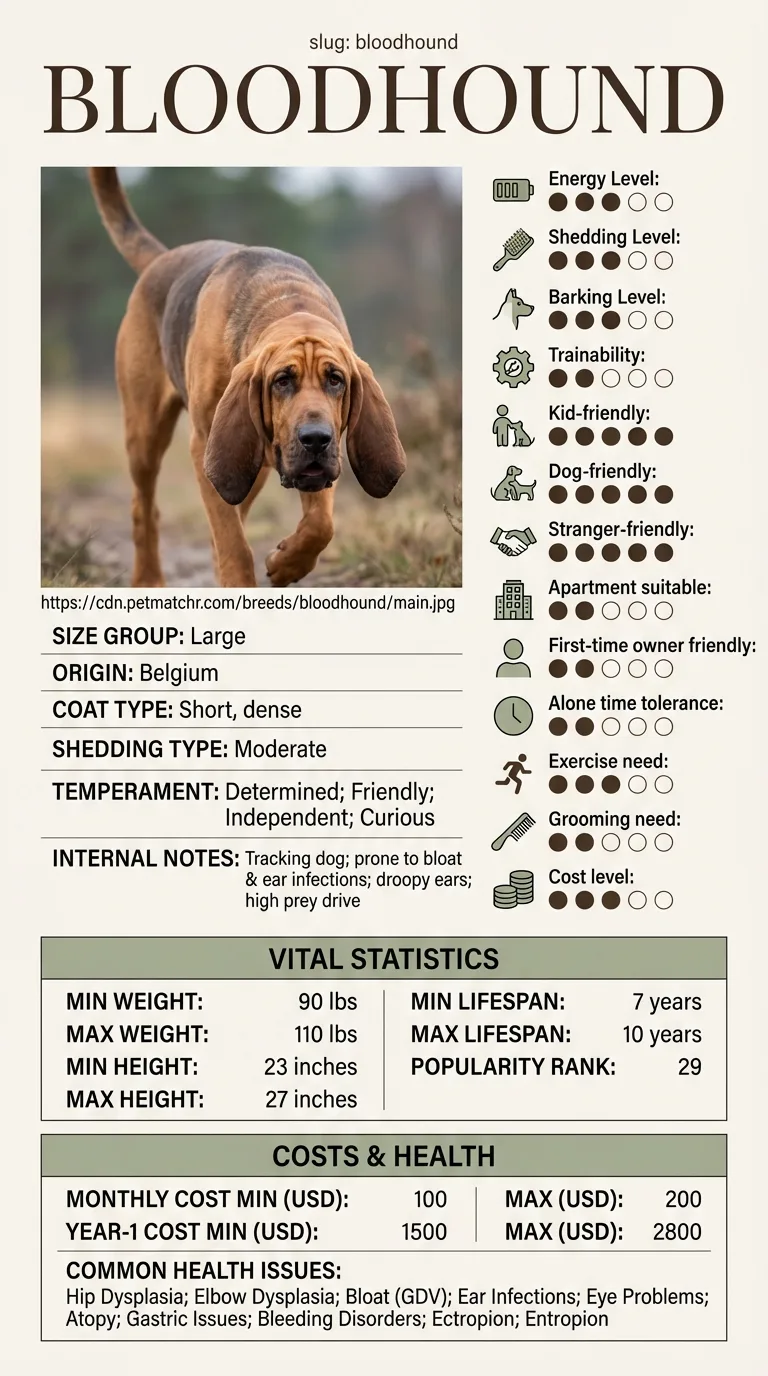
Owners of Bloodhounds, especially those with senior dogs, often face the challenges of managing these conditions. Busy families or first-time pet owners may feel overwhelmed trying to navigate the dietary and lifestyle changes needed.
This guide is not medical advice. If your dog shows pain, sudden behavior change, or worsening symptoms, consult a licensed veterinarian.
Some links may be affiliate links. We may earn a commission at no extra cost to you. We only suggest products we believe are helpful for dog owners.
We research and check what we publish, but we do not warrant that any figure, date, price, or statement is accurate, complete, or current, and we accept no liability for any loss, cost, injury, or other harm arising from the use of this site. Use it as one reference among several. You remain responsible for your own decisions and for your dog's care - confirm anything that matters with a licensed veterinarian or another qualified professional before you act on it. Full disclaimer.
Check this first
Recognizing when your Bloodhound's pancreatitis or diabetes has escalated to an emergency is crucial. Call your vet immediately if your dog shows any of the following red-flag signs: persistent vomiting, severe abdominal pain, lethargy, or if they are unable to eat or drink. Additionally, look out for signs of dehydration, such as dry gums, excessive panting, or lack of skin elasticity.
On the other hand, if your Bloodhound has mild symptoms, like slight vomiting or changes in appetite, you can monitor them for a short period. Keep track of their water intake and overall behavior. Make a plan to contact your vet if symptoms persist or worsen within 24 hours. Maintaining a close eye on their condition can help you differentiate between a manageable issue and a potential emergency.
It's always better to err on the side of caution. If you're ever unsure, don't hesitate to reach out to your veterinarian for guidance. Early intervention can save your dog's life and prevent more serious complications related to pancreatitis and diabetes.
If any of these apply, call your vet or an emergency clinic now. The rest of this page is for the cases that are not an emergency.
Bloodhound pancreatitis and diabetes can significantly impact your dog's daily life. These conditions often manifest through symptoms like vomiting, excessive thirst, and lethargy. Owners may notice their Bloodhound is less energetic and has changes in appetite, affecting their overall well-being.
Pancreatitis and diabetes are relatively common health issues for Bloodhounds, especially as they age. Many owners may face these problems in the later years of their dog's life, making it crucial to monitor their health closely.
Bloodhounds are large, friendly dogs that can be prone to certain health issues. Their independent nature and tendency to overeat can increase the risk of pancreatitis and diabetes. Additionally, their low trainability means they might not always follow dietary restrictions, leading to potential health complications.
An improper diet, lack of exercise, and high-stress environments can contribute to the development of pancreatitis and diabetes in Bloodhounds. If they are frequently exposed to high-fat treats or table scraps, it can exacerbate these health issues. Environmental factors like obesity due to inactivity also play a significant role.
If you notice symptoms like excessive thirst, frequent urination, or lethargy, it's time to talk to your vet. They can evaluate your Bloodhound for pancreatitis or diabetes and recommend appropriate treatments.
Avoiding common mistakes can significantly improve your Bloodhound's condition. Here are some pitfalls to watch out for.
Start here: Bloodhound Most Common Genetic Disorders: What to Screen For
See all Bloodhound health problems, which breeds are prone to pancreatitis diabetes, or the full Bloodhound breed guide for temperament, exercise needs and ownership costs.
Managing Bloodhound pancreatitis and diabetes typically requires a commitment of 3 to 6 months to see significant improvement. This includes dietary changes, regular vet visits, and consistent monitoring of your dog's health.
Success means your Bloodhound maintains a stable weight, shows fewer signs of discomfort, and has normalized blood sugar levels. You'll also notice improved energy levels and a happier demeanor.
Sam, a busy nurse in Dallas, noticed her 8-year-old Bloodhound, Max, was lethargic and had constant digestive issues. After a vet visit, they diagnosed him with pancreatitis and diabetes. Initially overwhelmed, Sam learned to prepare special meals and monitor Max’s blood sugar levels daily. With patience and dedication, they developed a routine that included low-fat diets and regular exercise. Over six months, Max regained his energy, and Sam felt relieved as he became more playful and alert.
Key takeaway: With the right dietary adjustments and a consistent health management plan, it's possible to successfully manage a Bloodhound's pancreatitis and diabetes, improving their quality of life.
Bloodhounds are prone to certain health issues due to their genetics and diet. Poor diet choices, obesity, and lack of exercise can contribute to pancreatitis and diabetes. Regular vet check-ups and a balanced diet are essential to mitigate these risks. This answer relates to Bloodhound pancreatitis & diabetes.
Managing Bloodhound pancreatitis and diabetes involves a strict diet and regular exercise. Consult your vet for a specialized diet plan that avoids high-fat foods and monitor your dog's weight closely. Regular exercise also helps maintain their overall health.
Signs of pancreatitis in Bloodhounds include vomiting, diarrhea, lethargy, and loss of appetite. If your Bloodhound exhibits these symptoms, contact your vet immediately for further evaluation. Early detection is crucial for effective treatment.
Training your Bloodhound can play a role in preventing pancreatitis and diabetes by promoting healthy habits. Focus on commands that encourage exercise and obedience around food. Positive reinforcement techniques can help establish a routine that keeps your dog fit and healthy.
Bloodhounds with pancreatitis and diabetes require a low-fat, high-fiber diet. Avoid treats that are high in fat and sugar, and consult your vet for specific food recommendations tailored to your dog's needs. Regular meal schedules can also help regulate their condition.
If your Bloodhound displays symptoms like vomiting, diarrhea, or loss of appetite, it's crucial to consult your vet immediately. Pancreatitis can escalate quickly, and early intervention is vital for recovery.
Yes, Bloodhounds with pancreatitis can develop diabetes due to the pancreas's compromised function. It's important to monitor your dog's health closely and work with your vet to manage both conditions effectively.
Bloodhounds with these conditions often need a special diet low in fat and carbohydrates. Consult your vet for a tailored meal plan that supports your dog's specific needs without triggering health issues.
If your Bloodhound is anxious due to health issues, consider using calming techniques like regular routines, training, and interactive toys. Additionally, consult your vet for advice on anxiety management strategies.
Long-term effects of pancreatitis in Bloodhounds can include chronic digestive issues and an increased risk of diabetes. Ongoing vet check-ups and a careful diet can help manage these risks and improve your dog's quality of life.
Monitor your Bloodhound's weight and feed them a low-fat diet. Regular vet check-ups are crucial for managing these conditions effectively.
Aim for at least 30 to 60 minutes of exercise daily. This can include walks, playtime, or mental stimulation activities.
Contact your vet immediately if your Bloodhound shows signs of illness, such as vomiting or lethargy. Early intervention can prevent serious complications.
Use positive reinforcement methods to encourage good behavior and healthy habits in your Bloodhound. Consistency is key to successful training.
A one-page prep sheet for this condition: the signs, the questions to ask, what to get priced. Unlocks here.
You get: Vet visit prep sheet
No spam. One-click unsubscribe. See our privacy policy.
Preview page 1 before you decide.