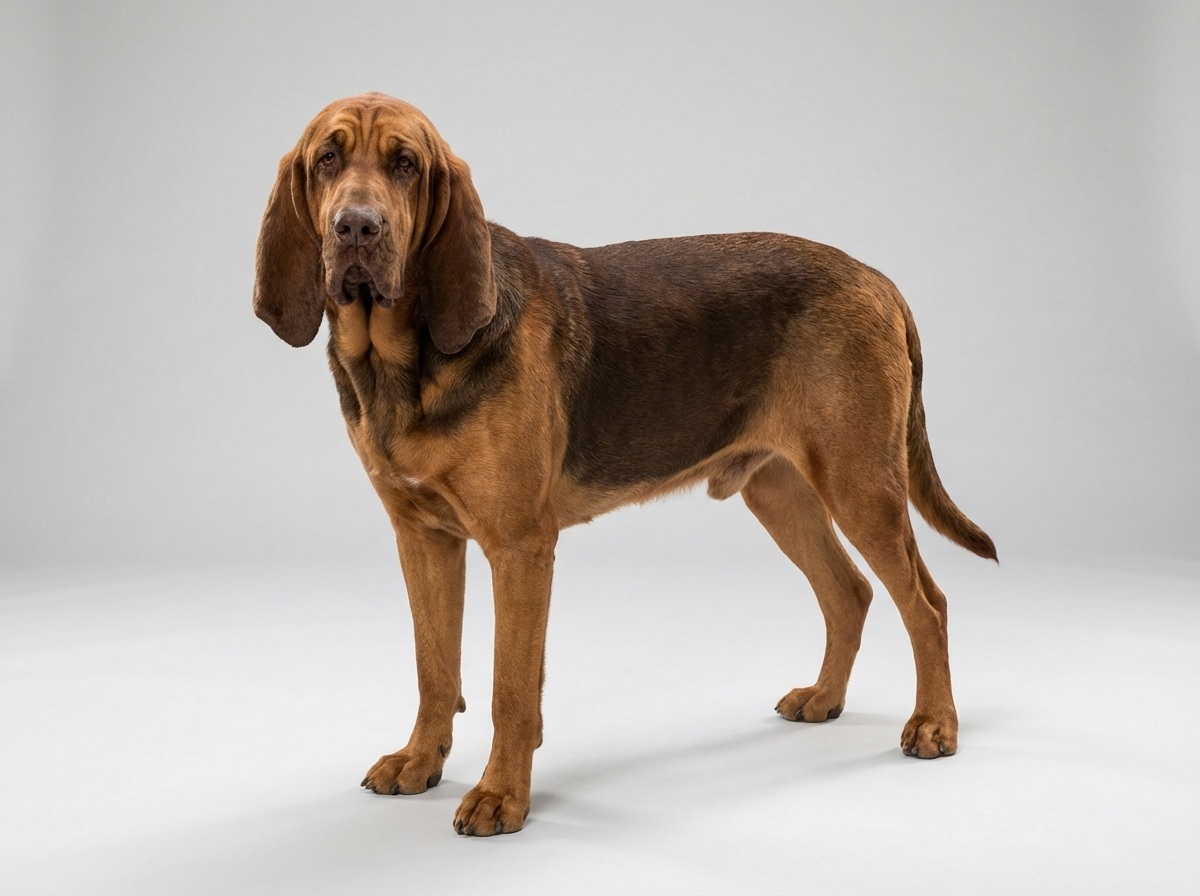
Health
What are quick tips for Bloodhound myxomatous mitral valve disease (mmvd)?
Monitor your Bloodhound's weight, exercise them regularly, and keep up with vet appointments. Early detection and management can greatly improve their quality of life.

Quick answer
What are quick tips for Bloodhound myxomatous mitral valve disease (mmvd)?
Monitor your Bloodhound's weight, exercise them regularly, and keep up with vet appointments. Early detection and management can greatly improve their quality of life.
Bloodhound myxomatous mitral valve disease (MMVD) is a serious heart condition that affects many dogs in this breed.
Typically, owners of older Bloodhounds are most concerned about this condition. Those who may have noticed their dog showing signs of fatigue or coughing should be particularly vigilant.
This guide is not medical advice. If your dog shows pain, sudden behavior change, or worsening symptoms, consult a licensed veterinarian.
Some links may be affiliate links. We may earn a commission at no extra cost to you. We only suggest products we believe are helpful for dog owners.
We research and check what we publish, but we do not warrant that any figure, date, price, or statement is accurate, complete, or current, and we accept no liability for any loss, cost, injury, or other harm arising from the use of this site. Use it as one reference among several. You remain responsible for your own decisions and for your dog's care - confirm anything that matters with a licensed veterinarian or another qualified professional before you act on it. Full disclaimer.
Check this first
Recognizing the signs of Bloodhound myxomatous mitral valve disease (MMVD) can be crucial. Some symptoms may require immediate veterinary attention, while others can be monitored. If your Bloodhound shows severe symptoms, it's vital to act quickly.
Call your vet immediately if your Bloodhound experiences any of the following red-flag signs: - Difficulty breathing or rapid breathing. - Coughing excessively, especially during rest or at night. - Fainting or collapsing episodes. - Swollen abdomen, which could indicate fluid buildup. - Severe lethargy or unwillingness to move.
These symptoms indicate that your dog's heart condition may be worsening and needs urgent care.
On the other hand, if your Bloodhound shows mild signs, you might consider a watch-and-wait approach. Symptoms such as occasional coughing or mild lethargy can be monitored at home. It's good practice to keep a journal of your dog's behavior and any changes you observe. Schedule a vet visit for a thorough checkup if symptoms persist or worsen over time.
Remember, monitoring your dog’s behavior and being aware of any changes is key. Early detection of MMVD can improve management and outcomes. Always consult your vet for tailored advice based on your Bloodhound's specific condition.
If any of these apply, call your vet or an emergency clinic now. The rest of this page is for the cases that are not an emergency.
Bloodhound myxomatous mitral valve disease (MMVD) is a common heart condition affecting this breed, especially as they age. It can lead to serious health issues if not managed properly. Symptoms often include coughing, difficulty breathing, and lethargy, which can be distressing for both the dog and owner.
This condition is very common in Bloodhounds, with many showing signs of MMVD by the age of 8. It's essential for owners to be aware of the symptoms and seek veterinary advice early to manage their dog's heart health effectively.
Bloodhounds are prone to myxomatous mitral valve disease (MMVD) largely due to their genetics. This heart condition is common in older dogs of the breed. As they age, the heart valves can degenerate, leading to potential health issues.
Additionally, environmental factors can contribute to MMVD. Poor diet, lack of exercise, and obesity can exacerbate heart problems. Stressful living conditions may also impact a Bloodhound's heart health.
If you notice symptoms such as coughing, lethargy, or difficulty breathing in your Bloodhound, it's time to talk to your vet. Regular check-ups are crucial for early detection of MMVD and can help in managing the condition effectively.
Avoiding these common mistakes can help improve your Bloodhound's condition and overall well-being.
Start here: Bloodhound Most Common Genetic Disorders: What to Screen For
See all Bloodhound health problems, which breeds are prone to myxomatous mitral valve disease mmvd, or the full Bloodhound breed guide for temperament, exercise needs and ownership costs.
Managing Bloodhound myxomatous mitral valve disease (mmvd) can take several months of regular vet visits and adjustments to your dog's lifestyle. Expect to see improvements in your dog's energy and comfort level within 3 to 6 months as you implement changes.
Success means your Bloodhound is active, shows fewer signs of fatigue, and has a quality of life that allows for enjoyable walks and playtime. Regular vet check-ups will help ensure their heart health remains stable.
When Sarah adopted Max, her lively Bloodhound, she was excited to have a companion for her daily runs. However, after a few months, Max started showing signs of fatigue and coughing. After a vet visit, Sarah learned that Max had myxomatous mitral valve disease (mmvd). Determined to help her furry friend, she adjusted his diet, incorporated lighter exercise routines, and scheduled regular vet check-ups. Over time, Max regained his playful spirit, and they found joy in shorter, more frequent walks together, enhancing their bond.
Key takeaway: Managing Bloodhound myxomatous mitral valve disease (mmvd) requires patience and lifestyle adjustments, but a happier, healthier dog is possible with the right care.
Bloodhound myxomatous mitral valve disease (mmvd) is a heart condition that affects the mitral valve, leading to heart failure if left untreated. It's the most common health issue in Bloodhounds and can develop as they age.
While you can't cure Bloodhound myxomatous mitral valve disease (mmvd), you can manage it with regular vet visits. A heart-healthy diet and medication can help alleviate symptoms and improve quality of life.
Signs of Bloodhound myxomatous mitral valve disease (mmvd) include coughing, difficulty breathing, lethargy, and a decreased appetite. If you notice these symptoms, consult your veterinarian promptly.
Treatment for Bloodhound myxomatous mitral valve disease (mmvd) may include medications like diuretics and ACE inhibitors to manage heart function. In severe cases, surgery may be an option, so discuss the best plan with your vet.
For Bloodhounds diagnosed with myxomatous mitral valve disease (mmvd), regular vet visits every 6 months are recommended. This helps monitor the condition and adjust treatment as necessary.
While you can't prevent Bloodhound myxomatous mitral valve disease (mmvd), you can reduce risks by maintaining a healthy weight and ensuring your pet gets regular exercise and vet check-ups.
Early signs of Bloodhound myxomatous mitral valve disease (mmvd) can include a persistent cough, fatigue during play, or difficulty breathing. If your Bloodhound exhibits these symptoms, it's essential to consult your vet for a thorough examination.
Yes, many Bloodhounds with myxomatous mitral valve disease (mmvd) can live normal lives with proper management. This often includes regular check-ups, medication, and adjustments in exercise routines.
For older Bloodhounds with myxomatous mitral valve disease (mmvd), focus on maintaining a comfortable lifestyle. Provide a low-stress environment, monitor their activity levels, and ensure they follow their vet's recommendations for diet and heart health.
The life expectancy of a Bloodhound with myxomatous mitral valve disease (mmvd) can vary widely, but many live 2-3 years post-diagnosis with proper care. Regular vet visits and adherence to treatment plans are crucial for managing the condition.
Yes, dietary changes may be beneficial for Bloodhounds with myxomatous mitral valve disease (mmvd). Your vet can recommend a heart-healthy diet that supports overall well-being and helps manage any weight issues.
Monitor your Bloodhound's weight, exercise them regularly, and keep up with vet appointments. Early detection and management can greatly improve their quality of life.
Create a comfortable environment, keep their stress levels low, and provide a balanced diet. Ensuring they have a calm space can help manage symptoms.
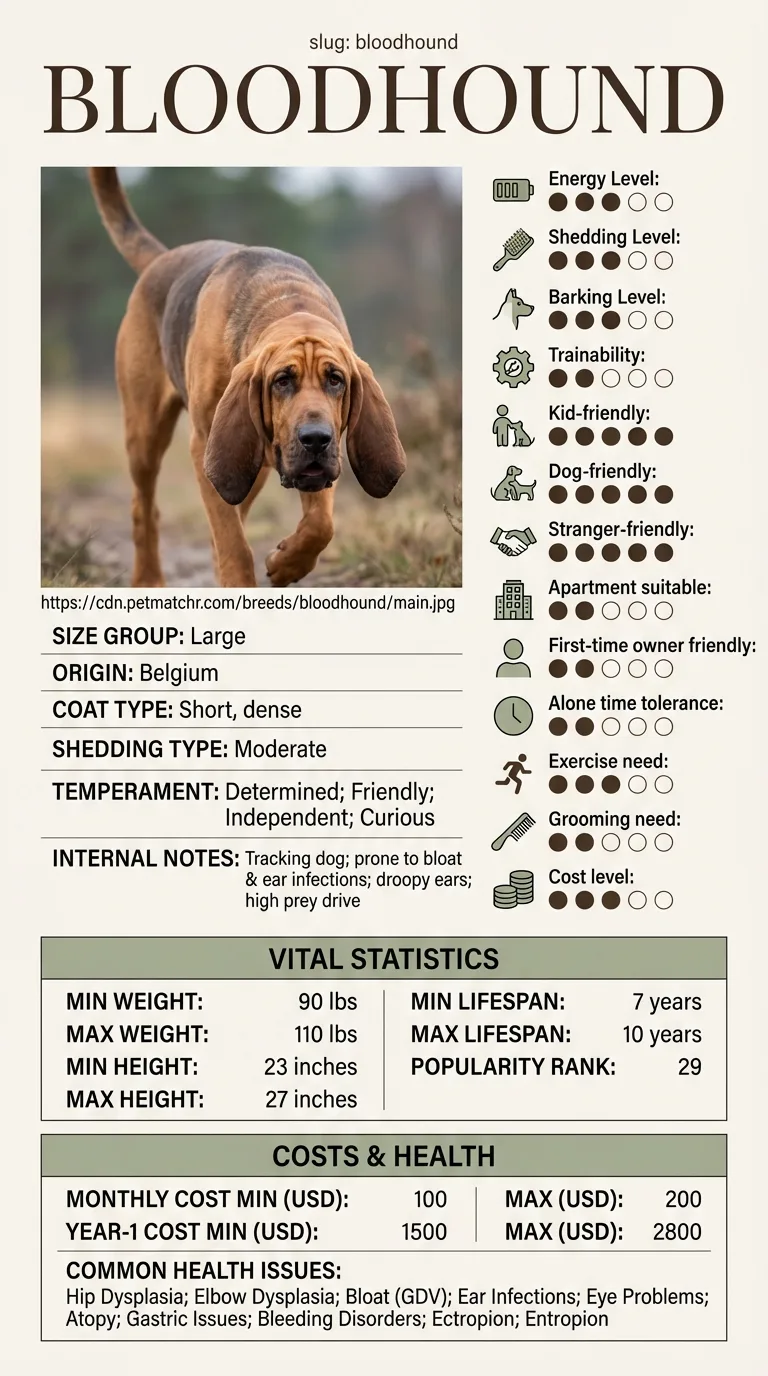
The monthly cost for managing Bloodhound myxomatous mitral valve disease (mmvd) can range from $100 to $200, depending on medications and vet visits.
Use positive reinforcement techniques to encourage calm behavior. Training them to be comfortable with vet visits can also ease their anxiety.
Watch for changes in energy levels, increased coughing, or reluctance to exercise. These behaviors can indicate worsening heart health.
A one-page prep sheet for this condition: the signs, the questions to ask, what to get priced. Unlocks here.
You get: Vet visit prep sheet
No spam. One-click unsubscribe. See our privacy policy.
Preview page 1 before you decide.