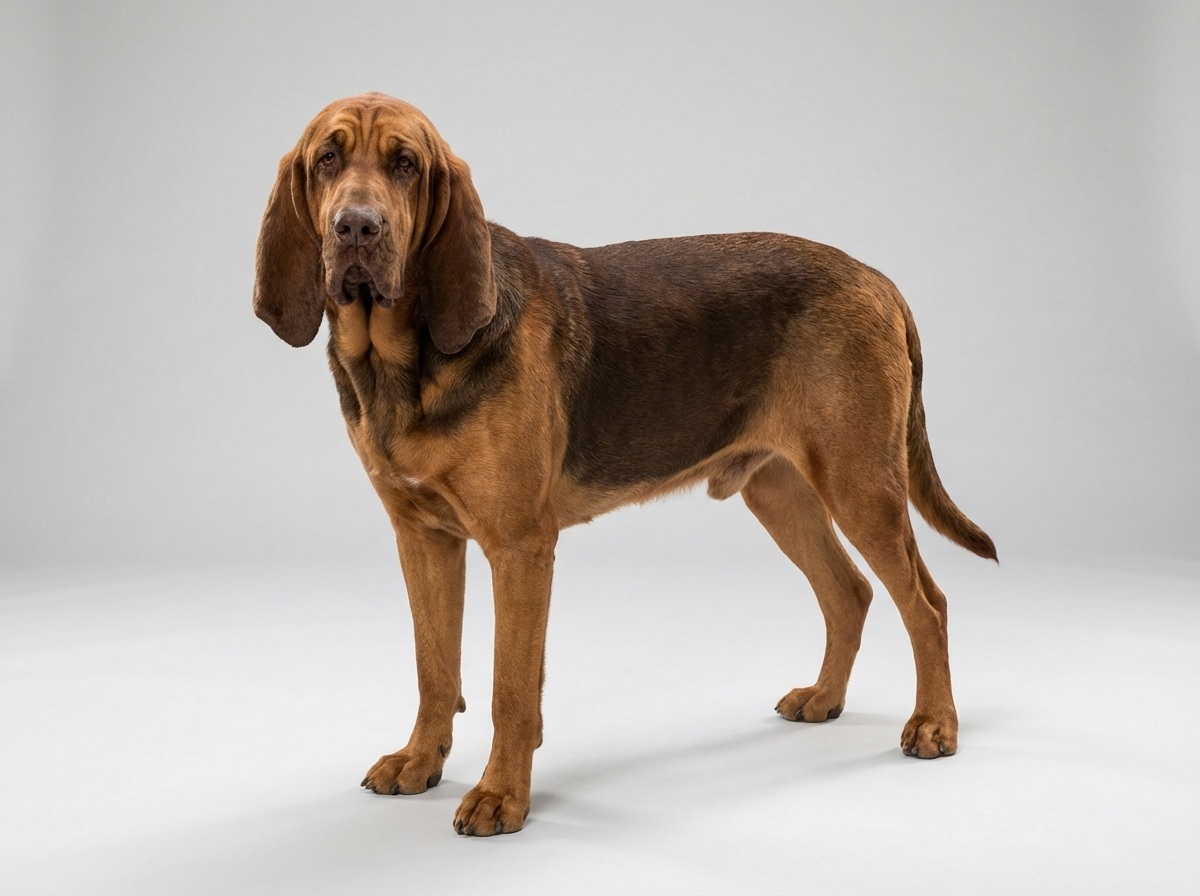
Living
How can I help my Bloodhound in hot weather?
Keep your Bloodhound hydrated and provide shade during outdoor activities, especially in the heat of the day.

Quick answer
How can I help my Bloodhound in hot weather?
Keep your Bloodhound hydrated and provide shade during outdoor activities, especially in the heat of the day.
Bloodhounds are prone to heat sensitivity and hyperthermia, making it crucial for owners to understand these risks.
Owners living in warmer climates or those who exercise their Bloodhounds outdoors need to be particularly vigilant. First-time pet owners may find it challenging to recognize the signs of heat stress in their dogs.
This guide is not medical advice. If your dog shows pain, sudden behavior change, or worsening symptoms, consult a licensed veterinarian.
Some links may be affiliate links. We may earn a commission at no extra cost to you. We only suggest products we believe are helpful for dog owners.
We research and check what we publish, but we do not warrant that any figure, date, price, or statement is accurate, complete, or current, and we accept no liability for any loss, cost, injury, or other harm arising from the use of this site. Use it as one reference among several. You remain responsible for your own decisions and for your dog's care - confirm anything that matters with a licensed veterinarian or another qualified professional before you act on it. Full disclaimer.
Check this first
Recognizing when your Bloodhound's heat sensitivity becomes a serious issue is essential. Heat sensitivity and hyperthermia can lead to heatstroke, which can be life-threatening. Here are some red-flag signs that mean you should call your vet immediately:
- Rapid panting: If your Bloodhound is panting heavily and does not cool down after resting. - Excessive drooling: A sudden increase in drooling can indicate distress. - Lethargy: If your dog seems unusually tired or weak, it might be a sign of overheating. - Vomiting: This is often a critical sign of heatstroke. - Disorientation: If your Bloodhound appears confused or is staggering, it’s time to seek help.
On the other hand, there are milder cases of heat sensitivity that you can monitor. If your dog is just slightly panting and seems to be recovering after a cool drink and shade, you likely have time to wait. Keep an eye on them and try to prevent further exposure to heat. Here’s a plan you can follow:
- Provide water: Make sure your dog has access to fresh water. - Cool down: Move to a cooler area or use damp towels to help bring down their body temperature. - Watch and wait: Monitor their behavior for any worsening symptoms.
In summary, knowing the difference between emergency signs and mild cases can save your Bloodhound's life. Always err on the side of caution—if you’re in doubt, call your vet.
If any of these apply, call your vet or an emergency clinic now. The rest of this page is for the cases that are not an emergency.
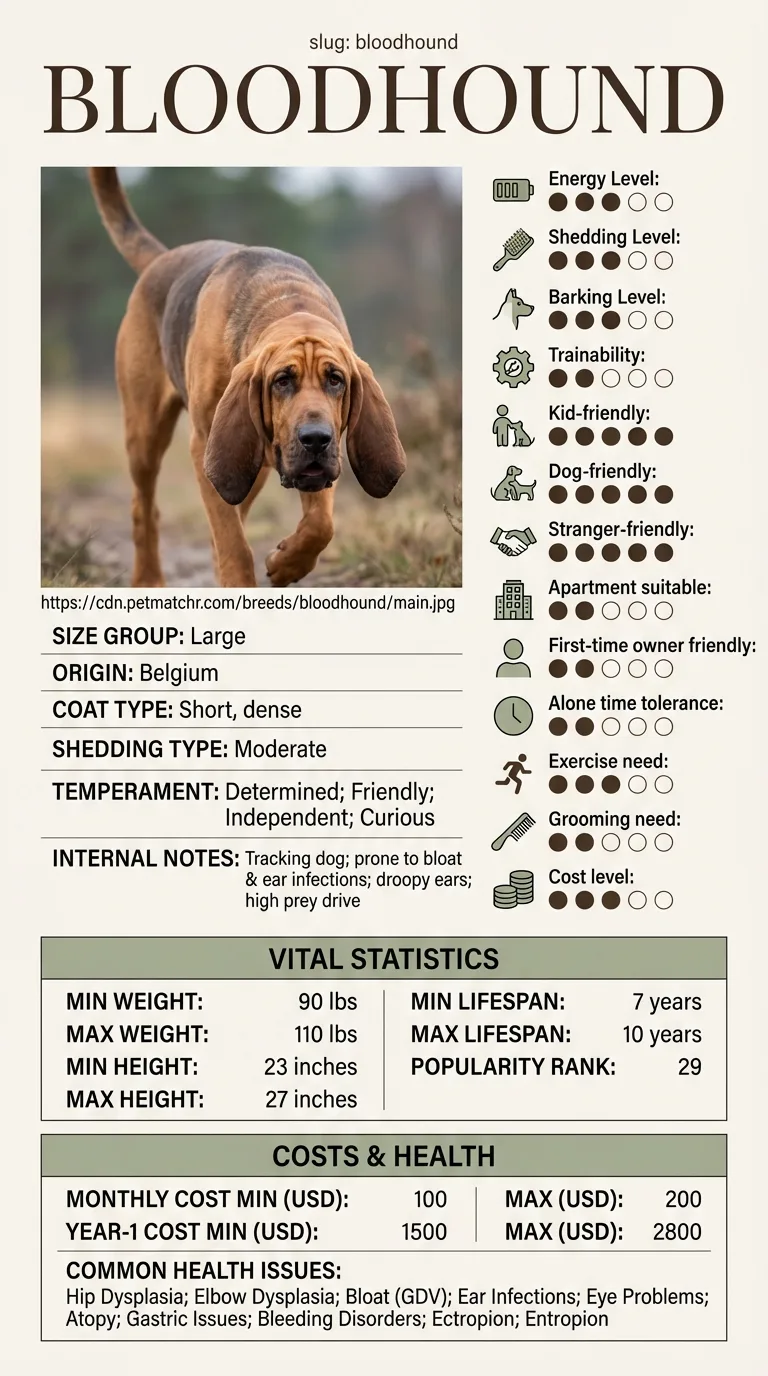
Bloodhound heat sensitivity & hyperthermia can be serious concerns for this breed. These dogs are prone to overheating due to their large size and short, dense coats. On hot days, you might notice your Bloodhound panting excessively, becoming lethargic, or showing signs of distress.
Heat sensitivity & hyperthermia is particularly common in Bloodhounds. They face a 533% higher risk compared to some other breeds, making it crucial for owners to be vigilant in warm weather.
Bloodhounds have a dense coat that can trap heat, making them more susceptible to overheating. Their size and weight also contribute to this sensitivity, as larger dogs can struggle to cool down effectively. Additionally, their natural hunting instincts and determination may lead them to overexert themselves in warm weather.
High temperatures and humidity can significantly impact a Bloodhound's comfort and health. If they are exercised in hot conditions or left in poorly ventilated areas, their risk of heat sensitivity increases. Moreover, factors like lack of shade or water can exacerbate these issues, leading to potential hyperthermia.
If you notice symptoms of hyperthermia, such as excessive panting, drooling, weakness, or confusion, contact your vet right away. It's crucial to address these signs promptly, as serious health issues can arise from untreated heat sensitivity.
Avoiding common mistakes can help you manage your Bloodhound's heat sensitivity and hyperthermia more effectively. Here are some behaviors to watch out for.
Start here: Bloodhound Most Common Genetic Disorders: What to Screen For
See all Bloodhound health problems, which breeds are prone to heat sensitivity hyperthermia, or the full Bloodhound breed guide for temperament, exercise needs and ownership costs.
You can expect to see improvements in your Bloodhound's heat sensitivity & hyperthermia management within 4 to 6 weeks of consistent environmental adjustments and follow-up.
Success means your Bloodhound can enjoy outdoor activities without becoming overly stressed by heat, staying cool and comfortable during summer months.
Rita, a nurse in Phoenix, adopted Max, her lovable Bloodhound, and quickly discovered he was sensitive to heat. During their first summer together, Max struggled with overheating, leaving Rita worried during their walks. After researching online, she learned to adjust their exercise schedule to cooler mornings and evenings, and she also invested in a cooling vest for Max. With patience and a commitment to training, Max became more accustomed to the heat, and Rita learned to spot the signs of overheating. Now, they can enjoy their summer walks without stress.
Key takeaway: Managing a Bloodhound's heat sensitivity requires a combination of training, environmental adjustments, and understanding your dog's needs.
Bloodhounds are prone to heat sensitivity due to their short, dense coats and physical structure. They can develop hyperthermia quickly, especially in high temperatures or humidity. Always monitor their behavior in hot weather to prevent overheating.
To manage your Bloodhound's heat sensitivity, ensure they have access to shade and fresh water. Limit outdoor activity during peak heat hours and consider using cooling vests or mats. Training them to recognize signs of distress can also help.
Signs of hyperthermia include excessive panting, drooling, weakness, and a rapid heartbeat. If you notice these symptoms, get your Bloodhound to a cooler environment immediately. In severe cases, seek veterinary help right away.
Bloodhounds do not tolerate hot weather well due to their susceptibility to heat sensitivity. It's crucial to keep them indoors during high temperatures and provide plenty of breaks in the shade when they are outside.
When walking your Bloodhound in summer, choose early mornings or late evenings when it's cooler. Bring water for hydration and take breaks in shaded areas. If the pavement feels hot to your hand, it's too hot for their paws.
Yes, training can help your Bloodhound recognize and respond to heat stress. Gradually expose them to warmer conditions while monitoring their behavior, and teach them commands to seek shade or water when necessary.
Signs of heat sensitivity in a Bloodhound include excessive panting, drooling, lethargy, and difficulty walking. If your Bloodhound seems to struggle with these symptoms, it's crucial to cool them down quickly and consult a vet.
To help your Bloodhound cope with heat sensitivity, provide plenty of water and shade. Avoid outdoor activities during peak heat hours and consider using cooling vests or pads to keep them comfortable.
Yes, older Bloodhounds may be more susceptible to hyperthermia due to a decreased ability to regulate their body temperature. It's essential to monitor them closely during hot weather and adjust their activities accordingly.
Take your Bloodhound to the vet if they show severe signs of heat sensitivity, such as vomiting, confusion, or collapse. Early intervention can prevent serious complications from hyperthermia.
While training alone won't eliminate heat sensitivity in Bloodhounds, it can help teach them to recognize signs of discomfort. Training them to rest when it's hot can also reduce the risk of heat-related issues.
Keep your Bloodhound hydrated and provide shade during outdoor activities, especially in the heat of the day.
Move them to a cooler area, offer fresh water, and apply cool (not cold) water to their body. If symptoms persist, contact a vet.
Avoid walks during peak heat, use cooling products, and always monitor their behavior outdoors.
Yes, they can benefit from training that helps them recognize signs of discomfort and encourages them to seek shade or water.
Yes, Bloodhounds are particularly susceptible to heat sensitivity and hyperthermia due to their breed traits.
A one-page prep sheet for this condition: the signs, the questions to ask, what to get priced. Unlocks here.
You get: Vet visit prep sheet
No spam. One-click unsubscribe. See our privacy policy.
See a sample page before you decide.
Early access list
The free prep sheet covers the same-day warning signs, a symptom log and the questions to ask. We are considering a fuller kit that adds a cost worksheet for the usual tests and treatments (US price ranges with their sources) and a plain-English guide to ways of covering the bill. It is not built yet; this list tells us whether it is worth building.
One email, no spam, unsubscribe anytime. Information only, not veterinary advice.