Behavior
What are quick tips for Bloodhound heat sensitivity?
Always provide fresh water and shade when outdoors. Limit exercise during hot weather and look for cooling products to help your Bloodhound stay comfortable.
Bloodhound heat sensitivity can be a serious concern for owners, especially in warmer climates. These dogs struggle to regulate their body temperature, putting them at risk for heatstroke.
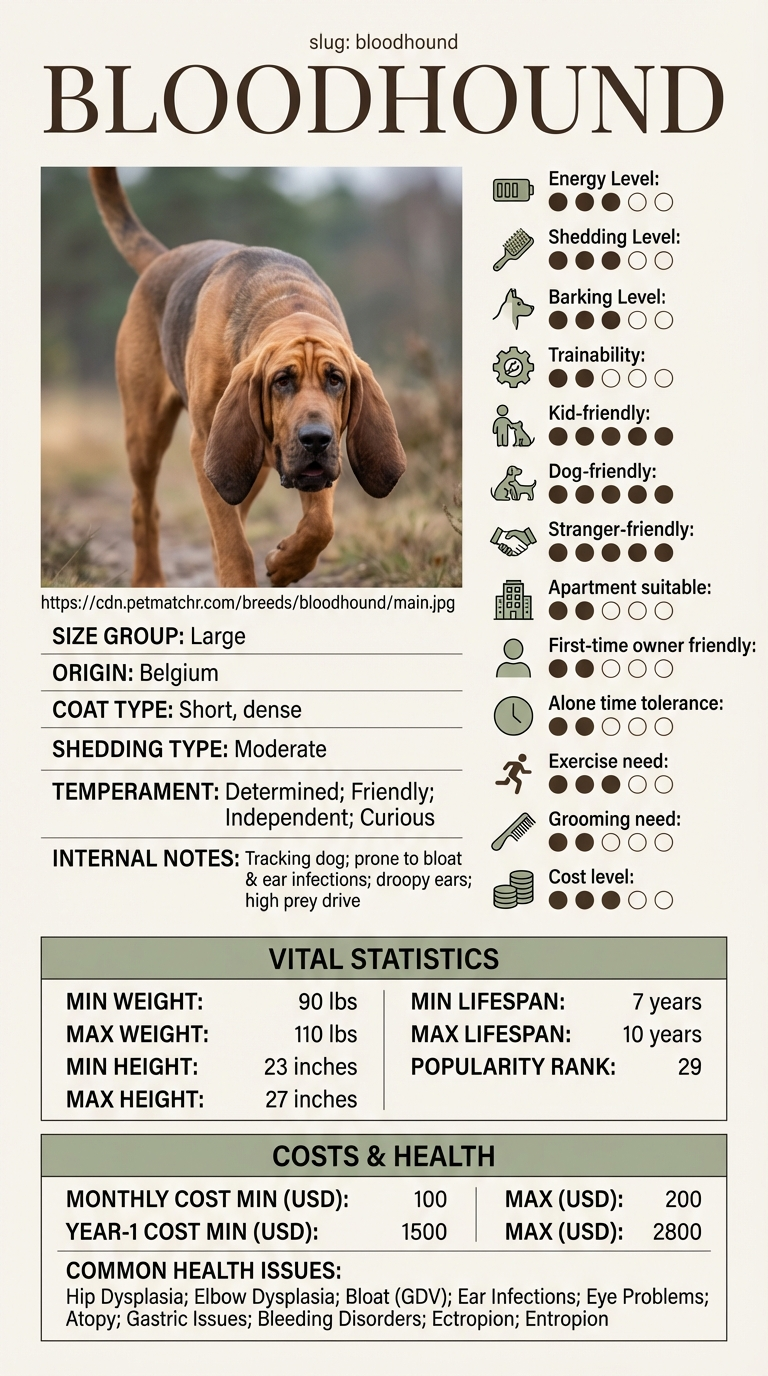
Typically, owners of Bloodhounds living in hot areas or those who engage in outdoor activities with their dogs need to be particularly vigilant. First-time dog owners may also find it challenging to recognize the signs of heat sensitivity and how to mitigate its effects.
This guide is not medical advice. If your dog shows pain, sudden behavior change, or worsening symptoms, consult a licensed veterinarian.
Some links may be affiliate links. We may earn a commission at no extra cost to you. We only suggest products we believe are helpful for dog owners.
Bloodhound heat sensitivity is a common issue for this breed, affecting their day-to-day comfort and well-being. These dogs struggle to tolerate high temperatures and can quickly become overheated, leading to heatstroke. This sensitivity is especially concerning during hot weather or after vigorous exercise, making it crucial for owners to be vigilant.
Heat sensitivity is quite common among Bloodhounds due to their short, dense coats and large body size. Many owners report their dogs showing signs of discomfort in warm conditions, making awareness and preventive measures important.
Bloodhounds are large, heavy dogs with dense coats that can make them less tolerant of heat. Their body structure and thick skin can trap heat, leading to discomfort or overheating. Additionally, their energy level and stubbornness may lead them to stay active even when they should rest in cooler conditions.
Heat sensitivity can be exacerbated by environmental factors such as high temperatures, humidity, and lack of shade or ventilation. Urban settings with concrete surfaces can heat up quickly, making it harder for your Bloodhound to cool down. If your home lacks air conditioning during hot days, this can also contribute to their discomfort.
If your Bloodhound seems to struggle with heat sensitivity during training or outdoor activities, consider consulting a professional trainer. They can provide tailored strategies to help your dog cope better in warm conditions.
If your Bloodhound shows signs of severe heat sensitivity, such as vomiting, excessive panting, or confusion, contact your vet immediately. It’s also wise to discuss any ongoing concerns about their heat tolerance or related health issues.
You should see improvements in your Bloodhound's heat sensitivity within 4 to 6 weeks of consistent training and management.
Success means your Bloodhound can comfortably spend time outdoors in warm weather without showing signs of distress, like excessive panting or lethargy.
Avoiding these common mistakes can help manage your Bloodhound's heat sensitivity more effectively.
Understanding when Bloodhound heat sensitivity becomes an emergency can save your dog's life. Certain signs indicate you should call your vet immediately. These include excessive panting, drooling, or signs of confusion. If your Bloodhound collapses, has a rapid heartbeat, or shows difficulty breathing, seek help right away.
On the other hand, if your dog is simply avoiding exercise on a hot day or seems a bit lethargic, you can monitor the situation. Provide plenty of water and a cool space for your Bloodhound to rest. Watch for any worsening symptoms, but often, a little extra care can help them through mild discomfort without needing immediate veterinary attention.
Knowing the difference between a mild case and a serious emergency can make all the difference. Always err on the side of caution with your Bloodhound's health, especially with heat sensitivity, as they can be prone to heat-related issues.
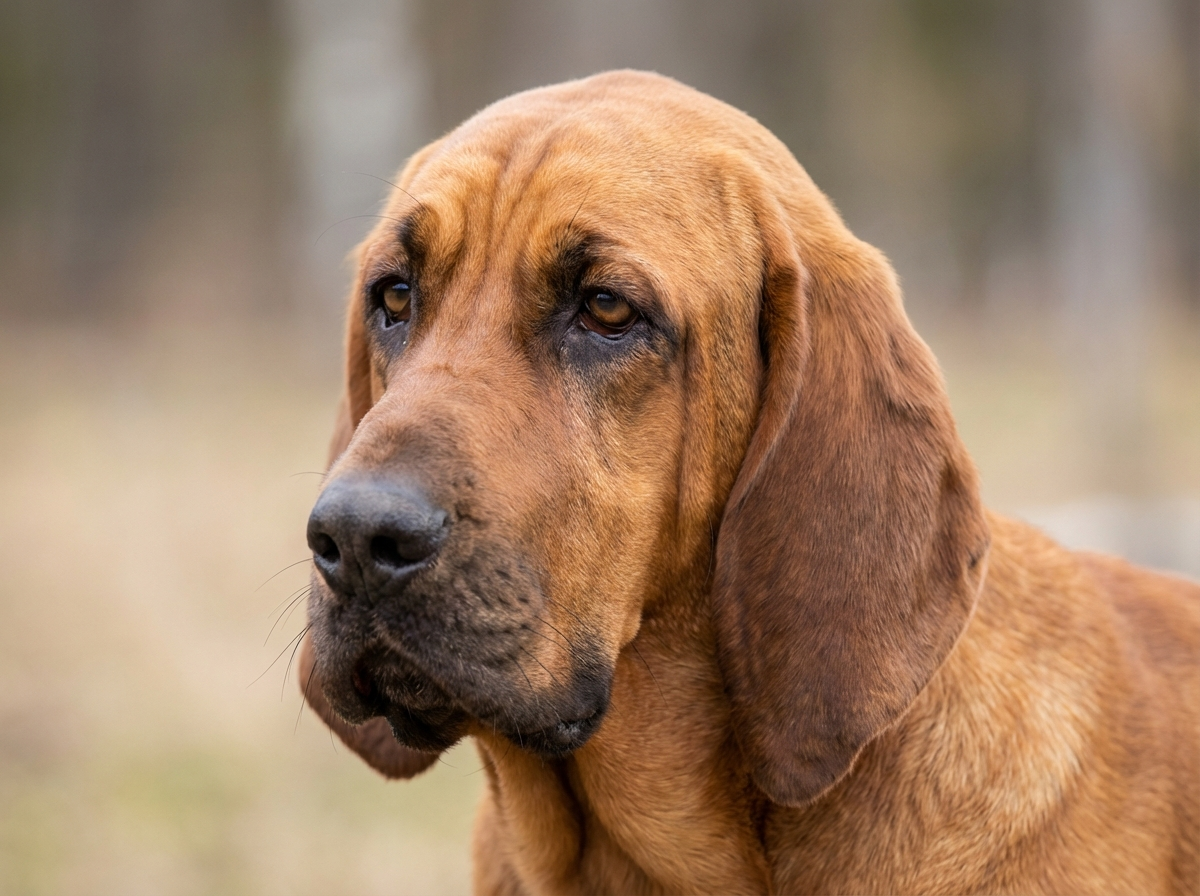
Laura, a busy nurse living in Miami, adopted Max, a playful Bloodhound. She quickly noticed he struggled with heat sensitivity during their summer walks. Max would pant heavily and refuse to continue after just a few minutes. Determined to help him, Laura adjusted their routine, opting for early morning walks, providing plenty of water, and keeping him indoors during peak heat hours. She also enrolled him in a heat sensitivity training program, focusing on desensitizing him to warmer temperatures gradually. Within weeks, Max became more comfortable outdoors, allowing them to enjoy their time together safely.
Key takeaway: With patience and proper management, you can help your Bloodhound adapt to heat, ensuring their safety and happiness.
Bloodhounds are large dogs with short, dense coats that can make them vulnerable to heat. Their body structure and energy levels also contribute to their heat sensitivity. It's important to monitor them closely, especially during hot weather.
To assist your Bloodhound, provide plenty of shade and fresh water when outside. Limit exercise during peak heat hours and consider cooling products like vests or mats. Regular vet check-ups can also ensure their overall health.
Signs of heatstroke include excessive panting, drooling, weakness, and in severe cases, vomiting or loss of consciousness. If you notice these symptoms, move your dog to a cool area and contact your vet immediately.
While you can't completely train away heat sensitivity, you can help them adapt to their environment. Gradual exposure to heat and training them to seek shade can improve their comfort levels.
If your Bloodhound shows signs of discomfort in the heat, bring them indoors to a cooler environment. Offer them water and consider using fans or air conditioning to help regulate the temperature.
Summer months can be particularly challenging for Bloodhounds due to high temperatures. It's crucial to adjust their activities and provide extra care during this time to prevent overheating.
Plan walks early in the morning or late in the evening when temperatures are cooler. Short, frequent play sessions in shaded areas can also keep your Bloodhound active without risking heat sensitivity.
Signs of heat sensitivity in your Bloodhound include excessive panting, drooling, lethargy, and difficulty breathing. If your dog seems disoriented or is unwilling to move, it may be overheating. Always monitor your dog closely, especially in warm weather.
Older Bloodhounds may struggle more with heat sensitivity due to decreased energy levels. Provide plenty of shade, ensure fresh water is available, and consider shorter, more frequent walks during cooler parts of the day. It's essential to keep their environment comfortable to prevent overheating.
Even active Bloodhounds can be prone to heat sensitivity due to their thick, short coat and large size. They might not cool down effectively in high temperatures, leading to heat-related issues. It's crucial to recognize this and adjust their activity levels accordingly.
If you suspect your Bloodhound is experiencing heatstroke, immediately move them to a cooler area and offer fresh water. Use cool, wet towels on their body, especially around the neck and paws. Contact your veterinarian as soon as possible for further guidance.
While training cannot eliminate heat sensitivity, it can help your Bloodhound learn to respond to your cues for rest and hydration. Teaching them commands to take breaks in shade during walks can be beneficial. Always prioritize their comfort in hot conditions.
Always provide fresh water and shade when outdoors. Limit exercise during hot weather and look for cooling products to help your Bloodhound stay comfortable.
Monitor for signs of overheating and ensure they have access to cool environments. Avoid long walks during peak heat hours.
Watch for excessive panting, drooling, or lethargy. If you notice these signs, move them to a cooler place immediately.
While you can't eliminate heat sensitivity, you can train them to seek shade and respond to heat cues, making them more comfortable.
Yes, Bloodhounds are prone to heat sensitivity due to their size and coat type. It's important to take precautions during hot weather.