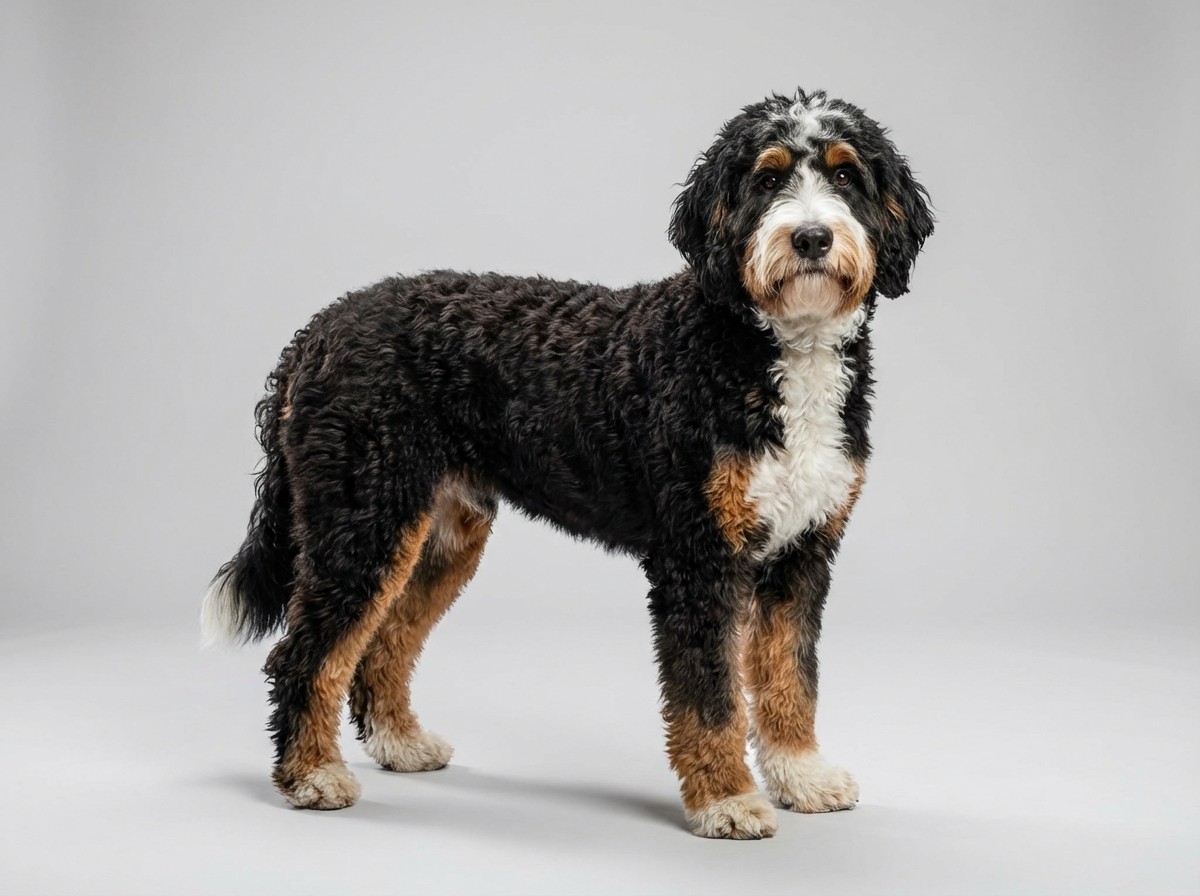
Why does my Bernedoodle have skin allergies?
Bernedoodle skin allergies can be caused by various factors such as environmental allergens, food sensitivities, or even parasites. Common allergens include pollen, dust mites, and certain ingredients in dog food. Identifying the root cause is essential for effective treatment.
How can I stop Bernedoodle skin allergies?
To stop Bernedoodle skin allergies, start by consulting your vet for a proper diagnosis. Treatment may involve allergy testing, changing their diet, or using medications like antihistamines or corticosteroids. Regular grooming and bathing with hypoallergenic products can also help alleviate symptoms.
What are common signs of skin allergies in Bernedoodles?
Common signs of Bernedoodle skin allergies include excessive itching, redness, inflammation, and hair loss. You may also notice scabs or hot spots where your dog has scratched. If you see these symptoms, it's best to consult your veterinarian.
Are there specific foods that trigger allergies in Bernedoodles?
Yes, some Bernedoodles may have allergies to specific ingredients like chicken, beef, or grains. A limited ingredient diet can help identify potential food triggers. Consult your vet before making any changes to their diet.
Can environmental factors cause skin allergies in my Bernedoodle?
Absolutely! Environmental factors like pollen, mold, and dust can trigger skin allergies in Bernedoodles. Regular cleaning and minimizing exposure to known allergens can help manage these issues.
What treatments are available for Bernedoodle skin allergies?
Treatments for Bernedoodle skin allergies may include medications, special shampoos, or dietary changes. Your vet might recommend antihistamines, steroids, or even immunotherapy based on your dog's specific needs.
When should I take my Bernedoodle to the vet for skin allergies?
If your Bernedoodle's skin symptoms persist despite home care, worsen, or are accompanied by other issues like hair loss or infections, it's time to see the vet. Early intervention can prevent more severe complications and improve your dog's comfort.
What are the most common causes of Bernedoodle skin allergies?
Bernedoodle skin allergies can be caused by various factors, including environmental allergens like pollen, dust mites, and mold. Food allergies are also common, particularly to ingredients like chicken, beef, or grains. Understanding the specific triggers for your dog can help you manage their allergies effectively.
How can I tell if my Bernedoodle's itching is due to allergies or something else?
If your Bernedoodle is scratching frequently, look for signs such as redness, swelling, or hot spots on their skin. Allergies typically cause persistent itching, while other issues, like fleas or infections, may present differently. If you're unsure, consulting your vet is the best course of action.
Are there specific treatments for Bernedoodle skin allergies?
Treatment options for Bernedoodle skin allergies include antihistamines, corticosteroids, and special shampoos. Your vet may also recommend dietary changes or allergy testing to identify specific triggers. It's essential to follow a professional's guidance to ensure effective management.
Can Bernedoodle skin allergies worsen with age?
Yes, skin allergies in Bernedoodles can become more pronounced as they age. Their immune system may change, leading to increased sensitivity to allergens. Regular vet check-ups can help monitor and adjust treatment plans as necessary.