Behavior
What are some quick tips for Bernedoodle patellar luxation?
Keep your Bernedoodle at a healthy weight and engage in regular, low-impact exercise. Regular vet check-ups can help catch issues early.
Bernedoodle patellar luxation is a knee cap dislocation that can affect your dog's mobility and comfort.
Many Bernedoodle owners face this challenge, especially those with active dogs or first-time pet owners who may not recognize the signs early on.
This guide is not medical advice. If your dog shows pain, sudden behavior change, or worsening symptoms, consult a licensed veterinarian.
Some links may be affiliate links. We may earn a commission at no extra cost to you. We only suggest products we believe are helpful for dog owners.
Bernedoodle patellar luxation is a common issue where the kneecap dislocates, causing pain and mobility problems. This can show up as limping, reluctance to exercise, or difficulty jumping. Owners may notice their Bernedoodle suddenly favoring one leg or seeming uncomfortable when walking.
Patellar luxation is relatively common in Bernedoodles, occurring in approximately 10-15% of the breed. While not all cases require surgery, awareness and early intervention can help manage the condition effectively.
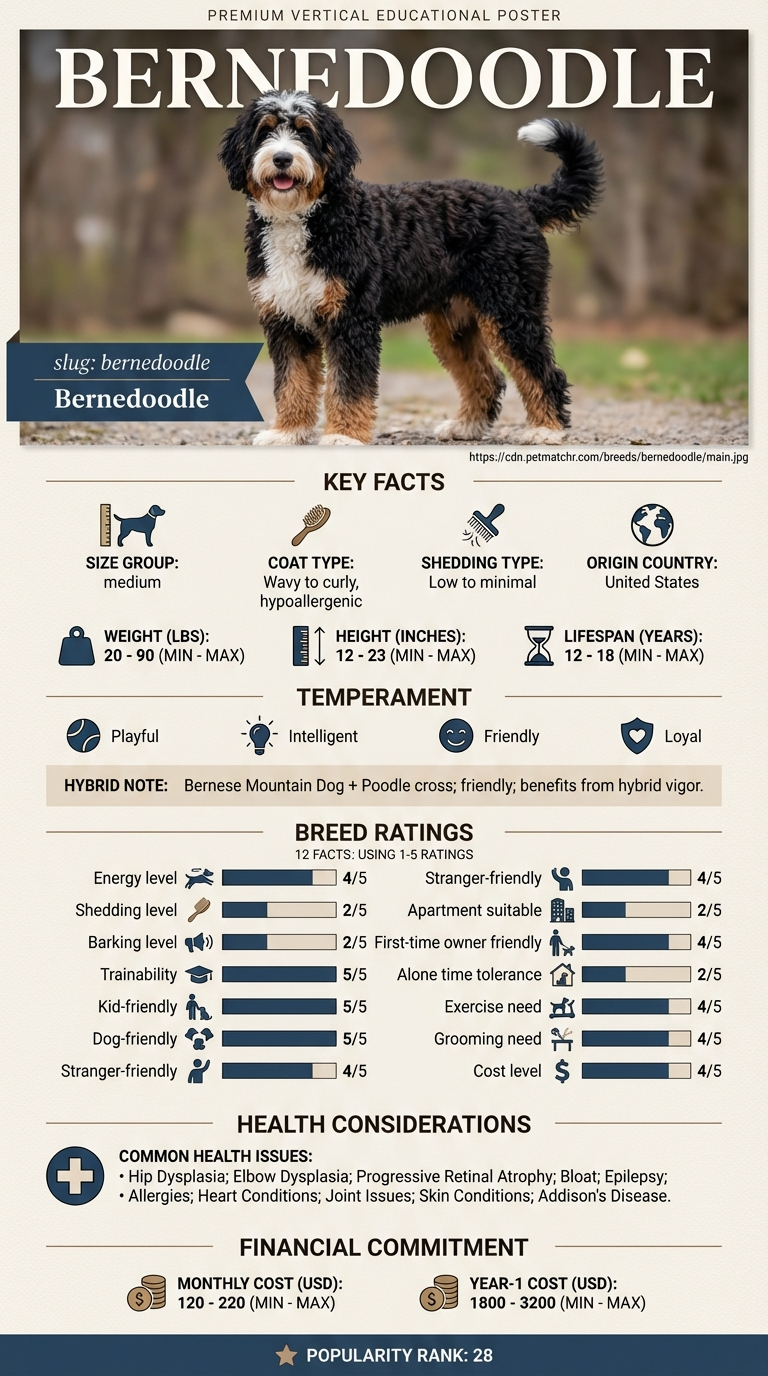
Bernedoodles, a mix of Bernese Mountain Dogs and Poodles, can be prone to patellar luxation due to their genetic background. This condition is more common in smaller breeds but can appear in medium-sized dogs like Bernedoodles, especially if they inherit certain traits from their parent breeds. Factors like growth rate and bone structure can also contribute to this issue.
Environmental factors can play a significant role in patellar luxation. Inadequate exercise can lead to weak muscles that support the knee joint. Additionally, slippery floors and abrupt movements can increase the risk of dislocation, especially in active dogs that love to run and play.
If your Bernedoodle shows persistent limping or difficulty moving, it might be time to consult a professional trainer. A trainer can help with specific exercises to strengthen your dog's legs and improve their overall stability, tailored to their needs.
If you notice any signs of severe pain, swelling, or if your dog frequently dislocates their kneecap, consult your vet immediately. They can assess the situation and recommend treatment options, which might include physical therapy or, in some cases, surgery.
You can expect to see improvement within 4 to 6 weeks of implementing a consistent training and exercise routine.
Success means your Bernedoodle can walk, run, and play comfortably without signs of pain or limping.
Avoid these common mistakes that can worsen your Bernedoodle's patellar luxation. They can inadvertently reinforce the issue and delay improvement.
If your Bernedoodle shows signs of severe pain, refuses to bear weight on the affected leg, or has a noticeable limp, these are red flags. Additionally, if you notice swelling around the knee or sudden changes in behavior, such as aggression or excessive whining, contact your vet right away.
Mild cases, however, may not require immediate intervention. If your dog occasionally seems to slip or has a slight limp that resolves quickly, you might choose to monitor the situation. Keeping a close eye on their activity level and comfort can help you decide whether a vet visit is necessary.
Always remember, it’s better to err on the side of caution. If you're unsure about your dog's condition, it's wise to consult your veterinarian. They can provide guidance on how to manage mild symptoms while keeping your Bernedoodle comfortable until a proper examination can be done.
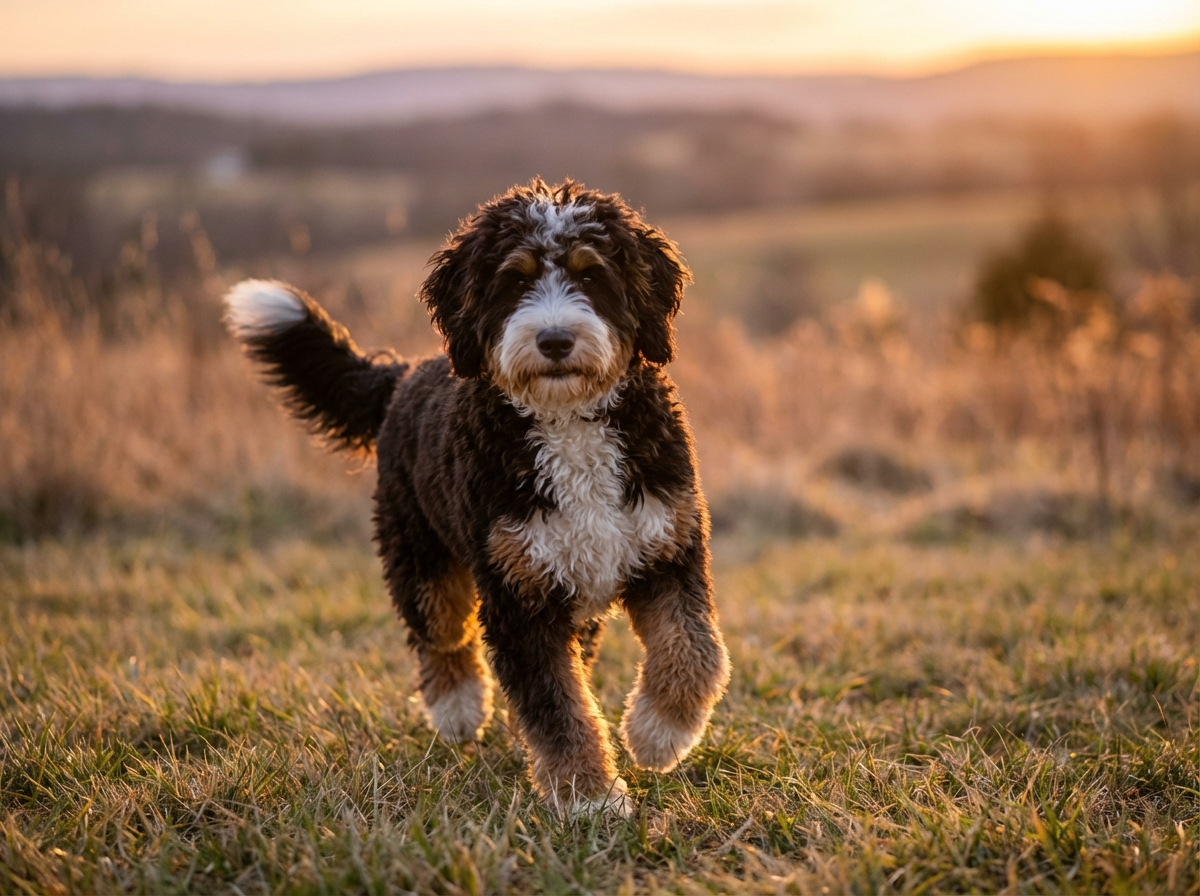
Mia, a busy nurse in Chicago, noticed her Bernedoodle, Benny, limping occasionally. After a vet visit, she learned he had patellar luxation. Determined to help him, Mia started a targeted exercise program focusing on strengthening his legs. She also learned specific training techniques to prevent further dislocations. Over the next month, Benny's condition improved significantly, and he was back to his playful self. Mia found that regular vet check-ups and keeping Benny active were key to managing his health.
Key takeaway: With patience and the right approach, you can effectively manage Bernedoodle patellar luxation and improve your dog's quality of life.
Bernedoodles can inherit patellar luxation from their parent breeds, the Bernese Mountain Dog and the Poodle. This condition occurs when the kneecap dislocates, often due to genetic factors or developmental issues. Regular check-ups with your vet can help identify this early.
To manage Bernedoodle patellar luxation, ensure your dog maintains a healthy weight and gets regular exercise to strengthen their muscles. Additionally, consult your vet for a tailored plan which may include physical therapy or specific exercises to improve joint stability.
Signs of patellar luxation include limping, skipping a leg while walking, or reluctance to jump or play. You might also notice your dog holding their leg up intermittently. If you observe any of these signs, it's important to visit your veterinarian.
Not all cases of patellar luxation require surgery; it depends on the severity. If your dog has mild luxation, management through weight control and exercise may suffice. However, severe cases often need surgical correction to prevent further pain and joint damage.
While genetic factors play a role in patellar luxation, you can take preventive steps. Choosing a reputable breeder who screens for joint issues, ensuring your dog maintains a healthy weight, and keeping them active can help reduce the risk.
Common signs of patellar luxation include limping, reluctance to walk or run, and an unusual gait. You might notice your Bernedoodle occasionally skipping a step or holding their leg up. If you see these signs, it's a good idea to consult your veterinarian.
In some mild cases, patellar luxation can be managed with physical therapy, weight management, and specific exercise regimens. However, if the condition is severe, surgery may be necessary to correct the dislocation. Always discuss the best treatment options with your vet.
Yes, patellar luxation can be hereditary, especially in breeds like the Poodle and Bernese Mountain Dog, which are part of the Bernedoodle lineage. Responsible breeding practices can help minimize the risk, so always choose a breeder who screens for this condition.
For older Bernedoodles with patellar luxation, providing a comfortable, supportive environment is crucial. Ensure they have soft bedding and avoid steep stairs or slippery floors. Regular, gentle exercise can help maintain their strength without exacerbating the condition.
If your Bernedoodle shows signs of pain, difficulty moving, or a noticeable limp, it's time to see a vet. Early intervention can help prevent further complications and lead to more effective treatment options. Don't wait for symptoms to worsen.
Keep your Bernedoodle at a healthy weight and engage in regular, low-impact exercise. Regular vet check-ups can help catch issues early.
Treatment costs vary, but expect to spend between $1,500 and $3,000 for surgery, depending on your location and the severity of the condition.
Gentle exercises like swimming and walking on soft surfaces are ideal. Avoid high-impact activities like jumping or running until cleared by your vet.