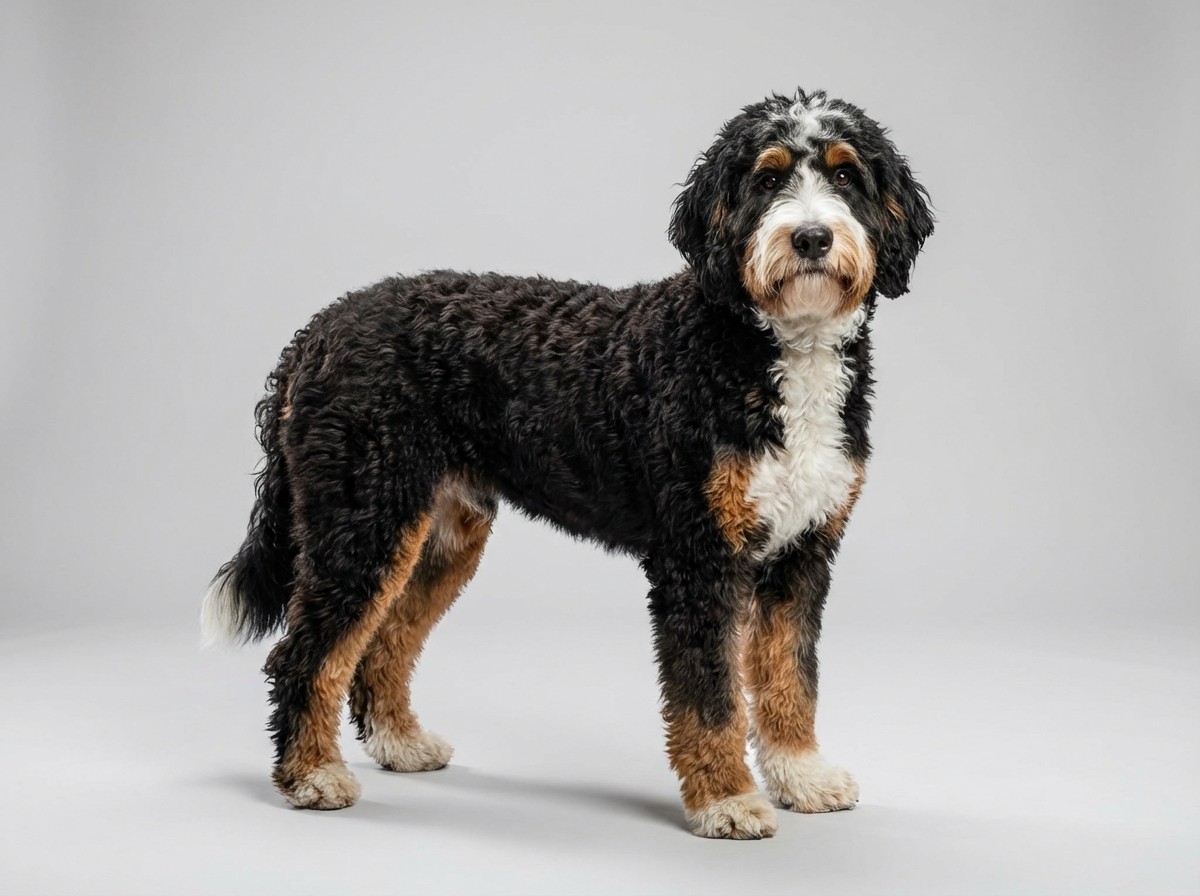
Health
What are some quick tips for managing Bernedoodle hypothyroidism?
Ensure your Bernedoodle takes their medication consistently and maintain regular vet appointments. A healthy diet and moderate exercise can also help manage their condition.

Quick answer
What are some quick tips for managing Bernedoodle hypothyroidism?
Ensure your Bernedoodle takes their medication consistently and maintain regular vet appointments. A healthy diet and moderate exercise can also help manage their condition.
Bernedoodle hypothyroidism is a thyroid hormone deficiency that can affect your dog's health and energy levels.
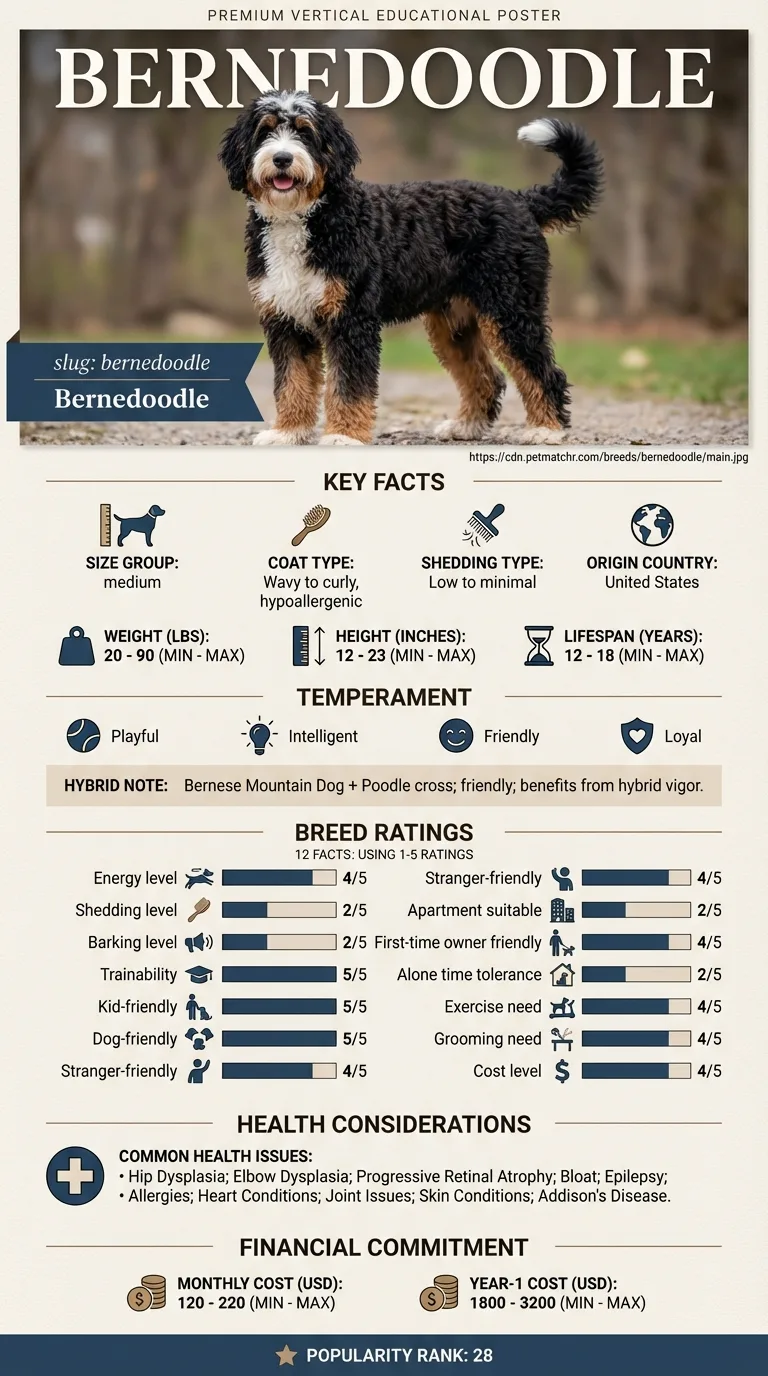
Owners of Bernedoodles, especially those who might be first-time pet parents, can struggle with this health issue. It can be particularly concerning for those who notice changes in their dog’s behavior but are unsure of the cause.
This guide is not medical advice. If your dog shows pain, sudden behavior change, or worsening symptoms, consult a licensed veterinarian.
Some links may be affiliate links. We may earn a commission at no extra cost to you. We only suggest products we believe are helpful for dog owners.
We research and check what we publish, but we do not warrant that any figure, date, price, or statement is accurate, complete, or current, and we accept no liability for any loss, cost, injury, or other harm arising from the use of this site. Use it as one reference among several. You remain responsible for your own decisions and for your dog's care - confirm anything that matters with a licensed veterinarian or another qualified professional before you act on it. Full disclaimer.
Check this first
It's crucial to recognize the signs that indicate when Bernedoodle hypothyroidism has escalated to an emergency. If your Bernedoodle displays severe symptoms like difficulty breathing, sudden weight gain or loss, or extreme lethargy, you need to call your vet immediately. These could be signs of a serious underlying condition that requires prompt attention.
On the other hand, if your dog shows mild symptoms such as slight lethargy, dryness of the skin, or a decreased appetite, these can often be monitored at home. In such cases, it's advisable to create a management plan with your vet to keep track of any changes in behavior or health. Regular check-ups can help you stay ahead of the issue.
Keep in mind, if your Bernedoodle is experiencing noticeable changes in behavior or energy, a vet visit is always a good idea. Early intervention can make a big difference in managing hypothyroidism effectively.
If any of these apply, call your vet or an emergency clinic now. The rest of this page is for the cases that are not an emergency.
Bernedoodle hypothyroidism occurs when your dog has a deficiency in thyroid hormones. This can lead to various symptoms that may affect your dog's day-to-day activities. Common signs include lethargy, weight gain, and skin issues, making it important to recognize these changes early.
Hypothyroidism is relatively common in Bernedoodles, with an estimated occurrence rate of about 2-4% in the breed. While it’s not the most frequent health issue, being aware of it is crucial for maintaining your dog's health.
Bernedoodles can inherit a predisposition to hypothyroidism from their parent breeds, particularly the Bernese Mountain Dog. This condition is often linked to genetics, making some dogs more susceptible. Additionally, the immune system can mistakenly attack the thyroid gland, leading to hormone deficiencies.
Environmental factors can also contribute to hypothyroidism in Bernedoodles. Obesity, poor diet, and lack of exercise may exacerbate this condition. Exposure to certain chemicals or environmental stressors might also play a role in triggering thyroid issues.
If you notice symptoms like weight gain, excessive shedding, or lethargy, it’s time to see your vet. They can run blood tests to diagnose hypothyroidism and recommend appropriate treatments.
Managing Bernedoodle hypothyroidism can be challenging. However, certain common mistakes can inadvertently worsen the condition. Here are some mistakes to avoid and safer alternatives.
Start here: Bernedoodle Most Common Genetic Disorders: Screening
See all Bernedoodle health problems, which breeds are prone to hypothyroidism, or the full Bernedoodle breed guide for temperament, exercise needs and ownership costs.
Most owners start seeing improvements in their Bernedoodle's health within 3 to 6 months after diagnosis and treatment begins.
Success looks like a noticeable increase in energy, improved coat condition, and a stable weight. Your Bernedoodle should also have fewer behavioral issues related to low energy levels.
Emily, a first-time dog owner, adopted Charlie, a lively Bernedoodle. After a few months, she noticed he was lethargic and gaining weight despite regular walks. Worried, she took him to the vet and discovered he had hypothyroidism. Emily learned about medication and dietary adjustments. With consistent treatment and a tailored diet, Charlie's energy returned, and he became his playful self again. Emily's commitment to following the vet's advice and monitoring Charlie's health made all the difference.
Key takeaway: Early diagnosis and consistent treatment are key to managing Bernedoodle hypothyroidism successfully.
Signs of hypothyroidism in a Bernedoodle may include weight gain, lethargy, and a dull coat. You might also notice increased sensitivity to cold and changes in behavior, such as anxiety or aggression. If you see these symptoms, it's important to consult your vet.
Look for signs such as weight gain, lethargy, skin issues, or changes in behavior. If you notice these symptoms, it’s important to consult your vet for proper testing and diagnosis.
Treatment typically involves daily medication to supplement thyroid hormones. Regular vet check-ups are essential to monitor hormone levels and adjust dosages as needed.
A balanced diet and regular exercise are crucial for managing hypothyroidism. Ensure your Bernedoodle has a healthy routine and discuss specific dietary needs with your vet.
Yes, you can train your Bernedoodle with hypothyroidism. However, be patient and adjust training sessions based on their energy levels, as they may tire more easily.
Consider a consistent daily schedule for feeding, medication, and exercise. Creating a calm environment can help manage their energy and anxiety levels.
Regular vet visits are important, especially for monitoring thyroid levels. Typically, every 6-12 months is recommended, but follow your vet’s advice.
Yes, a Bernedoodle with hypothyroidism can remain active, but their energy levels may be lower than normal. Regular, moderate exercise is crucial to help maintain their overall health. Always check with your vet for a tailored exercise plan.
While hypothyroidism can be genetic, it's not exclusively hereditary in Bernedoodles. However, certain breeds, including Poodles, can be more prone to thyroid issues. It's essential to have healthy breeding practices and regular vet check-ups.
Managing your Bernedoodle's hypothyroidism at home involves following your vet's advice on medication and diet. Regular monitoring of their weight and energy levels is also important. Consider keeping a journal to track any changes and discuss them during vet visits.
If your Bernedoodle's condition worsens, such as showing severe lethargy or loss of appetite, contact your vet immediately. Changes in medication or further testing might be necessary. It's crucial to stay proactive in managing their health.
Ensure your Bernedoodle takes their medication consistently and maintain regular vet appointments. A healthy diet and moderate exercise can also help manage their condition.
Monitor their food intake and provide controlled portions to help manage their weight. Regular exercise is crucial, but adjust based on their energy levels.
Avoid foods high in soy or excessive carbohydrates, as they can interfere with hormone balance. Consult your vet for the best dietary recommendations.
Yes, stress can exacerbate symptoms. A calm and stable environment can help your Bernedoodle feel more secure and manage their condition better.
A one-page prep sheet for this condition: the signs, the questions to ask, what to get priced. Unlocks here.
You get: Vet visit prep sheet
No spam. One-click unsubscribe. See our privacy policy.
Preview page 1 before you decide.