Health
What are Bernedoodle glaucoma quick tips?
Regular vet visits are crucial for early detection and management of glaucoma. Monitor your dog's behavior and eye health closely to catch any changes early.

Quick answer
What are Bernedoodle glaucoma quick tips?
Regular vet visits are crucial for early detection and management of glaucoma. Monitor your dog's behavior and eye health closely to catch any changes early.
Bernedoodle glaucoma is a serious eye condition that can lead to vision loss if not addressed promptly.
Owners of Bernedoodles, especially those who may not be aware of their dog's specific health needs, often struggle with managing glaucoma. This issue can be particularly concerning for first-time dog owners or those with busy lifestyles.
This guide is not medical advice. If your dog shows pain, sudden behavior change, or worsening symptoms, consult a licensed veterinarian.
Some links may be affiliate links. We may earn a commission at no extra cost to you. We only suggest products we believe are helpful for dog owners.
We research and check what we publish, but we do not warrant that any figure, date, price, or statement is accurate, complete, or current, and we accept no liability for any loss, cost, injury, or other harm arising from the use of this site. Use it as one reference among several. You remain responsible for your own decisions and for your dog's care - confirm anything that matters with a licensed veterinarian or another qualified professional before you act on it. Full disclaimer.
Check this first
Recognizing when Bernedoodle glaucoma is an emergency can save your dog's vision, or even their life. If you notice any of the following red-flag signs, call your vet immediately. These symptoms indicate that your dog needs urgent care.
If any of these apply, call your vet or an emergency clinic now. The rest of this page is for the cases that are not an emergency.
Bernedoodle glaucoma is a serious eye condition that can lead to vision loss if not managed properly. Symptoms may include redness, squinting, excessive tearing, or apparent discomfort. Daily life for a Bernedoodle with glaucoma can involve frequent vet visits and special care to monitor their eye health.
Glaucoma is a relatively common issue in Bernedoodles, especially as they age. It's important for owners to be aware of the signs and maintain regular vet check-ups for early detection.
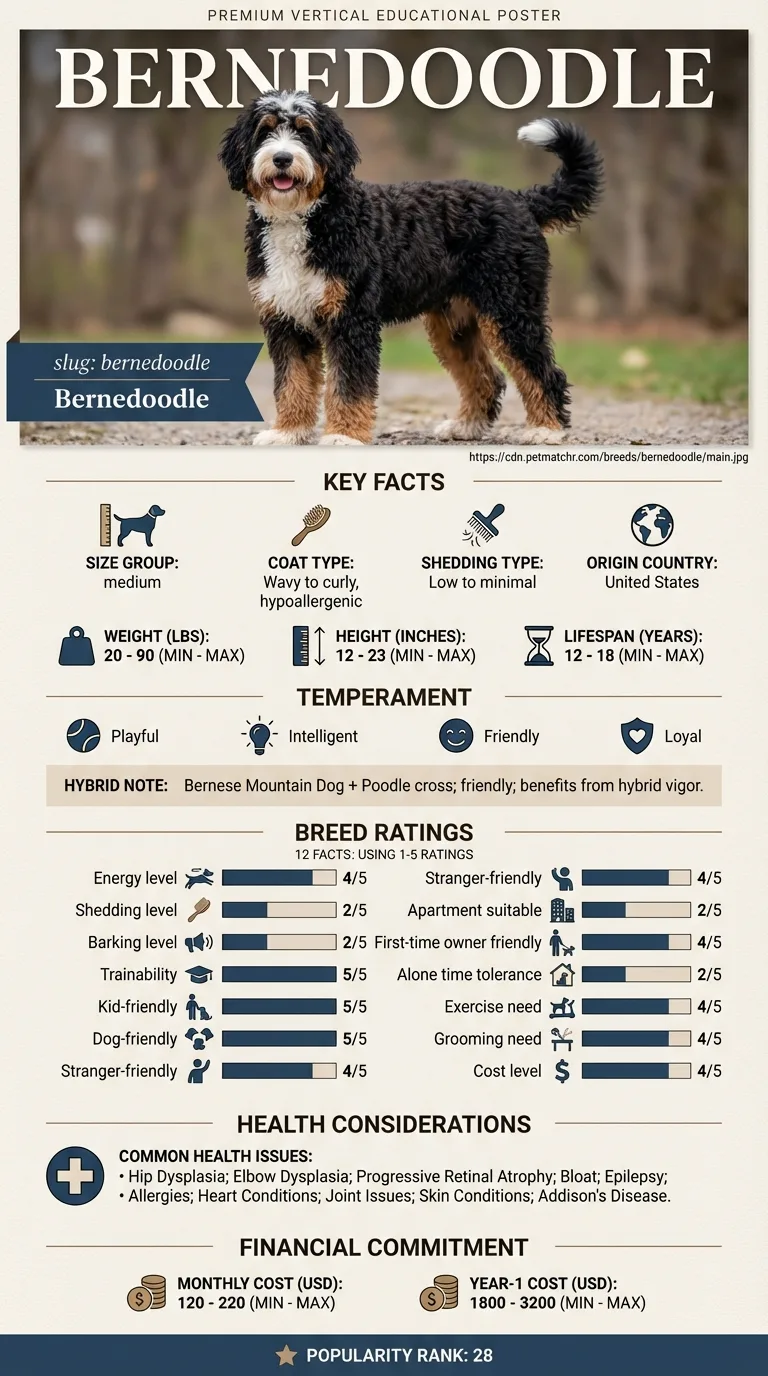
Bernedoodles can inherit certain genetic traits from their parent breeds, the Bernese Mountain Dog and the Poodle. These traits may predispose them to conditions like glaucoma, which is often linked to a family history of eye issues. This breed is also at risk for other eye disorders due to their unique eye structure.
Environmental factors can also contribute to glaucoma. Stressful situations, such as loud noises or changes in routine, may increase eye pressure. Additionally, inadequate care or exposure to harmful substances can lead to eye problems, including glaucoma.
If you notice any symptoms of glaucoma, such as excessive tearing, squinting, or behavioral changes, it's time to consult a vet. Early detection is crucial, and a vet can provide the best treatment options to manage the condition.
Avoiding these common mistakes can help improve your Bernedoodle's condition and comfort.
Start here: Bernedoodle Most Common Genetic Disorders: Screening
See all Bernedoodle health problems, which breeds are prone to glaucoma, or the full Bernedoodle breed guide for temperament, exercise needs and ownership costs.
Managing Bernedoodle glaucoma typically takes several weeks to months, depending on the severity of the condition and the treatment plan. Regular vet check-ups and medication adjustments may be necessary during this time.
Success means effectively managing your dog's eye pressure, minimizing discomfort, and maintaining their vision as long as possible. You'll notice improved behavior and reduced signs of pain or distress.
In less severe cases, you can monitor your Bernedoodle’s symptoms. If they show mild signs like occasional squinting or light sensitivity without any of the urgent symptoms listed above, you can create a watch-and-wait plan with your vet. Keep an eye on changes in their behavior or vision.

When Sarah, a busy nurse from Atlanta, noticed her Bernedoodle Bella squinting and bumping into furniture, she was worried. After a vet visit, Sarah learned Bella had glaucoma, which required medication and lifestyle adjustments. With a consistent routine of eye drops and regular vet visits, Bella's condition stabilized. It took time and patience, but Sarah found success in managing Bella's glaucoma, allowing her to enjoy life without discomfort.
Key takeaway: Early detection and a solid management plan are key in handling Bernedoodle glaucoma, helping your pet lead a happy, comfortable life.
Bernedoodle glaucoma can be caused by genetic predisposition or other underlying health issues. It's important to have regular vet check-ups to catch any eye conditions early. If you notice symptoms like redness, squinting, or excessive tearing, consult your vet immediately.
To manage Bernedoodle glaucoma, regular veterinary check-ups are essential. Your vet may recommend medication to reduce eye pressure or surgery in severe cases. Keeping your dog calm and stress-free can also help mitigate symptoms.
Training a Bernedoodle with glaucoma focuses on creating a safe environment. Teach your dog commands to navigate safely, and avoid sudden changes in their surroundings. Consistent training can help reduce stress and anxiety.
While diet alone won't cure glaucoma, a well-balanced diet can support overall health. Omega-3 fatty acids may help maintain eye health. Discuss dietary options with your vet for tailored advice.
Treatment for Bernedoodle glaucoma may include prescription eye drops to lower pressure, oral medications, or even surgical options. Your vet will determine the best course of action based on your dog's specific condition.
Early signs of Bernedoodle glaucoma can include redness in the eyes, excessive tearing, and changes in the size of the pupils. You may also notice your dog squinting or having difficulty seeing in bright light.
Yes, Bernedoodle glaucoma can often be managed with medications to reduce eye pressure and pain. In some cases, surgery may be necessary, so it's important to consult your vet for the best approach.
While any Bernedoodle can develop glaucoma, those with a family history of eye issues may be at higher risk. Regular check-ups with a vet can help monitor their eye health, especially if there are known risks.
If you notice any changes in your Bernedoodle's eyes, such as swelling, excessive tearing, or signs of pain, it's best to see a vet promptly. Early intervention can help prevent serious complications, including vision loss.
To support a Bernedoodle with glaucoma, ensure their environment is safe and free of obstacles. Reducing stress and providing a calm, quiet space can also help, as anxiety can worsen their condition.
Regular vet visits are crucial for early detection and management of glaucoma. Monitor your dog's behavior and eye health closely to catch any changes early.
Create a calm environment by minimizing stressors and maintaining a routine. Consider gentle training methods to help your dog feel secure.
Yes, some breeds, including Bernedoodles, are genetically predisposed to glaucoma. Be aware of your dog's family history and consult your vet for preventive measures.
Immediately schedule a vet appointment if you notice redness, tearing, or squinting. Early intervention is key to managing glaucoma effectively.
A one-page prep sheet for this condition: the signs, the questions to ask, what to get priced. Unlocks here.
You get: Vet visit prep sheet
No spam. One-click unsubscribe. See our privacy policy.
Preview page 1 before you decide.