Behavior
What are quick tips for Bernedoodle gastric dilatation-volvulus (gdv/bloat)?
Feed smaller, more frequent meals and avoid exercise right after eating. Use elevated bowls and monitor your dog's eating habits closely.
Bernedoodle gastric dilatation-volvulus (GDV/bloat) is a serious and life-threatening condition that can affect your dog's health dramatically.
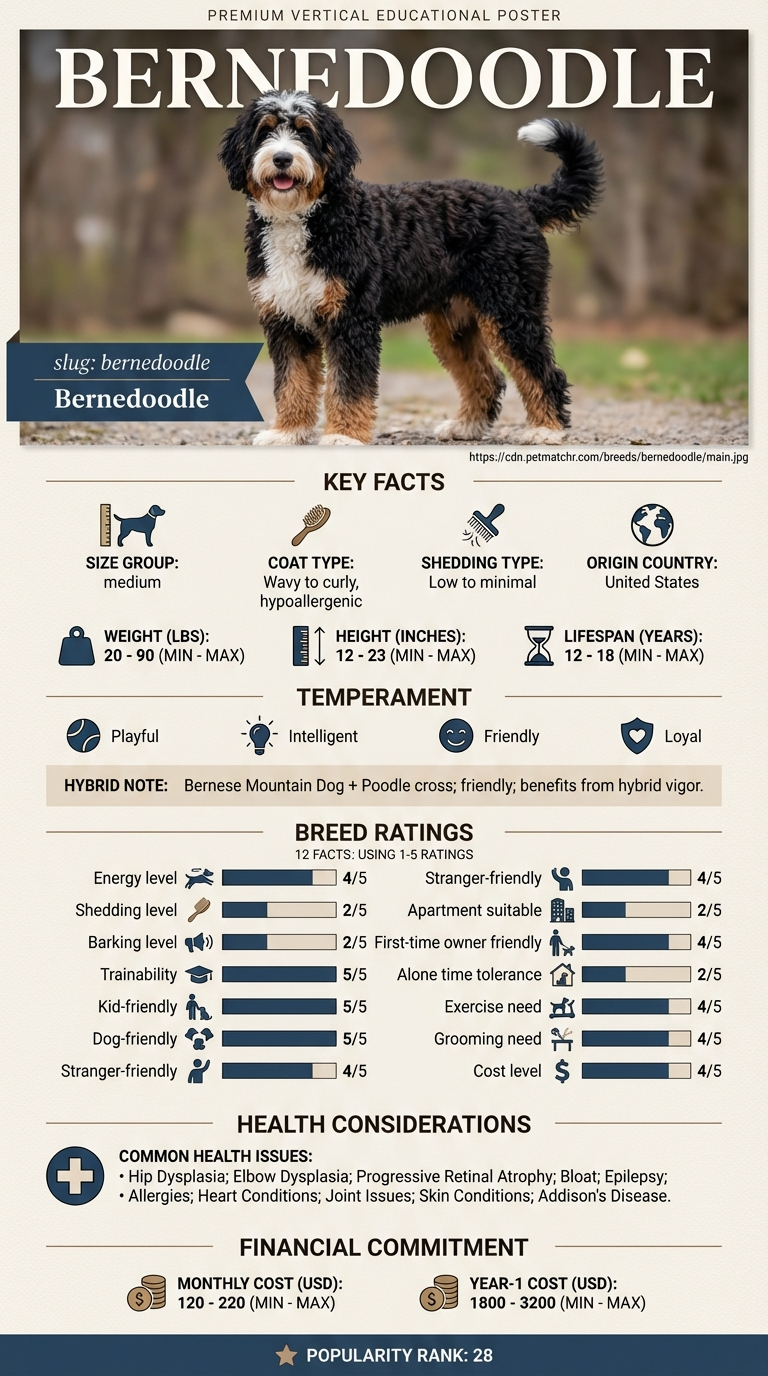
New and experienced Bernedoodle owners alike may face the challenge of GDV/bloat, especially if they have a dog prone to digestive issues. Busy pet parents who can't monitor their dog's eating habits closely are particularly at risk, as are those with high-energy dogs that may eat too quickly.
This guide is not medical advice. If your dog shows pain, sudden behavior change, or worsening symptoms, consult a licensed veterinarian.
Some links may be affiliate links. We may earn a commission at no extra cost to you. We only suggest products we believe are helpful for dog owners.
Bernedoodle gastric dilatation-volvulus (GDV/bloat) is a serious, life-threatening condition that can cause a dog’s stomach to fill with gas and twist. This issue is especially common in medium to large breeds, including Bernedoodles. Owners may notice symptoms like a swollen abdomen, restlessness, drooling, or attempts to vomit without success.
GDV is not extremely common but can occur in Bernedoodles, especially if they have a history of bloat or are at risk due to their size and eating habits. It's crucial for owners to be aware of the signs and seek immediate veterinary care if they suspect their dog is affected.
Bernedoodles are prone to gastric dilatation-volvulus (GDV) due to their size and deep chest structure. Their combination of Bernese Mountain Dog and Poodle genetics can make them more susceptible to this serious condition, especially if they eat quickly or are overly active after meals.
Environmental factors also play a role in GDV. Stressful situations, such as loud noises or changes in routine, can lead to anxiety and rapid eating, increasing the risk of bloat. Additionally, feeding practices, like giving large meals once a day, can contribute to the problem.
If your Bernedoodle shows signs of anxiety or stress during feeding times, consider consulting a trainer who specializes in behavior modification. They can help develop a more relaxed eating routine.
If you notice symptoms like swelling in the abdomen, restlessness, or excessive drooling, contact your vet immediately. GDV is a medical emergency that requires prompt treatment.
If you start addressing Bernedoodle gastric dilatation-volvulus (gdv/bloat) immediately, you could see improvements in behavior within a few weeks. However, it may take several months to fully manage the condition and ensure your dog is stable and healthy.
Success means your Bernedoodle has fewer episodes of bloat, displays less anxiety around feeding times, and has a more consistent routine that keeps their digestive health in check.
Avoiding these common mistakes can help your Bernedoodle with gastric dilatation-volvulus (GDV/bloat). Here are some behaviors to steer clear of.
Bernedoodle gastric dilatation-volvulus (GDV/bloat) can become life-threatening very quickly. It’s crucial to know the signs that indicate an emergency versus situations you can monitor. If your Bernedoodle shows severe symptoms, don’t hesitate—call your vet immediately.
**Red-Flag Signs: Call Your Vet Now** - Swollen abdomen that feels tight or hard. - Non-productive vomiting or retching. - Agitation, restlessness, or pacing. - Excessive drooling or signs of distress. - Rapid breathing or heart rate.
These symptoms suggest that your dog may have a twisted stomach, which requires urgent medical attention.
**Mild Cases to Monitor** - If your dog seems slightly bloated but is still eating and drinking normally. - Occasional gagging without distress or a swollen belly. - Minor lethargy without other severe symptoms.
In these cases, you can keep an eye on your Bernedoodle and consult your vet for guidance. However, always err on the side of caution; if you’re ever in doubt, reach out to your veterinarian. Remember, early detection can save your dog’s life, so trust your instincts and take action when something feels off.
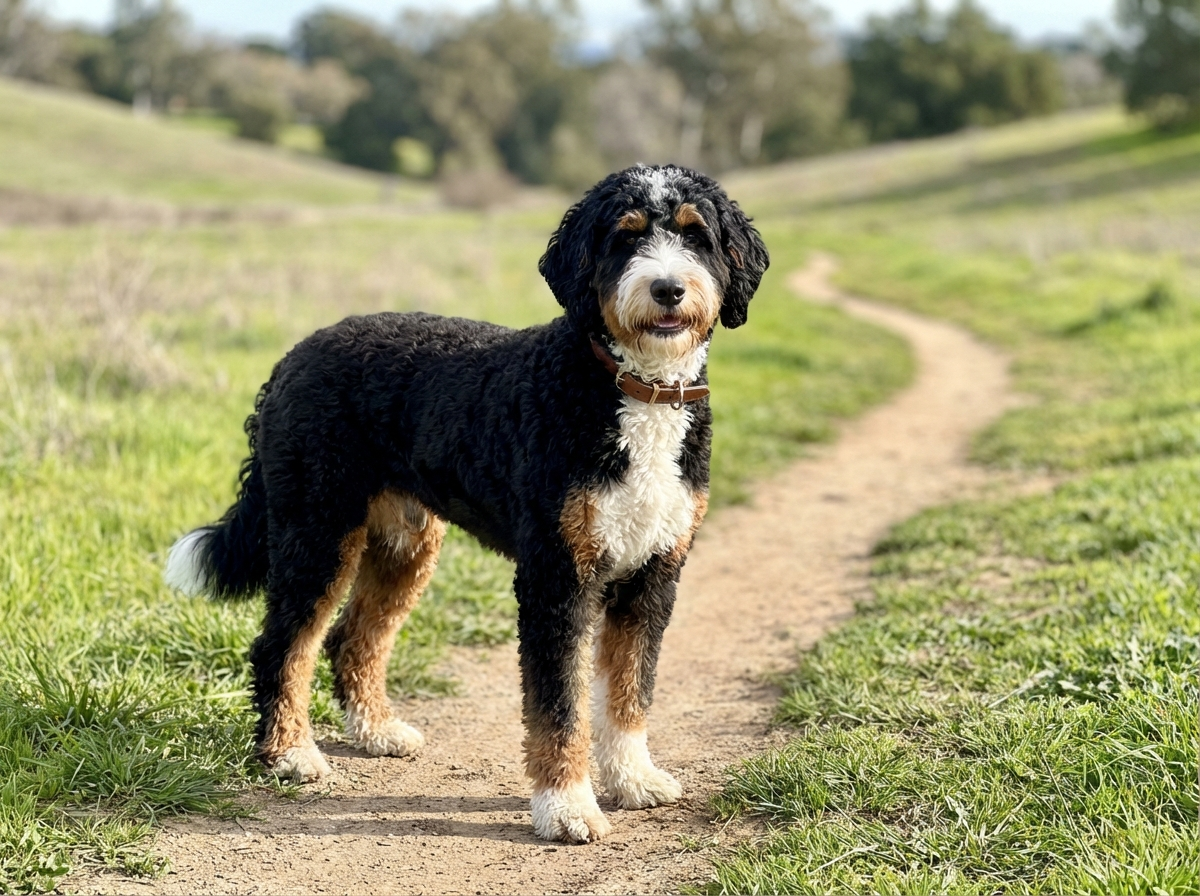
Jessica, a busy nurse in Chicago, noticed her Bernedoodle, Max, had become increasingly anxious around meal times. After a few scary episodes of bloat, she learned about Bernedoodle gastric dilatation-volvulus (gdv/bloat) and worked hard to create a calming feeding routine. By introducing slower feeding techniques and ensuring Max had regular exercise, Jessica saw a significant improvement in his anxiety levels and overall health. With consistent care and attention, Max now enjoys his meals without fear, and Jessica feels more at ease.
Key takeaway: Managing Bernedoodle gastric dilatation-volvulus (gdv/bloat) requires a proactive approach, including creating a calm feeding environment and maintaining a regular routine.
Bernedoodle gastric dilatation-volvulus, commonly known as GDV or bloat, is a serious and life-threatening condition where the stomach fills with gas and may twist. This can lead to shock and death if not treated immediately. Knowing the signs and acting quickly can save your dog's life.
GDV can occur due to factors like eating too quickly, large meals, and exercise right after eating. Certain breeds, including Bernedoodles, are more prone to this condition. Monitoring their eating habits and avoiding stressful situations around meal times can help prevent bloat.
To prevent GDV, feed your Bernedoodle smaller meals more frequently instead of one large meal. Use elevated food bowls and avoid vigorous exercise for at least an hour after eating. Keeping them calm during mealtimes can also reduce the risk.
Common symptoms of GDV include a swollen abdomen, attempts to vomit without success, restlessness, and excessive drooling. If you notice any of these signs, seek emergency veterinary care immediately. Time is critical in these situations.
If you suspect GDV, take your Bernedoodle to the vet immediately. Do not wait to see if symptoms improve, as this condition can progress rapidly. Quick action can be the difference between life and death.
Yes, training can play a role in preventing GDV by teaching your Bernedoodle to eat more calmly and avoid stress during meals. Positive reinforcement techniques can help them develop better eating habits and reduce anxiety.
Early signs of gastric dilatation-volvulus (gdv/bloat) in your Bernedoodle may include restlessness, pacing, excessive drooling, and an enlarged abdomen. If you notice these symptoms, it's crucial to seek veterinary help immediately, as this condition can progress rapidly.
Yes, older Bernedoodles can be at higher risk for gastric dilatation-volvulus (gdv/bloat). As dogs age, their digestive systems may become less efficient, making them more susceptible. Regular check-ups with your vet can help monitor their health.
To help prevent gastric dilatation-volvulus (gdv/bloat) in your Bernedoodle, avoid feeding large meals at once; instead, provide smaller, more frequent meals. Additionally, discourage vigorous exercise right after eating and consider using a slow feeder bowl to promote better digestion.
If you suspect your Bernedoodle has gastric dilatation-volvulus (gdv/bloat), take them to the vet immediately. Do not wait for symptoms to worsen, as this condition can be fatal without prompt treatment.
Yes, certain breeds, especially large and deep-chested dogs, are more prone to gastric dilatation-volvulus (gdv/bloat). While Bernedoodles are at risk, breeds like Great Danes and Boxers are even more susceptible. Understanding your dog's breed can help you take preventive measures.
Feed smaller, more frequent meals and avoid exercise right after eating. Use elevated bowls and monitor your dog's eating habits closely.
GDV is relatively common in larger breeds, including Bernedoodles. Being aware of the risk factors can help you stay proactive.
Keep an eye on their eating speed, signs of distress, and any unusual behaviors after meals. Quick observation can help you catch issues early.


