DogBreedCompass
← Back to breed profile

Understanding Bernedoodle Cherry Eye: Causes & Solutions

Bernedoodle cherry eye is a common issue where the eyelid gland prolapses, causing discomfort and potential health concerns.

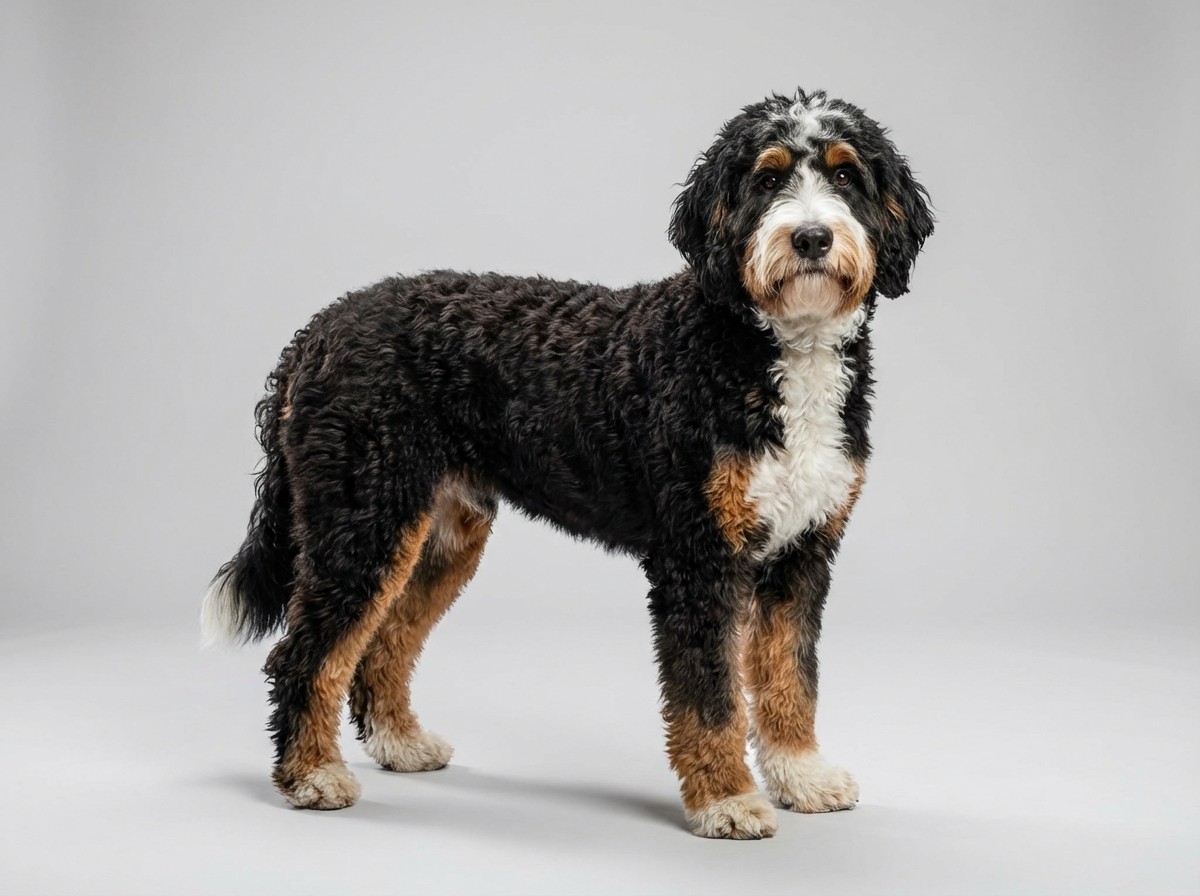
Understanding Bernedoodle Cherry Eye: Causes & Solutions infographic

First-time dog owners or those unfamiliar with Bernedoodle health issues often struggle with identifying and managing cherry eye.

Important reminder

This guide is not medical advice. If your dog shows pain, sudden behavior change, or worsening symptoms, consult a licensed veterinarian.

Some links may be affiliate links. We may earn a commission at no extra cost to you. We only suggest products we believe are helpful for dog owners.

What this problem looks like

Bernedoodle cherry eye is a condition where a gland in the eyelid protrudes, often appearing as a red, swollen mass. This can cause discomfort for your dog and may lead to further health issues if left untreated. Daily life for a Bernedoodle with cherry eye may include frequent blinking, pawing at the eye, or excessive tearing.

Common triggers

  • Genetics, as some breeds are more prone to cherry eye.
  • Injury or irritation to the eye area.
  • Allergies that cause inflammation.
  • Stress or anxiety that may exacerbate the condition.

Cherry eye is relatively common in Bernedoodles, particularly due to their mixed-breed genetics. While not all Bernedoodles will experience this issue, it’s worth noting that around 10-15% may develop cherry eye at some point in their lives. Early intervention can help minimize the risk of long-term complications.

Why this happens

Breed factors

Bernedoodles can be predisposed to cherry eye due to their genetic background. This condition occurs when the tear gland in the third eyelid becomes displaced. As a mixed breed of the Bernese Mountain Dog and Poodle, they may inherit this vulnerability.

Environment factors

Environmental factors can also contribute to cherry eye. Stressful situations, such as frequent changes in routine or new living conditions, may trigger this condition. Additionally, allergens and irritants in the environment can exacerbate eye problems.

What you can try

At-home strategies

  • Keep your Bernedoodle's eyes clean by wiping them gently with a damp cloth daily. This helps remove any irritants.
  • Maintain a consistent routine for feeding and exercise to reduce stress. A calm environment can help prevent cherry eye.
  • Monitor for signs of eye discomfort, such as excessive blinking or squinting, and take action quickly to address any irritants.

When to consider a trainer

If your Bernedoodle shows ongoing signs of stress or anxiety that might be contributing to the cherry eye, consider consulting a professional dog trainer. They can help with behavioral strategies to create a more stable environment for your dog.

When to talk to your vet

If your Bernedoodle develops cherry eye, it's essential to consult your vet. They can determine if medical or surgical intervention is necessary, especially if the eye appears red, swollen, or causes discomfort.

Realistic expectations

Addressing Bernedoodle cherry eye typically takes 1 to 3 months. This includes initial vet visits, treatment plans, and observations for improvement.

Success means the eye appears normal, your dog is comfortable, and there’s no recurrence of cherry eye after treatment.

Mistakes that make this worse

Avoiding common pitfalls can help improve your Bernedoodle's cherry eye condition. Here are some mistakes to steer clear of.

  • Ignoring symptoms: Waiting too long to address cherry eye can lead to more serious issues. If you notice signs of cherry eye, consult your vet sooner rather than later.
  • Overusing home remedies: Some owners try various DIY treatments, which can worsen the condition. Stick to vet-recommended solutions to avoid complications.
  • Neglecting eye care: Failing to regularly clean your dog's eyes may increase irritation. Incorporate gentle cleaning into your grooming routine to keep their eyes clear.
  • Incorrect handling: Rubbing or forcing your dog to avoid touching their eye can make them anxious. Instead, train them gently to leave their eye alone with positive reinforcement.
  • Skipping vet check-ups: Some owners skip routine check-ups, which can delay necessary treatments. Regular visits can help monitor your dog's eye health and catch problems early.
  • Not adjusting diet: Poor nutrition can affect overall health, including eye health. Ensure your Bernedoodle is on a balanced diet to support their well-being.
  • Ignoring stress factors: Stress can exacerbate health issues, including cherry eye. Create a calm environment and engage in stress-relief activities to help your dog feel secure.

When Bernedoodle Cherry Eye is an Emergency

Cherry eye in Bernedoodles can be concerning, and knowing when to act is crucial. If your dog shows signs of severe discomfort, redness, or swelling around the eye, you should contact your vet immediately. These symptoms may indicate a more serious issue or infection that requires professional care.

On the other hand, if your Bernedoodle has a mild case of cherry eye with no visible signs of pain or irritation, you can monitor the situation at home. Keep an eye on the affected eye for any changes, and ensure your dog isn't scratching or rubbing it, which could worsen the condition. If the cherry eye remains without improvement after a few days, or if any new symptoms develop, it's best to consult your vet for advice and potential treatment options.

Understanding Bernedoodle Cherry Eye: Causes & Solutions - When Bernedoodle Cherry Eye is an Emergency

Samantha's Journey with Benny's Cherry Eye

Samantha, a busy nurse in Atlanta, noticed her Bernedoodle Benny had developed a red bulge in his eye. Worried, she took him to the vet, who diagnosed cherry eye and suggested a treatment plan. After discussing options, Samantha opted for a surgical procedure. Post-surgery, she followed vet advice on care and monitored Benny closely. Within weeks, the swelling reduced, and Benny was back to his playful self, enjoying walks and playdates with other dogs.

Key takeaway: Acting quickly and following professional advice can help resolve Bernedoodle cherry eye effectively. Early intervention is key to a successful outcome.


Frequently asked questions

Why does my Bernedoodle have cherry eye?

Cherry eye occurs when the gland of the third eyelid prolapses and becomes visible. This can happen for several reasons, including genetics and lack of tissue support. If you notice this in your Bernedoodle, consult your vet for an accurate diagnosis.

How can I stop my Bernedoodle's cherry eye?

To address cherry eye in a Bernedoodle, consult your veterinarian for treatment options. They may suggest surgery to reposition the gland or, in some cases, medication to reduce inflammation. Early intervention often leads to better outcomes.

What are the treatment options for cherry eye in Bernedoodles?

Treatment options for Bernedoodle cherry eye typically include surgical intervention to reposition the gland. Non-surgical options may involve anti-inflammatory medications, but surgery is often the most effective long-term solution. Your vet will help determine the best course of action.

Is cherry eye common in Bernedoodles?

Cherry eye is seen in various breeds, including Bernedoodles. While it's not guaranteed your dog will develop this issue, it can occur due to genetic predisposition. Regular vet check-ups can help catch any potential problems early.

Can cherry eye in Bernedoodles lead to other health issues?

If left untreated, cherry eye can lead to further complications like irritation or infection. It's important to address it promptly to prevent discomfort for your dog. Regular eye check-ups can help monitor for any related issues.

What causes cherry eye in Bernedoodles?

Cherry eye in Bernedoodles occurs when the gland under the eyelid prolapses, causing a noticeable bulge. This can be due to genetics, age, or even irritation. It’s important to monitor your dog for any signs of discomfort or changes in their eye.

Can cherry eye resolve on its own in Bernedoodles?

In some cases, cherry eye may temporarily reduce, but it's unlikely to fully resolve without treatment. If your Bernedoodle shows signs of cherry eye, consulting with your vet is the best course of action to prevent further complications.

Is cherry eye painful for my Bernedoodle?

While cherry eye itself isn't typically painful, it can lead to irritation or other eye health issues if left untreated. If you notice your Bernedoodle rubbing their eye or showing signs of discomfort, it's wise to see a vet.

How can I prevent cherry eye in my Bernedoodle?

Preventing cherry eye can be challenging due to its genetic factors. However, maintaining a healthy lifestyle, including proper diet and regular vet check-ups, can help monitor potential risks. Early intervention is key if you notice symptoms.

What are the treatment options for Bernedoodle cherry eye?

Treatment for Bernedoodle cherry eye typically involves surgical correction to reposition the gland. Your vet may also recommend anti-inflammatory medications to reduce swelling. Always consult your vet for the best treatment plan tailored to your dog.

Quick answers

View more answers
Behavior

What are some quick tips for managing Bernedoodle cherry eye?

Keep the eye area clean and monitor for excessive tearing or redness. Regular vet visits are essential to catch any changes early. If surgery is needed, follow your vet's aftercare instructions closely.

Health

Is cherry eye painful for my Bernedoodle?

Cherry eye itself is not usually painful, but it can lead to irritation or discomfort if not treated. If your dog shows signs of pain, consult your vet for advice.

Living

How can I prevent cherry eye in my Bernedoodle?

While genetics play a significant role, keeping your dog healthy and well-groomed can help. Regular check-ups with your vet can also help identify potential issues early.

Related DogBreedCompass guides

  • common health issues in BernedoodlesLearn about the common health issues that can affect your Bernedoodle, including cherry eye.
  • Bernedoodle separation anxiety guideFind tips and techniques to help manage your Bernedoodle's separation anxiety.
  • Bernedoodle behavior problemsExplore effective training strategies to address behavior problems in Bernedoodles.
  • Bernedoodle cost breakdownGet insights into the costs associated with owning a Bernedoodle, including health care.
  • why does my Bernedoodle have cherry eyeUnderstand why your Bernedoodle may develop cherry eye and how to prevent it.

Related guides