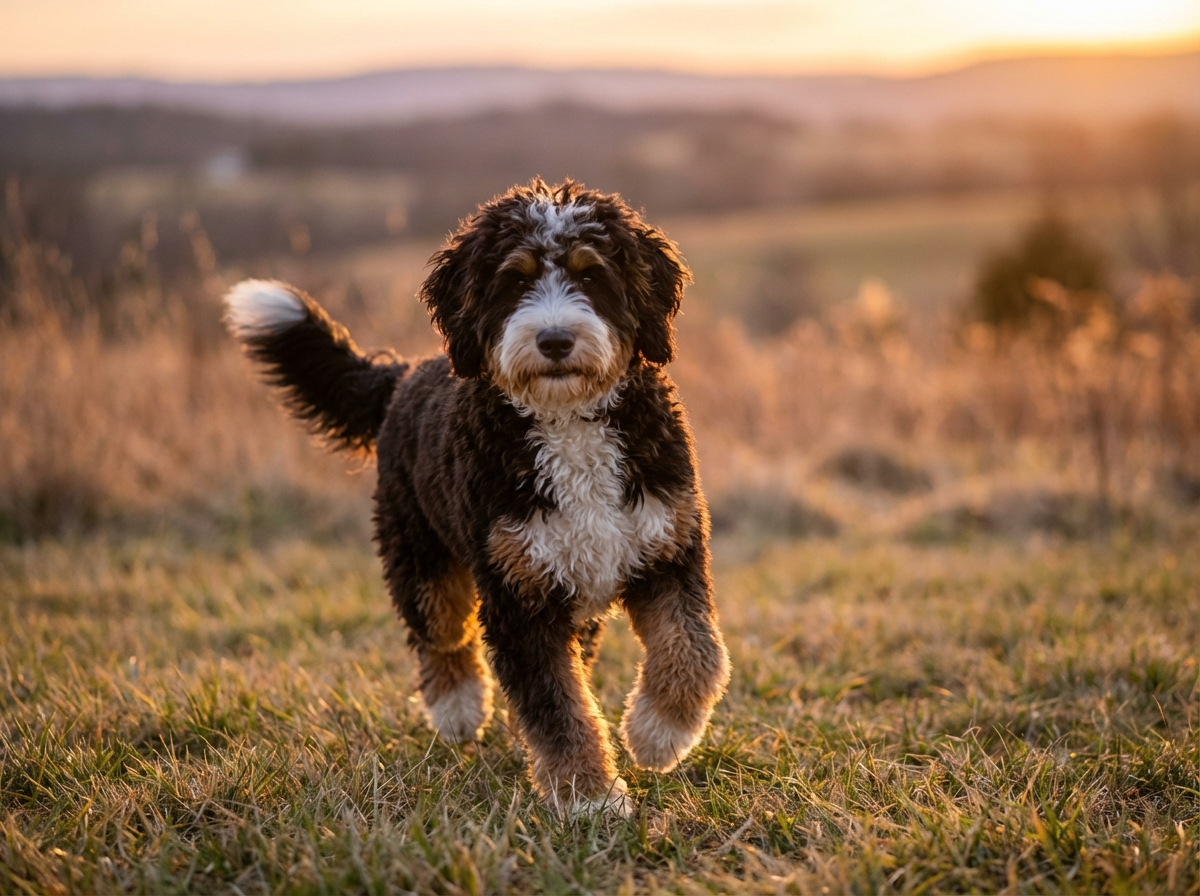
Bernedoodle brachycephalic obstructive airway syndrome (BOAS) can lead to serious breathing issues and affect your dog's quality of life.
Owners of Bernedoodles, especially those who live in hot climates or are active outdoors, often face these issues. New pet parents may find themselves unsure about how to manage their dog's symptoms and ensure a happy, healthy life.
Important reminder
This guide is not medical advice. If your dog shows pain, sudden behavior change, or worsening symptoms, consult a licensed veterinarian.
Some links may be affiliate links. We may earn a commission at no extra cost to you. We only suggest products we believe are helpful for dog owners.
What this problem looks like
Bernedoodle brachycephalic obstructive airway syndrome (BOAS) can lead to serious breathing difficulties. This condition often manifests as snoring, labored breathing, and heat sensitivity, which can be quite distressing for both the dog and their owner. Owners may notice their Bernedoodle struggling to catch their breath after light exercise or during hot weather.
Common triggers
High temperatures
Excessive exercise
Stressful situations
Obesity
Brachycephalic obstructive airway syndrome is relatively common in Bernedoodles, especially as they inherit traits from their brachycephalic ancestors. Many Bernedoodles may experience mild symptoms, while others could face more severe complications that require veterinary attention.
Why this happens
Breed factors
Bernedoodles can inherit traits from their parent breeds, particularly the Poodle and Bernese Mountain Dog. These breeds can have broad skulls and short muzzles, which may lead to breathing difficulties known as Brachycephalic Obstructive Airway Syndrome (BOAS). This genetic predisposition to narrower airways can cause snoring, labored breathing, and heat sensitivity.
Environment factors
Environmental factors can also contribute to BOAS in Bernedoodles. Overweight dogs are at a higher risk due to excess fat around the neck, which can restrict airflow. Additionally, exposure to heat and humidity can exacerbate breathing issues, making it crucial to monitor their environment.
What you can try
At-home strategies
Maintain a healthy weight for your Bernedoodle by providing a balanced diet and regular exercise. This helps reduce pressure on their airways.
Create a comfortable living environment with plenty of cool airflow. Avoid exercising in extreme heat, and consider using fans or air conditioning.
Encourage your dog to breathe more easily by keeping their face free of excess fur that may obstruct airflow. Regular grooming can help with this.
When to consider a trainer
If your Bernedoodle shows signs of anxiety or fear related to their breathing issues, consider contacting a trainer. They can help with desensitization techniques to make your dog more comfortable.
When to talk to your vet
If you notice severe breathing difficulties, frequent coughing, or lethargy, it's essential to consult a vet. They can provide guidance on whether surgery or other interventions are necessary to alleviate your dog's symptoms.
Realistic expectations
With consistent training and care, you can see improvements in your Bernedoodle's breathing within 2 to 4 weeks.
Success means your dog breathes more easily, has less snoring, and can enjoy activities without excessive panting. Regular vet check-ups will help monitor their health.
Mistakes that make this worse
Avoiding these common mistakes can help your Bernedoodle with brachycephalic obstructive airway syndrome (BOAS) breathe easier and feel healthier.
Ignoring signs of distress: If your Bernedoodle is panting heavily or struggling to breathe, don’t overlook it. Consult your vet immediately to address any potential health issues.
Overexerting during exercise: High-energy play can lead to breathing problems. Keep walks short and avoid strenuous activities, especially in hot weather.
Feeding inappropriate foods: Some treats can contribute to weight gain, making breathing more difficult. Stick to vet-recommended diets that help maintain a healthy weight.
Not providing a cool environment: Brachycephalic breeds are sensitive to heat. Always ensure your home is cool, and avoid outdoor activities during peak heat times.
Neglecting dental care: Dental issues can exacerbate breathing problems. Regular brushing and vet check-ups can help prevent oral complications.
Ignoring training: Lack of obedience training can lead to anxiety, which can worsen BOAS symptoms. Invest in training to help your Bernedoodle feel secure and calm.
Delaying vet visits: Procrastinating on vet visits can lead to worsening conditions. Schedule regular check-ups to monitor your dog's health.
When Bernedoodle Brachycephalic Obstructive Airway Syndrome (BOAS) Is an Emergency
Knowing when to act quickly is vital if your Bernedoodle shows signs of Brachycephalic Obstructive Airway Syndrome (BOAS). Some symptoms require immediate veterinary attention, while others can be monitored at home.
**Red-flag signs that mean "call your vet now" include:**
- Severe difficulty breathing or gasping for air.
- Blue-tinged gums or tongue, indicating low oxygen levels.
- Excessive panting that doesn't improve with rest or cooling.
- Signs of distress, such as whining or pacing that seems out of character.
**Mild cases to monitor include:**
- Occasional snoring or snorting, which is common in brachycephalic breeds.
- Mild labored breathing during play or after exertion that resolves quickly.
- Slight heat sensitivity, where your dog may need extra cooling but isn’t in immediate danger.
For mild symptoms, create a plan to observe your dog closely. Keep track of any changes in breathing, behavior, or energy levels and consult with your vet if symptoms worsen. Being proactive can help manage BOAS effectively while ensuring your Bernedoodle stays safe and healthy.
Bernedoodle Brachycephalic Obstructive Airway Syndrome (BOAS) - When Bernedoodle Brachycephalic Obstructive Airway Syndrome (BOAS) Is an Emergency
A Day in the Life of Charlie and His Bernedoodle, Max
Charlie, a busy nurse in Atlanta, adopted Max, a playful Bernedoodle. Shortly after bringing him home, Charlie noticed Max struggled to breathe, especially after a short play session. After researching, Charlie learned about Bernedoodle brachycephalic obstructive airway syndrome (BOAS) and implemented training techniques with regular exercise and vet visits. With patience and dedication, Charlie found that Max's breathing improved significantly, allowing him to enjoy walks and playtime without struggling.
Key takeaway: Understanding and addressing brachycephalic obstructive airway syndrome (BOAS) in your Bernedoodle early on can lead to a happier, healthier life for your dog.
Frequently asked questions
Why does my Bernedoodle have brachycephalic obstructive airway syndrome (boas)?
Bernedoodles can inherit brachycephalic obstructive airway syndrome (BOAS) due to their Poodle lineage. This condition results in breathing difficulties caused by the shape of their skull and airways. If you notice signs like heavy snoring or labored breathing, it's essential to consult your vet. This answer relates to Bernedoodle brachycephalic obstructive airway syndrome (boas).
How can I help my Bernedoodle with brachycephalic obstructive airway syndrome (boas)?
To assist your Bernedoodle, ensure they maintain a healthy weight, as obesity can exacerbate breathing issues. Regular, gentle exercise and avoiding extreme temperatures can also help. Consult your vet for tailored advice and potential surgical options if necessary.
What are the signs of brachycephalic obstructive airway syndrome (boas) in Bernedoodles?
Signs of BOAS include loud snoring, difficulty exercising, excessive panting, and a blue-tinged tongue. You might also observe your dog struggling to breathe, especially during hot weather or after play. Monitoring these signs is crucial for their health.
Can training help reduce the effects of brachycephalic obstructive airway syndrome (boas)?
Training can help manage stress and anxiety, which might worsen BOAS symptoms. Teaching your Bernedoodle to stay calm during activities can improve their breathing. However, it won't cure the anatomical issues related to BOAS.
What lifestyle changes should I make for my Bernedoodle with boars?
Ensure your Bernedoodle has a cool and comfortable environment, especially in summer. Limit strenuous exercise and avoid long walks during peak temperatures. Regular vet check-ups are vital to monitor their breathing and overall health.
What are the signs of brachycephalic obstructive airway syndrome (BOAS) in Bernedoodles?
Common signs of BOAS in Bernedoodles include loud snoring, difficulty breathing, and excessive panting, especially in hot or humid weather. You might also notice your dog struggling during exercise or seeming lethargic.
Can older Bernedoodles develop brachycephalic obstructive airway syndrome (BOAS)?
Yes, older Bernedoodles can develop BOAS, especially if they've had underlying respiratory issues. It's important to monitor their breathing and consult a vet if you notice any changes in their respiratory habits.
When should I take my Bernedoodle to the vet for BOAS symptoms?
If your Bernedoodle shows signs of severe breathing difficulties, such as gasping for air or blue-tinged gums, you should seek immediate veterinary care. Regular check-ups can also help catch any early signs of BOAS.
How can I help my Bernedoodle with brachycephalic obstructive airway syndrome (BOAS)?
You can help your Bernedoodle by keeping them cool and avoiding strenuous exercise, especially in hot weather. Training techniques that promote calm behavior can also be beneficial.
Is there a surgical option for brachycephalic obstructive airway syndrome (BOAS) in Bernedoodles?
Yes, surgery can be an option for severe cases of BOAS in Bernedoodles. A vet can provide guidance on whether surgery is necessary and what the potential benefits and risks are.
What are some quick tips for managing Bernedoodle brachycephalic obstructive airway syndrome (boas)?
Keep your Bernedoodle cool and avoid strenuous activities in hot weather. Regular vet visits are essential for monitoring their breathing. Maintain a healthy weight to help reduce breathing difficulties.
Health
How can I tell if my Bernedoodle is experiencing breathing problems?
Watch for signs like heavy snoring, labored breathing, or excessive panting. If your dog struggles to breathe after light activity, contact a vet immediately.
Costs
What costs should I expect for treating boars in my Bernedoodle?
Treatment costs can vary but expect to pay for regular vet visits, which may range from $100 to $300. Surgery, if required, can be significantly more expensive.
Training
Is training necessary for a Bernedoodle with brachycephalic obstructive airway syndrome (boas)?
While training isn't a cure, it helps manage anxiety and stress that can worsen their condition. Basic obedience training is beneficial for their overall behavior.
Related DogBreedCompass guides
Bernedoodle health issues guide – Learn more about common health issues that can affect Bernedoodles, including BOAS and how to manage them.
Bernedoodle brachycephalic obstructive airway syndrome (boas) training – Explore effective training methods to help your Bernedoodle manage BOAS symptoms.
Bernedoodle separation anxiety guide – Find out how to help your Bernedoodle cope with separation anxiety, which can be common in this breed.
Bernedoodle behavior problems – Discover tips on managing Bernedoodle behavior problems that may arise from health issues like BOAS.
Bernedoodle cost breakdown – Get a breakdown of the costs associated with owning a Bernedoodle, including healthcare for conditions like BOAS.