Behavior
What are quick tips for managing Bernedoodle allergic reactions?
Keep your Bernedoodle's environment clean, use hypoallergenic products, and regularly groom them. Consult your vet for dietary adjustments if needed.
Bernedoodle allergic reactions can be a major concern for dog owners. Understanding what triggers these reactions is crucial for your dog's health and happiness.

First-time dog owners, families with children, and those living in urban areas may struggle with managing Bernedoodle allergic reactions. If you're feeling overwhelmed, you're not alone; many pet parents share these concerns.
This guide is not medical advice. If your dog shows pain, sudden behavior change, or worsening symptoms, consult a licensed veterinarian.
Some links may be affiliate links. We may earn a commission at no extra cost to you. We only suggest products we believe are helpful for dog owners.
Bernedoodle allergic reactions can be a daily struggle for both dogs and their owners. These reactions can manifest as itchy skin, ear infections, or gastrointestinal upset, making your pup uncomfortable. Common triggers include certain foods, environmental allergens like pollen or dust mites, and even household products.
Allergic reactions are relatively common in Bernedoodles, with studies suggesting they have a 276% higher risk compared to other breeds. This means many owners may face this issue at some point.
Bernedoodles can inherit allergies from their parent breeds, particularly due to their Poodle lineage. They may be sensitive to certain foods, environmental factors, or grooming products. This breed is also prone to skin conditions that can lead to allergic reactions.
Environmental factors play a significant role in allergic reactions. Common triggers include pollen, dust mites, mold, and chemicals in household products. Changes in their living environment, such as moving to a new home or frequent exposure to different plants, can also cause issues.
If your Bernedoodle's allergic reactions lead to anxiety or behavioral changes, consider consulting a trainer who specializes in behavior problems. They can help devise a plan to manage stress and anxiety linked to allergic reactions.
Consult your vet if you notice persistent symptoms or if the allergic reactions worsen. Swelling, difficulty breathing, or severe itching are signs that need immediate attention. Your vet can recommend allergy testing and treatment options.
You can expect to see improvements in your Bernedoodle's allergic reactions within 4 to 8 weeks of consistent management. This includes dietary adjustments, environmental control, and training.
Success means your Bernedoodle experiences fewer allergic reactions and is more comfortable. You'll notice a reduction in symptoms like itching, redness, and digestive issues, allowing your dog to enjoy daily activities.
Here are common mistakes that can worsen Bernedoodle allergic reactions, along with safer alternatives.
Understanding when Bernedoodle allergic reactions require immediate attention is crucial. Some signs indicate a serious issue that needs a vet's expertise right away. Others can be monitored at home with a plan.
Red flags include severe swelling, especially around the face or eyes, difficulty breathing, or vomiting. If your Bernedoodle experiences any of these symptoms, you should call your vet immediately. These could indicate anaphylaxis, a life-threatening condition. Rapid response is vital in these cases.
On the other hand, mild allergic reactions, such as sneezing, itching, or minor skin irritations, can often be managed at home. In these situations, monitor your dog closely and consider implementing a plan to address their triggers. Keep a journal of their reactions to help identify patterns and possible allergens. This approach can assist your vet in making a proper diagnosis later. If symptoms persist or worsen, don't hesitate to reach out for professional guidance.
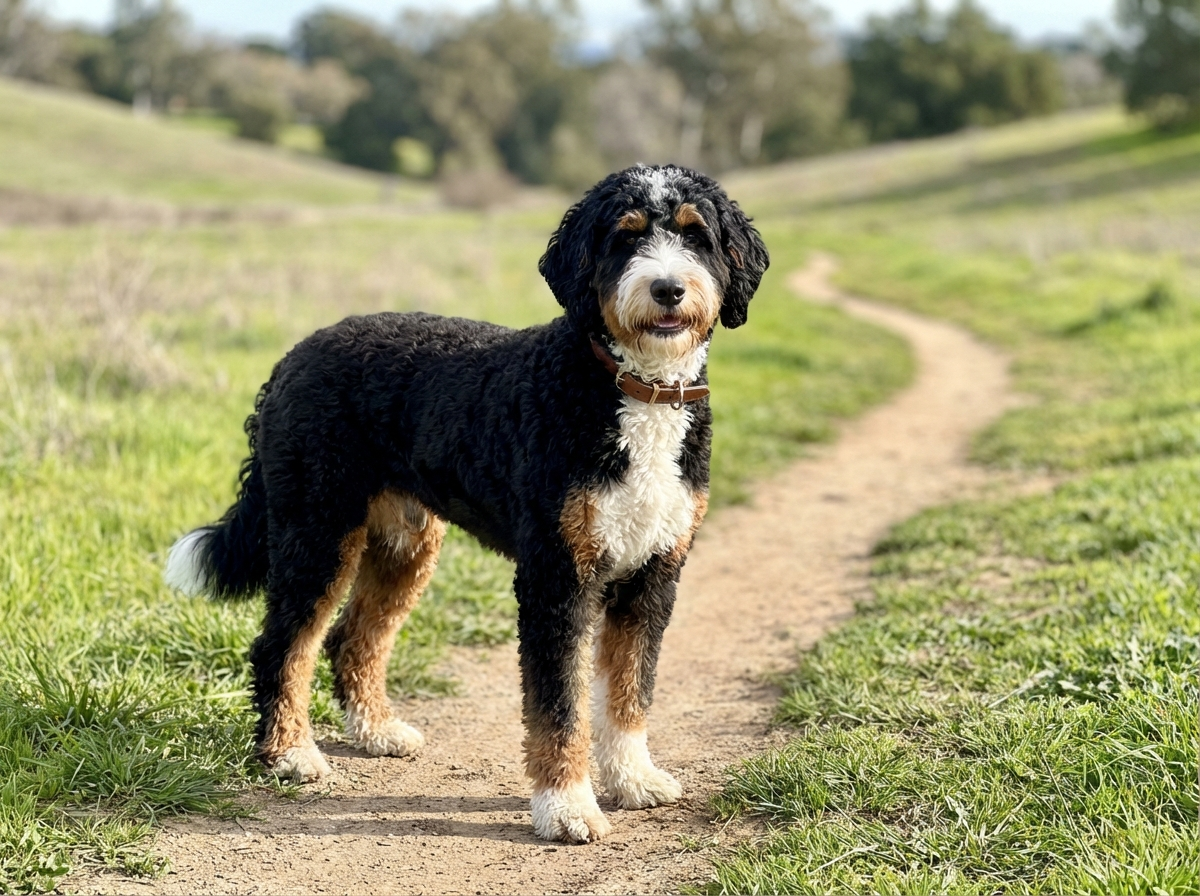
Emily, a busy nurse in Chicago, adopted Max, her playful Bernedoodle, and quickly noticed he was scratching excessively. After a vet visit, she learned Max had allergies, likely to certain foods and environmental factors. Determined to help her furry friend, Emily followed a strict elimination diet, removed dust and pollen from their apartment, and invested in training to manage Max's anxiety during flare-ups. Within weeks, Max was much happier, and Emily felt relieved to see him finally at ease.
Key takeaway: With patience and the right approach, managing your Bernedoodle's allergic reactions is possible, leading to a happier, healthier life for both of you.
Bernedoodles can experience allergic reactions due to environmental factors, food ingredients, or even contact with certain materials. Common allergens include pollen, dust mites, and specific proteins in their diet. It's important to observe any patterns in your dog's reactions to help identify the triggers.
To stop Bernedoodle allergic reactions, first consult a veterinarian for a diagnosis. They may recommend allergy testing or suggest a hypoallergenic diet. Regular grooming, keeping your home clean, and avoiding known allergens can also help reduce reactions.
Symptoms of allergic reactions in Bernedoodles can include itching, skin rashes, redness, sneezing, and gastrointestinal issues. If you notice any of these signs, it's essential to act quickly and consult your vet for guidance.
Yes, a specific diet can greatly help Bernedoodles with allergies. Hypoallergenic dog foods made with limited ingredients are often recommended. Always consult your vet before changing your dog's diet to ensure it meets their nutritional needs.
While you can't train away allergies, you can help your Bernedoodle learn to avoid allergens. Positive reinforcement can encourage them to stay away from known triggers. Training in a controlled environment may also help reduce their exposure.
Bernedoodles have a higher risk of allergies due to their genetic background. They inherit traits from both the Bernese Mountain Dog and the Poodle, both of which can be susceptible to allergies. Regular vet check-ups can help manage this risk.
Bernedoodles can have allergic reactions due to various allergens, including pollen, dust mites, certain foods, or flea bites. Each dog is unique, and it may take some time to identify the specific trigger causing your Bernedoodle's allergy.
Signs of allergies in Bernedoodles may include itching, skin rashes, ear infections, or gastrointestinal issues. If you notice these symptoms, it's best to consult your vet for a proper diagnosis and treatment plan.
Yes, older Bernedoodles can develop allergies as their immune systems change over time. Regular check-ups with a vet can help monitor their health and catch any new allergy issues early.
If your Bernedoodle experiences a severe allergic reaction, such as difficulty breathing or swelling, seek immediate veterinary assistance. It's crucial to act quickly in these situations to ensure your dog's safety.
While training won't cure allergies, it can help manage your Bernedoodle's behavior when exposed to allergens. Techniques like desensitization can make a difference, so consider discussing training options with a professional dog trainer.
Keep your Bernedoodle's environment clean, use hypoallergenic products, and regularly groom them. Consult your vet for dietary adjustments if needed.
Groom your Bernedoodle at least once a week to reduce allergens in their coat. Regular brushing helps remove loose hair and dander.
Take your Bernedoodle to the vet if they show persistent symptoms like itching or gastrointestinal distress. Early intervention can prevent more severe reactions.
Managing allergies can cost between $120 to $220 monthly, depending on treatments and dietary needs. Regular vet visits may add to this cost.