Behavior
What are Belgian Malinois skin allergies quick tips?
To manage skin allergies, keep your dog's environment clean, use hypoallergenic shampoos, and maintain a flea prevention regimen.

Quick answer
What are Belgian Malinois skin allergies quick tips?
To manage skin allergies, keep your dog's environment clean, use hypoallergenic shampoos, and maintain a flea prevention regimen.
Belgian Malinois skin allergies can cause severe itching and discomfort for your dog. These allergies can lead to further health complications if not addressed properly.
This issue often affects active owners who may not realize their dog's discomfort until it becomes severe. Busy families or first-time dog owners might struggle to identify the signs and find the right solutions.
This guide is not medical advice. If your dog shows pain, sudden behavior change, or worsening symptoms, consult a licensed veterinarian.
Some links may be affiliate links. We may earn a commission at no extra cost to you. We only suggest products we believe are helpful for dog owners.
We research and check what we publish, but we do not warrant that any figure, date, price, or statement is accurate, complete, or current, and we accept no liability for any loss, cost, injury, or other harm arising from the use of this site. Use it as one reference among several. You remain responsible for your own decisions and for your dog's care - confirm anything that matters with a licensed veterinarian or another qualified professional before you act on it. Full disclaimer.
Check this first
Recognizing when your Belgian Malinois skin allergies require immediate veterinary attention is crucial. Some symptoms are clear red flags that demand swift action. Look out for severe swelling, excessive scratching leading to open wounds, or any signs of infection, like pus or foul odors. These are signs that your dog may be in distress and needs urgent care.
While some skin allergies can be managed at home, others can escalate quickly. If your Malinois is experiencing difficulty breathing, excessive vomiting, or signs of anaphylaxis—like hives or swelling around the face—call your vet immediately. These symptoms indicate a potentially life-threatening allergic reaction.
Mild cases can often be monitored with a plan. If your dog has minor itching or redness without other concerning symptoms, you can try to manage it with home remedies or over-the-counter treatments. Keep a close eye on their symptoms, and consider scheduling a vet visit if they worsen or do not improve. Documenting what seems to trigger the allergies can also be helpful for your vet to create a tailored treatment plan.
If any of these apply, call your vet or an emergency clinic now. The rest of this page is for the cases that are not an emergency.
Belgian Malinois skin allergies can be a daily struggle for both dogs and their owners. Symptoms often include persistent itching, red or inflamed skin, and even hair loss. These issues can lead to discomfort and frustration as your Malinois may scratch or bite at their skin, causing further irritation.
Skin allergies are quite common in Belgian Malinois, often ranking among their typical health issues. Many owners report dealing with these allergies at some point, making it essential to understand how to manage them effectively.
Belgian Malinois skin allergies can stem from their genetics. This breed is more prone to allergies due to their sensitive skin and immune system. They often react to common allergens like pollen, dust mites, and certain foods.
Environmental factors also play a big role. Changes in weather, exposure to harsh chemicals, or irritants in your home can trigger skin allergies. Additionally, poor grooming habits can lead to skin issues, as dirt and moisture may accumulate.
Consult your vet if your dog's skin allergies persist despite home remedies. They may recommend allergy testing or prescribe medications to help manage symptoms and prevent complications.
Avoiding common mistakes can help your Belgian Malinois feel better. Here are some behaviors to watch out for.
Start here: Belgian Malinois Most Common Genetic Disorders: Screening
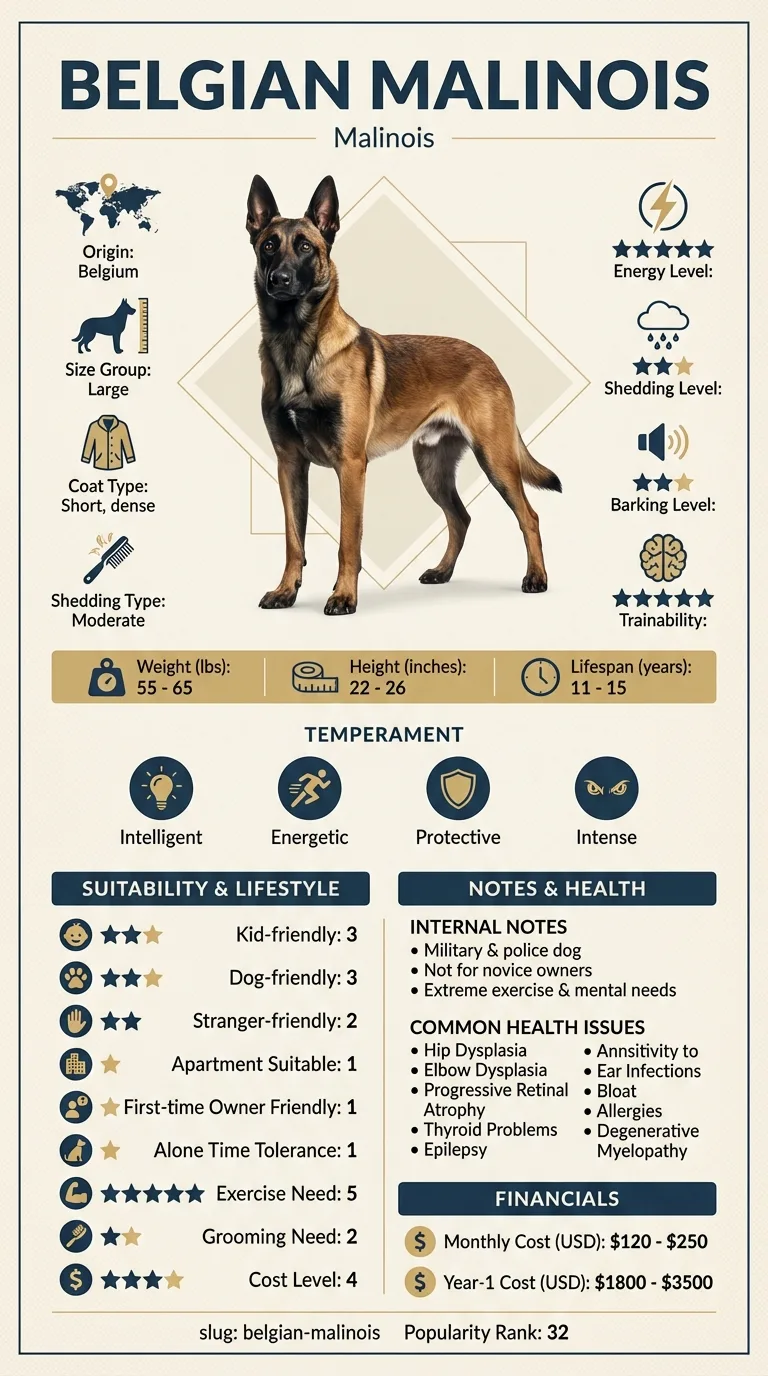
See all Belgian Malinois health problems, which breeds are prone to skin allergies, or the full Belgian Malinois breed guide for temperament, exercise needs and ownership costs.
Most owners see improvements in their Belgian Malinois' skin allergies within 4 to 8 weeks, depending on the severity and treatment plan.
Success means your Malinois experiences reduced itching and irritation, showing signs of comfort and less scratching. Regular vet check-ups and a consistent care routine will help maintain this progress.
Sarah, a busy nurse in Atlanta, noticed her Belgian Malinois, Max, scratching excessively and developing red patches on his skin. After a vet visit, she learned that environmental allergens and his diet were likely the culprits. With a new hypoallergenic diet and regular baths using medicated shampoo, Sarah saw Max's skin improve significantly over the next two months. She also included an air purifier at home to reduce dust and pollen. Now, Max is much more comfortable, and their daily walks are enjoyable again.
Key takeaway: Finding the right combination of diet, grooming, and environmental adjustments can significantly improve your Belgian Malinois' skin allergies, leading to happier pets and owners.
Belgian Malinois can develop skin allergies due to various factors like food sensitivities, environmental allergens, or flea bites. Common symptoms include itching, redness, and irritation. Identifying the specific cause often requires a vet's consultation and possibly allergy testing.
To stop your Belgian Malinois from scratching, ensure they are on a hypoallergenic diet if food allergies are suspected. Regularly bathe your dog with medicated shampoos, as recommended by your vet, and keep their living area clean to reduce allergens. If symptoms persist, consult your vet for further treatment options.
Common triggers for skin allergies in Belgian Malinois include pollen, dust mites, mold, and certain food ingredients like beef or dairy. Fleas are also a significant culprit, so regular flea prevention is essential. Observing your dog's reactions after exposure to different environments can help identify triggers.
Mild skin allergies can sometimes be managed at home with over-the-counter antihistamines or natural remedies like oatmeal baths. However, it's vital to consult your vet before starting any treatment to avoid worsening the condition. Severe cases usually require veterinary intervention.
If your Belgian Malinois shows persistent symptoms like excessive scratching, skin lesions, or hair loss, it's time to visit the vet. Immediate attention is also needed if you notice signs of secondary infections, such as pus or foul odors. Early intervention can prevent further complications.
Yes, specific diets can help manage Belgian Malinois skin allergies. A limited ingredient diet that avoids common allergens can reduce symptoms. Brands that offer hypoallergenic formulations may also be beneficial, but always consult your vet before making dietary changes.
Yes, skin allergies in Belgian Malinois can sometimes be linked to other health issues like thyroid problems or autoimmune disorders. Regular vet check-ups are essential to monitor your dog's overall health and address any underlying concerns that could exacerbate allergies.
Yes, Belgian Malinois can develop skin allergies later in life. Allergies can be triggered by environmental factors, changes in diet, or even new products used on their skin. Regular vet check-ups can help catch these issues early.
Yes, hypoallergenic diets or those rich in omega fatty acids may help reduce skin allergy symptoms. Ingredients like fish, sweet potatoes, and certain grains can also be beneficial. Always consult your vet before making dietary changes.
You can manage skin allergies by keeping your dog's environment clean and reducing exposure to allergens. Regular baths with hypoallergenic shampoo can help soothe irritation. Additionally, using an air purifier and keeping your dog away from pollen-heavy areas may also help.
To manage skin allergies, keep your dog's environment clean, use hypoallergenic shampoos, and maintain a flea prevention regimen.
Keep a diary of your dog's symptoms and environment to help identify potential allergens. Consult your vet for allergy testing if needed.
Treatments can include antihistamines, medicated shampoos, and dietary changes. Always consult your vet for the best approach.
Bathing your Belgian Malinois once every 1-2 weeks with a medicated shampoo can help soothe their skin. However, consult your vet for personalized recommendations.
Treatment costs for skin allergies can vary widely, typically ranging from $100 to $500 monthly depending on the severity and required medications. Regular vet visits can also add to the costs.
A one-page prep sheet for this condition: the signs, the questions to ask, what to get priced. Unlocks here.
You get: Vet visit prep sheet
No spam. One-click unsubscribe. See our privacy policy.
See a sample page before you decide.
Early access list
The free prep sheet covers the same-day warning signs, a symptom log and the questions to ask. We are considering a fuller kit that adds a cost worksheet for the usual tests and treatments (US price ranges with their sources) and a plain-English guide to ways of covering the bill. It is not built yet; this list tells us whether it is worth building.
One email, no spam, unsubscribe anytime. Information only, not veterinary advice.