Behavior
What are quick tips for managing Belgian Malinois respiratory disease?
Ensure a cool, clean environment and avoid strenuous exercise during hot weather. Regular vet visits are key for monitoring their health.

Quick answer
What are quick tips for managing Belgian Malinois respiratory disease?
Ensure a cool, clean environment and avoid strenuous exercise during hot weather. Regular vet visits are key for monitoring their health.
Belgian Malinois respiratory disease can be a serious concern for owners. This condition can lead to breathing difficulties that impact your dog's quality of life.
This problem often affects dedicated Malinois owners who may be unaware of the potential health risks. First-time owners or those living in urban environments may find it particularly challenging to manage the breed's exercise and health needs.
This guide is not medical advice. If your dog shows pain, sudden behavior change, or worsening symptoms, consult a licensed veterinarian.
Some links may be affiliate links. We may earn a commission at no extra cost to you. We only suggest products we believe are helpful for dog owners.
We research and check what we publish, but we do not warrant that any figure, date, price, or statement is accurate, complete, or current, and we accept no liability for any loss, cost, injury, or other harm arising from the use of this site. Use it as one reference among several. You remain responsible for your own decisions and for your dog's care - confirm anything that matters with a licensed veterinarian or another qualified professional before you act on it. Full disclaimer.
Check this first
Identifying when your Belgian Malinois is having a respiratory emergency is crucial. Immediate veterinary attention is necessary if you notice any of these red-flag signs: severe coughing, difficulty breathing, or blue-tinged gums. These symptoms can indicate a life-threatening condition that requires urgent care.
On the other hand, some issues are milder and can be monitored. If your Malinois has a slight cough, sneezes occasionally, or seems a bit lethargic but is still eating and drinking normally, you can watch and wait. Keep track of any changes in behavior or symptoms, and consider implementing a plan to improve their respiratory health, such as adjusting their environment or exercise routine.
Always err on the side of caution. When in doubt, consult your vet. They can provide guidance tailored to your dog's specific needs and health conditions.
If any of these apply, call your vet or an emergency clinic now. The rest of this page is for the cases that are not an emergency.
Belgian Malinois respiratory disease can significantly affect your dog's quality of life. This condition often manifests through symptoms like coughing, difficulty breathing, or wheezing. Daily activities, such as playing or exercising, may become challenging for your Malinois, impacting their overall energy and mood.
Respiratory issues in Belgian Malinois are notably common, with a higher risk compared to other breeds. This breed is particularly sensitive due to their intense energy levels and physical needs, making them prone to respiratory stress in certain situations.
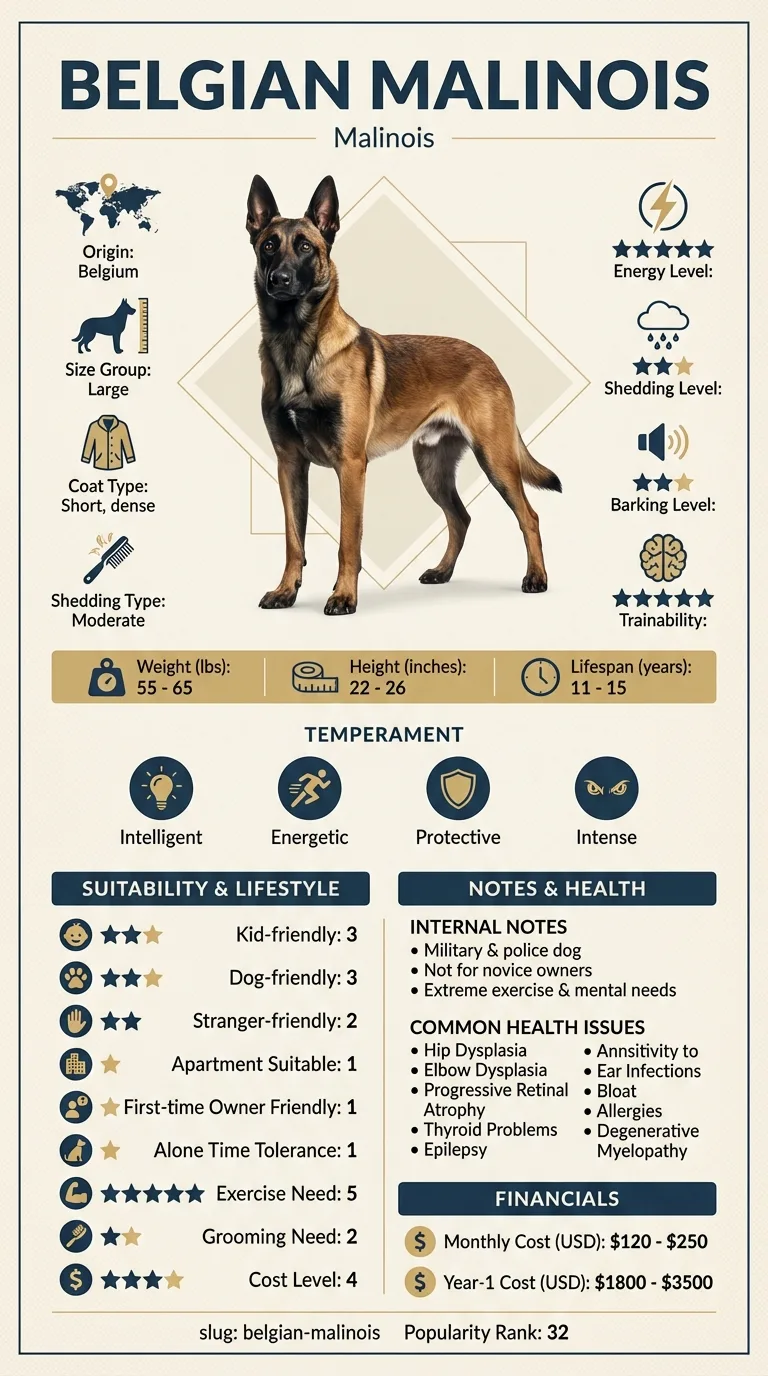
The Belgian Malinois is an energetic and intelligent breed, but they can be prone to respiratory diseases due to their intense exercise needs. Their short, dense coat can also contribute to overheating, especially in high-stress environments. These factors can lead to respiratory strain if not managed properly.
Environmental factors can significantly impact a Malinois's respiratory health. Poor air quality, extreme temperatures, and excessive exercise without proper breaks can exacerbate respiratory issues. Additionally, living in humid climates can make breathing more difficult for this breed.
If your dog experiences persistent coughing, labored breathing, or lethargy, it's crucial to consult your vet immediately. Early diagnosis can make a significant difference in treatment options and outcomes.
Avoiding these common mistakes can help improve your Belgian Malinois's respiratory health.
Start here: Belgian Malinois Most Common Genetic Disorders: Screening
See all Belgian Malinois health problems, which breeds are prone to respiratory disease, or the full Belgian Malinois breed guide for temperament, exercise needs and ownership costs.
Managing Belgian Malinois respiratory disease typically takes 3 to 6 months of consistent care and follow-up with your vet. Early intervention is key.
Success is seen when your Malinois shows improved breathing patterns, increased energy levels, and a better response to training routines focused on their respiratory health.
Mark, a busy dog trainer from Denver, was excited to bring home Rex, his Belgian Malinois. However, he soon noticed that Rex was panting heavily during playtime and struggled to catch his breath. After a vet visit confirmed that Rex had respiratory disease, Mark felt overwhelmed. He quickly learned about the importance of gradual exercise and adjusted Rex's play sessions to shorter, more controlled bursts. With patience and a tailored training program, Mark saw Rex's stamina improve over several months. Now, Rex enjoys longer walks without tiring too quickly, and Mark feels empowered as a dog owner.
Key takeaway: Understanding and adapting to your dog's health needs can lead to significant improvements, making the journey rewarding for both you and your four-legged friend.
Belgian Malinois are at higher risk for respiratory diseases due to their physical structure. Factors like exercise, environmental conditions, and genetics can contribute to these issues. If your dog shows signs of respiratory distress, consult a vet for a thorough evaluation. This answer relates to Belgian Malinois respiratory disease.
To support your Belgian Malinois, ensure they avoid extreme temperatures and high humidity. Regular vet check-ups and medication, if prescribed, are also essential. Incorporating a healthy diet and proper exercise can strengthen their respiratory health.
While training won't cure respiratory disease, it can help manage your dog's stress and anxiety. A well-trained dog is less likely to panic in situations that might exacerbate breathing issues. Consider positive reinforcement techniques and low-impact activities.
Air quality, temperature extremes, and allergens can significantly impact their respiratory health. Keep your home well-ventilated and avoid exposing them to smoke or strong odors. Regular cleaning can also reduce allergens in their environment.
A diet rich in omega fatty acids can support respiratory health. Look for high-quality dog food that includes these nutrients. Always consult your vet before making significant dietary changes.
If your dog is struggling to breathe or shows severe distress, seek emergency veterinary care immediately. Keep them calm and avoid any strenuous activities until you can get professional help.
Yes, older Belgian Malinois may be more susceptible to respiratory diseases due to age-related health issues. Their immune systems can weaken, making it harder for them to fight off infections. Regular vet check-ups are essential for early detection.
If your Belgian Malinois is diagnosed with respiratory disease, follow your vet's treatment plan closely. This may include medications, adjustments to their environment, and changes in exercise routines. Regular monitoring is crucial to manage their condition effectively.
To help prevent respiratory issues in your Belgian Malinois, ensure they have a clean living environment and avoid exposure to smoke or allergens. Regular exercise and a balanced diet can also boost their overall health. Keeping up with vet visits is key to catching any problems early.
Even active and seemingly healthy Belgian Malinois can develop respiratory disease due to genetics or environmental factors. For instance, exposure to pollutants or allergens can contribute to respiratory problems. It's important to consult your vet for a thorough examination and advice.
Ensure a cool, clean environment and avoid strenuous exercise during hot weather. Regular vet visits are key for monitoring their health.
Watch for signs like labored breathing, excessive panting, or coughing. If any of these occur, consult a vet promptly.
While not a cure, training can reduce their anxiety, which may help manage respiratory symptoms. Focus on positive reinforcement and low-stress activities.
Yes, a well-balanced diet can support overall health, including respiratory function. Consider foods rich in omega fatty acids.
Avoid exposing them to smoke, strong odors, or extreme temperatures. Keeping the air clean and cool is essential.
A one-page prep sheet for this condition: the signs, the questions to ask, what to get priced. Unlocks here.
You get: Vet visit prep sheet
No spam. One-click unsubscribe. See our privacy policy.
Preview page 1 before you decide.