What are Belgian Malinois purebred vs. mixed breeds quick tips?
Consider your lifestyle when choosing between a purebred and a mixed breed. Purebreds may have more predictable traits, while mixed breeds can offer a variety of characteristics.
Choosing between a Belgian Malinois purebred and a mixed breed is a significant decision that impacts your dog's health and behavior. (Belgian Malinois purebred vs. mixed breeds)

Many first-time dog owners or families may find themselves overwhelmed by the decision between a purebred and a mixed breed. Busy professionals, parents with young children, or active individuals looking for a companion often need to weigh the benefits and drawbacks carefully.
This guide is not medical advice. If your dog shows pain, sudden behavior change, or worsening symptoms, consult a licensed veterinarian.
Some links may be affiliate links. We may earn a commission at no extra cost to you. We only suggest products we believe are helpful for dog owners.
Understanding the differences between Belgian Malinois purebred vs. mixed breeds is essential for potential owners. Purebreds are known for their strong traits, but they can also be prone to specific health issues. For example, purebred Malinois may face higher rates of certain conditions like cancer compared to their mixed-breed counterparts.
This issue is quite common among Belgian Malinois, especially purebreds. Many owners face challenges related to their dog's unique needs, making it crucial to weigh the benefits and drawbacks of choosing a purebred versus a mixed breed.
Belgian Malinois are highly intelligent and energetic dogs. Their strong instincts and protective nature can lead to behavioral issues if not properly managed. Purebred Malinois may have more defined traits that contribute to anxiety or aggression, especially in environments lacking proper stimulation.
Environmental factors play a significant role in behavior. If a Belgian Malinois lives in a crowded city without enough exercise or mental engagement, it can become anxious or aggressive. Inadequate training and socialization can also exacerbate behavioral problems, making it difficult for the dog to adjust.
If your Belgian Malinois exhibits aggressive behavior or persistent anxiety, consider hiring a professional trainer. Look for someone with experience in working with high-energy breeds like the Malinois. They can provide tailored strategies to address specific issues.
If your dog shows sudden changes in behavior, such as increased aggression or withdrawal, consult your vet. These changes could indicate underlying health issues that need assessment. Regular check-ups can also help monitor any breed-specific health concerns.
Expect to see gradual improvements over 3 to 6 months of consistent training and socialization.
Success means your Belgian Malinois is well-adjusted, responds reliably to commands, and interacts positively with other dogs and people.
Certain behaviors can unintentionally reinforce issues related to the differences between Belgian Malinois purebred vs. mixed breeds. Here are some common mistakes to avoid.
Understanding when the debate of Belgian Malinois purebred vs. mixed breeds becomes an emergency is crucial. If your Malinois shows severe behavioral changes, such as aggression, excessive anxiety, or sudden withdrawal, it’s time to call your vet. These signs can indicate underlying health issues or severe stress that needs immediate attention.
Additionally, if your dog displays symptoms like difficulty breathing, persistent vomiting, or loss of consciousness, seek veterinary help right away. These are clear red flags that shouldn't be ignored. In contrast, more mild cases—like occasional barking or minor anxiety—can often be monitored at home. Develop a plan with your vet to manage these behaviors, as they may stem from environmental triggers or training issues.
Keep an eye on your dog's overall demeanor. If they seem lethargic but are still eating and drinking, it might not be an emergency. However, if you notice changes in appetite or energy over a period of a few days, reach out to your vet for guidance. Remember, it’s always better to err on the side of caution when it comes to your dog's health.

When Jenna adopted Max, a Belgian Malinois mix, she quickly realized he was a handful. He was overly energetic and struggled to settle down, often barking at strangers and getting into trouble around the house. After a few frustrating weeks, she reached out for help, enrolling Max in a local training class. With consistent training and daily exercise, Max learned to channel his energy positively. Now, he's a well-behaved companion who enjoys playdates at the dog park and snuggles on the couch.
Key takeaway: With patience and proper training, even the most energetic dogs can become wonderful companions.
Belgian Malinois purebreds generally have predictable traits, such as temperament and health issues. Mixed breeds may have a wider range of characteristics and can be less prone to certain hereditary conditions. Choosing between the two depends on your lifestyle and what traits you prioritize. This answer relates to Belgian Malinois purebred vs. mixed breeds.
Regular vet check-ups can help catch health problems early. Feeding a balanced diet and providing regular exercise are crucial. Additionally, consider genetic testing if you're worried about specific conditions common in purebreds.
Training methods can be similar, but purebreds may require more structured, consistent training due to their strong instincts. Mixed breeds might be more adaptable to various training styles. Tailor your approach based on your dog's unique personality.
Behavior can vary significantly between purebreds and mixed breeds. A Belgian Malinois's protective and energetic nature may lead to more intense behaviors. Understanding their specific traits can help in managing their behavior effectively.
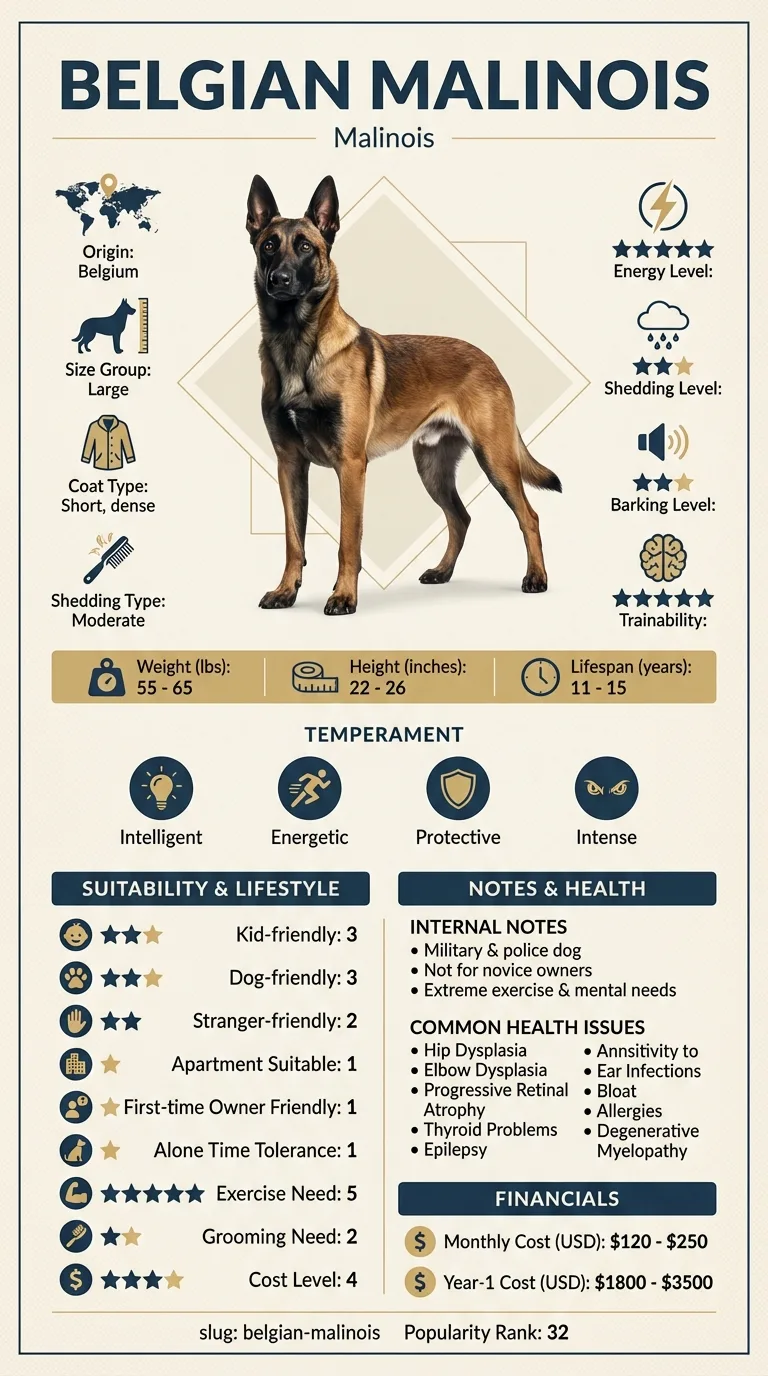
Belgian Malinois are prone to certain health conditions like hip dysplasia and progressive retinal atrophy. Regular check-ups and a healthy lifestyle can mitigate some risks. Always consult with your vet for tailored advice.
Socializing a Belgian Malinois is crucial due to their intense nature. Start early with positive experiences around other dogs and people. Mixed breeds may also benefit from socialization, but the approach can vary depending on their background.
Ensure they get plenty of exercise and mental stimulation to keep them happy. Regular grooming and a balanced diet are essential. Lastly, establish a consistent training routine to address any behavior issues.
Belgian Malinois mixed breeds can inherit the positive traits of both parent breeds, which may lead to a more balanced temperament. They might also have lower health risks compared to purebreds, making them more resilient. Additionally, they may be better suited for families or first-time owners due to their varied backgrounds.
To determine if your Belgian Malinois is purebred, you can check for breed-specific traits like size, coat type, and behavior. Additionally, you can obtain a pedigree or DNA test that confirms their lineage. Keep in mind that mixed breeds may still exhibit many Malinois characteristics.
Training a Belgian Malinois mixed breed requires patience and consistency, just like with purebreds. It's important to understand their unique temperament and adapt your training methods accordingly. Engaging activities and positive reinforcement are key to successful training for both types.
While mixed breeds often benefit from hybrid vigor, they can still inherit health issues common to the Belgian Malinois, such as hip dysplasia and allergies. Regular vet check-ups and a healthy diet help monitor their overall health and catch any issues early. Always consult your vet for tailored health advice.
Generally, mixed breeds tend to have a longer lifespan than purebreds due to their genetic diversity. While a purebred Belgian Malinois has a lifespan of about 11 to 15 years, a mixed breed could surpass this, depending on their specific genetics and health care. Regular vet visits and a good diet are crucial for longevity.
Consider your lifestyle when choosing between a purebred and a mixed breed. Purebreds may have more predictable traits, while mixed breeds can offer a variety of characteristics.
Monthly costs for a Belgian Malinois typically range from $120 to $250, depending on food and care needs. Yearly, you might spend between $1,800 and $3,500.
Positive reinforcement training is key. Engaging them in physical and mental activities can also reduce problem behaviors.
Establish a routine and create a safe space for them. Consider consulting a vet for further advice on anxiety management.
No, they are not recommended for first-time owners due to their high energy and training needs. Experienced owners are usually better suited for this breed.