Living
How to prevent ear infections in Belgian Malinois?
Regular ear cleaning and keeping the ears dry can help prevent infections.

Quick answer
How to prevent ear infections in Belgian Malinois?
Regular ear cleaning and keeping the ears dry can help prevent infections.
Belgian Malinois ear infections are a common issue that can cause discomfort and distress for your dog.
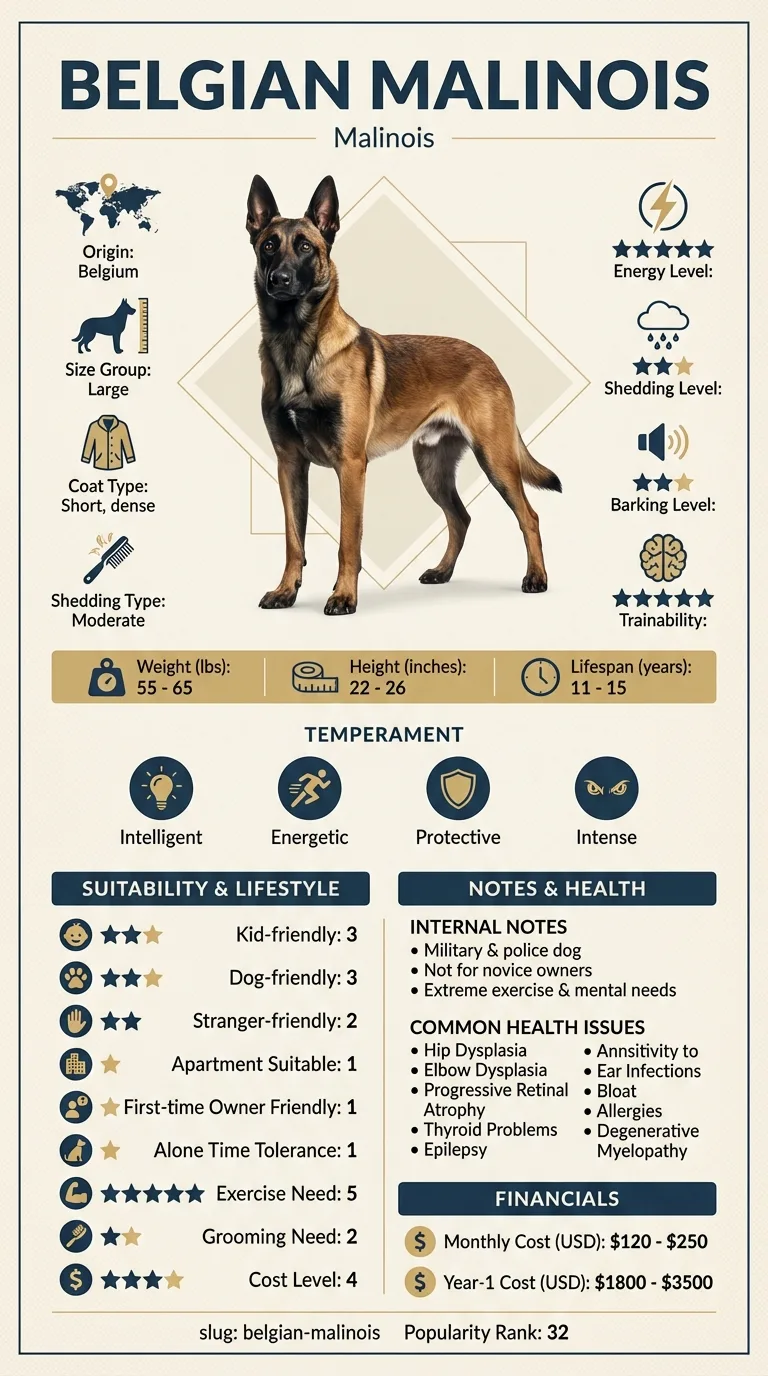
Many Belgian Malinois owners, especially first-time pet parents, struggle with these infections due to the breed's unique needs and characteristics.
This guide is not medical advice. If your dog shows pain, sudden behavior change, or worsening symptoms, consult a licensed veterinarian.
Some links may be affiliate links. We may earn a commission at no extra cost to you. We only suggest products we believe are helpful for dog owners.
We research and check what we publish, but we do not warrant that any figure, date, price, or statement is accurate, complete, or current, and we accept no liability for any loss, cost, injury, or other harm arising from the use of this site. Use it as one reference among several. You remain responsible for your own decisions and for your dog's care - confirm anything that matters with a licensed veterinarian or another qualified professional before you act on it. Full disclaimer.
Check this first
Ear infections in your Belgian Malinois can range from mild to severe. Knowing when to act immediately can save your dog from discomfort and further complications. Here’s how to differentiate between emergency situations and cases that can be monitored at home.
If any of these apply, call your vet or an emergency clinic now. The rest of this page is for the cases that are not an emergency.
Belgian Malinois ear infections can be a frustrating issue for owners. These infections often manifest as constant scratching at the ears, shaking of the head, or an unpleasant odor. If left untreated, they can lead to more serious health complications and discomfort for your dog.
Ear infections are a relatively common problem in Belgian Malinois due to their active lifestyle and exposure to various environments. Many owners report dealing with this issue at least once during their dog's life, making it important to be vigilant.
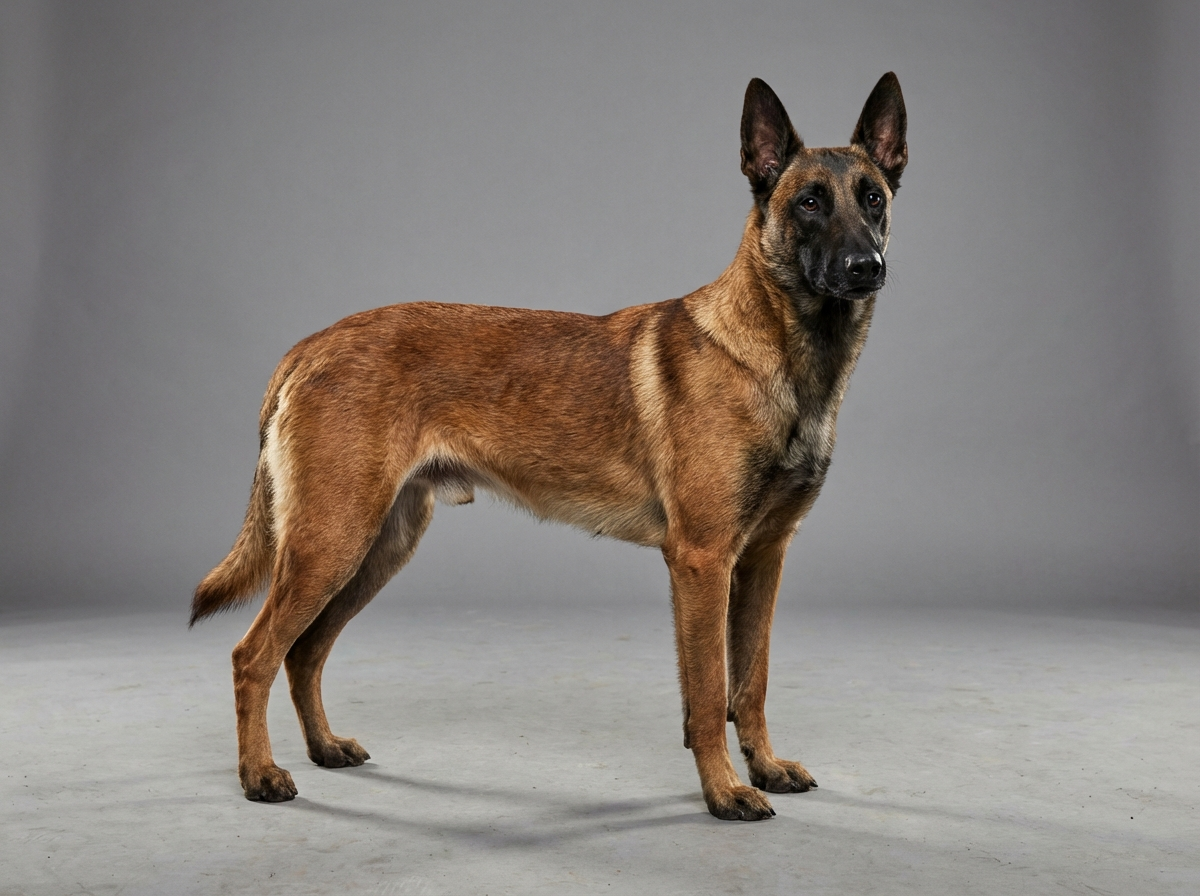
Belgian Malinois are prone to ear infections due to their dense coat and specific ear structure. Their ears are upright, which can trap moisture and debris, creating a breeding ground for bacteria and yeast. Additionally, this breed's high energy levels may lead them to spend more time outdoors, increasing exposure to allergens and irritants.
Environmental factors also play a significant role in ear infections. Humidity, dust, and pollen can irritate the ears, especially in areas with high pollen counts. If your Malinois swims often or is bathed frequently without proper drying, moisture buildup can further exacerbate the issue.
If ear infections persist despite your efforts, or if you notice excessive scratching, discharge, or swelling, it’s time to visit the vet. They can diagnose the issue accurately, prescribe medication, and provide guidance on further care.
Avoiding these common mistakes can help manage your Belgian Malinois's ear infections more effectively.
Start here: Belgian Malinois Most Common Genetic Disorders: Screening
See all Belgian Malinois health problems, which breeds are prone to ear infections, or the full Belgian Malinois breed guide for temperament, exercise needs and ownership costs.
With consistent care and follow-up with your vet, you can expect to see improvement in your Belgian Malinois's ear infections within 4 to 6 weeks. However, some dogs may need ongoing management.
Success means fewer ear infections and reduced discomfort for your dog. You'll notice less scratching and shaking of the head, and your dog's ears will appear cleaner and healthier.
If your Belgian Malinois shows any of the following signs, it’s crucial to seek veterinary help right away:

In less severe cases, you can monitor your dog at home. Consider these signs that indicate a non-emergency situation:

If you notice mild symptoms, keep a close watch. Schedule a vet appointment if symptoms persist beyond a few days. Always trust your instincts—if you feel something is off, don’t hesitate to call your vet. Proper care and timely intervention can prevent more serious issues down the line.
Aisha, a first-time owner of a Belgian Malinois named Max, struggled with frequent ear infections. Max would often shake his head and scratch his ears, which worried Aisha. After consulting her vet, she learned that regular ear cleaning and a balanced diet could help. Aisha created a routine to check and clean Max’s ears weekly, and she also adjusted his diet to reduce allergens. Within a month, Max’s ear issues decreased significantly, and he seemed much more comfortable.
Key takeaway: Consistency in care, along with good vet advice, can make a big difference in managing ear infections in Belgian Malinois.
Common signs of ear infections in Belgian Malinois include frequent head shaking, scratching at their ears, and a foul odor coming from the ear. You may also notice redness or swelling in the ear canal. If you see any of these symptoms, consult your vet for a proper diagnosis.
To stop Belgian Malinois ear infections, maintain a consistent ear cleaning routine. Use a vet-recommended ear cleaner and avoid water in their ears during baths. If infections persist, consult your vet for further evaluation and treatment options.
Yes, allergies can lead to ear infections in your Belgian Malinois. Food, environmental factors, or even contact allergies can trigger inflammation and moisture buildup in the ears. Identifying and managing these allergies is crucial for prevention.
Yes, regular ear cleaning is important for your Belgian Malinois. Aim to clean their ears every 1-2 weeks using a vet-approved cleaner. This helps prevent infections by removing dirt and excess wax.
If your Belgian Malinois has chronic ear infections, consult your vet for a comprehensive evaluation. They may need a specific treatment plan, which could include medication or allergy testing. Follow their recommendations closely for the best results.
While some home remedies may provide temporary relief, such as diluted apple cider vinegar, they are not a substitute for professional veterinary care. Always consult your vet before trying any home remedies to ensure they won't worsen the condition or cause harm.
Yes, older Belgian Malinois may experience ear infections more frequently due to weakened immune systems or chronic health issues. It's crucial to pay close attention to their ear health as they age and seek veterinary advice if you notice any changes in their behavior or ear condition.
To help prevent ear infections in your Belgian Malinois, keep their ears clean and dry. Regularly check for debris and moisture after baths or swimming, and consider using vet-recommended ear cleaners. Additionally, maintaining a healthy diet can support their overall immune system.
If your Belgian Malinois has recurring ear infections, it's essential to consult your veterinarian for a thorough examination. They may recommend allergy testing or a change in diet to identify potential triggers. Regular follow-ups can help manage and prevent future infections.
Regular ear cleaning and keeping the ears dry can help prevent infections.
Treatment for ear infections can range from $100 to $300, depending on severity and required medications.
If symptoms persist beyond a few days or worsen, it's time to see a vet.
Aim to clean your Belgian Malinois' ears every 1-2 weeks to prevent infections.
Vet-recommended ear cleaners and anti-inflammatory medications can be beneficial.
A one-page prep sheet for this condition: the signs, the questions to ask, what to get priced. Unlocks here.
You get: Vet visit prep sheet
No spam. One-click unsubscribe. See our privacy policy.
Preview page 1 before you decide.