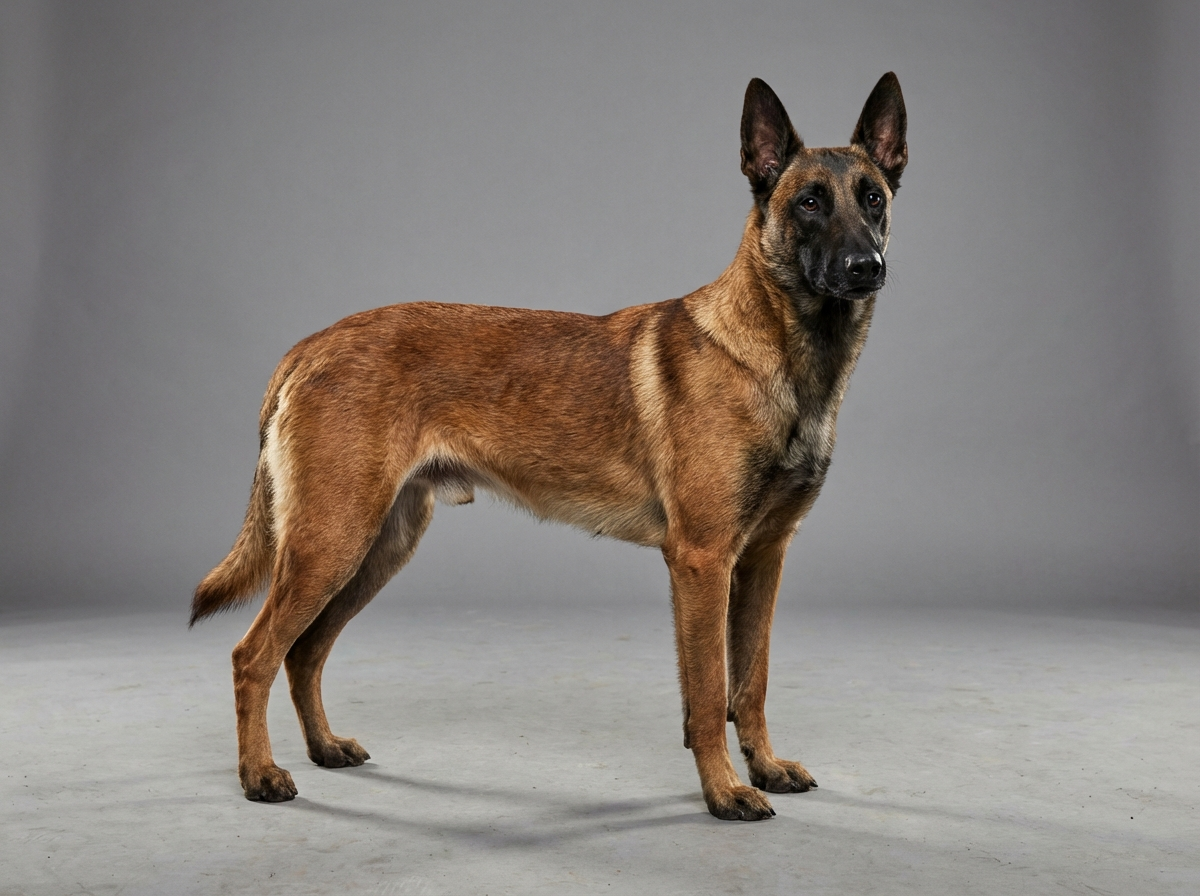
Behavior
What are Belgian Malinois cherry eye quick tips?
If your dog shows signs of cherry eye, consult your vet immediately for advice on treatment options. Keeping your dog's eyes clean and healthy can help prevent issues.

Quick answer
What are Belgian Malinois cherry eye quick tips?
If your dog shows signs of cherry eye, consult your vet immediately for advice on treatment options. Keeping your dog's eyes clean and healthy can help prevent issues.
Belgian Malinois cherry eye is a common but concerning issue where the eyelid gland prolapses, leading to a visible red swelling.
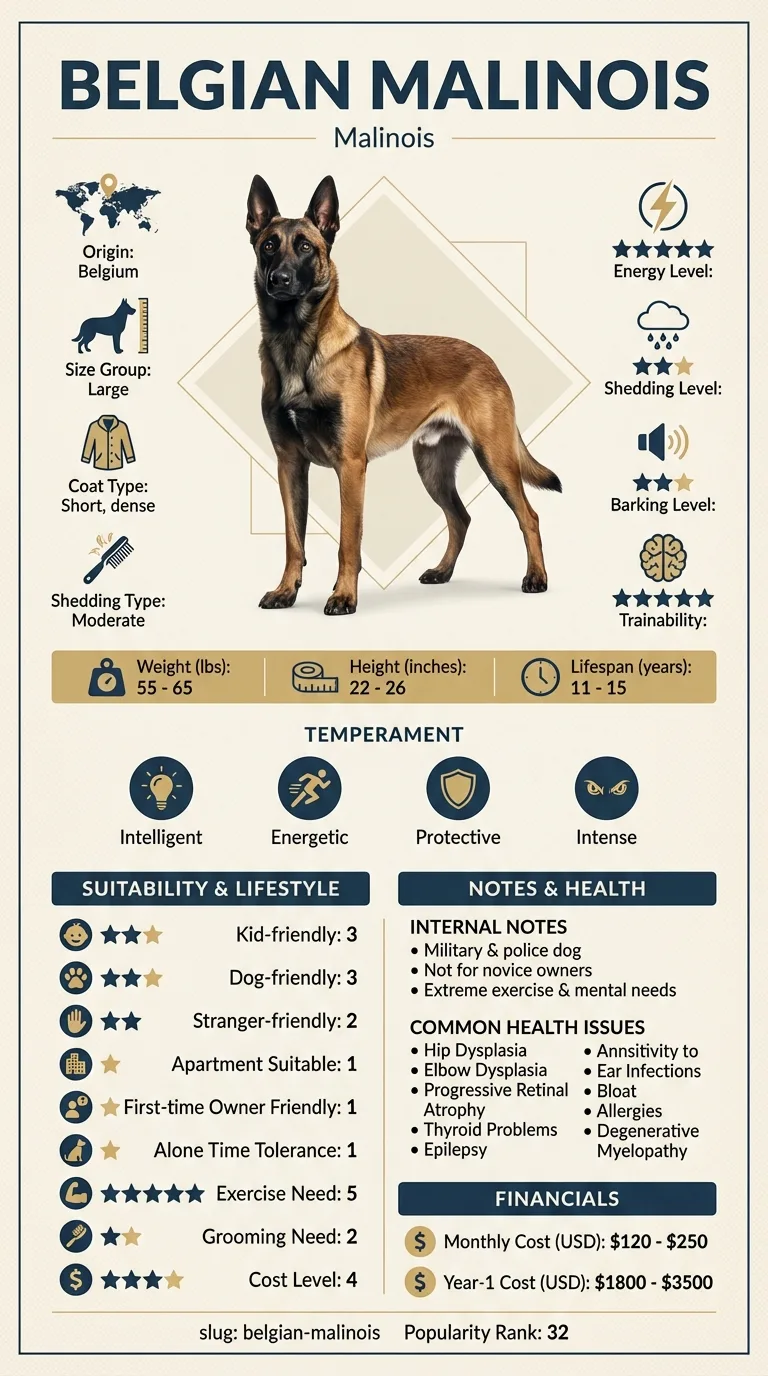
Many first-time Belgian Malinois owners may find themselves puzzled by cherry eye, especially if they are unfamiliar with the breed's specific health challenges. Busy professionals or families with active lifestyles might also struggle to spot the early signs or know how to seek help.
This guide is not medical advice. If your dog shows pain, sudden behavior change, or worsening symptoms, consult a licensed veterinarian.
Some links may be affiliate links. We may earn a commission at no extra cost to you. We only suggest products we believe are helpful for dog owners.
We research and check what we publish, but we do not warrant that any figure, date, price, or statement is accurate, complete, or current, and we accept no liability for any loss, cost, injury, or other harm arising from the use of this site. Use it as one reference among several. You remain responsible for your own decisions and for your dog's care - confirm anything that matters with a licensed veterinarian or another qualified professional before you act on it. Full disclaimer.
Check this first
Cherry eye in your Belgian Malinois can be concerning. It's essential to know when to act quickly and when you can monitor the situation. If you notice any of the following red-flag signs, call your vet immediately: persistent swelling, excessive discharge, visible pain, or if the eye appears cloudy. These symptoms could indicate more severe complications that require urgent care.
In contrast, if your dog has a mild case of cherry eye, you might not need to rush to the vet. If the gland is only slightly protruding, not causing significant discomfort, and your dog is otherwise healthy, you can monitor the situation. Create a plan with your vet for ongoing observation, and consider using a warm compress to soothe irritation. Regular check-ins can help you manage the condition effectively while avoiding unnecessary stress for both you and your pup.
If any of these apply, call your vet or an emergency clinic now. The rest of this page is for the cases that are not an emergency.
Belgian Malinois cherry eye is a condition where a gland in the dog's eyelid protrudes, creating a noticeable red bulge. This can be alarming for pet owners, as it looks uncomfortable and may lead to further health issues if not addressed. Daily, you might notice your Malinois squinting or rubbing their eyes, which can indicate irritation from this condition.
Cherry eye is relatively common in Belgian Malinois, especially among young dogs. While it's not guaranteed every Malinois will experience this issue, it's important to be aware of the signs, as early intervention can prevent complications.
The Belgian Malinois is known for its high energy and intense nature. This breed can be prone to certain genetic issues, including cherry eye, which is a prolapse of the eyelid gland. These characteristics may increase the likelihood of developing this condition.
Environmental factors can also play a role in cherry eye for your Malinois. Stress, lack of proper hydration, and exposure to irritants can exacerbate the problem. Additionally, improper grooming or excessive eye rubbing can lead to gland issues.
If the cherry eye persists or worsens, it’s important to visit a vet. They can assess the situation and recommend treatment options, including possible surgical intervention if necessary.
Understanding what not to do can be just as important as knowing how to help your Belgian Malinois with cherry eye. Here are some common mistakes owners make that can exacerbate the issue.
Start here: Belgian Malinois Most Common Genetic Disorders: Screening
See all Belgian Malinois health problems, which breeds are prone to cherry eye, or the full Belgian Malinois breed guide for temperament, exercise needs and ownership costs.
You can expect to see improvements in your Belgian Malinois cherry eye symptoms within a few weeks of starting treatment. However, full resolution may take several months, especially if surgery is needed.
Success means your dog's cherry eye is noticeably reduced, their eye is comfortable, and they are less prone to irritation or infection.
Emily, a busy nurse in Chicago, noticed her Belgian Malinois, Max, had a bulging eye that seemed to bother him. After a vet visit, she learned that Max had cherry eye, a condition where the eyelid gland prolapses. Initially overwhelmed, Emily researched how to stop Belgian Malinois cherry eye and decided to follow a treatment plan that included eye drops and a special diet. She also had to adjust Max's lifestyle, ensuring he didn't scratch at his eye. After a few months of dedication and monitoring, Emily was thrilled to see significant improvement, and Max was back to his energetic self without discomfort.
Key takeaway: Patience and commitment to a treatment plan are essential when managing cherry eye in your Belgian Malinois.
Cherry eye occurs when the gland in the eyelid prolapses, or slips out of place. This can be due to genetic predisposition, especially in breeds like the Belgian Malinois. Environmental factors or excessive rubbing of the eye can also contribute.
While you can't always prevent cherry eye, keeping your dog's eyes clean can help. Regular vet check-ups can catch any issues early, and avoiding activities that may irritate the eyes can reduce the risk.
Treatment usually involves surgery to reposition the gland. In some cases, vets may recommend medication to reduce inflammation first. Always consult with your vet for the best course of action.
Yes, if left untreated, cherry eye can lead to further complications like chronic irritation or infections. It’s important to get it treated promptly to avoid additional health issues.
Recovery from cherry eye surgery typically takes about 1-2 weeks. During this time, it's crucial to follow your vet's instructions regarding activity restrictions and medication.
To reduce the risk of recurrence, ensure regular vet check-ups to monitor eye health. Keeping your dog's environment safe and minimizing eye irritants can also help.
In some cases, cherry eye may temporarily reduce or go away. However, it's important to consult a vet because it often requires treatment to prevent further complications.
Cherry eye is more commonly seen in younger dogs, but older Belgian Malinois can develop it due to various factors. If you notice signs, it's best to consult your vet for an accurate diagnosis.
Yes, if left untreated, cherry eye can lead to serious problems like dry eye or infections. It's essential to address the issue promptly to avoid complications.
Treatment typically involves surgical correction to reposition the affected gland. Your vet will discuss the best options based on your dog's specific situation.
If your dog shows signs of cherry eye, consult your vet immediately for advice on treatment options. Keeping your dog's eyes clean and healthy can help prevent issues.
Home remedies are not typically recommended for cherry eye. It's best to seek veterinary care for proper treatment and avoid potential complications.
The cost of cherry eye surgery can vary, typically ranging from $200 to $1,000, depending on the vet and location. Consult your vet for an accurate estimate.
Yes, if left untreated, cherry eye can lead to chronic irritation and issues that may affect vision. Timely treatment is crucial for maintaining eye health.
Follow your vet's post-operative care instructions closely, including any medication and activity restrictions. Keep an eye on the healing process and report any concerns.
A one-page prep sheet for this condition: the signs, the questions to ask, what to get priced. Unlocks here.
You get: Vet visit prep sheet
No spam. One-click unsubscribe. See our privacy policy.
Preview page 1 before you decide.