Behavior
What are quick tips for managing Beagle wobbler syndrome?
Ensure regular vet check-ups and follow prescribed treatments. Maintain a healthy weight and adapt exercise routines to be low-impact.

Quick answer
What are quick tips for managing Beagle wobbler syndrome?
Ensure regular vet check-ups and follow prescribed treatments. Maintain a healthy weight and adapt exercise routines to be low-impact.
Beagle wobbler syndrome is a serious condition that affects your dog's ability to move smoothly.
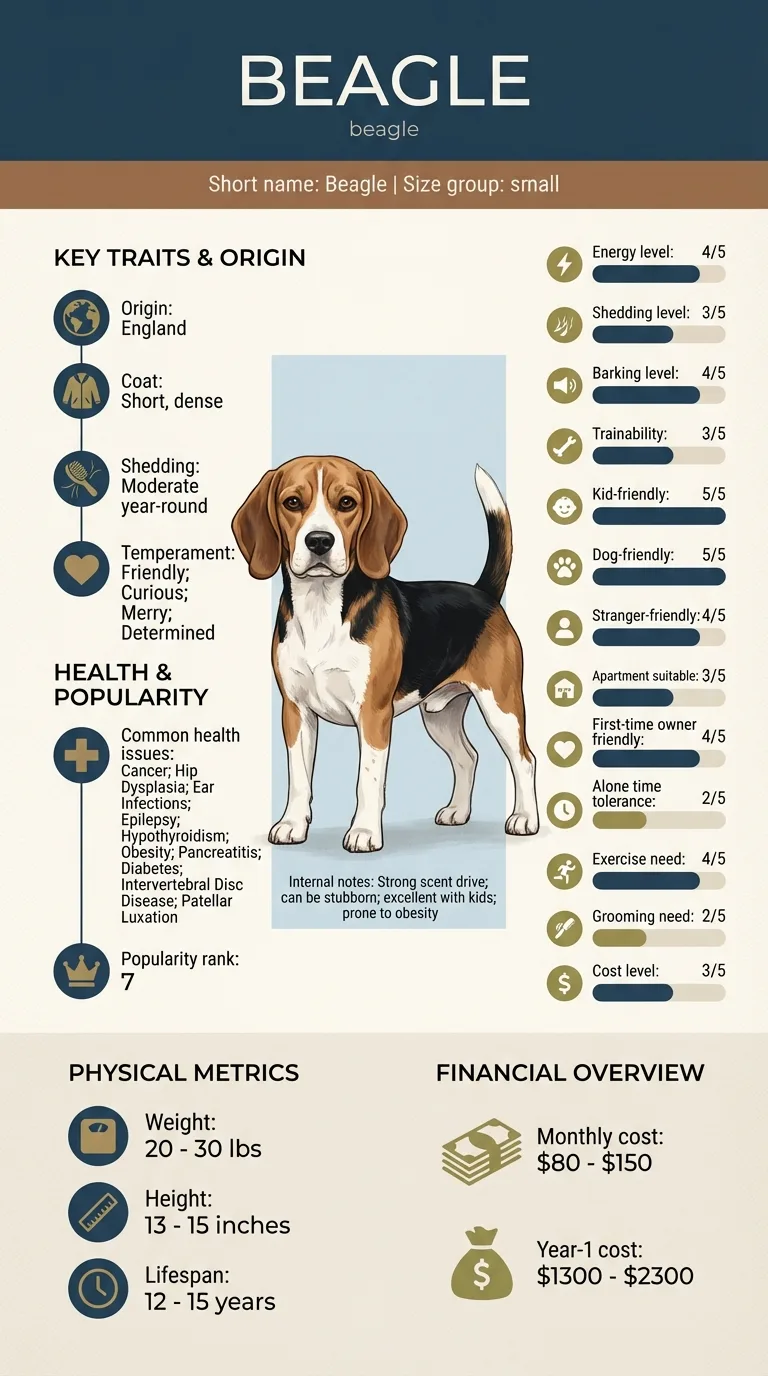
Owners of Beagles often face challenges with this syndrome, especially those who notice their dogs struggling to maintain balance or showing signs of pain. It can be particularly concerning for first-time dog owners who might not know how to address these issues.
This guide is not medical advice. If your dog shows pain, sudden behavior change, or worsening symptoms, consult a licensed veterinarian.
Some links may be affiliate links. We may earn a commission at no extra cost to you. We only suggest products we believe are helpful for dog owners.
We research and check what we publish, but we do not warrant that any figure, date, price, or statement is accurate, complete, or current, and we accept no liability for any loss, cost, injury, or other harm arising from the use of this site. Use it as one reference among several. You remain responsible for your own decisions and for your dog's care - confirm anything that matters with a licensed veterinarian or another qualified professional before you act on it. Full disclaimer.
Check this first
Recognizing when Beagle wobbler syndrome is an emergency can be crucial for your dog's health. If your Beagle shows severe symptoms such as sudden inability to walk, extreme weakness in the legs, or persistent vomiting, it's time to call your vet immediately. These red flags could indicate serious underlying issues that need urgent care.
If any of these apply, call your vet or an emergency clinic now. The rest of this page is for the cases that are not an emergency.
Beagle wobbler syndrome is a neurological condition that affects the stability of a dog's cervical spine. This leads to coordination issues, causing the dog to wobble or appear unsteady while walking. Owners may notice their Beagle struggling to maintain balance or having difficulty with simple movements, especially when excited or during playtime.
Wobbler syndrome is relatively common in Beagles, particularly in those aged 3 to 7 years. While not every Beagle will experience this issue, it's important for owners to be aware of the signs and seek veterinary advice if they notice any unusual behavior.
Beagle wobbler syndrome is often linked to the breed's unique physical traits. The Beagle's short, dense coat and strong build can contribute to cervical vertebral instability, leading to wobbling. Additionally, Beagles are known for their stubbornness, which can make training and behavior management challenging.
Environmental factors also play a role in wobbler syndrome. A lack of exercise or a high-stress environment can exacerbate anxiety and lead to the development of wobbling. Furthermore, improper nutrition can cause obesity, which puts extra strain on the spine and can worsen symptoms.
If you notice severe wobbling, changes in mobility, or signs of pain, it’s crucial to contact your vet. They can assess your Beagle’s condition and recommend treatments that may include medication or more intensive interventions.
Avoiding certain behaviors can help your Beagle manage wobbler syndrome more effectively. Here are common mistakes owners make and some safer alternatives.
Start here: Beagle Most Common Genetic Disorders: What to Screen For
See all Beagle health problems, which breeds are prone to wobbler syndrome, or the full Beagle breed guide for temperament, exercise needs and ownership costs.
With consistent care and veterinary guidance, you can see improvements in your Beagle's mobility within 4 to 6 weeks. However, full adaptation may take several months.
Success means your Beagle can move comfortably, shows reduced wobbling, and is more engaged in activities. They should also respond well to training exercises designed to strengthen their muscles.
In less severe cases, like slight wobbling or occasional difficulty in standing, you can create a watch-and-wait plan. Monitor your Beagle’s behavior and keep track of any changes. If symptoms do not worsen over a few days, you can consider basic training and management strategies to help improve their condition.

Meet Sarah, a busy nurse from Seattle, who adopted a Beagle named Benny. Shortly after bringing him home, she noticed Benny's legs sometimes gave way, making him wobble. Concerned, Sarah took him to the vet, who diagnosed him with Beagle wobbler syndrome. After starting a tailored training plan and physical therapy, Sarah committed to daily exercises and monitored Benny's progress closely. Within a few months, Benny was not only wobbling less but also enjoying walks and playing fetch like a typical Beagle. Sarah learned the importance of patience and consistency in managing Benny's condition.
Key takeaway: With the right training and support, you can help your Beagle thrive despite wobbler syndrome.
Beagle wobbler syndrome is a neurological condition caused by cervical vertebral instability. It affects the spinal cord and can lead to wobbling, difficulty walking, and loss of coordination in Beagles.
To manage Beagle wobbler syndrome, ensure your dog gets regular veterinary check-ups. Your vet may recommend physical therapy, weight management, or in severe cases, surgery to alleviate symptoms.
While there is no cure for wobbler syndrome, treatment options like physical therapy and weight control can help manage symptoms. In some cases, surgical intervention may be necessary.
Yes, Beagle wobbler syndrome can have a genetic component. If you are considering getting a Beagle, ask the breeder about the health history of the puppy’s parents.
Training can improve your Beagle's confidence and mobility. Focus on low-impact exercises and mental stimulation to keep your dog engaged without overexerting them.
Early signs of Beagle wobbler syndrome may include unsteady walking, difficulty with balance, and changes in coordination. If you notice your Beagle struggling to navigate stairs or frequently stumbling, it's time to consult a vet.
Yes, Beagle wobbler syndrome can develop in older dogs, especially those with a history of neck or back issues. Regular vet check-ups are crucial to catch any symptoms early in senior Beagles.
You can help your Beagle by providing a safe environment free of obstacles and ensuring they have a comfortable resting place. Light exercise, as advised by your vet, can also help maintain mobility without overexerting them.
While Beagle wobbler syndrome can lead to complications, many dogs live fulfilling lives with proper management and care. Regular veterinary visits can help monitor their condition and address any health issues promptly.
Treatments for Beagle wobbler syndrome may include medication to manage pain and inflammation, physical therapy, or surgery in severe cases. Always consult your veterinarian to determine the best course of action for your dog.
Ensure regular vet check-ups and follow prescribed treatments. Maintain a healthy weight and adapt exercise routines to be low-impact.
Treatment costs can vary widely, ranging from $500 to $7,000 depending on the severity and treatment options. It's best to consult your vet for an estimate.
Focus on gentle training techniques that promote balance and coordination. Avoid high-impact activities that could worsen symptoms.
Implement a balanced diet to prevent obesity and ensure regular, gentle exercise to maintain mobility without straining their neck.
Surgery may be an option for severe cases. Discuss this with your vet to evaluate the benefits and risks for your Beagle.
A one-page prep sheet for this condition: the signs, the questions to ask, what to get priced. Unlocks here.
You get: Vet visit prep sheet
No spam. One-click unsubscribe. See our privacy policy.
Preview page 1 before you decide.