Costs
How to handle Beagle insurance claims quickly?
Stay organized and keep all vet records handy. This can streamline the claims process and ensure you get reimbursed quickly.

Quick answer
How to handle Beagle insurance claims quickly?
Stay organized and keep all vet records handy. This can streamline the claims process and ensure you get reimbursed quickly.
Beagle insurance claims can be a frustrating reality for pet owners. Understanding why they occur and how to address them is essential.
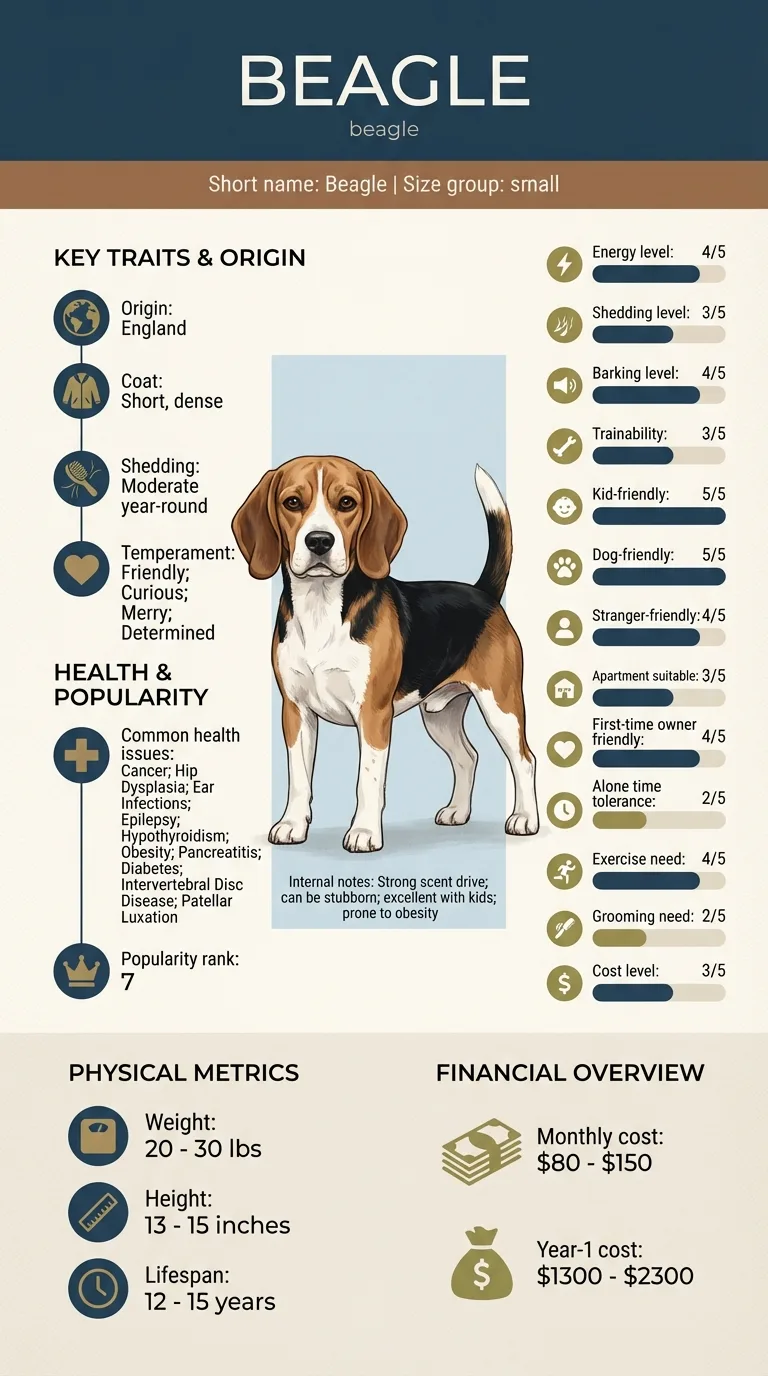
Many Beagle owners, especially first-time pet parents, struggle with managing these claims. They may feel overwhelmed by unexpected vet visits or health problems. Additionally, busy families or those living in urban areas might find it hard to keep up with their Beagle's specific health needs.
This guide is not medical advice. If your dog shows pain, sudden behavior change, or worsening symptoms, consult a licensed veterinarian.
Some links may be affiliate links. We may earn a commission at no extra cost to you. We only suggest products we believe are helpful for dog owners.
We research and check what we publish, but we do not warrant that any figure, date, price, or statement is accurate, complete, or current, and we accept no liability for any loss, cost, injury, or other harm arising from the use of this site. Use it as one reference among several. You remain responsible for your own decisions and for your dog's care - confirm anything that matters with a licensed veterinarian or another qualified professional before you act on it. Full disclaimer.
Check this first
Understanding when Beagle insurance claims indicate an emergency can save your pet's life. There are clear signs that mean it's time to call your vet immediately. If your Beagle shows severe symptoms like continuous vomiting, difficulty breathing, or sudden lethargy, don’t hesitate. These are red flags that require urgent medical attention.
On the other hand, some situations can be monitored at home. If your Beagle is experiencing mild symptoms like occasional coughing, minor digestive upset, or slightly increased thirst, you can keep a close watch. Create a plan to track these behaviors and consult your vet if they persist or worsen. Keeping notes may help identify patterns in your dog's health that can be useful in managing insurance claims.
Being proactive about your Beagle's health means knowing what constitutes an emergency versus what can wait. Always trust your instincts; if something feels off, it's better to be safe and consult your veterinarian.
If any of these apply, call your vet or an emergency clinic now. The rest of this page is for the cases that are not an emergency.
Beagle insurance claims often stem from the breed's health issues and behavioral quirks. These small, friendly dogs are prone to several health conditions, which can lead to frequent vet visits and insurance claims. Additionally, their curious and determined nature can sometimes result in accidents or injuries, further increasing the likelihood of claims.
Beagles rank among the more common breeds for insurance claims, largely due to their health vulnerabilities. Many owners find themselves filing claims for conditions like hip dysplasia or epilepsy, making it crucial to understand the potential costs associated with owning a Beagle.
Beagles are known for their strong scent drive and curiosity. This can lead to behaviors that result in accidents or injuries, increasing the likelihood of insurance claims. Additionally, their stubborn nature can make training more challenging, which may contribute to behavioral issues.
Environmental factors like inadequate exercise, lack of mental stimulation, or stressful living conditions can exacerbate a Beagle's tendency to engage in risky behaviors. If they're left alone for long periods, they might develop anxiety, leading to destructive actions that could result in insurance claims.
If your Beagle experiences frequent injuries or health issues leading to insurance claims, schedule a vet appointment. They can rule out any underlying health problems and offer advice on managing your dog's well-being.
Understanding what not to do is crucial for reducing Beagle insurance claims. Here are some common mistakes that can inadvertently worsen the situation.
Start here: Beagle Most Common Genetic Disorders: What to Screen For
See all Beagle health problems, which breeds are prone to insurance claims, or the full Beagle breed guide for temperament, exercise needs and ownership costs.
You can expect to see noticeable improvements in 3 to 6 months with consistent care and behavior modification techniques.
Success means fewer or no insurance claims, reduced anxiety behaviors, and a Beagle that is more relaxed and well-adjusted in various situations.
Sarah, a busy nurse living in a small apartment, was overwhelmed by her Beagle Max's habit of chewing furniture and excessive barking. After learning that these behaviors were linked to separation anxiety, she started implementing a training program focused on desensitization and positive reinforcement. With patience and dedication, Max gradually became more secure, reducing his need for insurance claims related to anxiety-driven behaviors.
Key takeaway: With the right training approach, Beagles can overcome anxiety issues, leading to a happier life for both pets and owners.
Beagles are known to have certain health issues that can lead to insurance claims, such as obesity and ear infections. Their strong scent drive can also lead to accidents or injuries while exploring. Regular vet check-ups and a healthy diet can help reduce these risks.
To reduce insurance claims, focus on preventive care. Ensure your Beagle maintains a healthy weight, get regular exercise, and schedule routine vet visits. Training and socializing your Beagle can also minimize accidents and health issues.
Common health issues include obesity, ear infections, and hip dysplasia. Understanding these risks can help you take preventive measures. Regular vet visits and a balanced diet are key to managing these conditions.
The cost of insuring a Beagle can range from $80 to $150 per month, depending on the coverage. Factors like age, health history, and location also play a role in pricing. It's essential to shop around for the best plan that fits your needs.
Training your Beagle to follow commands and socialize with other dogs can significantly reduce the likelihood of accidents. Positive reinforcement techniques work well with Beagles, as they are eager to please. Consistency in training can lead to a well-behaved dog.
Beagles are prone to several health problems that can lead to insurance claims. Common issues include obesity, hip dysplasia, and ear infections. Keeping an eye on their weight and regular vet check-ups can help mitigate these risks.
Preventing insurance claims for your Beagle starts with good health practices. Ensure they have a balanced diet, regular exercise, and routine veterinary care. Training and socialization also play a key role in reducing behavioral issues that may lead to claims.
If your Beagle shows signs of pain, unusual behavior, or persistent symptoms like vomiting, it's time to visit the vet. Early intervention can prevent minor issues from becoming bigger problems, potentially reducing the need for insurance claims.
Yes, older Beagles often face more health issues that could lead to insurance claims. Conditions like diabetes and arthritis become more common as they age, so regular vet visits are essential for managing their health.
If your Beagle has a history of insurance claims, it's important to assess their health and lifestyle. Consult your vet for tailored advice and consider adjusting their diet or exercise routine to improve their overall health.
Stay organized and keep all vet records handy. This can streamline the claims process and ensure you get reimbursed quickly.
Beagles are prone to obesity, ear infections, and hip dysplasia. Regular check-ups can help catch these issues early.
Use positive reinforcement and train in short sessions. Focus on commands and socialization to minimize accidents.
Provide a balanced diet and regular exercise. Monitor their food intake and avoid excessive treats.
A one-page prep sheet for this condition: the signs, the questions to ask, what to get priced. Unlocks here.
You get: Vet visit prep sheet
No spam. One-click unsubscribe. See our privacy policy.
Preview page 1 before you decide.