DogBreedCompass
← Back to breed profile

Beagle Anesthesia Sensitivity: What You Need to Know

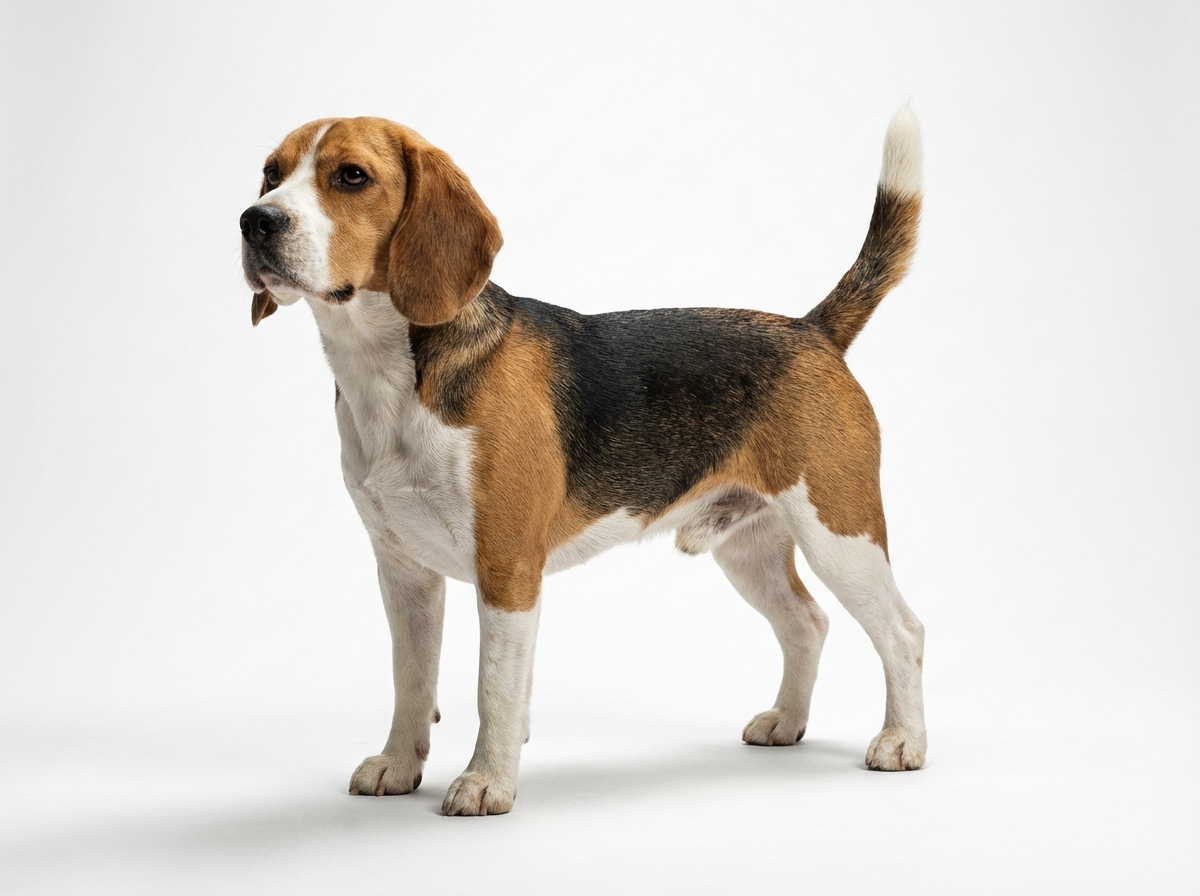
Beagle anesthesia sensitivity can be a serious concern for many dog owners. This sensitivity affects how your Beagle reacts to anesthetic drugs, which can pose risks during veterinary procedures.

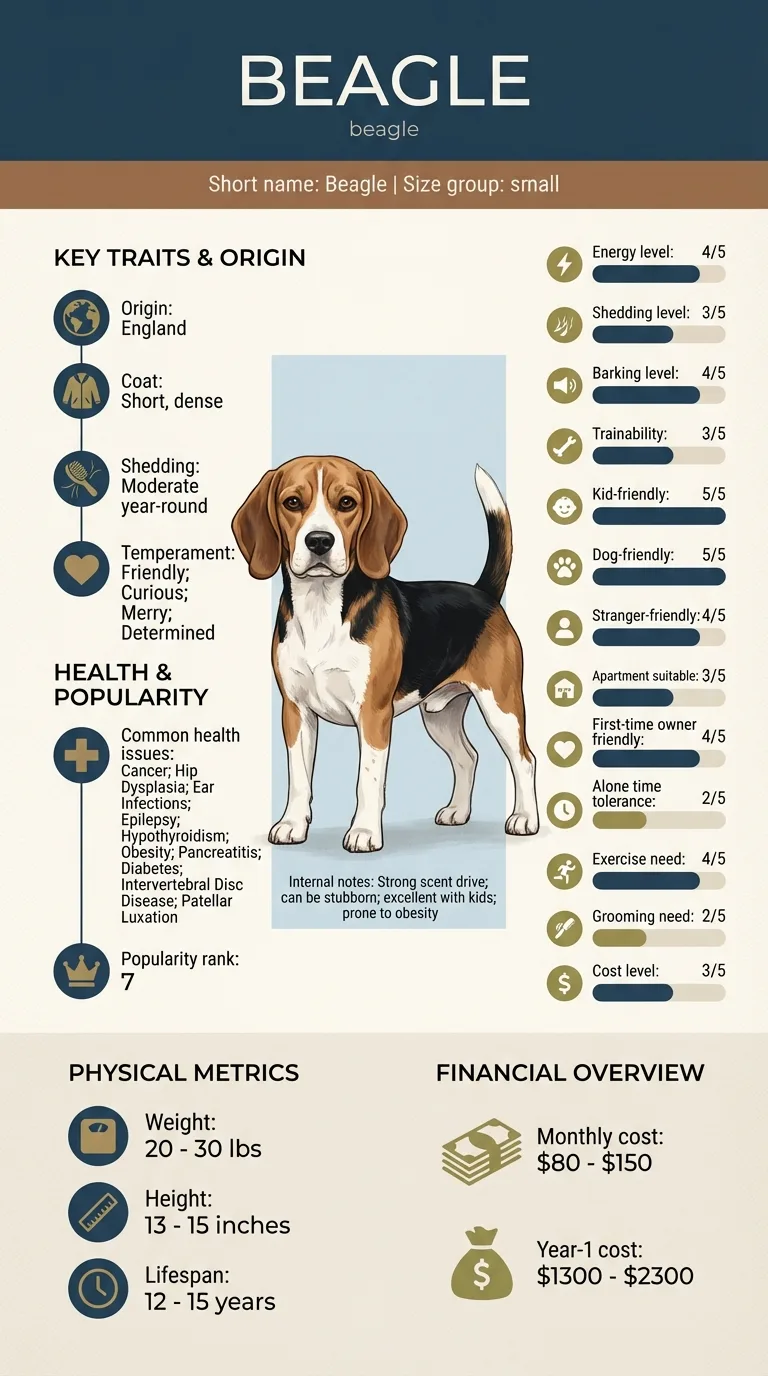
Beagle Anesthesia Sensitivity: What You Need to Know infographic

Typically, owners of Beagles—especially those with a busy lifestyle or those who have recently adopted one—may find themselves facing this issue. First-time dog owners might also struggle to understand the implications of anesthesia sensitivity for their furry friend.

Important reminder

This guide is not medical advice. If your dog shows pain, sudden behavior change, or worsening symptoms, consult a licensed veterinarian.

Some links may be affiliate links. We may earn a commission at no extra cost to you. We only suggest products we believe are helpful for dog owners.

What this problem looks like

Beagle anesthesia sensitivity is a condition where Beagles react poorly to anesthetic drugs. This can lead to complications during surgeries or procedures requiring anesthesia. Owners may notice unusual behavior, such as excessive lethargy or prolonged recovery times, after their Beagle undergoes anesthesia.

Common triggers

  • Genetic predisposition unique to the Beagle breed.
  • Underlying health issues like obesity or heart problems.
  • Inappropriate dosage or type of anesthesia used.

Anesthesia sensitivity in Beagles is relatively common, with many owners reporting issues during routine procedures. While not every Beagle will face this problem, awareness is essential for ensuring their safety during medical treatments.

Why this happens

Breed factors

Beagles can be more sensitive to anesthesia due to their unique metabolism. This sensitivity may stem from genetic factors that affect how their bodies process drugs. Additionally, Beagles are prone to certain health issues, such as obesity, which can further complicate their response to anesthesia.

Environment factors

Environmental factors can also contribute to a Beagle's anesthesia sensitivity. Stressful experiences, such as loud noises or changes in routine, may heighten their anxiety levels. This increased stress can make it harder for them to recover from anesthesia.

What you can try

At-home strategies

  • Create a calm environment: Use soft music and dim lights to help your Beagle relax, especially before vet visits.
  • Practice desensitization: Gradually expose your Beagle to vet visits and handling in non-stressful ways to help them feel more comfortable.
  • Maintain a healthy weight: Regular exercise and a balanced diet can improve your Beagle's overall health and reduce anesthesia risks.

When to consider a trainer

If your Beagle's anxiety seems severe or is affecting their daily life, consider hiring a professional trainer. A trainer can provide tailored strategies to help manage their anxiety and improve their behavior over time.

When to talk to your vet

If you notice any unusual reactions to anesthesia or have concerns about your Beagle's health, contact your vet. It’s essential to discuss any specific health issues, especially if your Beagle has a history of complications with anesthesia.

Realistic expectations

Improvement can often be seen within 2 to 6 months of consistent training and management.

A successful outcome means your Beagle can undergo necessary medical procedures with reduced anxiety and a lower risk of complications from anesthesia.

Mistakes that make this worse

Avoid these common mistakes that can worsen your Beagle's anesthesia sensitivity.

  • Ignoring early signs of sensitivity: If your Beagle shows signs of anesthesia sensitivity after previous procedures, don't brush it off. Always consult your vet to consider alternative anesthetics or protocols.
  • Not discussing past reactions with your vet: Failing to inform your vet about any past anesthesia reactions can lead to repeated mistakes. Be open about your Beagle's history to ensure tailored care.
  • Skipping pre-anesthetic testing: Not opting for bloodwork or other tests before anesthesia can put your Beagle at risk. Always ask for tests to identify potential issues before the procedure.
  • Delaying treatment for anxiety: If your Beagle struggles with anxiety, delaying treatment can worsen their sensitivity. Address anxiety early with your vet's guidance.
  • Overlooking recovery time: Rushing your Beagle back to normal activities too quickly can lead to complications. Ensure they have adequate recovery time post-anesthesia to bounce back safely.
  • Assuming anesthesia sensitivity is uncommon: Many Beagles may experience this issue. Don't assume your dog's sensitivity is rare; be proactive in managing their health.
  • Using home remedies without vet approval: Trying unverified home remedies for anesthesia sensitivity can be harmful. Always consult your vet before using any treatments.

When Beagle Anesthesia Sensitivity is an Emergency

Recognizing when your Beagle's anesthesia sensitivity becomes an emergency can save their life. If your Beagle shows severe reactions such as difficulty breathing, excessive vomiting, or unresponsiveness after anesthesia, call your vet immediately. These symptoms indicate that your dog is in distress and requires urgent care.

Beagle Anesthesia Sensitivity: What You Need to Know - When Beagle Anesthesia Sensitivity is an Emergency

When to Watch and Wait

In less urgent cases, you may notice mild signs of anesthesia sensitivity, like slight disorientation or temporary lethargy. These symptoms can often be monitored at home. Keep a close eye on your Beagle for the next 24 hours, and ensure they are comfortable and hydrated.

Beagle Anesthesia Sensitivity: What You Need to Know - When to Watch and Wait

Emily's Journey with Charlie's Anesthesia Sensitivity

Emily, a new Beagle owner, noticed that her dog Charlie was extremely anxious during vet visits. After a particularly stressful surgery, she learned about Beagle anesthesia sensitivity and knew she needed to take action. With the help of a veterinary behaviorist, she started a training plan that included desensitization techniques and positive reinforcement. Over the next few months, Emily practiced these techniques, making vet visits much easier for Charlie. He became calmer when in the clinic environment, and during his next surgery, he recovered much more smoothly.

Key takeaway: With patience and the right training, you can help your Beagle manage anesthesia sensitivity and make vet visits less stressful.

Frequently asked questions

Why does my Beagle have anesthesia sensitivity?

Beagles can have anesthesia sensitivity due to their genetic makeup and overall health. Factors such as age, weight, and existing health issues can contribute to how they react to anesthetic drugs. It's important to consult with your vet to understand your specific Beagle's risks.

How can I recognize anesthesia sensitivity in my Beagle?

Signs of anesthesia sensitivity in Beagles may include prolonged recovery times after surgery, unusual lethargy, or difficulty waking up. If your Beagle exhibits these symptoms, contact your veterinarian immediately for guidance.

What should I do if my Beagle has anesthesia sensitivity?

If your Beagle has anesthesia sensitivity, discuss alternative anesthetic options with your veterinarian. They may recommend a lower dose or different medications that are safer for your dog's specific needs.

Can training help with Beagle anesthesia sensitivity?

While training cannot eliminate anesthesia sensitivity, it can help your Beagle become more comfortable with veterinary visits. Regular handling and positive reinforcement during check-ups can ease their anxiety and improve their overall experience.

What are the risks of anesthesia for Beagles?

The risks of anesthesia for Beagles include respiratory issues, heart complications, and prolonged sedation. Each dog's health history will dictate the level of risk, so be sure to discuss any concerns with your vet before procedures.

How to stop Beagle anesthesia sensitivity?

Stopping Beagle anesthesia sensitivity isn't always possible, but you can manage it. Communicate openly with your vet and consider pre-anesthetic testing to assess your Beagle's health and tailor the anesthesia plan.

Why does my Beagle have anesthesia sensitivity?

Beagles can have anesthesia sensitivity due to their unique metabolism and genetic factors. Some breeds, including Beagles, may react differently to certain anesthetic drugs, so it's essential to consult your vet for tailored advice.

What should I do if my Beagle has a bad reaction to anesthesia?

If your Beagle shows unusual symptoms after anesthesia, like excessive drooling or lethargy, contact your vet immediately. They can assess the situation and provide appropriate care or adjustments for future procedures.

Is anesthesia sensitivity common in older Beagles?

Yes, older Beagles may be more prone to anesthesia sensitivity due to age-related health issues. Always discuss your senior dog's health history with your vet before any procedure that requires anesthesia.

How can I prepare my Beagle for anesthesia to minimize sensitivity?

To prepare your Beagle, ensure they are healthy and follow your vet's pre-anesthetic instructions closely. Discuss any concerns about anesthesia sensitivity, and consider options like blood tests to tailor the anesthetic approach.

Are there specific breeds that are more sensitive to anesthesia than Beagles?

Yes, some breeds, like Greyhounds and Collies, are known for having higher anesthesia sensitivity. Each breed has unique traits, so it's crucial to discuss any breed-specific considerations with your vet.

Quick answers

View more answers
Behavior

What are some quick tips for Beagle anesthesia sensitivity?

Always inform your vet about your Beagle's sensitivity to anesthesia. Request a pre-anesthetic evaluation to determine the best approach. Monitor your Beagle closely after any procedure for extended recovery signs.

Training

How can I prepare my Beagle for anesthesia?

To prepare your Beagle for anesthesia, maintain open communication with your vet about their history. Provide a calming environment leading up to the procedure to reduce anxiety.

Health

Is Beagle anesthesia sensitivity common?

Anesthesia sensitivity can occur in Beagles, especially those with underlying health issues. Regular vet check-ups can help catch potential problems early.

Related DogBreedCompass guides

  • Beagle anesthesia sensitivity trainingUnderstanding how anesthesia sensitivity affects Beagles can help you prepare for vet visits.
  • Beagle behavior problemsLearn more about common health issues Beagles face, including anesthesia sensitivity.
  • Beagle separation anxiety guideExplore ways to manage separation anxiety in Beagles, which may relate to their overall sensitivity.
  • Beagle cost breakdownFind out what to expect regarding costs associated with Beagle care, including health-related expenses.
  • How to stop Beagle anesthesia sensitivityDiscover the best practices for preparing your Beagle for anesthesia and vet visits.

Related guides