Behavior
What are quick tips for Basset Hound patellar luxation?
Keep your Basset Hound at a healthy weight and avoid high-impact activities. Regular vet check-ups are essential to monitor their knee health.
Basset Hound patellar luxation is a common issue where the kneecap slips out of place. This can cause pain and mobility problems for your furry friend.
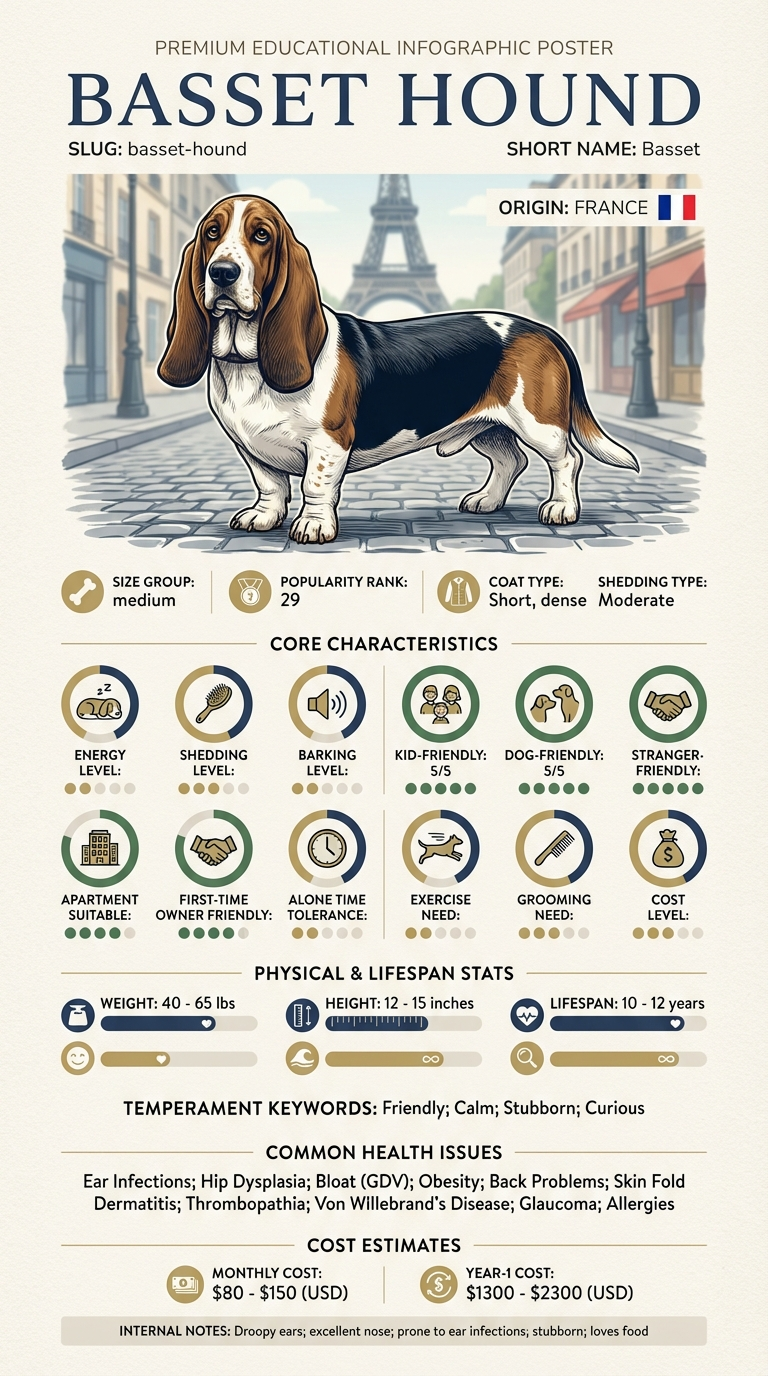
Owners of Basset Hounds, particularly first-time dog parents or those with limited experience in dog training, may struggle with this condition. Understanding how to manage and prevent patellar luxation is essential for keeping your dog healthy and happy.
This guide is not medical advice. If your dog shows pain, sudden behavior change, or worsening symptoms, consult a licensed veterinarian.
Some links may be affiliate links. We may earn a commission at no extra cost to you. We only suggest products we believe are helpful for dog owners.
Basset Hound patellar luxation is a common knee problem where the kneecap dislocates, causing pain and difficulty in movement. This issue is often noticeable when your Basset struggles to walk or suddenly limps after playing. Everyday activities like jumping on furniture or going for walks can become challenging for them, leading to frustration for both the dog and the owner.
Patellar luxation is relatively common among Basset Hounds, with estimates suggesting that up to 20% may experience this condition at some point in their lives. Regular vet check-ups can help identify and manage the problem early.
Basset Hounds are prone to patellar luxation due to their conformation. Their short legs and heavy bodies can put extra stress on their knees. This breed's genetics can make them more susceptible to this issue.
Environmental factors such as obesity and lack of exercise can worsen patellar luxation. If a Basset Hound is overweight, it increases pressure on their joints. Additionally, slippery floors or rough play can lead to knee injuries.
If your Basset Hound struggles with training or behavior issues related to patellar luxation, a professional trainer can help. They can design a training plan that respects your dog's limitations and promotes safe movement.
If you notice persistent limping, difficulty standing, or signs of pain, consult your vet. They can assess the severity of the patellar luxation and recommend treatment options, which may include surgery in more serious cases.
Expect to see improvement in your Basset Hound's patellar luxation symptoms within several weeks of consistent training and management. Full recovery may take a few months, depending on severity.
Success means your Basset Hound can move comfortably without pain or frequent dislocations. Regular exercise and proper training will help them regain confidence and stability.
Avoiding common pitfalls can help improve your Basset Hound's condition. Here are some mistakes to watch out for.
Recognizing when Basset Hound patellar luxation is an emergency can save your dog's mobility and comfort. If you notice severe limping, inability to bear weight on a leg, or persistent pain despite rest, these are red flags. Additionally, if your Basset Hound's knee appears deformed or swollen, you should contact your vet immediately.
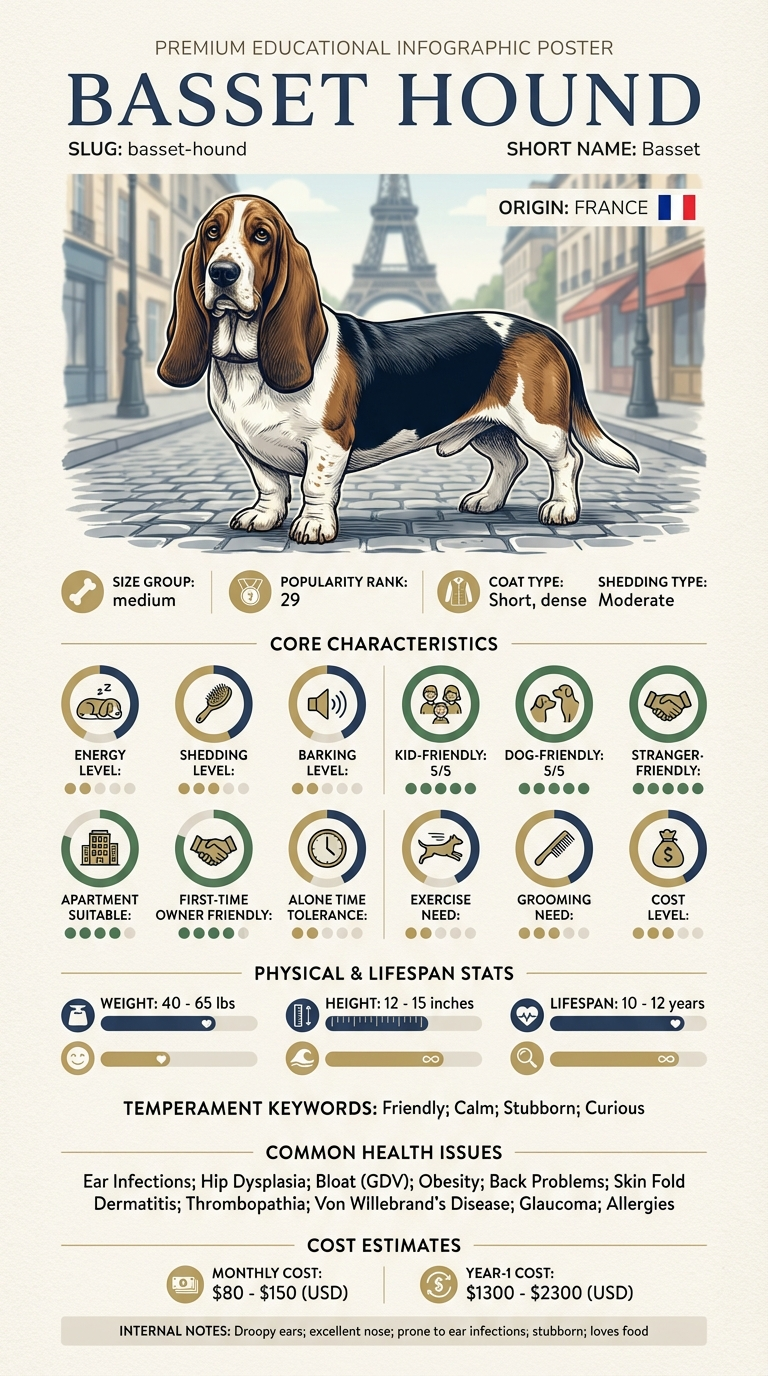
In less severe cases, you can monitor your Basset Hound at home. If your dog occasionally limps but returns to normal after resting, it might not be an emergency. Keeping a close eye on their activity level and ensuring they don’t overexert themselves is key.
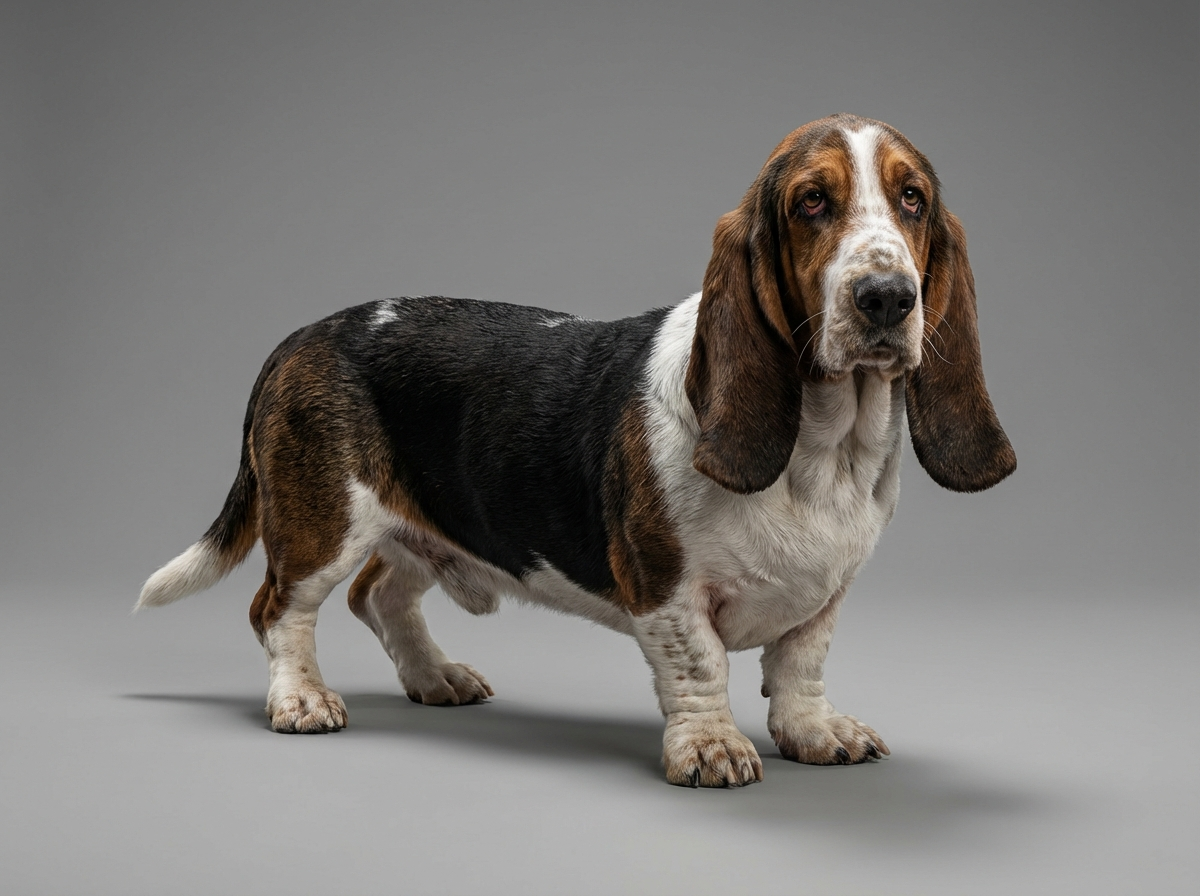
Emily, a first-time dog owner, noticed her Basset Hound, Max, limping after playtime. After visiting the vet, she learned that he had patellar luxation. Initially overwhelmed, Emily researched how to stop Basset Hound patellar luxation and committed to a training program that focused on strengthening Max's legs. She also adjusted his playtime to include low-impact activities like swimming. Over the next couple of months, Max's limping reduced significantly, and he became more playful and active.
Key takeaway: With dedication and the right training, you can help your Basset Hound manage patellar luxation and lead a happier, more active life.
Basset Hounds can have patellar luxation due to genetic factors or structural issues in their knees. This condition, known as knee cap dislocation, is more common in certain breeds and can be exacerbated by weight or activity levels.
To help manage Basset Hound patellar luxation, maintain a healthy weight and engage in low-impact exercises. Consult your vet for specific training and rehabilitation programs that can strengthen the muscles around the knee.
Common signs include limping, difficulty in standing up, or holding the affected leg up after activity. If you notice these symptoms, it’s crucial to consult your vet for a proper diagnosis.
In some cases, surgery may be required to correct severe patellar luxation. Your vet will evaluate the severity of the condition and recommend the best course of action.
Yes, Basset Hound patellar luxation training focuses on strengthening the surrounding muscles and improving joint stability. Regular, gentle exercises can help your dog manage symptoms and improve mobility.
Common signs include limping, difficulty jumping, or an altered gait. You might also notice your Basset Hound suddenly lifting their leg as if they're in pain. If these symptoms persist, it's important to consult a vet.
In mild cases, managing weight and physical therapy can help. However, severe cases often require surgical intervention to correct the dislocation. Always discuss treatment options with your veterinarian.
Yes, patellar luxation can be hereditary, particularly in breeds like the Basset Hound. Responsible breeding practices can help reduce the risk of this condition in puppies. If you're considering a Basset Hound, inquire about the breeder's health screening.
For older dogs, gentle exercise and weight management are crucial. Supportive harnesses can help them move around more comfortably. Always consult your vet for tailored advice and possible treatments suitable for their age.
If untreated, patellar luxation can lead to chronic pain and mobility issues, impacting your Basset Hound's quality of life. Early intervention and appropriate management can help maintain their comfort and activity levels.
Keep your Basset Hound at a healthy weight and avoid high-impact activities. Regular vet check-ups are essential to monitor their knee health.
Limit their activity to short, gentle walks and consult your vet for pain relief options. Consider physical therapy for long-term recovery.
Avoid letting your Basset Hound jump from high places or run on slippery surfaces, as this can worsen their knee condition.


