Behavior
What are quick tips for Basset Hound heat sensitivity?
Ensure your Basset has access to shade and cool water during hot days. Limit outdoor activities and watch for signs of overheating like excessive panting or drooling.
Basset Hounds are prone to heat sensitivity and hyperthermia, which can lead to serious health risks like heatstroke. (Basset Hound heat sensitivity & hyperthermia)
First-time Basset Hound owners or those living in warmer climates often struggle with heat sensitivity. Busy families who may not notice signs of overheating can also be at risk, as well as dog owners who like to spend time outdoors.
This guide is not medical advice. If your dog shows pain, sudden behavior change, or worsening symptoms, consult a licensed veterinarian.
Some links may be affiliate links. We may earn a commission at no extra cost to you. We only suggest products we believe are helpful for dog owners.
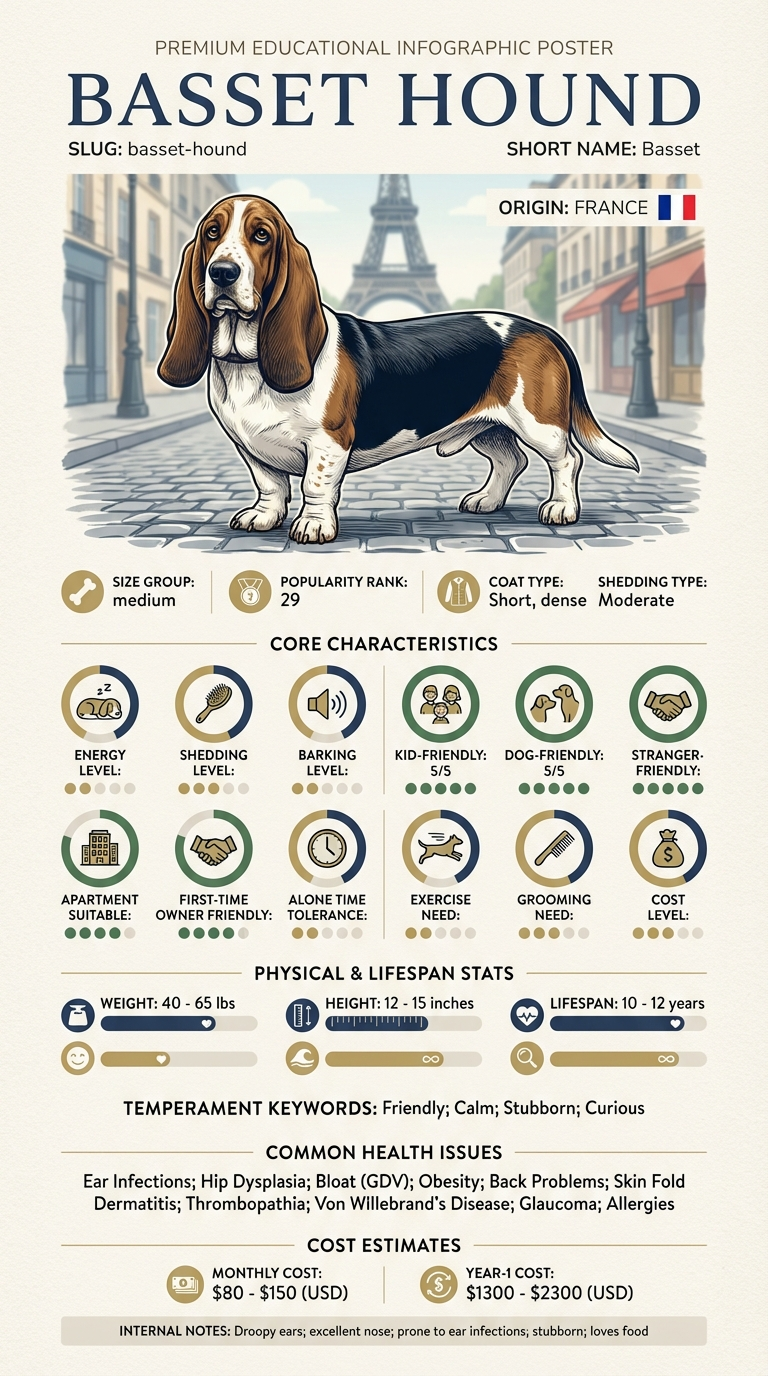
Basset Hound heat sensitivity and hyperthermia are serious concerns for this breed. With their short, dense coats and unique body structure, they struggle to regulate body temperature, especially in warm weather. This can lead to overheating, which may become life-threatening if not addressed promptly.
Heat sensitivity and hyperthermia are quite common in Basset Hounds, making them 533% more susceptible to heatstroke compared to other breeds. Owners should be vigilant, especially during summer months, to ensure their Basset stays cool and hydrated.
Basset Hounds are susceptible to heat sensitivity due to their unique physical traits. Their short, dense coat does not provide much insulation against high temperatures. Additionally, their short noses can hinder effective panting, which is how dogs cool themselves down.
Environmental factors play a significant role in heat sensitivity as well. High temperatures and humidity can quickly lead to overheating, especially if your Basset is outdoors for extended periods. Lack of shade and water can exacerbate these risks, making it crucial to monitor their surroundings.
If your Basset Hound shows signs of heat sensitivity, you may want to consult a trainer who specializes in canine behavior. They can help you develop a tailored exercise and training plan that accommodates your dog's needs, ensuring they remain active without risking overheating.
If your Basset shows severe signs of hyperthermia, such as panting excessively, drooling, or lethargy, contact your vet immediately. Regular check-ups are also important to monitor for health issues related to heat sensitivity, especially for breeds like Basset Hounds.
You may start seeing improvements in your Basset Hound's heat sensitivity within a few weeks of consistent training and management strategies. However, it can take several months to fully acclimate them to warmer conditions.
Success means your Basset Hound can enjoy outdoor activities safely during warmer months, showing fewer signs of discomfort or distress in heat. They should also have a reliable routine for cooling down and hydrating.
Avoid these common mistakes to help your Basset Hound manage heat sensitivity and avoid hyperthermia.
Understanding when heat sensitivity and hyperthermia in Basset Hounds is an emergency can save your dog's life. There are clear signs you should never ignore. If your Basset Hound is panting excessively, drooling heavily, or has a rapid heartbeat, these are red flags. If your dog collapses, shows signs of confusion, or has a seizure, you must call your vet immediately. These symptoms indicate a severe reaction to heat that requires urgent care.
In less severe cases, you can monitor your Basset Hound closely. If your dog is simply sluggish, has slightly increased panting, or prefers to lie down more than usual, these could be signs of heat sensitivity. Ensure your dog has access to cool water and shade. Limit exercise during hot weather and keep an eye on their behavior. If symptoms don't improve, consult your vet, but it's not an emergency yet.
Always err on the side of caution. Heat sensitivity can escalate quickly in Basset Hounds due to their unique physiology. Their droopy ears and short snouts can make breathing harder in hot weather. Knowing the difference between mild and severe symptoms can help you respond appropriately and keep your furry friend safe.
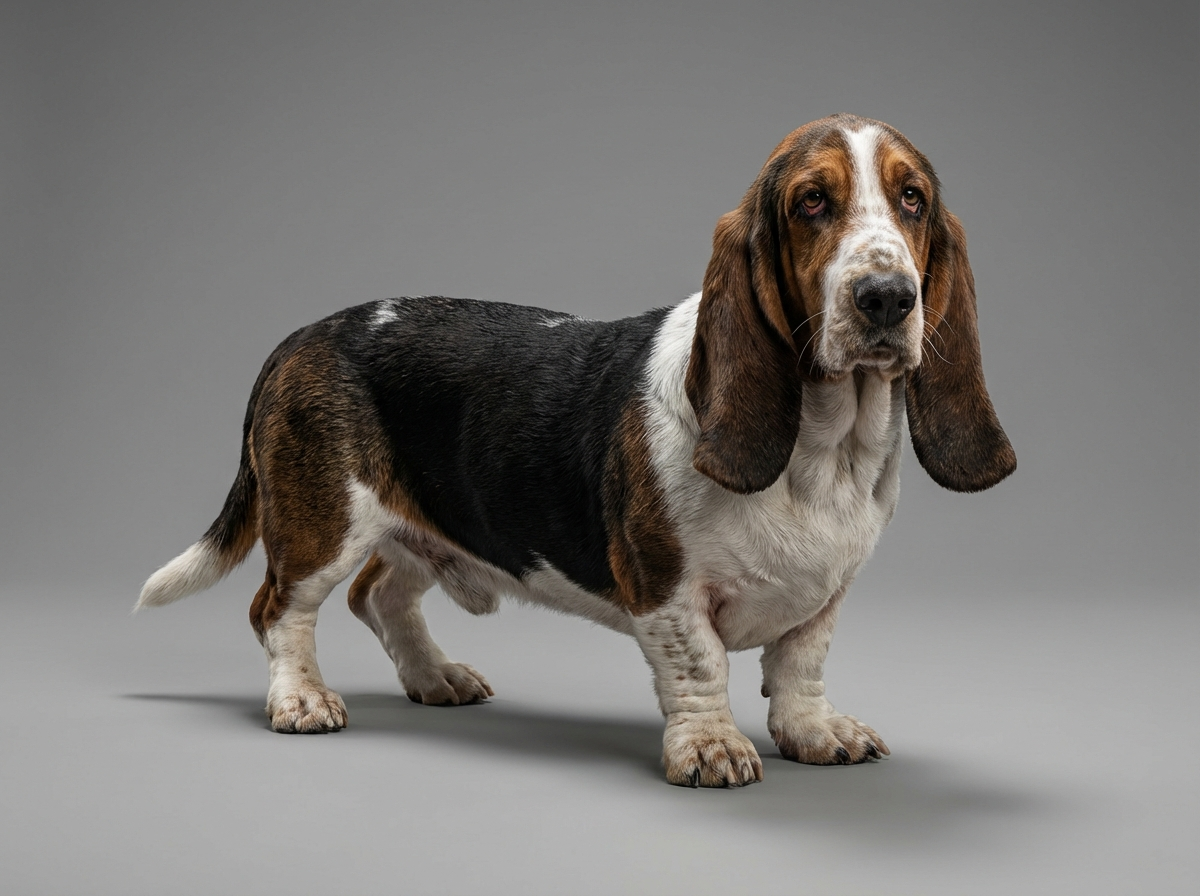
Emma, a busy nurse in Austin, struggled with her Basset Hound, Max, during the hot summers. Max would often become lethargic and pant heavily, which left Emma worried about heatstroke. After researching how to stop Basset Hound heat sensitivity & hyperthermia, she created a schedule for early morning walks and provided plenty of water and shaded areas during playtime. Emma also enrolled Max in a training class focusing on heat adaptation techniques. With time, Max learned to take breaks when needed and enjoyed the outdoors safely.
Key takeaway: With patience and the right strategies, you can help your Basset Hound manage heat sensitivity effectively, allowing them to enjoy outdoor activities without putting their health at risk.
Basset Hounds are particularly sensitive to heat due to their unique body structure and short snouts. This breed has a higher risk of heatstroke, making it essential to monitor their temperature in warm weather. Factors like weight, age, and overall health can also contribute to their susceptibility. This answer relates to Basset Hound heat sensitivity & hyperthermia.
To prevent heat sensitivity, always provide plenty of fresh water and ensure shade is available when outside. Limit exercise during the hottest parts of the day and consider using a cooling vest. Regularly check your Basset Hound for signs of overheating, like excessive panting or lethargy.
Signs of hyperthermia include heavy panting, drooling, weakness, and a rapid heartbeat. If your Basset seems disoriented or collapses, it may be experiencing a heat emergency. In such cases, immediately move them to a cooler environment and consult a vet.
Training your Basset Hound to cope with heat sensitivity involves gradually acclimating them to warmer weather. Start with short outdoor sessions and increase duration as they adapt. Reward them for calm behavior and ensure they associate outdoor time with positive experiences.
If your Basset Hound shows signs of overheating, remove them from the heat immediately. Provide cool water and wet towels to help lower their body temperature. If symptoms persist, seek veterinary care to prevent serious health issues.
Early signs of heat sensitivity in Basset Hounds include excessive panting, drooling, and lethargy. If your Basset seems unusually tired or refuses to play, it could be overheated. Always monitor their behavior during hot days.
To help your Basset Hound during a heatwave, ensure they have plenty of shade and fresh water. Limit outdoor activities to early morning or late evening when it’s cooler. If you notice signs of hyperthermia, move them to a cool place and offer water immediately.
Yes, certain breeds like Bulldogs, Pugs, and Persian cats are particularly prone to hyperthermia due to their short snouts. However, Basset Hounds also have a significant risk due to their body structure. Always be vigilant with flat-nosed and long-eared breeds in the heat.
If you suspect your Basset Hound has heatstroke, act quickly by moving them to a cooler area. Apply cool (not cold) water to their body and offer them small amounts of water. Contact your veterinarian immediately, as heatstroke can be life-threatening.
Yes, Basset Hounds can become more heat sensitive as they age due to decreased stamina and health issues. Older dogs may not regulate their body temperature as effectively, so ensure they stay cool and hydrated, especially during warmer months.
Ensure your Basset has access to shade and cool water during hot days. Limit outdoor activities and watch for signs of overheating like excessive panting or drooling.
Provide a cooling mat or vest, and keep them indoors during peak heat hours. Frequent breaks in a cool area can prevent overheating.
A balanced diet with controlled portions will help keep your Basset Hound at a healthy weight, reducing heat sensitivity risks.