Behavior
What are quick tips for Basset Hound gastric dilatation-volvulus (gdv/bloat)?
Feed smaller, more frequent meals and avoid high-stress situations during mealtime. Always monitor your dog for signs of discomfort after eating.
Basset Hound gastric dilatation-volvulus (GDV/bloat) is a serious and potentially life-threatening condition that affects many dogs.
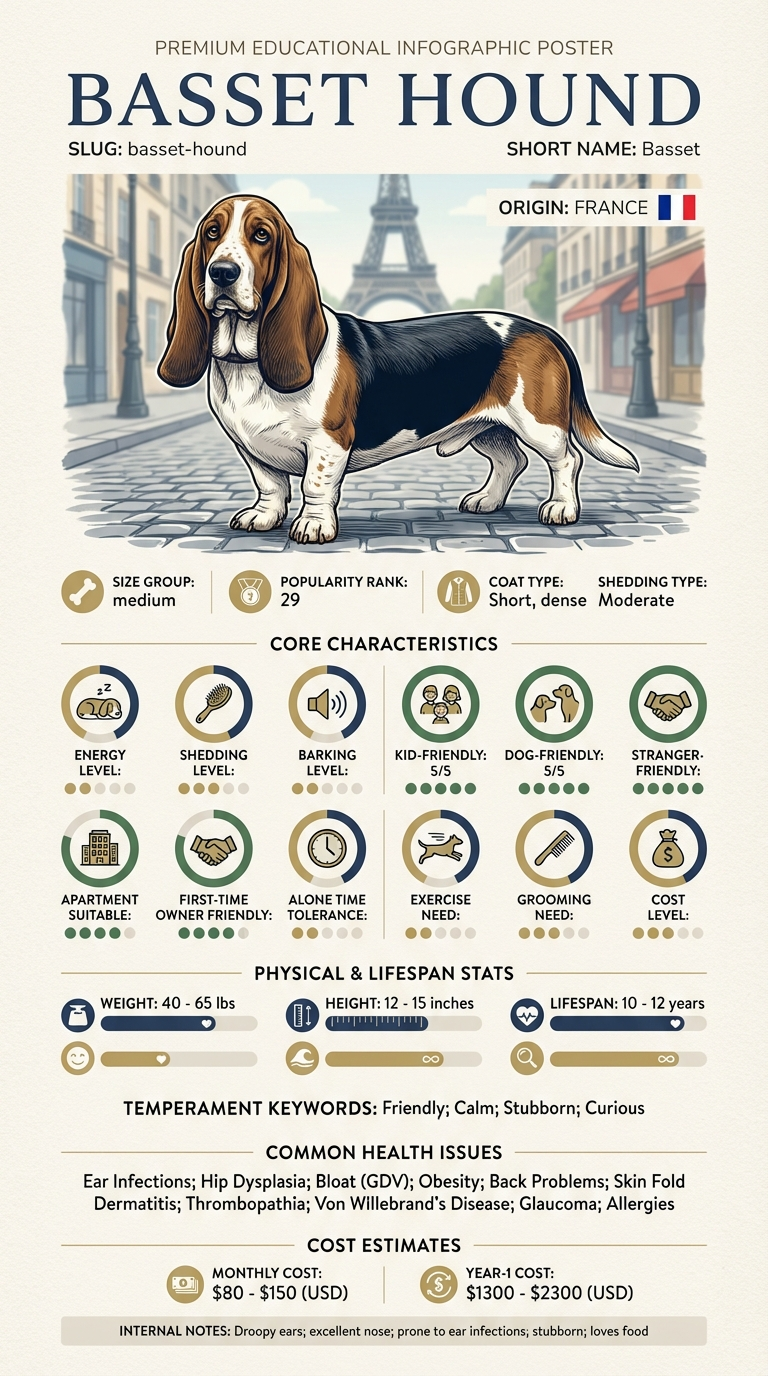
Basset Hound owners, especially those with busy lifestyles or first-time pet parents, may struggle to recognize the early signs of GDV. Understanding this issue is crucial for their dog's health and safety.
This guide is not medical advice. If your dog shows pain, sudden behavior change, or worsening symptoms, consult a licensed veterinarian.
Some links may be affiliate links. We may earn a commission at no extra cost to you. We only suggest products we believe are helpful for dog owners.
Basset Hound gastric dilatation-volvulus (gdv/bloat) is a serious, life-threatening condition where the stomach fills with gas and twists. This can cause extreme pain and requires immediate veterinary attention. Common signs include a swollen abdomen, restlessness, and attempts to vomit without success.
Gastric dilatation-volvulus is relatively common among Basset Hounds, largely due to their tendency to eat quickly and their deep-chested structure. While not every Basset will experience this issue, owners should be aware and proactive in preventing it.
Basset Hounds are prone to gastric dilatation-volvulus (GDV/bloat) due to their deep-chested structure. This breed also has a tendency to eat quickly, which can increase the risk of bloat. Their love for food can lead them to overeat, exacerbating the problem.
Environmental factors like stress, rapid eating, and certain feeding practices can contribute to GDV. A lack of regular exercise and sudden changes in routine can also heighten anxiety, making them more susceptible. Additionally, high-stress situations, such as loud noises or unfamiliar environments, can trigger gastrointestinal issues.
If your Basset Hound continues to eat too quickly or shows signs of anxiety around food, consider consulting a dog trainer. They can help develop positive behaviors and techniques to reduce anxiety. Training can also address any other behavior issues that may be contributing to the problem.
If your Basset shows signs of bloat, such as a swollen stomach, restlessness, or attempts to vomit without success, seek immediate veterinary care. Regular check-ups are crucial, especially if they have a history of GDV. If you notice persistent digestive issues or weight changes, a vet consultation is essential.
With proper management, you can expect to see improvements in your Basset Hound's health within a few weeks. Ongoing monitoring is essential to prevent future incidents.
Success means your Basset Hound remains symptom-free, maintains a healthy weight, and enjoys a balanced diet without issues related to bloat.
Avoiding certain behaviors can significantly help your Basset Hound manage gastric dilatation-volvulus (GDV/bloat). Here are some common mistakes to steer clear of.
Basset Hound gastric dilatation-volvulus (GDV/bloat) can be life-threatening, and recognizing the signs early is crucial. If your Basset shows any of the following red-flag symptoms, call your vet immediately:
- Rapid swelling of the abdomen - Unproductive attempts to vomit - Excessive drooling - Signs of severe distress or pain - Rapid breathing or a racing heart rate.
These symptoms indicate that your dog may require immediate medical intervention. If you notice these signs, don’t wait; time can be critical.
On the other hand, if your Basset has mild symptoms, you can monitor them at home. Look for signs like slight bloating, lethargy, or a decreased appetite. While these can still be concerning, they don’t always mean an emergency. You can create a watch-and-wait plan, ensuring your dog is comfortable and observing their behavior closely over the next few hours. If symptoms worsen or new symptoms develop, contact your vet right away.
Understanding the difference between an emergency and a situation that can be monitored will help you act quickly and effectively. Always err on the side of caution when it comes to your furry friend’s health.
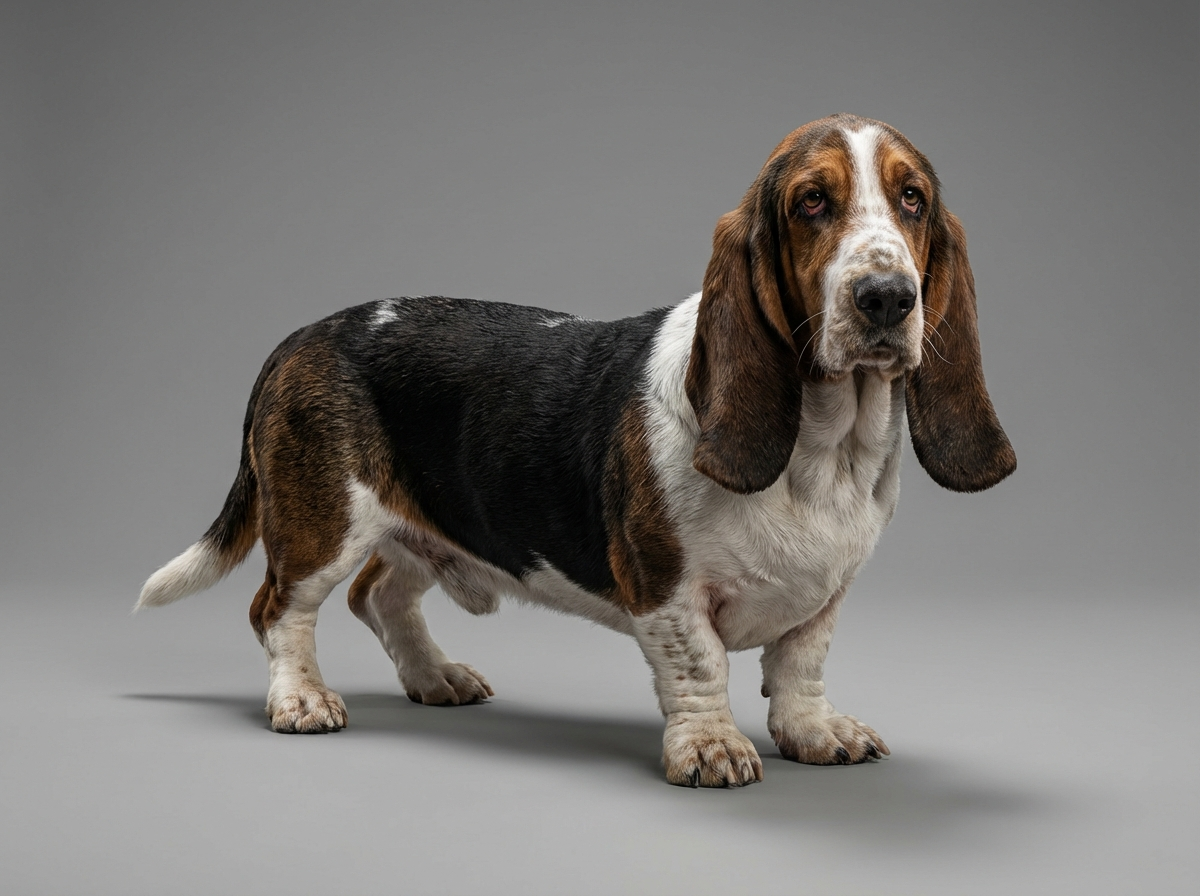
When Sarah adopted Henry, her Basset Hound, she quickly noticed his obsession with food. After a few months, Henry experienced a life-threatening case of gastric dilatation-volvulus (GDV). Fortunately, prompt veterinary care saved him, but it forced Sarah to rethink his feeding routine. She learned to feed him smaller, more frequent meals and ensured that he didn't exercise right after eating. Now, Henry is thriving and has avoided any further episodes of bloat.
Key takeaway: Consistent feeding routines and proper post-meal care are crucial in managing the risk of GDV in Basset Hounds.
Basset Hounds can develop gastric dilatation-volvulus (gdv/bloat) due to various factors, including genetics, eating habits, and stress. Rapid eating or drinking, especially of dry food, can increase the risk. It's crucial to monitor their eating patterns and consult a vet if you notice signs of discomfort.
Symptoms of gdv/bloat include a distended abdomen, restlessness, unproductive vomiting, and excessive drooling. If your Basset Hound shows any of these signs, seek emergency veterinary care immediately. This condition can worsen rapidly and is life-threatening.
To help prevent gdv/bloat, feed your Basset Hound smaller, more frequent meals instead of one or two large meals. Avoid vigorous exercise immediately before and after meals. Consider using a slow feeder bowl to prevent rapid eating.
If you suspect your Basset Hound has gdv/bloat, take them to the vet immediately. Time is critical, as this condition can lead to shock and death. Do not wait to see if the symptoms resolve on their own.
Training can help by teaching your Basset Hound to eat slowly and calmly. Using commands like 'wait' before allowing them to eat can help manage their excitement during mealtime. It's also beneficial to create a stress-free environment during feeding.
Early signs of Basset Hound gastric dilatation-volvulus (gdv/bloat) can include restlessness, drooling, and attempting to vomit without success. You may notice a swollen abdomen and signs of distress. If you see these symptoms, it’s crucial to seek veterinary help immediately.
Yes, older Basset Hounds can be at risk for gastric dilatation-volvulus (gdv/bloat). Their digestive systems may become more sensitive with age. Regular veterinary check-ups are essential to monitor their health and detect any potential issues early.
To help prevent gastric dilatation-volvulus (gdv/bloat) in your Basset Hound, feed smaller, more frequent meals rather than one large meal. Avoid vigorous exercise right after eating, and consider using a slow feeder bowl. Always consult your vet for tailored advice.
If your Basset Hound shows symptoms of gastric dilatation-volvulus (gdv/bloat), take them to the vet immediately. This condition can be life-threatening and requires quick medical intervention. Do not wait to see if symptoms improve.
While there’s no one-size-fits-all diet, a high-quality, balanced diet with controlled portions can help. Look for dog foods that promote digestive health and ask your vet for recommendations tailored to your Basset Hound's needs. Regular feeding times can also aid in digestion.
Feed smaller, more frequent meals and avoid high-stress situations during mealtime. Always monitor your dog for signs of discomfort after eating.
Look for signs like a swollen belly, restlessness, or unproductive vomiting. If you notice these symptoms, seek veterinary help immediately.
Aim for two to three small meals a day instead of one large meal to reduce the risk of gdv/bloat.
Yes, using a slow feeder bowl can help prevent your Basset Hound from eating too quickly, reducing the risk of gdv/bloat.