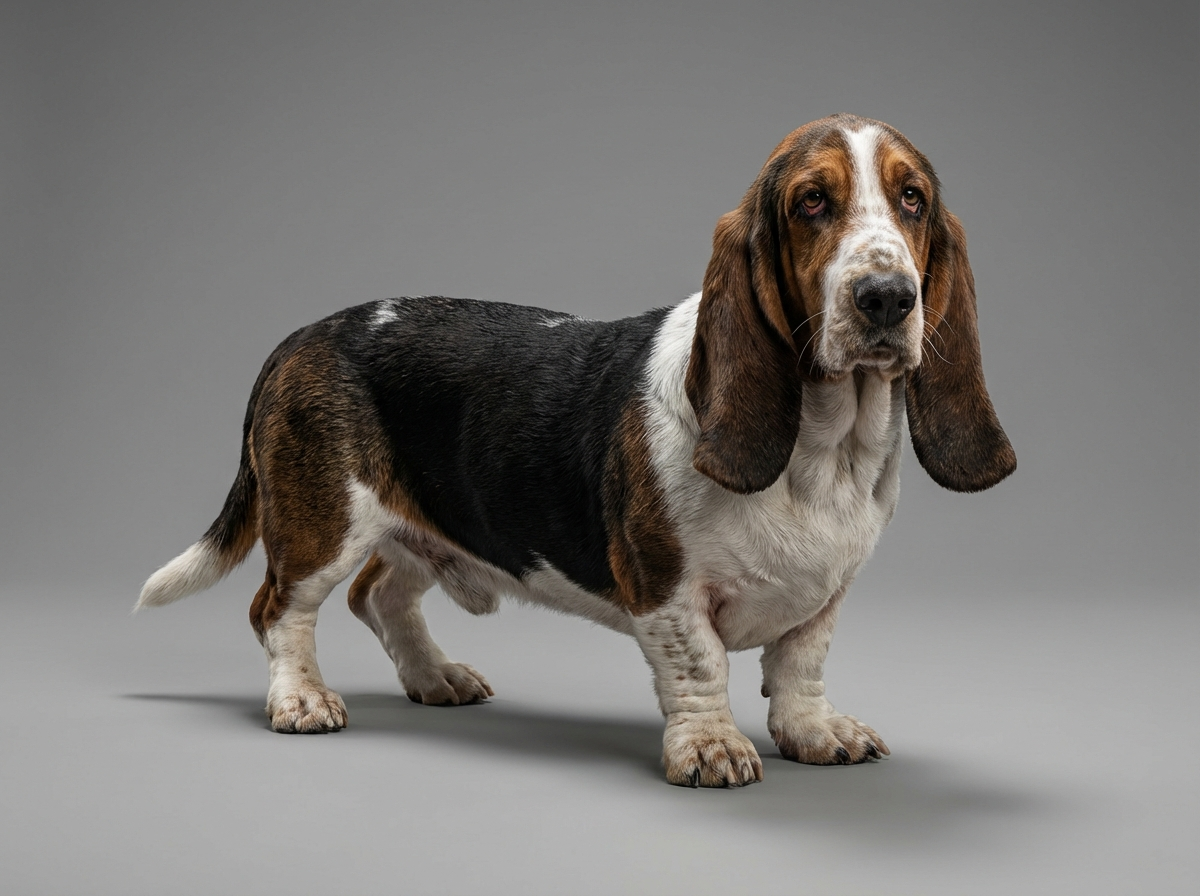
Behavior
What are quick tips for Basset Hound corneal dystrophy?
Regular vet check-ups and monitoring are key. Use prescribed eye drops to manage symptoms and protect your dog's eyes from irritants.

Quick answer
What are quick tips for Basset Hound corneal dystrophy?
Regular vet check-ups and monitoring are key. Use prescribed eye drops to manage symptoms and protect your dog's eyes from irritants.
Basset Hound corneal dystrophy is a common eye condition that causes cloudiness in the cornea. This can lead to discomfort and vision issues for your furry friend.
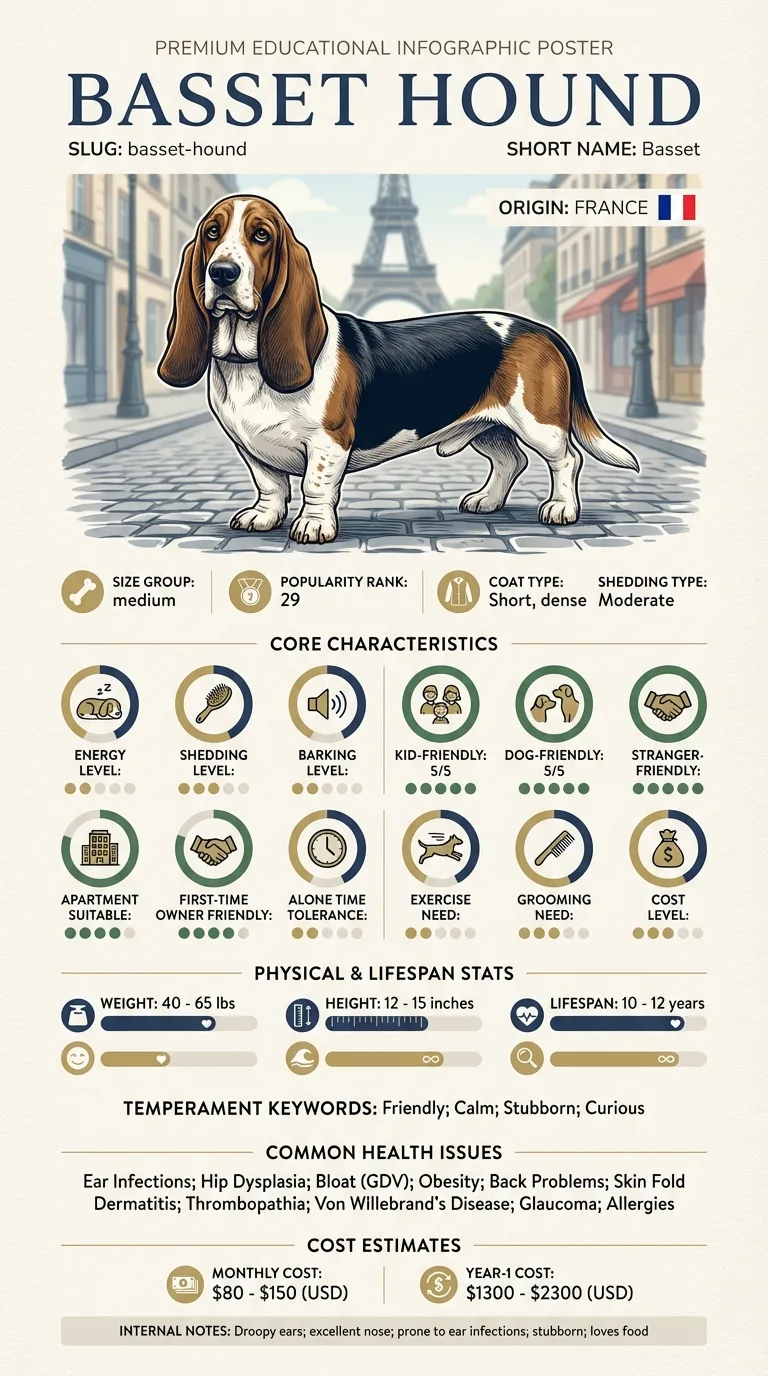
Typically, Basset Hound owners who are new to dog care or those who have never encountered eye conditions before may struggle to identify and manage corneal dystrophy effectively.
This guide is not medical advice. If your dog shows pain, sudden behavior change, or worsening symptoms, consult a licensed veterinarian.
Some links may be affiliate links. We may earn a commission at no extra cost to you. We only suggest products we believe are helpful for dog owners.
We research and check what we publish, but we do not warrant that any figure, date, price, or statement is accurate, complete, or current, and we accept no liability for any loss, cost, injury, or other harm arising from the use of this site. Use it as one reference among several. You remain responsible for your own decisions and for your dog's care - confirm anything that matters with a licensed veterinarian or another qualified professional before you act on it. Full disclaimer.
Check this first
Recognizing when Basset Hound corneal dystrophy becomes an emergency can be crucial for your dog's health. There are specific signs that indicate you should call your vet right away, while other cases may be mild and can be monitored at home.
Red-Flag Signs to Call Your Vet Immediately: If your Basset Hound shows signs of severe discomfort such as excessive pawing at their eyes, squinting, or tearing, these could indicate a serious issue. Additionally, if you notice any sudden cloudiness in the eye or changes in behavior like lethargy or refusal to eat, it's time to seek veterinary care.
Mild Cases to Watch and Wait: If your dog has mild cloudiness without signs of pain or discomfort, it may not require immediate attention. Monitoring their eyes for any changes, maintaining a clean environment, and ensuring they don't rub their eyes are good practices. Regular vet check-ups can also help track the condition without causing panic.
If any of these apply, call your vet or an emergency clinic now. The rest of this page is for the cases that are not an emergency.
Basset Hound corneal dystrophy is a condition characterized by cloudiness in the cornea, which can affect a dog's vision. This issue often manifests as a gray or white film over the eyes, and it can vary in severity. Owners may notice their Basset Hound squinting or having difficulty seeing, especially in bright light.
Corneal dystrophy is relatively common in Basset Hounds, particularly as they age. While not every Basset will develop this condition, it is one of the more frequent eye issues seen in the breed.
Basset Hounds are prone to certain genetic conditions, including corneal dystrophy, due to their unique eye structure. This breed often has a hereditary tendency toward eye issues, which can lead to cloudiness in the cornea. The condition can be exacerbated by their droopy eyelids, which may trap moisture and contribute to irritation.
Environmental factors can also play a role in corneal dystrophy. Exposure to irritants such as dust, smoke, or harsh chemicals can worsen eye conditions. Additionally, inadequate sunlight or poor air quality can lead to increased eye strain and discomfort for your Basset Hound.
If you notice persistent cloudiness, redness, or excessive tearing in your Basset Hound's eyes, it's crucial to consult a veterinarian. They can provide a proper diagnosis and recommend treatments, including medications, to alleviate symptoms.
Avoiding these common mistakes can help improve your Basset Hound's corneal dystrophy. Here are some behaviors to steer clear of:
Start here: Basset Hound Most Common Genetic Disorders: Screening
See all Basset Hound health problems, which breeds are prone to corneal dystrophy, or the full Basset Hound breed guide for temperament, exercise needs and ownership costs.
You can expect to see improvements in your Basset Hound's corneal dystrophy symptoms in about 4 to 6 weeks with proper care and treatment.
Success means reduced symptoms like cloudiness in the eyes and improved comfort for your dog, allowing them to see better and enjoy their daily activities.
Rachel, a first-time dog owner in Seattle, noticed that her Basset Hound, Max, was squinting and seemed less playful. After a visit to the vet, she learned Max had corneal dystrophy. Rachel was overwhelmed but committed to helping Max. Following the vet's advice, she started using prescribed eye drops and made sure to keep Max's environment clean and comfortable. Over a few weeks, Max's symptoms improved, and he returned to his playful self. Rachel learned the importance of consistent care and regular vet check-ups.
Key takeaway: With the right treatment and dedication, you can significantly improve your Basset Hound's quality of life even with corneal dystrophy.
Basset Hound corneal dystrophy is often hereditary, resulting from genetic factors. It's characterized by cloudiness in the cornea, which can affect vision. If you notice changes in your dog's eyes, consult your vet to determine the underlying cause.
Managing Basset Hound corneal dystrophy involves regular vet check-ups and monitoring for any changes in your dog's vision. Your vet may recommend eye drops or other treatments to alleviate discomfort and maintain eye health.
While there is no cure for Basset Hound corneal dystrophy, treatment options can help manage symptoms. In some cases, surgery may be considered if the condition severely impacts your dog's vision or quality of life.
Signs of corneal dystrophy include cloudiness in the eyes, excessive tearing, or squinting. You may also notice your Basset Hound being hesitant or having difficulty navigating around familiar spaces due to vision changes.
Corneal dystrophy itself is not typically painful, but it can cause discomfort or sensitivity to light. Keeping an eye on your dog's behavior and consulting with your vet can help ensure they remain comfortable.
To prevent Basset Hound corneal dystrophy from worsening, maintain regular veterinary visits and follow prescribed treatments. Limiting exposure to irritants, like dust or smoke, can also protect your dog's eyes.
Yes, corneal dystrophy can be hereditary in Basset Hounds. It's important to discuss your dog's family history with your vet to understand the risks.
Corneal dystrophy often appears in middle-aged Basset Hounds, typically between 5 and 7 years old. Early detection is key, so regular vet check-ups are essential.
Keep your dog's eyes clean and protected from irritants. Using a humidifier may also help if dry air is an issue. Always follow your vet's recommendations for at-home care.
Regular vet check-ups and monitoring are key. Use prescribed eye drops to manage symptoms and protect your dog's eyes from irritants.
It's best to have your Basset Hound checked at least twice a year, or more frequently if symptoms worsen.
Ensure your home is free of irritants and create a calm environment. Avoid bright lights and loud noises that may stress your dog.
Yes, corneal dystrophy is often seen in Basset Hounds, as well as other breeds, due to genetic predispositions.
A one-page prep sheet for this condition: the signs, the questions to ask, what to get priced. Unlocks here.
You get: Vet visit prep sheet
No spam. One-click unsubscribe. See our privacy policy.
Preview page 1 before you decide.