Behavior
What are Basset Hound allergies quick tips?
Regularly clean your home to reduce allergens and consider hypoallergenic dog food. Bathing your Basset Hound with a gentle shampoo can also help alleviate skin irritations.
Basset Hound allergies can be a frustrating issue for pet owners. These allergies often lead to discomfort and health problems for your furry friend.
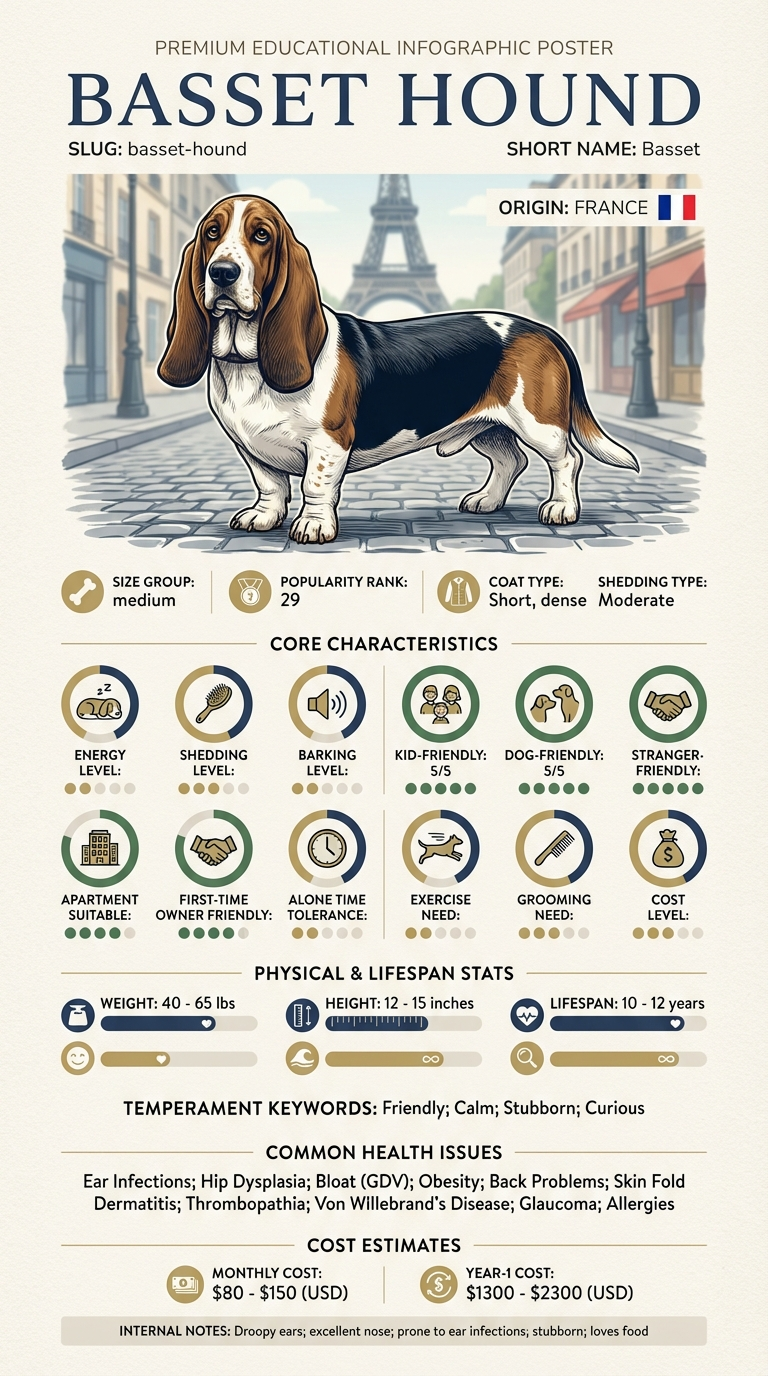
New Basset Hound owners or those with a history of allergies in their pets often face challenges in managing these conditions. Owners who live in areas with high pollen counts or those who feed commercial dog food may find their dogs particularly sensitive.
This guide is not medical advice. If your dog shows pain, sudden behavior change, or worsening symptoms, consult a licensed veterinarian.
Some links may be affiliate links. We may earn a commission at no extra cost to you. We only suggest products we believe are helpful for dog owners.
Basset Hound allergies can manifest in various ways, including itchy skin, ear infections, and gastrointestinal issues. These allergies often arise due to environmental factors like pollen, dust, or certain foods. Owners may notice their Basset scratching frequently, shaking their head, or having red, inflamed skin, which can be concerning and frustrating.
Allergies are relatively common in Basset Hounds, affecting a significant portion of the breed. Many owners report dealing with these issues at some point, making it an important aspect of Basset care. With their droopy ears and skin folds, they can be more prone to infections that arise from allergic reactions.
Basset Hounds are prone to certain allergies due to their genetic makeup. Their skin folds and droopy ears can trap moisture, making them more susceptible to infections and irritations. Additionally, their curious nature means they might encounter allergens more frequently.
Environmental factors play a significant role in Basset Hound allergies. Common triggers include pollen, dust mites, and mold, which can be found in homes or yards. Food allergies can also arise from common ingredients like chicken or grains.
If your Basset Hound exhibits signs of anxiety or stress due to their allergies, a trainer can help with behavior modification techniques. This is especially important if they develop anxiety around grooming or vet visits.
If your Basset Hound shows persistent symptoms like itching, swelling, or ear infections, consult your vet. They can recommend allergy testing and appropriate treatment options, including medications or specialized diets.
You can expect to see improvements in your Basset Hound's allergies within 4 to 6 weeks of implementing changes.
Success means your Basset Hound experiences fewer allergy symptoms, such as itching or skin irritations, and enjoys a more comfortable life.
Avoiding these common mistakes can help improve your Basset Hound's allergy situation.
Basset Hound allergies can vary from mild to severe, and knowing when to act is crucial. If your Basset shows any of the following red-flag signs, it’s time to call your vet immediately. These include severe swelling, difficulty breathing, or persistent vomiting. If their skin is hot to the touch or they are scratching excessively to the point of causing injury, don't wait—seek help right away.
On the other hand, there are less serious signs you can monitor at home. Mild symptoms such as occasional sneezing, slight itching, or a runny nose can often be managed with a plan. Keep an eye on your Basset’s behavior and adjust their environment accordingly. Make sure to note any changes and consult your vet during your next visit if symptoms persist.
Taking action when needed can make a huge difference in your Basset Hound's quality of life. Always err on the side of caution when it comes to health issues, especially with allergies that can escalate quickly.
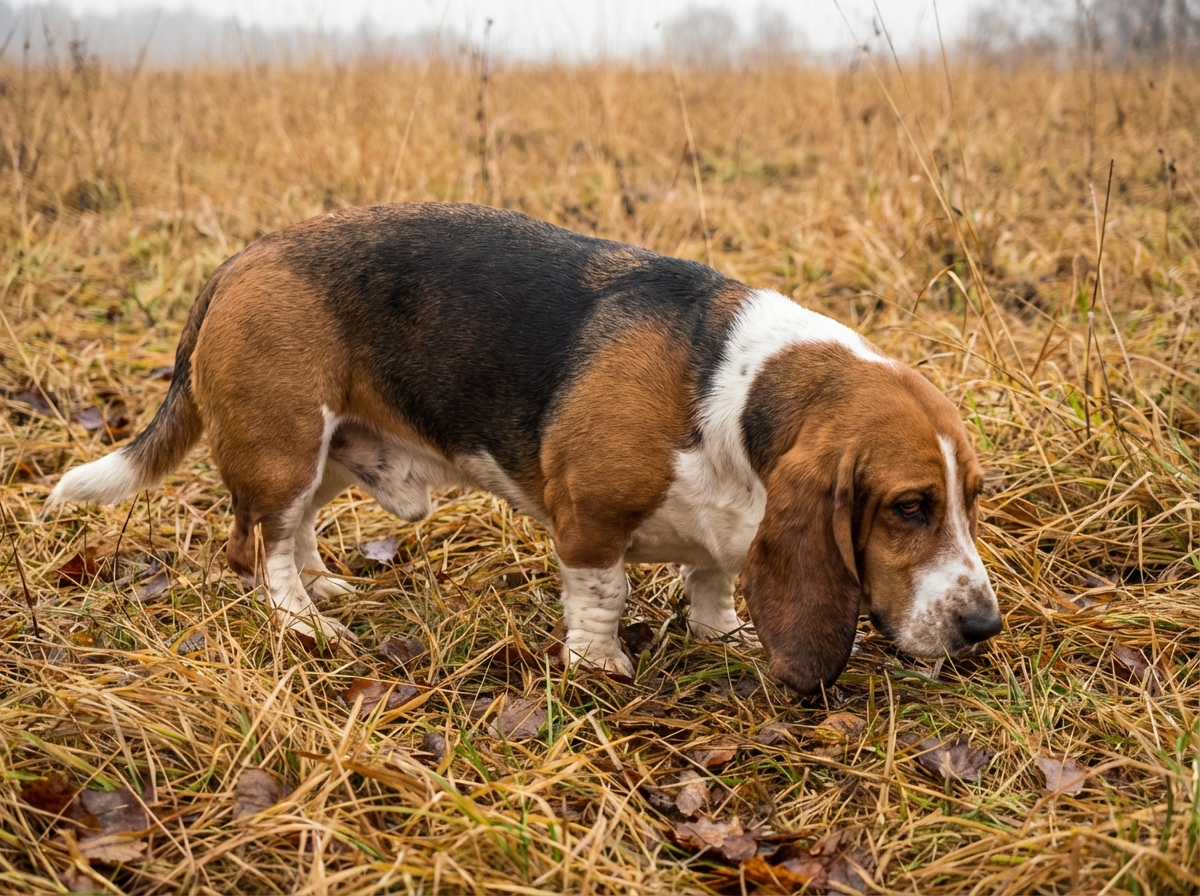
Emily, a first-time Basset Hound owner, struggled with her dog Max's constant itching and ear infections. After a trip to the vet, she learned that Max had allergies, likely due to his food and environmental factors. Emily switched Max to a hypoallergenic diet and began regular grooming to reduce allergens in their home. Within a few weeks, she noticed a significant decrease in his scratching and ear issues. With patience and consistency, Max became much happier and healthier, turning their daily walks into joyful adventures instead of discomfort.
Key takeaway: Understanding and addressing your Basset Hound's allergies can lead to a happier, healthier pet and a more enjoyable companionship.
Basset Hounds can develop allergies due to environmental factors like pollen, dust, or certain foods. If your dog is frequently scratching or has skin irritations, it might be an allergic reaction. A visit to your vet can help identify the specific allergens.
To manage Basset Hound allergies, start by eliminating potential allergens from their environment. Regular cleaning can help reduce dust and pollen. Consult your vet for allergy testing and possible treatments like antihistamines or special diets.
Common symptoms include itching, redness of the skin, ear infections, and watery eyes. You may also notice excessive licking or hot spots on their body. Monitoring these symptoms can help you address the issue quickly.
Yes, hypoallergenic diets can help manage food allergies in Basset Hounds. These diets often contain novel proteins and are free from common allergens like wheat or soy. Your vet can recommend the best options based on your dog's needs.
While allergies can often be managed, they are typically not curable. Proper treatment and management strategies can significantly improve your dog's comfort. Regular vet check-ups will help you adapt the treatment plan as needed.
Basset Hounds with allergies may show symptoms like itching, redness, or swelling of the skin. You might also notice excessive scratching, ear infections, or watery eyes. If your Basset seems uncomfortable, it's important to consult your vet.
Yes, older Basset Hounds can develop allergies later in life, even if they never had issues before. Environmental changes or new food can trigger these reactions. Regular vet check-ups can help identify and manage any sudden allergy symptoms.
Identifying allergens often involves an elimination diet or allergy testing recommended by your vet. Keep a diary of your Basset's symptoms and any changes in their environment or diet. This information can help pinpoint the cause.
Basset Hounds can be sensitive to certain foods, pollen, dust mites, and mold. Their droopy ears can also trap moisture, leading to ear infections that resemble allergy symptoms. Regular ear cleaning and monitoring can help mitigate these issues.
If your Basset Hound shows persistent symptoms like severe itching, swelling, or recurrent ear infections, it's time for a vet visit. Early intervention can prevent more serious complications and help find the right treatment. Don't wait until symptoms worsen!
Regularly clean your home to reduce allergens and consider hypoallergenic dog food. Bathing your Basset Hound with a gentle shampoo can also help alleviate skin irritations.
It's best to schedule regular vet visits at least once a year, or more frequently if your dog shows allergy symptoms. This ensures you can adjust their care as needed.
Training alone won't stop allergies, but you can teach commands to redirect their behavior when they scratch. Providing distractions or engaging activities can also help.