DogBreedCompass
← Back to breed profile

American Staffordshire Terrier Wobbler Syndrome: What You Need to Know

Wobbler syndrome in American Staffordshire Terriers can leave them unsteady and in discomfort. Understanding this condition is crucial for their well-being. (American Staffordshire Terrier wobbler syndrome)

American Staffordshire Terrier Wobbler Syndrome: What You Need to Know infographic

Owners of American Staffordshire Terriers may face this issue, especially those with older dogs or those engaged in high-energy activities. It's common for dog parents who notice their furry friends wobbling or showing signs of discomfort to seek solutions.

Important reminder

This guide is not medical advice. If your dog shows pain, sudden behavior change, or worsening symptoms, consult a licensed veterinarian.

Some links may be affiliate links. We may earn a commission at no extra cost to you. We only suggest products we believe are helpful for dog owners.

What this problem looks like

American Staffordshire Terrier wobbler syndrome is a neurological condition that affects the dog's coordination and balance. Day-to-day, you may notice your dog stumbling, having difficulty walking, or tilting its head. These symptoms can be alarming and may worsen over time, making it crucial to recognize them early.

Common triggers

  • Genetic predisposition in some American Staffordshire Terriers
  • Sudden physical activity or trauma
  • Age-related degeneration of the spine

Wobbler syndrome occurs in a noticeable percentage of American Staffordshire Terriers, especially those in their middle to senior years. While not every dog of this breed will experience it, being aware of the signs can help you act quickly if symptoms appear.

Why this happens

Breed factors

American Staffordshire Terriers can be prone to wobbler syndrome due to their genetics. This condition is often linked to their physical structure, where the cervical vertebrae may not form properly. This can lead to instability and neurological issues, causing the characteristic wobbling gait.

Environment factors

Environmental factors can also contribute to wobbler syndrome. For instance, a lack of appropriate exercise can lead to obesity, which puts extra strain on the spine. Additionally, rough play or injuries can exacerbate existing conditions, making it crucial to manage their activity levels.

What you can try

At-home strategies

  • Maintain a healthy weight for your American Staffordshire Terrier through a balanced diet and regular exercise. This helps reduce strain on their spine.
  • Create a safe environment by minimizing risks of falls or injuries. Use non-slip rugs and remove obstacles that can cause accidents.
  • Implement gentle exercise routines, such as short walks and swimming, to keep them active without overexertion. Avoid high-impact activities that may worsen their condition.

When to consider a trainer

If your dog shows signs of difficulty in movement or requires help with behavior due to their condition, consulting a professional trainer can be beneficial. Look for trainers experienced with special needs dogs who can provide tailored guidance.

When to talk to your vet

If your American Staffordshire Terrier exhibits severe wobbling, difficulty swallowing, or seems to be in pain, it's time to consult your veterinarian. They can assess the severity of wobbler syndrome and recommend appropriate treatments or therapies.

Realistic expectations

With consistent training and veterinary support, you may see improvements in your American Staffordshire Terrier's wobbler syndrome within 3 to 6 months. However, some dogs may take longer to adjust.

Success means your dog exhibits reduced wobbling, improved coordination, and a happier demeanor. They should be able to engage in daily activities with more confidence.

Mistakes that make this worse

Avoiding these common mistakes can help improve your American Staffordshire Terrier's wobbler syndrome. Here are some behaviors to steer clear of.

  • Ignoring early signs: Spotting wobbly movements early can lead to faster intervention. If you notice your dog swaying or having trouble walking, consult your vet immediately.
  • Overexerting your dog: Many owners think exercise will strengthen their dog. However, too much activity can worsen symptoms. Instead, opt for short, gentle walks and monitor your dog's condition.
  • Neglecting weight management: Extra weight can put more strain on your dog's spine. Ensure you maintain a healthy diet and consult your vet for proper weight management.
  • Using harsh training methods: Punishing or using negative reinforcement can increase anxiety, worsening the condition. Stick to positive reinforcement techniques to encourage good behavior.
  • Skipping vet check-ups: Regular visits can help monitor your dog's condition. Make sure to follow up with your vet for ongoing assessments and treatment options.
  • Failing to provide a safe environment: Allowing your dog to navigate stairs or slippery floors can lead to falls. Create a safe space with non-slip surfaces and remove hazards.
  • Not considering physical therapy: Some owners overlook therapy options that can aid mobility. Speak to your vet about physical therapy to help manage wobbler syndrome.

When American Staffordshire Terrier Wobbler Syndrome is an Emergency

Recognizing when American Staffordshire Terrier wobbler syndrome is an emergency is crucial for your dog's health. Immediate veterinary attention is needed if you notice severe symptoms. These include sudden loss of coordination, inability to stand or walk, or a sudden change in behavior like excessive whining or aggression.

If your dog is experiencing difficulty breathing, extreme pain, or seizures, call your vet right away. Other red flags include weakness in the legs, severe neck pain, or if they are unable to control their bladder or bowels. These situations require immediate care to prevent further injury or complications.

On the other hand, mild cases of wobbler syndrome can often be monitored at home. If your dog shows subtle signs such as occasional stumbling, mild wobbling when walking, or slight neck stiffness, you may not need to rush to the vet. Instead, keeping a detailed log of these symptoms can help your vet understand the progression of the condition during your next visit.

In these mild cases, it's important to develop a management plan. This could include gentle exercises, weight management, and supportive care at home. Always consult your vet for guidance on how to monitor these symptoms effectively.

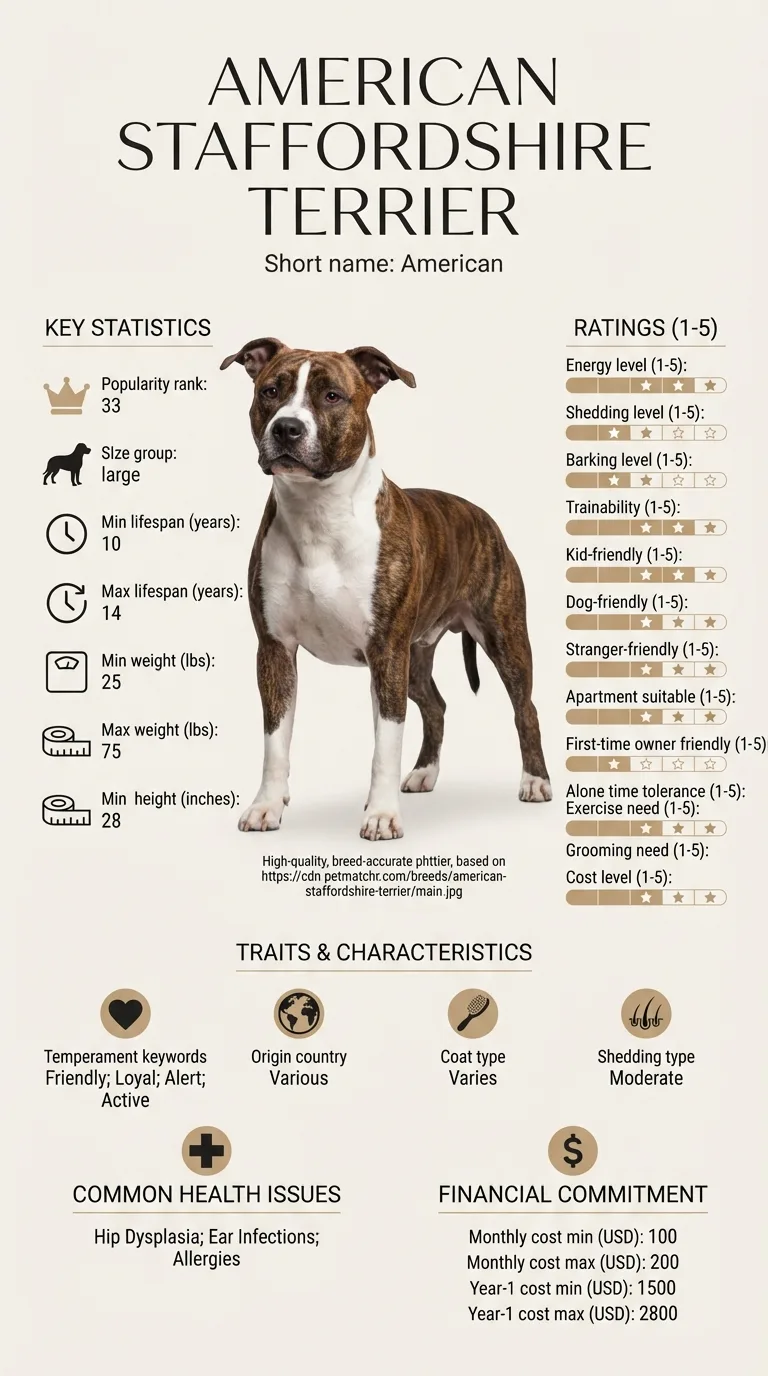
American Staffordshire Terrier Wobbler Syndrome: What You Need to Know - When American Staffordshire Terrier Wobbler Syndrome is an Emergency

Maggie's Journey with Wobbler Syndrome

Maggie, a 5-year-old American Staffordshire Terrier, started showing signs of wobbler syndrome, like difficulty walking and frequent stumbling. Her owner, Sarah, was worried and sought veterinary advice. After a thorough examination, they discussed a combination of medication and a tailored training plan. Sarah dedicated time each day to work with Maggie on balance exercises and gentle walks. Over the next few months, Maggie's wobbling decreased significantly, and she became more active and playful.

Key takeaway: With the right support and commitment, owners can make a meaningful difference in their dog's quality of life when dealing with American Staffordshire Terrier wobbler syndrome.

Frequently asked questions

Why does my American Staffordshire Terrier have wobbler syndrome?

Wobbler syndrome in American Staffordshire Terriers is often due to cervical vertebral instability. This can cause neck pain and coordination issues. Genetics, age, and injury can also play a role in its development.

How can I stop my American Staffordshire Terrier from showing signs of wobbler syndrome?

To manage wobbler syndrome, consult your vet for a proper diagnosis and treatment plan. Treatments may include medication, physical therapy, or surgery in severe cases. Keeping your dog at a healthy weight and providing a safe environment can also help.

What are the symptoms of wobbler syndrome in American Staffordshire Terriers?

Common symptoms include a wobbly gait, neck pain, and difficulty with balance. Your dog may also show signs of weakness in their limbs or have trouble rising. If you notice these symptoms, seek veterinary care immediately.

What is the cost of treating American Staffordshire Terrier wobbler syndrome?

Treatment costs for wobbler syndrome can range from $500 to $7,000 depending on the severity and treatment type. Regular veterinary check-ups and medication can also add to the cost over time. Always discuss financial concerns with your vet to find the best options.

Can wobbler syndrome be prevented in American Staffordshire Terriers?

While not all cases can be prevented, you can reduce risks by maintaining a healthy weight and avoiding high-impact activities. Regular vet visits can help catch any issues early. Genetics plays a significant role, so choosing a responsible breeder is also important.

Can older American Staffordshire Terriers get wobbler syndrome?

Yes, older American Staffordshire Terriers can develop wobbler syndrome due to age-related degeneration of the cervical spine. It's important to monitor any signs of wobbling or difficulty walking in senior dogs and consult a vet for evaluation.

What are the early signs of wobbler syndrome in an American Staffordshire Terrier?

Early signs of wobbler syndrome may include a wobbly gait, difficulty in coordination, or a tendency to stumble. If you notice these symptoms, it's best to schedule a vet visit to discuss your dog's condition.

How can I help my American Staffordshire Terrier with wobbler syndrome at home?

You can help your American Staffordshire Terrier by providing a safe space free of obstacles to prevent falls. Gentle, low-impact exercise and a comfortable resting area can also support their mobility and overall comfort.

What treatments are available for American Staffordshire Terrier wobbler syndrome?

Treatment options for wobbler syndrome may include medication, physical therapy, or surgery, depending on the severity. A vet will suggest the best course of action based on your dog's specific needs.

Is wobbler syndrome hereditary in American Staffordshire Terriers?

Wobbler syndrome can have a genetic component, but environmental factors may also play a role. Breeders should be cautious about the lineage of their dogs to help reduce the risk of this condition.

Quick answers

View more answers
Behavior

What are quick tips for managing American Staffordshire Terrier wobbler syndrome?

Keep your dog at a healthy weight and provide a safe, stable environment. Regular vet check-ups are crucial for monitoring their condition. Consider gentle physical therapy to maintain mobility.

Living

How can I support my American Staffordshire Terrier with wobbler syndrome?

Support can include using ramps for easier access and avoiding strenuous activities. Ensure they have a comfortable resting area to prevent strain on their neck. Consult your vet for tailored strategies.

Health

Is wobbler syndrome a serious condition for American Staffordshire Terriers?

Yes, wobbler syndrome can be serious and may lead to significant mobility issues. Early diagnosis and treatment are essential to manage symptoms effectively. Regular vet visits can help keep your dog comfortable.

Related DogBreedCompass guides

  • American Staffordshire Terrier separation anxiety guideLearn more about how to manage separation anxiety in your American Staffordshire Terrier.
  • American Staffordshire Terrier behavior problemsExplore various training techniques to help address common behavior problems in American Staffordshire Terriers.
  • American Staffordshire Terrier wobbler syndrome trainingFind out how to effectively train your American Staffordshire Terrier to reduce the impact of wobbler syndrome.
  • American Staffordshire Terrier cost breakdownUnderstand the costs associated with owning an American Staffordshire Terrier, including healthcare for wobbler syndrome.
  • American Staffordshire Terrier health concernsLearn about the common health issues that American Staffordshire Terriers face, including wobbler syndrome.

Related guides