Behavior
What are quick tips to prevent GDV in my American Staffordshire Terrier?
Feed smaller, more frequent meals and avoid exercise right before and after meals. Use a slow feeder to reduce gulping and monitor your dog closely during feeding.
Gastric dilatation-volvulus, or GDV/bloat, is a serious condition that can be life-threatening for your American Staffordshire Terrier. (American Staffordshire Terrier gastric dilatation-volvulus (gdv/bloat))
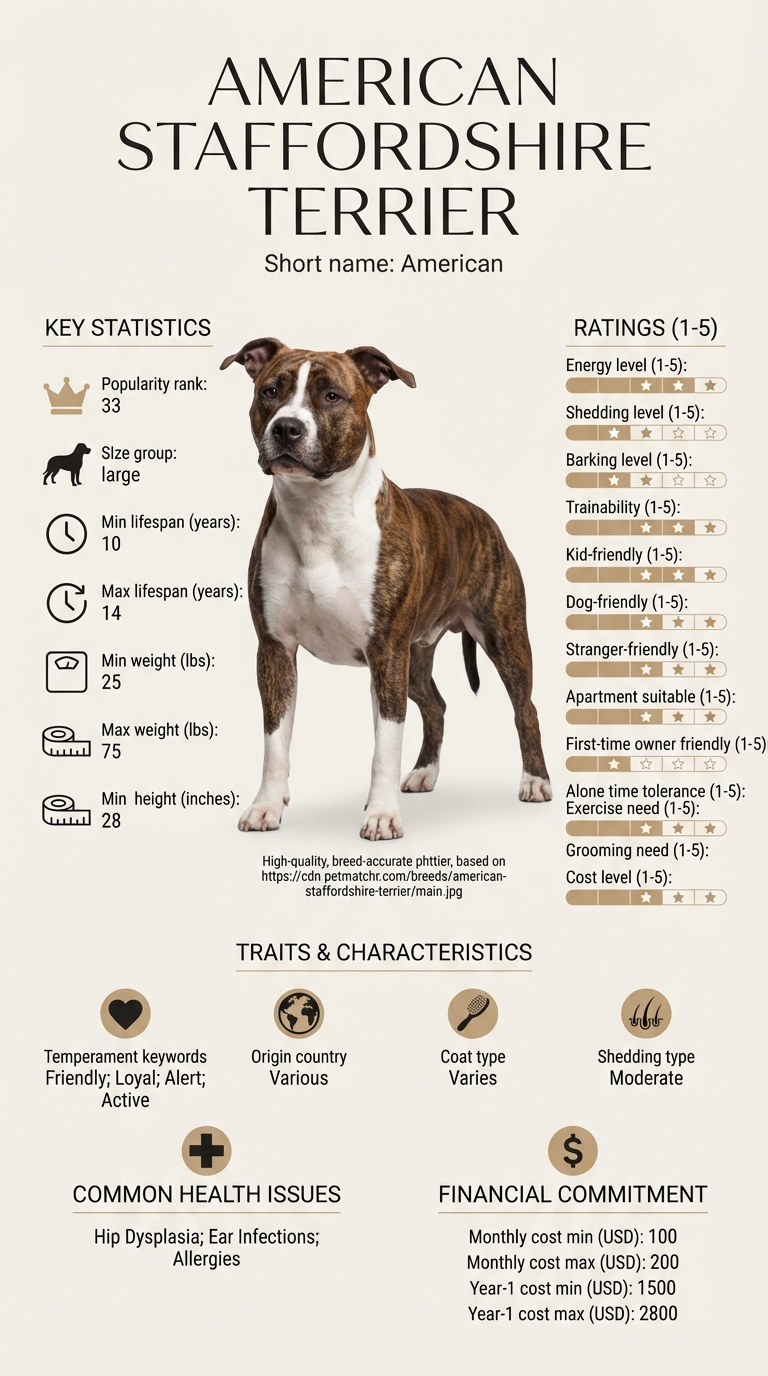
Typically, owners of larger breeds like the American Staffordshire Terrier may face this problem, especially those who notice their dog eating too quickly or showing signs of distress after meals. First-time dog owners may also feel overwhelmed by the symptoms and urgency of this condition.
This guide is not medical advice. If your dog shows pain, sudden behavior change, or worsening symptoms, consult a licensed veterinarian.
Some links may be affiliate links. We may earn a commission at no extra cost to you. We only suggest products we believe are helpful for dog owners.
American Staffordshire Terrier gastric dilatation-volvulus (GDV/bloat) is a serious condition that can occur suddenly. It involves the stomach filling with gas and twisting, which can cut off blood supply. This dangerous situation requires immediate veterinary attention.
GDV is relatively common in large dog breeds, including the American Staffordshire Terrier. It affects about 5-10% of these dogs, especially those with a deep chest.
The American Staffordshire Terrier is prone to gastric dilatation-volvulus (GDV) due to its deep chest structure. This breed's physical characteristics can cause the stomach to expand and twist, leading to this serious condition. Genetics may also play a role, as some dogs may inherit a higher risk of developing GDV.
Environmental factors such as eating too quickly, high-stress situations, and excessive physical activity right after meals can contribute to GDV. Feeding habits, like giving one large meal instead of smaller portions throughout the day, can also increase the risk. Additionally, living in a stressful environment may exacerbate the chances of this condition occurring.
If your American Staffordshire Terrier shows signs of anxiety or stress while eating, consider working with a trainer. A professional can help address behavioral issues that may contribute to rapid eating or stress during mealtime.
If your dog exhibits symptoms of GDV, such as a swollen abdomen, excessive drooling, or tries to vomit without success, contact your vet immediately. Early intervention is crucial, as GDV can be life-threatening. It's also wise to discuss your dog's eating habits and any concerns about bloat with your veterinarian.
Managing gastric dilatation-volvulus (GDV/bloat) can take a few weeks to a few months. It's essential to work closely with your vet for ongoing monitoring and adjustments.
Success means recognizing the signs of GDV early, maintaining a careful feeding routine, and reducing stress for your American Staffordshire Terrier. Your dog should show fewer symptoms and have a happier, healthier life.
Avoiding these common mistakes can help manage your American Staffordshire Terrier's gastric dilatation-volvulus (GDV/bloat). Here are some behaviors to steer clear of:
Red-flag signs that mean you should call your vet immediately include: sudden abdominal swelling, unproductive retching, excessive drooling, lethargy, and signs of pain like whining or restlessness. If your dog shows these symptoms, don’t wait. Take them to an emergency vet right away.
In contrast, mild cases can sometimes be monitored. If your dog is simply gassy but not showing severe symptoms, you can watch for a few hours. Keep an eye out for any worsening symptoms, like a lack of appetite or continued discomfort. If your dog seems okay overall and is not in distress, you can wait to see if the situation improves.
However, remember that GDV can develop suddenly. Always err on the side of caution if you’re unsure. When in doubt, it's best to consult your vet for guidance.
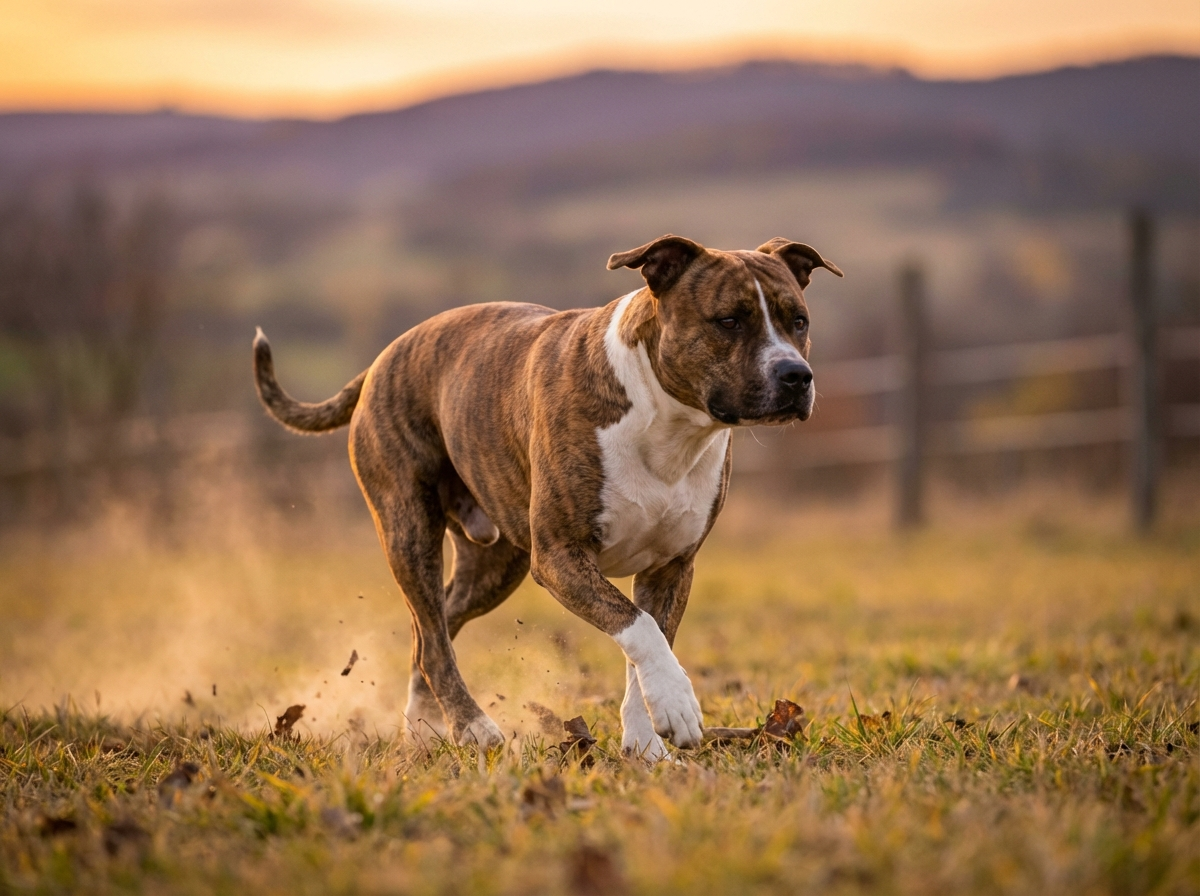
Sarah, a busy veterinary nurse, adopted Max, an American Staffordshire Terrier. One evening, she noticed Max had a bloated stomach and was pacing nervously. After rushing him to the vet, she learned he was suffering from GDV. With her knowledge and the vet's guidance, Sarah adjusted Max's feeding schedule and introduced calming techniques. Over time, Max became more relaxed during meals and showed no signs of distress. It took patience, but Sarah felt relieved to see Max thriving again.
Key takeaway: Early recognition and proactive management are crucial for dealing with GDV in American Staffordshire Terriers. Stay alert and work closely with your vet.
Gastric dilatation-volvulus (GDV), commonly known as bloat, can occur due to various factors. It often affects deep-chested dogs like the American Staffordshire Terrier, especially after eating large meals or exercising immediately after eating. Stress and rapid eating can also contribute to this dangerous condition. This answer relates to American Staffordshire Terrier gastric dilatation-volvulus (gdv/bloat).
To help prevent GDV, feed your American Staffordshire Terrier smaller, more frequent meals instead of one large meal. Avoid vigorous exercise right before and after eating, and consider using a slow feeder bowl to prevent fast eating. Regularly monitoring your dog's behavior during meals can also help.
If you suspect your American Staffordshire Terrier has GDV, seek immediate veterinary care. Symptoms may include a swollen abdomen, restlessness, excessive drooling, or attempts to vomit without success. Prompt treatment is crucial as this condition can be life-threatening.
Yes, behavior training can help manage your dog's eating habits. Teaching commands like 'slow' can encourage your dog to eat at a calmer pace. Using positive reinforcement when they eat slowly can also be beneficial.
Avoid feeding your American Staffordshire Terrier dry kibble that expands in the stomach, which can increase the risk of GDV. Also, steer clear of high-fat foods and consider speaking to your vet about a balanced diet that suits your dog's needs.
Early signs of gastric dilatation-volvulus (GDV/bloat) include restlessness, a distended abdomen, and attempts to vomit without producing anything. If you notice these symptoms, it’s crucial to seek veterinary help immediately, as this condition can escalate quickly.
Yes, older American Staffordshire Terriers can be at risk for gastric dilatation-volvulus (GDV/bloat). Factors such as their age, size, and eating habits can contribute to this condition, so it's essential to monitor them closely and maintain regular vet check-ups.
Some breeds, including the American Staffordshire Terrier, are more prone to gastric dilatation-volvulus (GDV/bloat) due to their deep chests and eating habits. Rapid eating, stress, and prior episodes can increase their risk, so understanding these factors is vital for prevention.
To help prevent gastric dilatation-volvulus (GDV/bloat), consider feeding smaller, more frequent meals rather than one large meal. Slow-feed bowls can also be beneficial, and ensure your dog is calm during and after meals to reduce the risk.
If you suspect your American Staffordshire Terrier may be experiencing symptoms of gastric dilatation-volvulus (GDV/bloat), take them to the vet immediately. Delaying treatment can be life-threatening, so trust your instincts and act quickly.
Feed smaller, more frequent meals and avoid exercise right before and after meals. Use a slow feeder to reduce gulping and monitor your dog closely during feeding.
Common signs include a swollen abdomen, excessive drooling, and attempts to vomit without producing anything. If you notice these, seek immediate veterinary attention.
Consider feeding a diet that's low in fat and avoids kibble that expands in the stomach. Consulting your vet for personalized dietary advice is also wise.